- Category
- Vegetables
- State
- Fresh
- Usual unit
- g
What it is
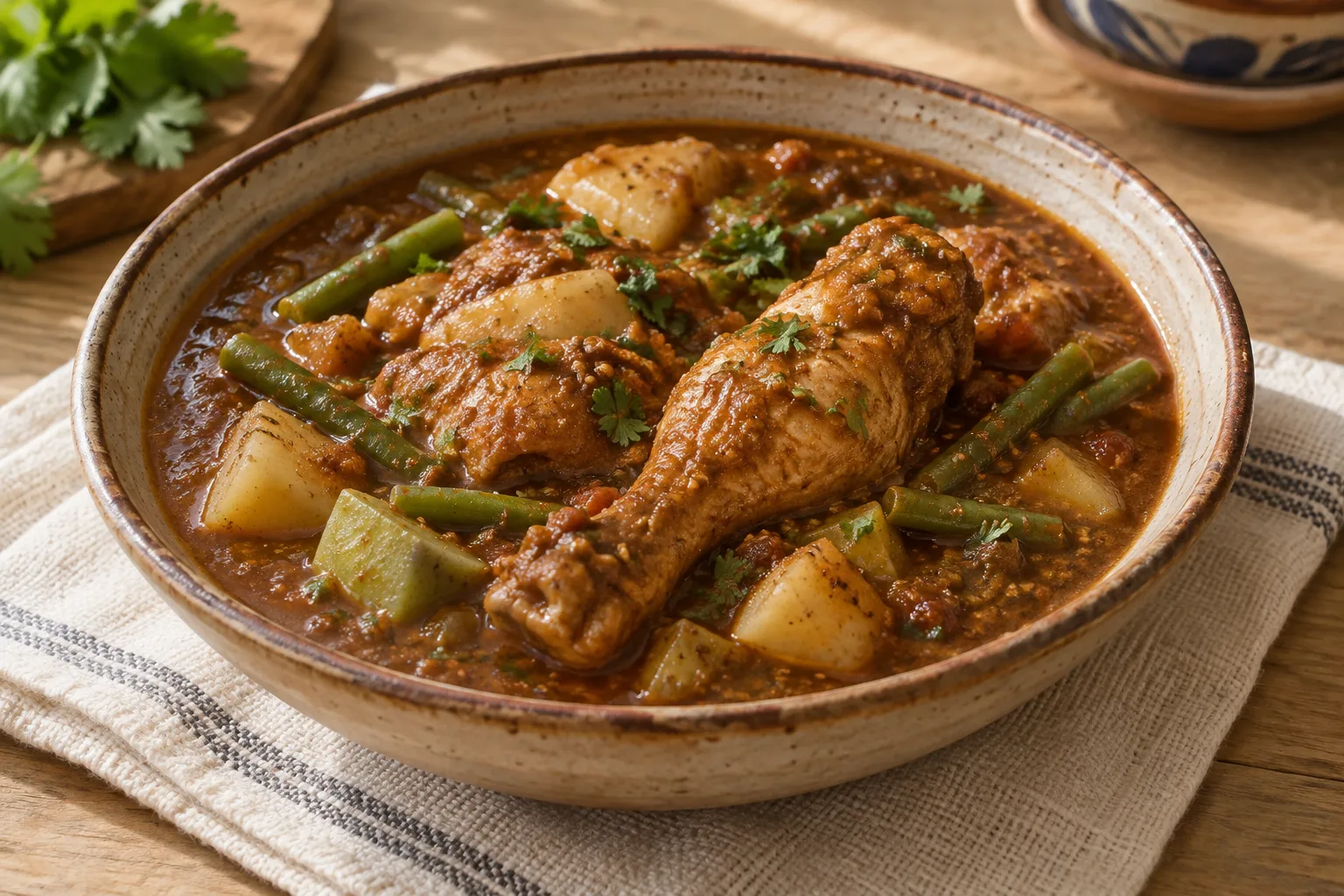
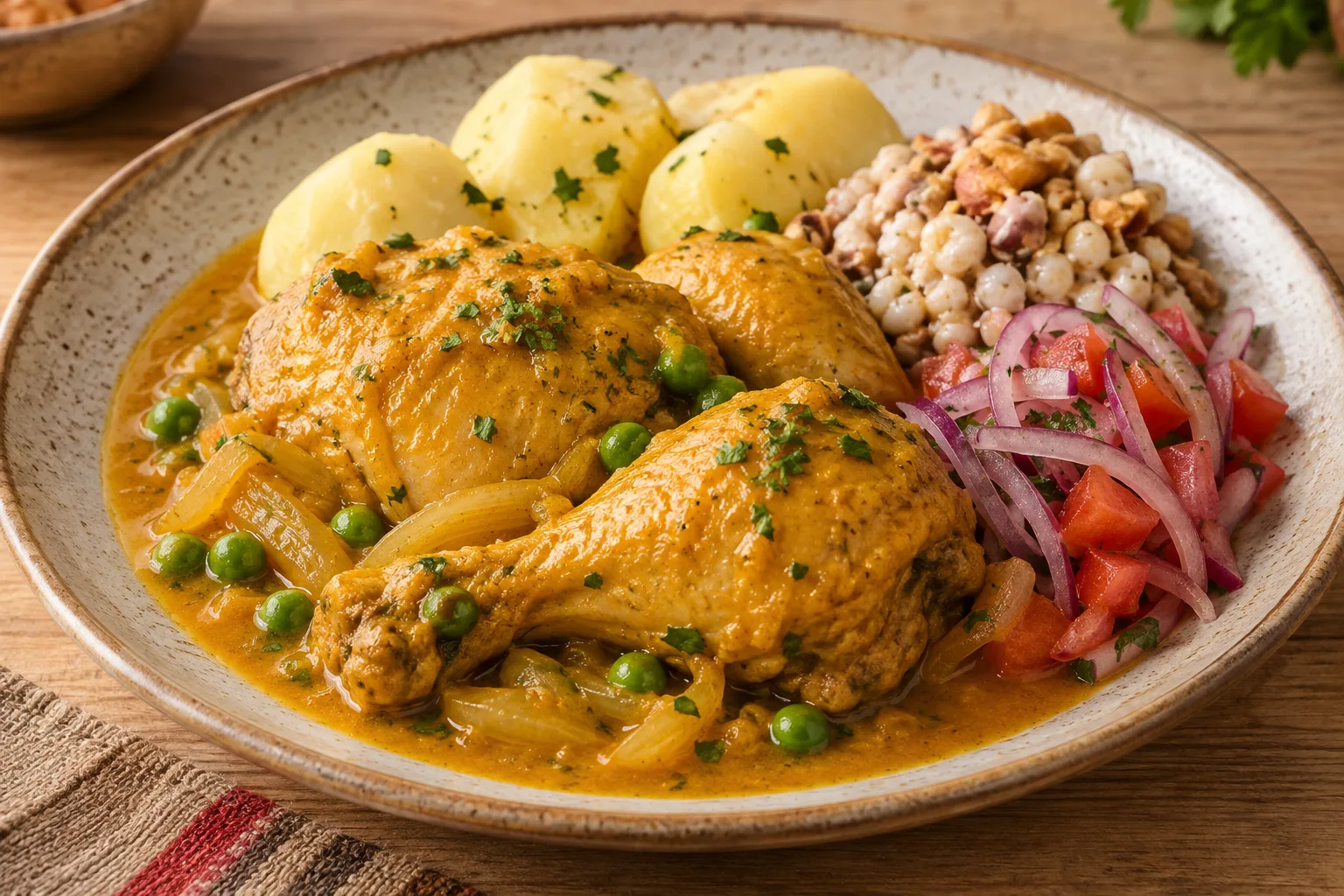
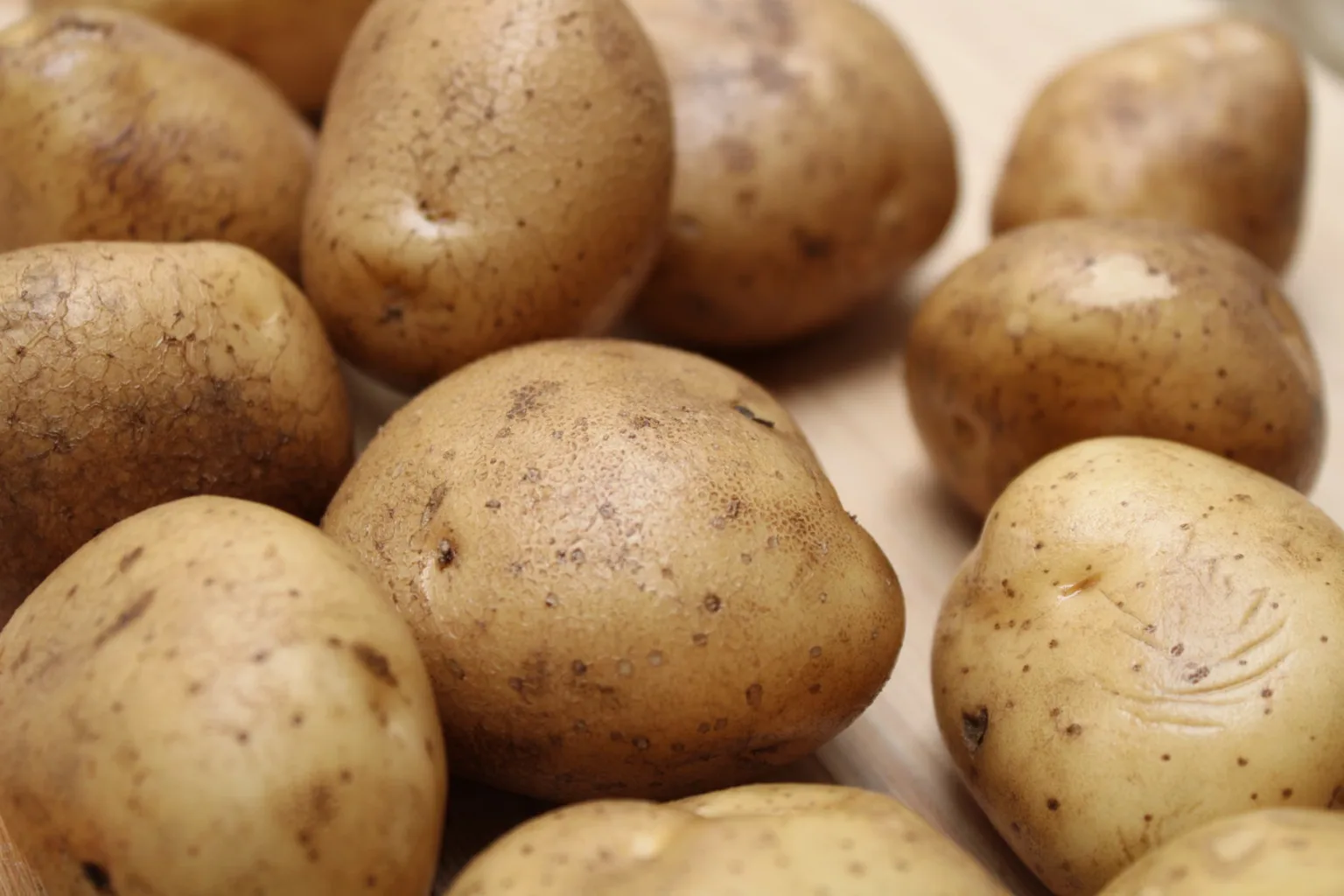
A potato is a tuber that can be cooked in many ways, from a simple side dish to part of a complete meal. Potatoes are not all alike: varieties differ in shape, color, texture, and flavor. For cooking, consider the texture you want in the finished dish. A firm variety helps pieces keep their shape in soups, stews, or boiled preparations; a floury variety is better suited to mash, causa, or doughs. Potatoes can be the main ingredient or a side, and they can also add body to broths and stews. This profile covers fresh potatoes and does not assign a specific season or storage conditions because the available evidence does not establish them.
When to use it
Choose potatoes for a side dish, a smooth base for mash, or an ingredient that gives body to a soup or stew. If you want pieces to keep their shape, look for a firm variety; for mash or doughs, a floury variety is usually a better fit. Potatoes can also be cut for frying or baking, or combined with egg and onion in a tortilla. Variety matters more than any single rule: match the potato to the dish and the texture you want.
How to use it
Wash and prepare potatoes for the recipe, then choose a cut that suits the dish. Boil and mash them for a smooth side, cut and fry them, bake them whole or in pieces, or add them to soups and stews for texture and body. They also work in tortillas and gratins. For soups and stews, a firm variety helps pieces retain their shape; for mash or doughs, choose a floury variety. Pair them with ingredients such as butter and milk for mash, or garlic, rosemary, cheese, egg, or onion, depending on the dish. This profile does not give a universal cooking time: follow a recipe and check the texture as the potatoes cook.
Flavour and texture
Potatoes have a mild flavor that works with a range of seasonings and accompaniments. Their texture varies with the variety and cooking method: pieces may stay firm, become tender when cooked, turn creamy when mashed, or crisp on the outside when fried. Firm varieties are useful when you want pieces to hold their shape in soups or stews; floury varieties are better for mash and doughs. In broths and stews, potatoes can add thickness and take on the aromas of other ingredients.
How to choose it
If you can choose between varieties, start with the intended use: look for a firm potato for soups, stews, or dishes with distinct pieces, and a floury one for mash or doughs. The available evidence does not establish specific visual freshness tests or one variety for every recipe, so ask the seller about texture or recommended use. For packaged potatoes, check the product information and any storage or preparation directions provided.
Storage
The available evidence does not establish a specific temperature, shelf life, or storage method for fresh potatoes. Follow the seller’s or package’s directions when provided, and do not assume that instructions for processed, canned, or prepared potatoes apply to fresh ones. If the label or retailer gives specific storage or use directions, follow them; applicable information can depend on how the food is presented.
Substitutions
Potato varieties can stand in for one another when you keep the desired texture in mind. In soups or stews, one firm variety can replace another; for mash or doughs, substitute one floury variety for another. Switching texture types may change the result: a firm potato may not make as smooth a mash, while a floury one may break down more in a stew.
Common mistakes
A common mistake is choosing a variety without considering the final texture. Firm and floury potatoes behave differently: firm ones suit dishes where pieces should hold their shape, while floury ones work better for mash or doughs. Avoid assuming that every potato needs the same method or that there is one universal cooking time; use a suitable recipe and check for the desired texture.
Safety and allergens
Follow any use and storage directions supplied with the product. For prepared or packaged potatoes containing other ingredients, check the label for ingredients and possible allergens, since information can vary with the product’s presentation.
Culinary uses
- Acompañamiento
- Base de purés y masas
- Ingrediente para sopas y guisos
Recommended techniques
- Cocer y aplastar
- Freír
- Hornear
- Añadir a sopas o guisos
Pairs well with
- Mantequilla y leche
- Ajo y romero
- Queso
- Huevo y cebolla
Frequently asked questions
Which potatoes are best for mash?
Choose a floury variety, which is better suited to mash and doughs.
What type of potato should I use in soup or stew?
A firm variety is appropriate when you want the pieces to hold their shape better.
Are potatoes useful for more than side dishes?
Yes. They can form the base of mash and doughs, go into soups, stews, tortillas, and gratins, or be fried and baked.
Estimated nutrition
- Fat
- 0 g
- Saturates
- 0 g
- Carbohydrate
- 17.6 g
- Sugars
- 0.68 g
- Fibre
- 1.4 g
- Protein
- 2.03 g
- Salt
- 0 g
Sources and review
Automatically researched, cross-checked and validated content. Sources consulted:
- En el etiquetado alimentario hay algunas menciones que son obligatorias eletiquetadocuentamucho.aesan.gob.es
- Client Challenge doi.org
- The Essential Glossary of Cooking Terms for the Culinary Arts - Escoffier escoffier.edu
- VARIEDADES DE PATATA DE SIEMBRA CERTIFICADA mapa.gob.es
- Agencia Española de Seguridad Alimentaria y Nutrición aesan.gob.es
- Pampered Chef Official Site | Pampered Chef US Site i-links.illinois.edu
- Safe & Healthy Food Pantries Project - Health & Well-Being health.extension.wisc.edu
- La Papa en la Cocina: Historia y Mil Usos del Tesoro Andino | Club Susazón clubsusazon.com
- Papa peruana: variedades, historia y platos típicos del Perú lamurallarestaurante.pe
- Datos interesantes sobre la papa - Gustolatino Gastronomia gustolatinogastronomia.com
- Culinary Institute of America | World's Premier Culinary College ciachef.edu
- Food Incubator/ Public Commercial Kitchen Briefing 2024 idm.uni.edu
- Food Quality Dominates Restaurant Choice and Spending - Medill Spiegel Research Center spiegel.medill.northwestern.edu
- Papas y Batatas (Camote o Papa Dulce) (Spanish) - National Center for Home Food Preservation nchfp.uga.edu
- Finding Food: Issues and Challenges in Using Geographic ... conservancy.umn.edu