- Category
- Grains, flour and pasta
- State
- Dry
- Usual unit
- g
What it is
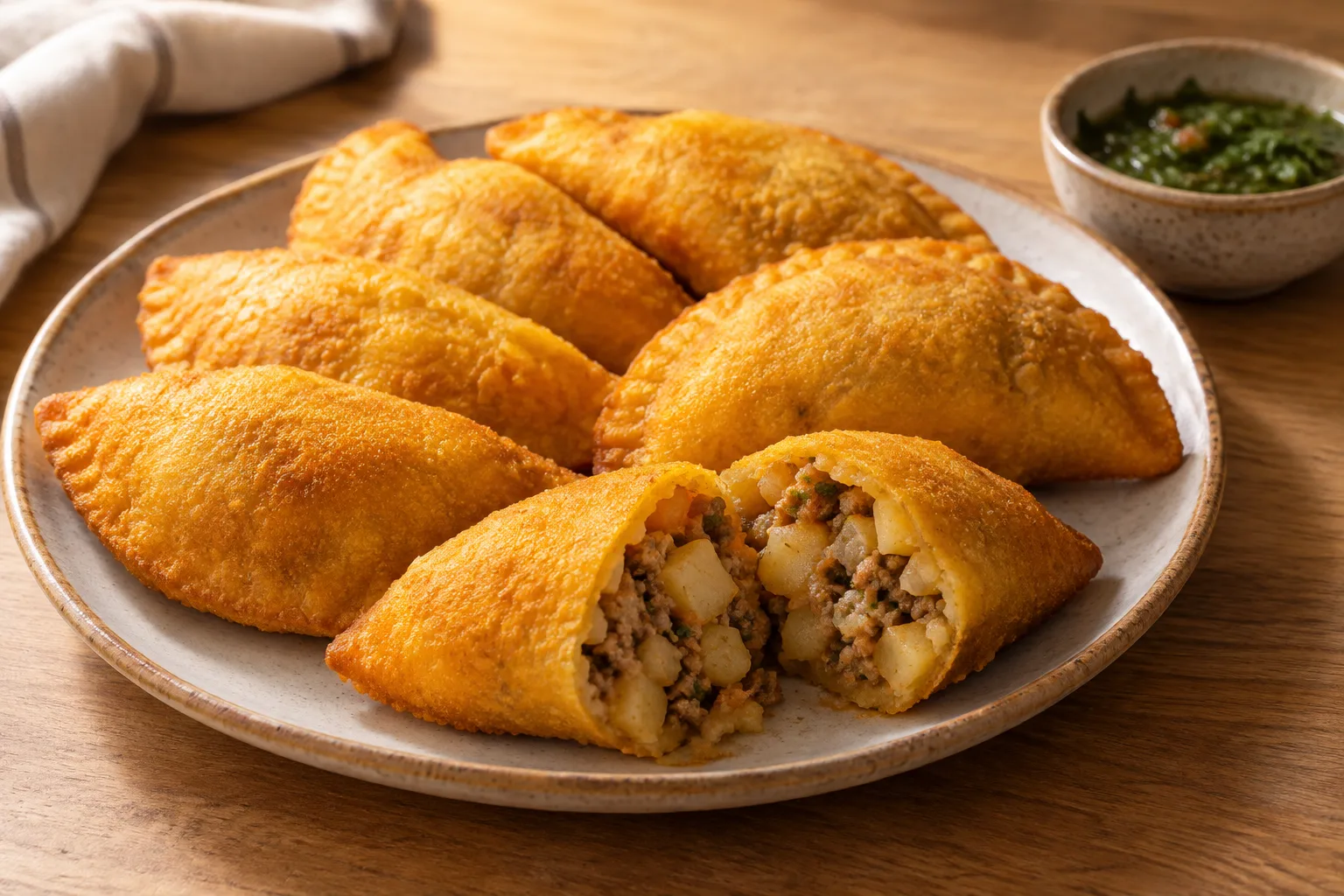
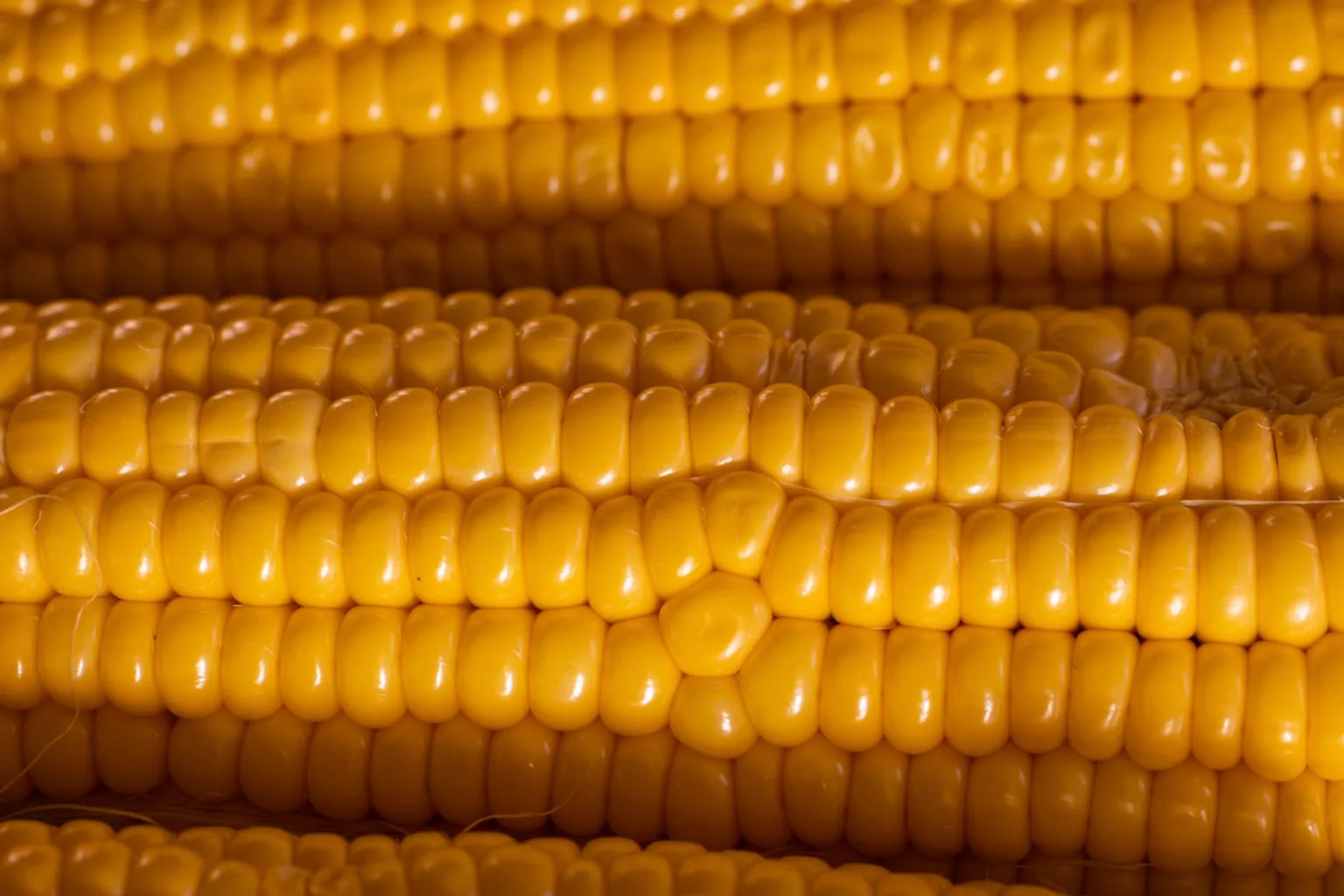
Precooked yellow corn flour is a milled product made from yellow corn kernels that are cooked before being dried and ground. “Precooked” refers to how the kernels were processed; it does not mean the flour should be eaten as is or that every finished preparation needs no further cooking. The flour is sold dry and is commonly mixed with water to make a dough that can be shaped. It is not interchangeable by definition with cornmeal, raw corn flour, cornstarch, or nixtamalized corn flour: milling size and processing differ among these products. It is commonly used for arepas and may also be used for empanadas, breads, and other preparations. Check the product name and directions on the package, since corn products that look similar do not necessarily behave alike.
When to use it
Choose it when a recipe specifically calls for precooked corn flour, especially for shapeable doughs such as arepas or some empanadas. It may also be used in breads, cakes, and other preparations, or as a coating, when the recipe is designed for this type of flour. Do not automatically replace it with cornmeal, cornstarch, or nixtamalized corn flour: these products are processed differently and may serve different roles. If a recipe says only “corn flour,” check its method and the package directions before starting. The yellow version gives preparations the color associated with yellow corn; white precooked flour may look different.
How to use it
To make a dough, gradually add the flour to water and mix until it can be shaped, following the package directions or the instructions for the specific recipe. The available evidence does not establish one universal ratio, so the product directions are a better guide than a fixed amount for every brand. Shape the dough into discs or other forms as needed and cook them as the recipe directs; corn cakes may be griddled, while other preparations may be baked or fried when specified. The flour can also be used in coatings and in some bread or cake mixtures. Do not treat it as a thickening starch or as a universally interchangeable raw flour without checking the intended result. Follow any specific directions on the label.
Flavour and texture
It contributes a recognizable corn flavor and a yellow color that can show in doughs and baked goods. When mixed with water it forms a shapeable dough, but the final texture depends on the recipe and the product’s milling. It is not identical to cornmeal, cornstarch, or raw corn flour: processing and particle size affect how each behaves. Finished preparations may be flat, firm, or more tender depending on how they are shaped and cooked. White precooked corn flour has a different color, so the appearance will not necessarily match the yellow version.
How to choose it
Look for the clear package description “precooked corn flour” and check whether it is yellow or white. Do not rely on the word corn alone: cornmeal, cornstarch, raw corn flour, and nixtamalized flour are different products. Check the ingredient list and preparation directions to make sure the product suits your recipe. A brand’s instructions may specify uses, liquid amounts, or how to form the dough; do not assume these are identical across all products.
Storage
This is a dry product. Follow the storage directions on the package, since the available evidence does not establish one universal method or shelf life for every brand. Keep the product in its packaging or another suitable, identifiable container, and check the date given on the package. If the label gives different directions after opening, follow those. Do not infer a specific shelf life or special preservation method simply because the flour is precooked.
Substitutions
Precooked white corn flour is the closest alternative described for preparations that can use precooked corn flour, but it will change the color; follow the directions for that product. Another corn flour may work only when the recipe allows a change of type: milling and processing vary, so texture and liquid needs may change too. Nixtamalized flour, cornmeal, and cornstarch should not be treated as automatic equivalents. Check the recipe and package before substituting.
Common mistakes
Confusing precooked flour with cornmeal, cornstarch, raw corn flour, or nixtamalized flour can produce a different dough or texture. Another mistake is assuming every brand needs the same amount of water; follow the recipe or package and add liquid gradually. Do not expect yellow and white flour to produce the same color. Use the product specified for the preparation and cook the dough as directed.
Safety and allergens
Check the package for ingredients and preparation directions. If you have an allergy or need to avoid an ingredient for medical reasons, verify the label rather than assuming this flour is suitable.
Culinary uses
- Base for formed corn doughs and flatbreads
- Ingredient for arepas, empanadas, and baked goods
- Coating or binder in savory preparations
Recommended techniques
- Gradually mix with water to form a dough
- Shape and cook as a flatbread on a hot griddle
- Bake or fry shaped preparations
- Use as a coating or mix into a batter
Pairs well with
- Cheese
- Tomato sauce
- Cooked or cured savory meats
- Sweet accompaniments such as quince paste, honey, or jam
Frequently asked questions
What is it mainly used for?
It is mainly used to make arepa dough and can also be used for empanadas, breads, cakes, and coatings when the recipe calls for it.
Is it the same as nixtamalized corn flour?
No. Precooked flour is made by cooking, drying, and milling the kernels; nixtamalized flour is processed with lime. Check the recipe before substituting one for the other.
Can I substitute precooked white corn flour?
It may work in preparations that allow precooked corn flour, but the color will differ. Follow the directions for the product you choose.
Estimated nutrition
- Fat
- 1.39 g
- Saturates
- 0.17 g
- Carbohydrate
- 82.8 g
- Sugars
- 0.64 g
- Fibre
- 1.9 g
- Protein
- 5.59 g
- Salt
- 0 g
Sources and review
Automatically researched, cross-checked and validated content. Sources consulted:
- Harinas de maíz ¿Cuántos tipos hay y para qué sirven? - Formacion en Gastronomia formacionengastronomia.com
- La harina de maíz y sus diferentes usos en la cocina | masymas supermercados supermasymas.com
- Determinación proximal de los principales componentes nutricionales de harina de maíz, harina de trigo integral, avena, yuca, zanahoria amarilla, zanahoria blanca y chocho | infoANALÍTICA doi.org
- Beneficios de la harina de maíz en la cocina panceliac.com
- Qué recetas cocinar con harina de maíz amarilla | Consumer consumer.es
- Harina Precocida de Maíz Amarilla 1 kg | Cocinista cocinista.es
- Beneficios y usos de la harina de maíz - Adpan adpan.es
- - YouTube youtube.com
- 51 recetas muy ricas de harina precocida de maíz amarillo compartidas por cocineros caseros- Cookpad cookpad.com