- Category
- Sugar and sweeteners
- State
- Liquid
- Usual unit
- l
What it is
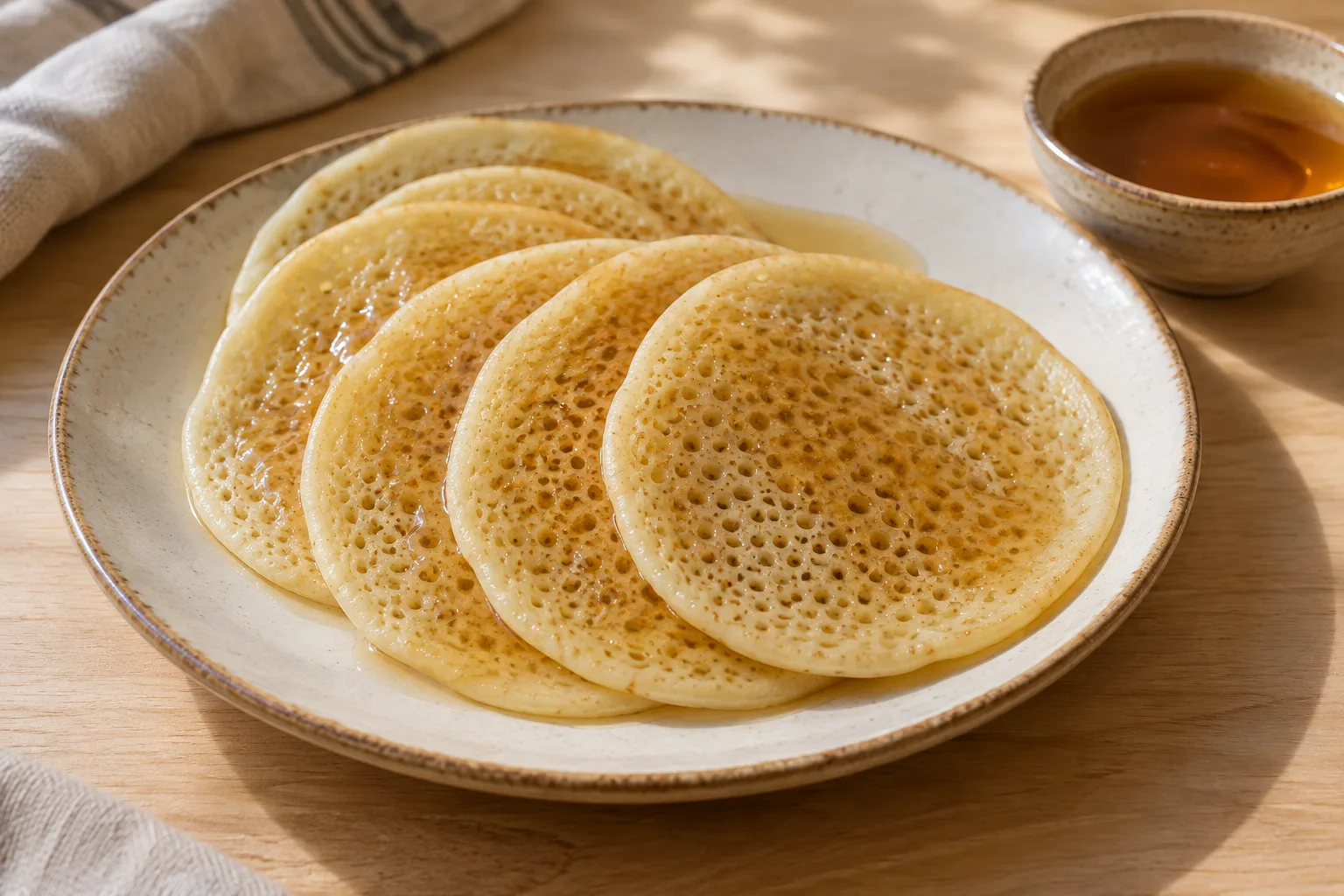
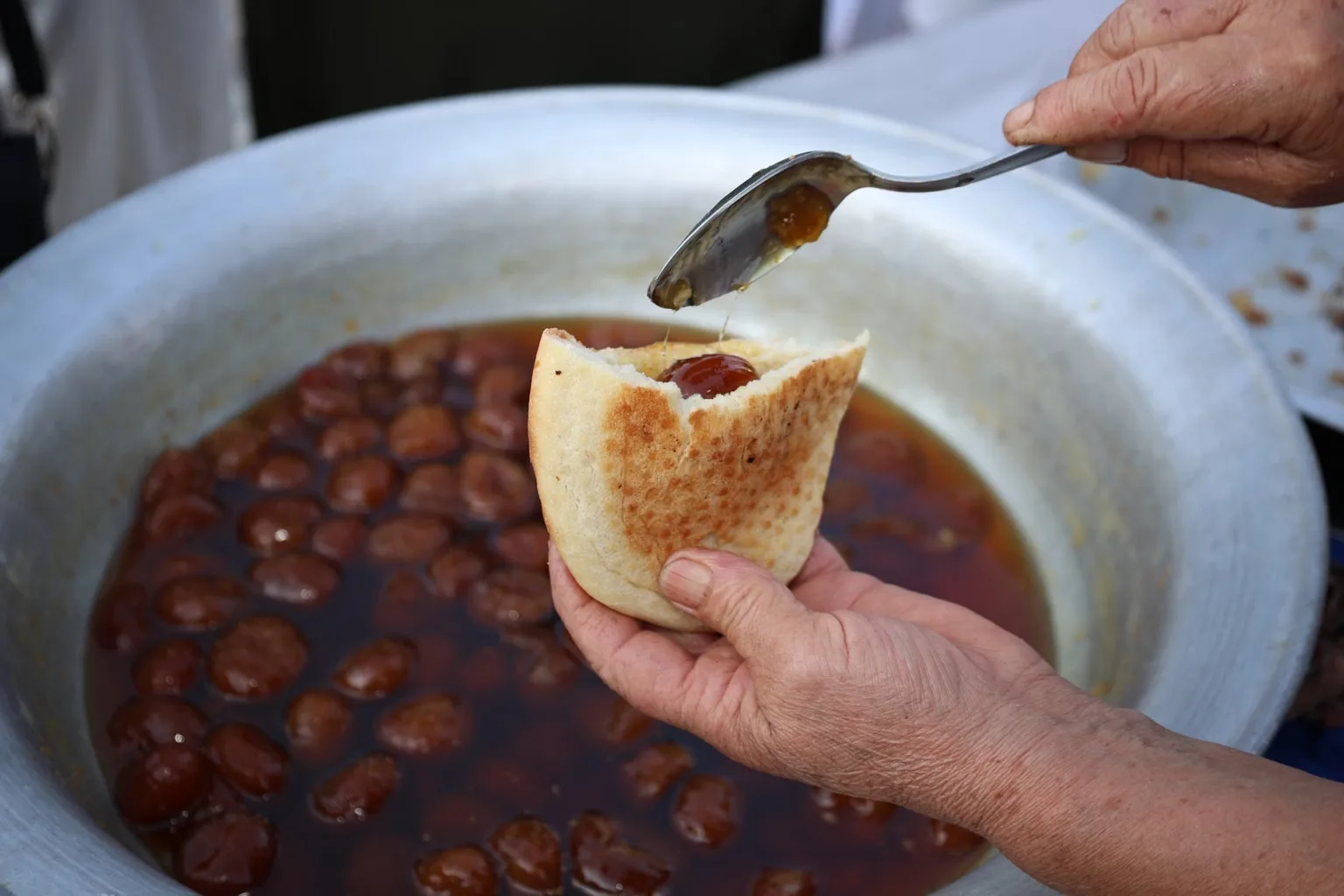
Ater, also called qater in the recipe consulted, is a sweet syrup used to coat and flavor Arabic sweets. One homemade version combines sugar, water, lemon juice, and orange blossom water, then cooks the mixture until slightly thickened. A prepared product may not follow that exact formula, so check its ingredients and consistency on the package. It is not the same as fruit preserved in syrup: here, the syrup itself is applied to sweets.
When to use it
Use it when you want to add sweetness and a syrup finish to desserts such as knafeh, baklava, or other pastry-and-nut sweets. It can be poured or drizzled over a dessert, depending on the finish you want. Since thickness and aroma can vary between recipes and brands, start with a little and taste before adding more. If the dessert is already very sweet, use the ater sparingly so it does not overwhelm the other flavors.
How to use it
Read the label first for the ingredient list and the maker’s directions. Pour a small amount over the sweet or distribute it with a spoon for more controlled coverage; add more only after tasting. Ater is described as a coating for knafeh, baklava, and other Arabic sweets made with pastry and nuts, so it can be used as a finish rather than mixed into the dough. The reference recipe flavors its syrup with lemon and orange blossom water, but prepared products do not necessarily contain either ingredient. Do not assume a particular thickness or floral aroma; check the specific product.
Flavour and texture
The defining feature is the sweetness of a sugar syrup. In the recipe consulted, lemon contributes a citrus note and orange blossom water provides a floral aroma; these notes depend on the formula and may be absent from some prepared versions. Consistency can range from pourable to slightly thick. Check the product itself before deciding how much to use, since proportions and cooking affect thickness.
How to choose it
Look for a product labeled ater, qater, or syrup for sweets, and read its ingredient list before buying. Check for lemon or orange blossom water if you specifically want those notes: the recipe described includes them, but that does not make them universal requirements. Check the stated or visible consistency and follow the maker’s directions. The available evidence does not establish one standard formula for prepared ater.
Storage
Follow the storage instructions printed on the package and reseal it as directed. The available information describes a homemade recipe covered until use, but does not establish its shelf life or show that commercial syrup is safe to keep at room temperature. Do not treat it as a preserve or assign it a storage life simply because it is sweet; consult the product label.
Substitutions
A simple sugar-and-water syrup can work as a functional alternative for sweetness and moisture, although it may not reproduce ater’s flavor profile. If you want notes similar to the reference recipe, lemon and orange blossom water can be added to a syrup; adjust to taste and check the original product’s ingredients first.
Common mistakes
Pouring on too much at once can leave a dessert overly wet or sweet. Start with a light coating and taste before adding more. Another mistake is assuming every prepared ater contains lemon or orange blossom water, or that every product has the same thickness: the cited recipe is one version, not a universal specification.
Safety and allergens
No specific official safety warning for this ingredient is provided. Check the product label, ingredients, and storage instructions; do not assume it is shelf-stable or has a particular shelf life.
Culinary uses
- Edulcorante para postres
- Acabado y baño de repostería
Recommended techniques
- Bañar o rociar dulces
- Incorporar en pequeñas cantidades y probar
Pairs well with
- Knafeh
- Baklava y otros dulces de masa y frutos secos
Frequently asked questions
What does ater mean?
It is a sweet syrup, also called qater in the recipe consulted, used to coat and flavor Arabic sweets.
Which desserts can I use it on?
The reference recipe associates it with knafeh, baklava, and other pastry-and-nut sweets.
Does all prepared ater taste of orange blossom?
That cannot be assumed. One recipe includes orange blossom water and lemon, but check the ingredients of the specific product.
Estimated nutrition
- Fat
- 2.96 g
- Saturates
- 1.68 g
- Carbohydrate
- 12.8 g
- Sugars
- 11.3 g
- Fibre
- 0.3 g
- Protein
- 3.07 g
- Salt
- 0.12 g
Sources and review
Automatically researched, cross-checked and validated content. Sources consulted:
- Client Challenge doi.org
- Cooking Food Storage | USU extension.usu.edu
- Kitchen Companion: Your Safe Food Handbook ucanr.edu
- Make Your Own Mix | Cooperative Extension Service uaf.edu
- Pampered Chef Official Site | Pampered Chef US Site i-links.illinois.edu
- Revista del Comité Científico de la ... aesan.gob.es
- Revista a¢ropecuaria mapa.gob.es
- Storing Staple Ingredients in the Kitchen extension.psu.edu
- Cooking as a College Student - Writing and Learning Center writingandlearningcenter.unc.edu
- Healing Through Food with NGI Alum Megan Huylo | Institute of Culinary Education ice.edu
- Receta de Ater (Sirope o almíbar árabe) recetasarabes.com
- ¿Qué es el almíbar? Historia y características lazayafruits.com
- Qué es el almíbar y por qué es importante esta tradición - Helios helios.es
- Almíbar. Cómo hacer almíbar, tipos y consejos abc.es