- Category
- Fruit
- State
- Fresh
- Usual unit
- Variable
What it is
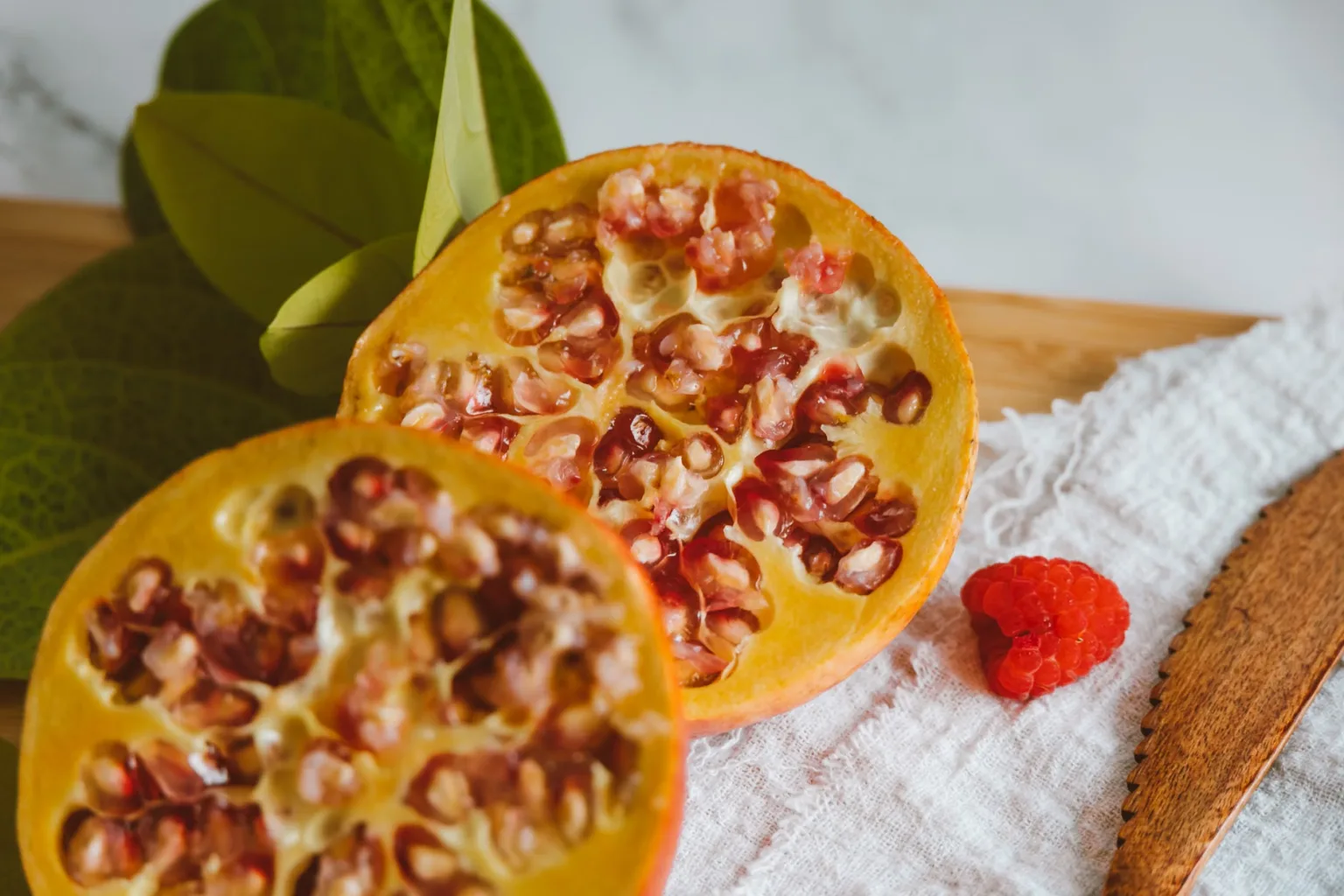
A raspberry is the fruit of a Rubus plant in the rose family, Rosaceae. What looks like one berry is made up of many small drupelets clustered around a central receptacle; each drupelet contains a tiny seed. Red raspberries are the best known, but yellow, golden, black and purple varieties also exist. The flesh is highly aromatic, and its flavor is commonly described as sweet-tart. Raspberries can be eaten fresh or made into jams, jellies, compotes, drinks, ice cream and baked goods. Their appearance, color and flavor intensity may differ with variety and growing conditions.
When to use it
Use fresh raspberries when you want an aromatic fruit with a sweet-tart contrast, such as a topping for yogurt, oatmeal, pancakes or desserts. They can also finish and perfume cakes, or bring a fruity note to salads and vinaigrettes. When the berries are very ripe, soft or broken, puréeing or cooking them is often more practical than trying to keep them whole. Frozen raspberries are another option for dishes where the shape of intact fresh fruit is not essential. Fresh availability varies with variety, location and market, so there is no single calendar that applies everywhere.
How to use it
Handle raspberries gently because they are delicate and can lose their shape. Serve them as they are, alone or with yogurt or cream; add them to oatmeal and pancakes; or use them to finish cakes and other desserts. For a drink, purée the fruit and, if you prefer a smoother texture, pass the purée through a sieve. You can also cook raspberries into jam, jelly or compote, or blend them into a fruity sauce for sweet or savory dishes. In salads, they can be an ingredient or part of a vinaigrette. If using frozen raspberries, add them to preparations where the fruit does not need to retain the shape of a fresh berry.
Flavour and texture
Raspberries have a pronounced aroma and a sweet-tart taste; the balance of sweetness and acidity can differ among varieties and individual fruit. Their texture is soft, juicy and delicate, with the small drupelets and seeds noticeable when eaten. The color is not always red: yellow, golden, black and purple varieties also exist. Puréeing produces an aromatic pulp that can be used with its seeds or strained for a smoother texture.
How to choose it
Choose raspberries that look firm and bright, with no visible mold or signs of shriveling. Because they are delicate, avoid packages with crushed or very wet fruit, and check that damaged berries are not hidden at the bottom. Color varies by variety, so ripe raspberries are not always red. If you want whole berries for decoration, look for fruit that holds its shape; softer berries can be put to use in purées or cooked preparations.
Storage
Fresh raspberries are highly perishable. Keep them refrigerated and try to use them promptly; the sources consulted report that they generally keep in good condition for about two to three days. Avoid leaving them in the sun or at room temperature for a long time. They can be frozen for longer storage. Since the fruit is fragile, handle it gently and remove any berries with visible mold or deterioration. If the package provides specific storage instructions, follow them.
Substitutions
For desserts, drinks or sauces where a red-fruit character and a sweet-tart contrast matter, try blackberries or strawberries. The result will not be identical: each fruit has its own flavor, aroma and texture, and blackberries can also vary in sweetness and acidity. In a garnish where the raspberry's shape and color are important, the substitution will be more noticeable. Adjust the quantity and balance of the recipe to suit the fruit you have.
Common mistakes
Do not assume that every raspberry must be red; varieties in other colors exist. Avoid piling up or handling the fruit roughly, since it is delicate and can be crushed. Do not buy a package without checking for shriveled, damaged or moldy fruit. Also avoid leaving raspberries in heat or at room temperature for a long time, because they are highly perishable. If a recipe depends on whole berries, do not purée them or handle frozen fruit in a way that makes it lose its shape.
Safety and allergens
The sources consulted do not identify a specific safety warning for fresh raspberries. As a general precaution, inspect the fruit and do not use berries with visible mold or deterioration. For packaged products, follow any storage and use directions given on the label.
Culinary uses
- Fresh fruit for eating as is
- Fruit ingredient for desserts and baking
- Base for jams, jellies, compotes and drinks
- Sweet-tart accent for salads and sauces
Recommended techniques
- Serve fresh
- Mash or purée
- Cook into jam, jelly or compote
- Freeze for later use
Pairs well with
- Dark chocolate
- Cream or yogurt
- Oats and pancakes
- Salads and vinaigrette
Frequently asked questions
Are raspberries always red?
No. In addition to red raspberries, yellow, golden, black and purple varieties exist. Color depends on variety and does not describe every raspberry.
How can raspberries be eaten?
Eat them fresh, on their own or with yogurt or cream, or add them to oatmeal, pancakes, salads and desserts. They can also be used for purées, drinks, jams, jellies and compotes.
How long do fresh raspberries keep?
They are highly perishable. The sources consulted say they generally keep in good condition in the refrigerator for about two to three days. They can also be frozen for later use.
Estimated nutrition
- Fat
- 0 g
- Saturates
- 0 g
- Carbohydrate
- 13.3 g
- Sugars
- 12.9 g
- Protein
- 0 g
- Salt
- 0.02 g
Sources and review
Automatically researched, cross-checked and validated content. Sources consulted:
- En el etiquetado alimentario hay algunas menciones que son obligatorias eletiquetadocuentamucho.aesan.gob.es
- Client Challenge doi.org
- Cooking Food Storage | USU extension.usu.edu
- Frambuesa: usos en la cocina y propiedades - Cocina y Come cocinaycome.com
- Las frambuesas | Naturarla | Arla naturarla.es
- Frambuesa: origen, temporada, propiedades y beneficios. frutamerca.com
- Frambuesa: Beneficios, Variedades y Usos Gastronómicos Clave flores.ninja
- Frambuesa - Información general frutas-hortalizas.com
- ¿Qué es la frambuesa? ¿Qué tipo de frutas es la frambuesa? arandanoselcierron.com
- Tipos y variedades de frambuesa | Extensión de la UMN es.extension.umn.edu
- Tipos de frambuesas y el establecimiento y cuidado de las plantas – Extensión en Español extensionesp.umd.edu
- Rhubarb: Harvest and Storage extension.sdstate.edu
- Healthy Recipes : Center for Agriculture, Food, and the Environment (CAFE) at UMass Amherst extension.umass.edu
- Growing, Cooking, and Storage of Blackberries | Blackberry Recipes uaex.uada.edu
- Frambuesa - Infoalimenta infoalimenta.com
- Frambuesa | Origen y variedades | Frutas | EROSKI CONSUMER frutas.consumer.es