- Category
- Pulses
- State
- Dry
- Usual unit
- g
What it is
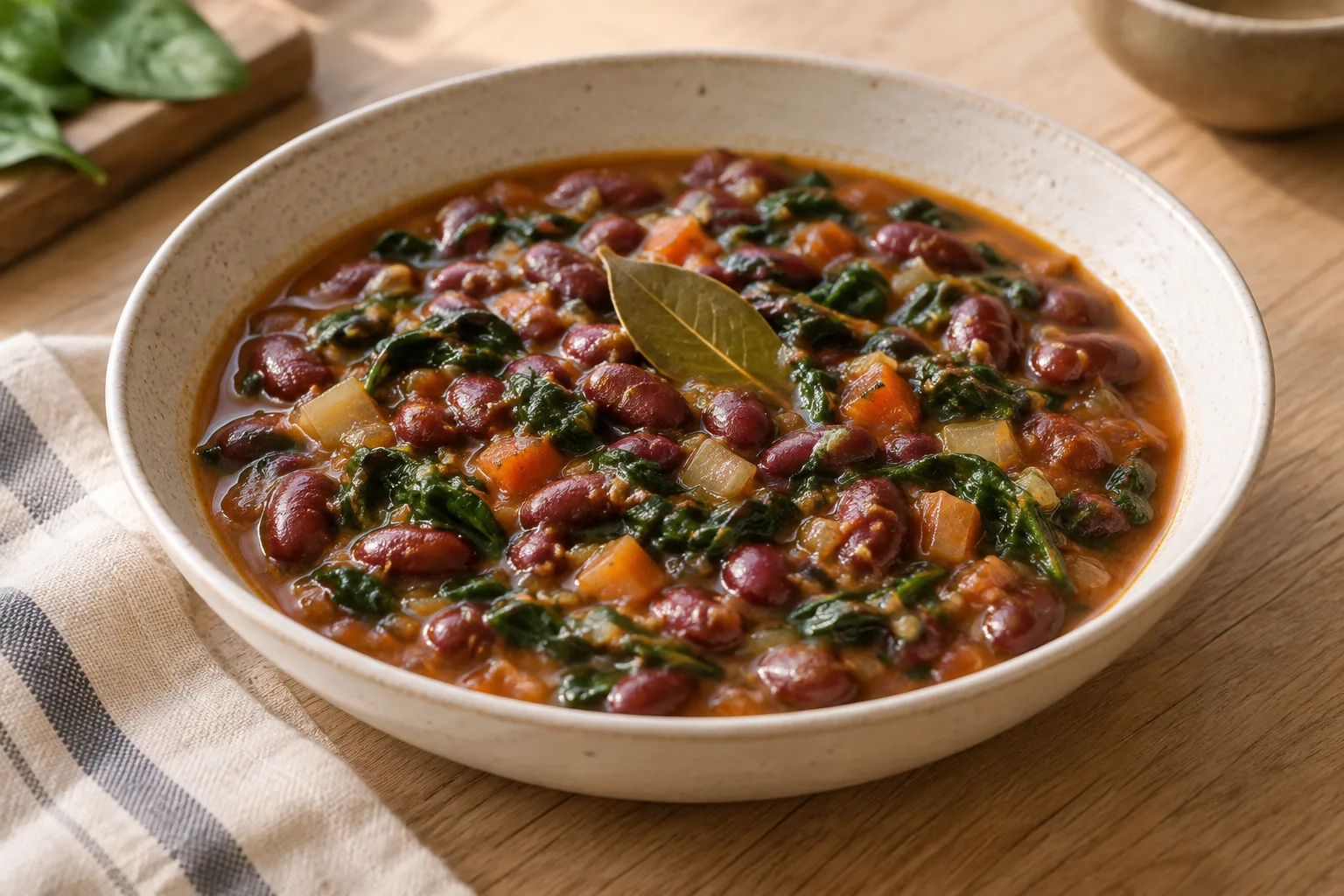
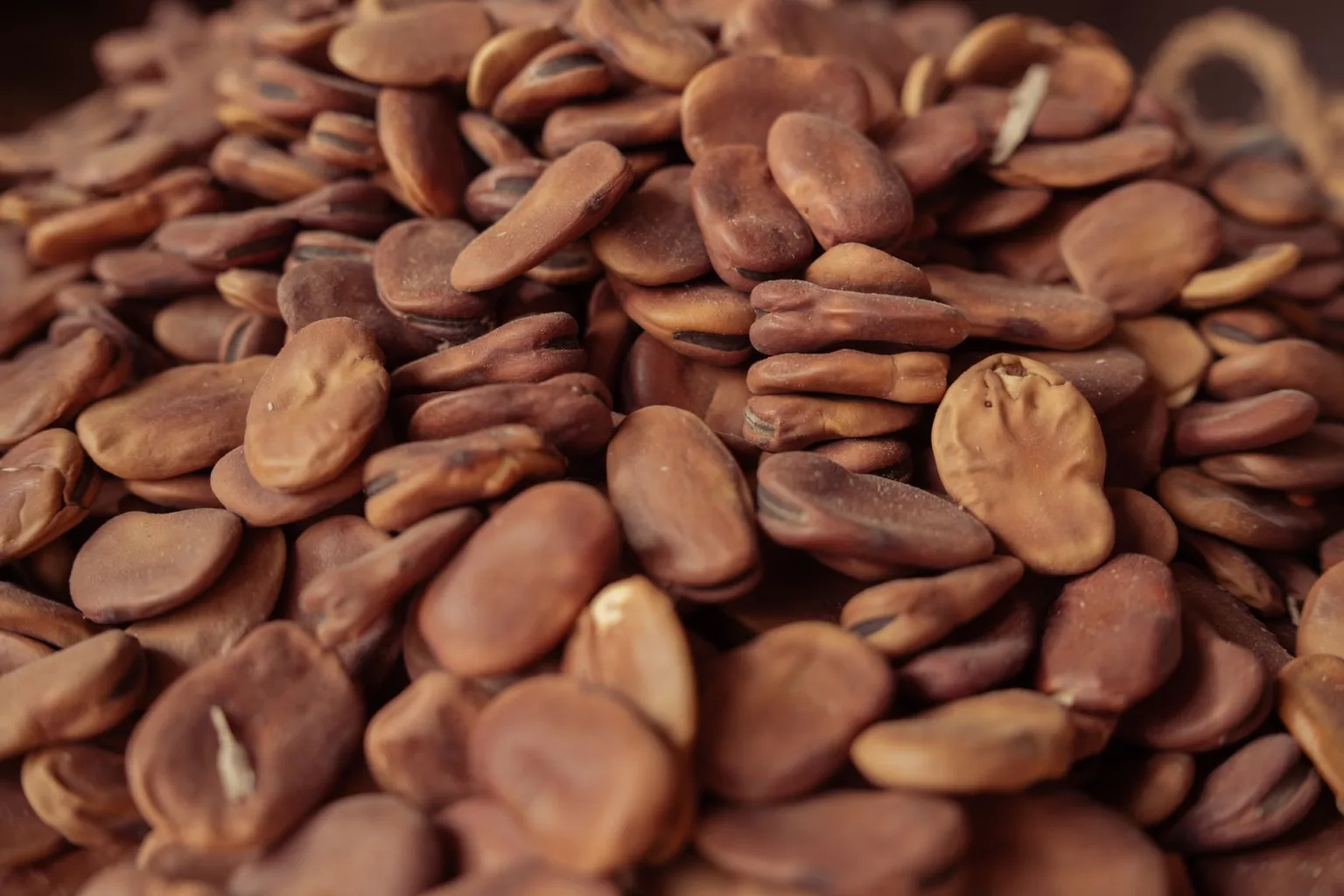
Red beans are a variety of common bean, Phaseolus vulgaris, eaten as a legume. The name can cover beans with different red or purple shades and shapes, so the exact appearance varies between products. They are sold dried and also cooked, for example in cans. This profile focuses on the dried form: beans that need preparation and cooking before eating. Cooked red beans are a convenient alternative that can be added directly to a recipe. Red beans should not be confused with pinto beans: they are different types, although both can work in some stews. Red beans appear in dishes such as chili, rajma and red beans with rice.
When to use it
Choose red beans when you want a legume to add body and pronounced color to a stew, soup or chili. They also work in rice dishes, salads or blended into a bean paste. Dried beans suit meals where you can plan for soaking and thorough cooking; ready-cooked beans make preparation simpler. Red beans can color their cooking liquid, so consider this in recipes where the appearance of the broth matters. Their uses range from hearty one-pot dishes to combinations with grains and vegetables.
How to use it
If using dried red beans, do not taste them raw or assume they are ready to eat after soaking. The available food-safety evidence calls for soaking followed by boiling; it states that boiling for at least 30 minutes helps reach a temperature sufficient to destroy the toxin discussed. Cooking at a temperature below 80 °C, as can happen in a slow cooker, is not adequate for that purpose. Do not replace the initial boil with low-temperature slow cooking. Once thoroughly cooked, add the beans to soups, stews, chili, rice dishes or salads, or blend them into a paste. Canned red beans have already been cooked and can be eaten directly from the can.
Flavour and texture
Available descriptions characterize red beans as mild or slightly sweet, though their profile can vary by variety and product. Once cooked, they are tender and can give soups and stews a creamy texture. Their strong color may transfer to the cooking liquid and darken the broth. Pinto beans are not identical: they are often described as more floury and more pronounced in flavor, so do not assume that every red bean has exactly the same texture or intensity.
How to choose it
Check whether the product is dried or already cooked, since preparation and immediate use differ. For dried beans, look for packaging that clearly identifies the product and beans that appear consistent with the type offered. Red beans can vary in shape and shade, so differences in size or color alone do not establish a specific variety. For cooked beans, check the package to confirm they are ready to use, and read the ingredients and any allergen notice provided by the manufacturer.
Storage
Available guidance for a dried bean sold loose recommends an airtight container in a cool, dry place protected from direct light. This profile does not give a storage duration because the supplied evidence does not establish one that applies to every product. For packaged cooked beans, follow the label. One cited commercial product advises refrigerating its contents after opening and using them within three days; that advice is specific to that product and should not automatically be applied to every brand or preparation.
Substitutions
Pinto beans can replace red beans in stews or chili, and black beans can work in chili or rice dishes. A swap changes the color, flavor and possibly the texture of the finished dish: pintos are described as more floury and black beans as more intense in flavor. Follow the appropriate safety method for the form you choose; dried beans need thorough cooking and are not interchangeable with ready-cooked canned beans in preparation.
Common mistakes
Do not confuse soaking with safe cooking: dried red beans must be boiled after soaking. Do not rely on slow cooking below 80 °C as the only cooking method. Also, do not assume all red beans are identical; size, shade, flavor and texture can vary. Always distinguish dried beans from beans that are already cooked.
Safety and allergens
Dried red beans may contain phytohaemagglutinin. The available information, which cites guidance from the U.S. Food and Drug Administration, calls for soaking and boiling; it specifies boiling for at least 30 minutes and warns that a temperature below 80 °C, as in some slow cookers, may be insufficient. Do not eat dried beans raw or undercooked. The cited canned red beans have already been cooked and can be eaten directly from the can.
Culinary uses
- Base de guisos, sopas y chili
- Acompañamiento de arroz y otros cereales
- Ingrediente para purés o pastas de alubia
Recommended techniques
- Remojar y después hervir por completo cuando se parte de alubias secas
- Añadir ya cocidas a sopas, guisos o ensaladas
- Triturar las alubias cocidas para preparar una pasta
Pairs well with
- Arroz
- Tomate y verduras en guisos
- Chorizo en potajes
- Especias y otros ingredientes de chili
Frequently asked questions
Can I eat dried red beans after soaking them?
No. Soaking does not replace cooking: the available information says to boil red beans after soaking and not to eat them raw or undercooked.
Can I cook dried red beans in a slow cooker?
Do not rely on a temperature below 80 °C as the only cooking method. The available information warns that this may not destroy the toxin and calls for a thorough boil.
Do canned red beans need to be cooked?
The available information says canned red beans have already been cooked and can be eaten directly from the can. Follow the specific product instructions.
Estimated nutrition
- Fat
- 1.33 g
- Saturates
- 0 g
- Carbohydrate
- 61.3 g
- Sugars
- 2.67 g
- Fibre
- 14.7 g
- Protein
- 22.7 g
- Salt
- 0.03 g
Sources and review
Automatically researched, cross-checked and validated content. Sources consulted:
- ¿Por qué la muerte es origen de miedos y tabúes? doi.org
- Client Challenge doi.org
- Las alubias o habichuelas: origen, variedades, beneficios y recetas para cocinar la legumbre más extendida del mundo directoalpaladar.com
- Variedades y recetas de alubias hola.com
- Alubia roja - Wikipedia, la enciclopedia libre es.wikipedia.org
- ¿Cuántos tipos de alubias hay? | Fine Dining Lovers finedininglovers.es
- Alubias Negras: Descubre el Secreto Nutritivo y Versátil que Revoluciona tu Cocina - Restaurante Marcos restaurantemarcos.es
- Alubias Rojas: Un Pilar de la Gastronomía Segoviana | Actualizado diciembre 2024 asadorinazares.es
- Descubre cuántos tipos de alubias existen y cómo se preparan clubdelicatessen.com
- Alubia Morada Larga o Alubia Roja Riñón - Slow Shop granel slowshopgranel.es
- ▷ ¿Cuántos tipos de alubias hay? | Como Cocinar y Comer comococinarocomer.com
- Alubias Rojas Cocidas Ecológicas 400gr ⋆ Bionsan bionsan.com
- Gastronomía de la provincia de Valencia - Wikipedia, la enciclopedia libre es.wikipedia.org