- Category
- Vegetables
- State
- Fresh
- Usual unit
- unit
What it is
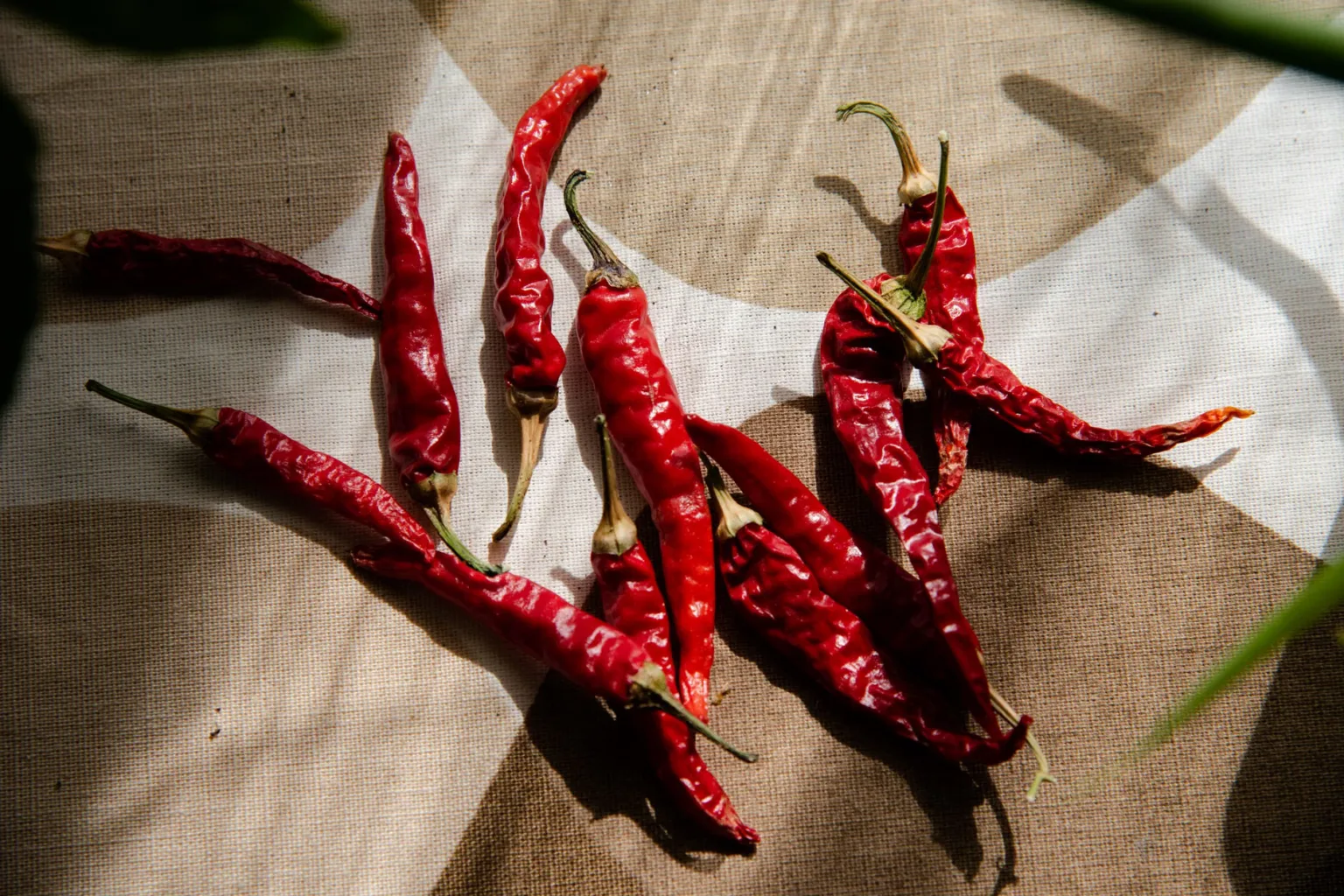
Fresh red chili is the ripe, fresh fruit of a plant in the Capsicum genus. The name covers different varieties, not one single type with a uniform size or heat level. Some chiles eaten green can also ripen to red. Depending on the variety, a chili may be mild or very hot, so color alone cannot predict its intensity. Chiles are used fresh, and some are also sold dried, frozen or canned. This profile is about fresh red chili, not chili powder or a spice blend.
When to use it
Use it when you want to add heat and fresh chile flavor to a recipe, such as a sauce, stew or dish made with other ingredients. Since heat varies widely between varieties, start with a small amount if you do not know the chile and taste before adding more. It can be used in raw or cooked preparations; choose the method to suit the recipe and the intensity you want. Do not assume that every red chili is a particular variety or that all red chiles have the same heat.
How to use it
Wash and dry the chili before preparing it. Chop it and add it raw to a sauce, or stir it into a dish that will be cooked. You can also roast or blister it: heat blisters the skin, making it easier to remove, and softens the flesh, which can then be chopped or added to the recipe. To adjust the heat, remove some of the inner ribs and taste the result, since these areas contain capsaicin glands in hot chiles. Add chili gradually because varieties differ in intensity. When handling it, avoid touching your eyes and wash your hands thoroughly afterwards.
Flavour and texture
Fresh red chili can bring noticeable heat and distinctive chile flavor, but its intensity depends greatly on the variety. The flesh is fresh and substantial; roasting can blister the skin and soften the flesh. Do not use red color as a reliable measure of heat: identify the variety or taste a small amount cautiously.
How to choose it
Choose mature chiles that are firm and heavy for their size, with smooth skin and a fresh appearance. Avoid pods that are shriveled, soft, bruised or moldy. Variety affects size and, especially, heat. If heat matters to your recipe, ask which variety it is or taste a small amount before using it.
Storage
Keep fresh chili in a plastic bag in the refrigerator. If you roast it, cool it promptly and use or freeze it within the safety guidance for roasted chiles. To freeze, pack it whole or chopped in freezer-safe wrapping or a suitable container. Do not apply storage instructions for dried or canned chiles to fresh chili.
Substitutions
You can substitute another fresh chili, but do not assume it will have the same heat: varieties range from mild to very hot. Rehydrated dried chile may also work in some recipes, although it changes the texture and character of the dish. Add an alternative gradually and adjust to taste rather than assuming an exact one-for-one match.
Common mistakes
A common mistake is judging heat by color or size alone; intensity varies by variety. It is also easy to add too much before tasting the dish. Do not confuse fresh chili with chili powder or a spice blend, and avoid touching your eyes while preparing it.
Safety and allergens
When handling hot chiles, wear gloves if needed and avoid touching your eyes or face. Wash your hands and utensils thoroughly after cutting them. Cool roasted chiles promptly and refrigerate or freeze them without delay.
Culinary uses
- Aportar picor y sabor a salsas y guisos
- Añadir un toque de chile fresco a platos variados
Recommended techniques
- Picar y añadir crudo
- Asar o tatemar para ablandar la piel y sumar notas tostadas
- Freír o cocinar dentro de una receta
Pairs well with
- Tomate y cebolla en salsas
- Otros chiles, ajustando el picor al gusto
Frequently asked questions
Are all red chiles very hot?
No. Some varieties are mild and others very hot; red color alone does not tell you the heat level.
How can I reduce the heat?
Remove some of the inner ribs and start with a small amount. Taste the dish before adding more.
Can I use it raw or roasted?
Yes. It can be chopped and used raw, or roasted to blister the skin and soften the flesh. Choose the method that suits the recipe.
Estimated nutrition
- Fat
- 0.44 g
- Saturates
- 0.04 g
- Carbohydrate
- 8.81 g
- Sugars
- 5.3 g
- Fibre
- 1.5 g
- Protein
- 1.87 g
- Salt
- 0.02 g
Sources and review
Automatically researched, cross-checked and validated content. Sources consulted:
- Client Challenge doi.org
- Agencia Española de Seguridad Alimentaria y Nutrición aesan.gob.es
- El chile, ingrediente esencial en la cocina de México - Formacion en Gastronomia formacionengastronomia.com
- New Mexico Favorites- Chile and Pecans | New Mexico State University - BE BOLD. Shape the Future. pubs.nmsu.edu
- How to Preserve Chiles | USU extension.usu.edu
- Chile Rojo en Polvo — Open Spice Box openspicebox.com
- Tipos de Chiles Secos Mexicanos: Características y Usos abarrotes.es
- Chile ucanr.edu
- Processing Roasted Chile Peppers – Food Smart Colorado foodsmartcolorado.colostate.edu
- Salsa de Chile II (Spanish) - National Center for Home Food Preservation nchfp.uga.edu
- informe anual de indicadores - agricultura, pesca y alimentación servicio.mapa.gob.es
- Preserving Red Chile - Bernalillo County Extension Office bernalilloextension.nmsu.edu
- New Mexico Red Chile Sauce - Mount Holyoke Menus menu.mtholyoke.edu
- La historia del chile en la gastronomía mundial | Recetas Mexas recetasmexas.com