- Category
- Vegetables
- State
- Fresh
- Usual unit
- unidades
What it is
A fresh red pepper is the edible fruit of a plant in the Capsicum genus and is commonly used as a vegetable in cooking. Red color indicates a ripe pepper, which is generally sweeter than a green one. Peppers come in different shapes and sizes, and their flesh can vary in thickness, so individual specimens do not all behave alike. Do not confuse the fresh fruit with paprika: paprika is a dried, ground seasoning made from peppers, whereas this ingredient is the fresh pepper itself. Red peppers can be used in both cold and cooked dishes.
When to use it
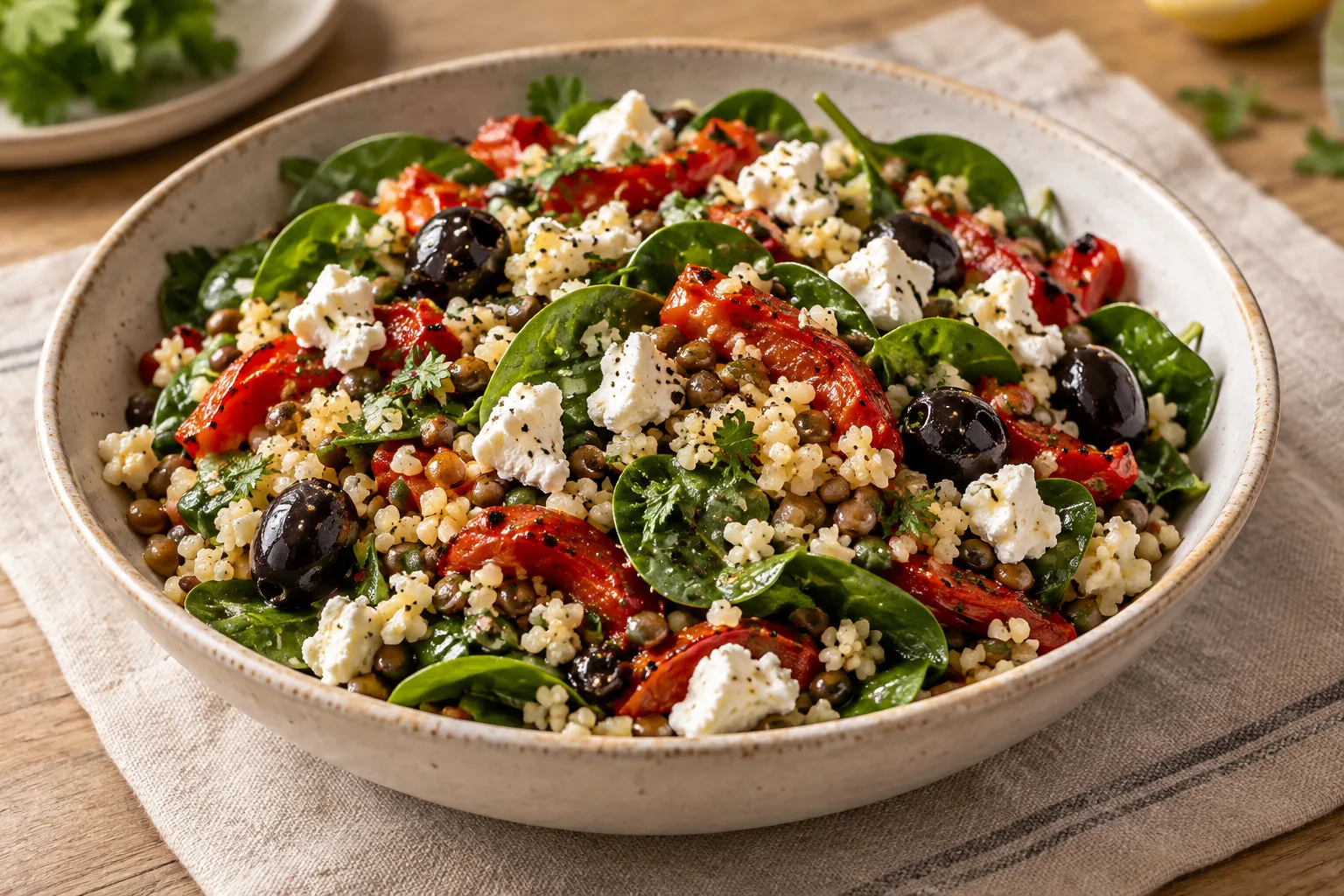
Use red pepper raw when you want to add color, moisture and a crisp texture to a salad or another cold dish. Cook it when you prefer softer flesh and a sweeter taste: roasted pepper works as a side or in warm salads, while sautéed pepper can go into a vegetable base or stew. Its shape also makes it suitable for use as a vessel for stuffing. Since variety and flesh thickness affect the result, choose a pepper with the intended preparation in mind.
How to use it
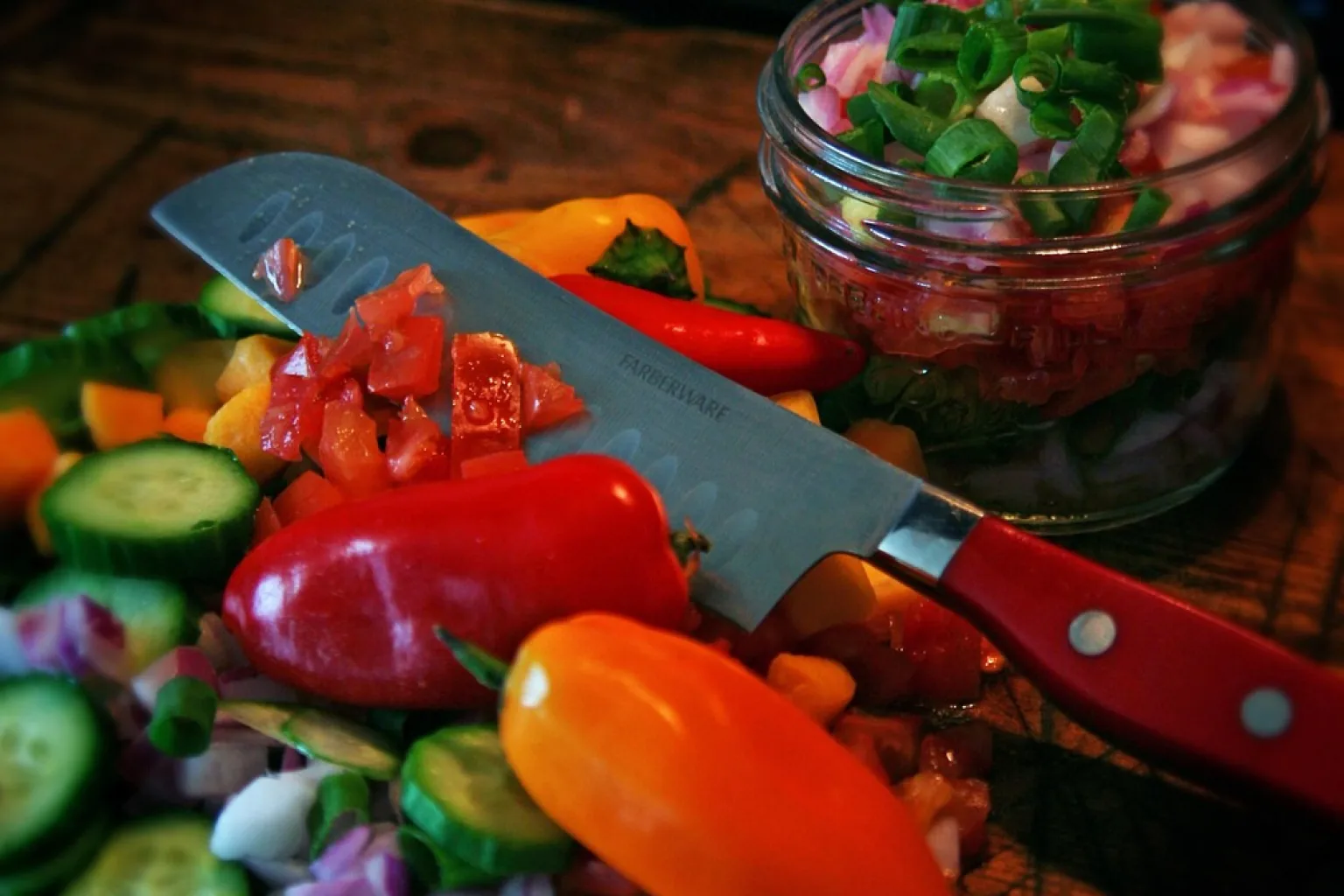
Wash the pepper and cut it to suit the dish. For raw preparations, remove the stem, seeds and any inner parts you do not want, then slice or dice the flesh for salads. To roast it, cook it whole or open and deseeded; the skin may then come away more easily. You can also cut it into strips or dice for sautéing, frying, or adding to a vegetable base or stew. For stuffing, keep a shape that can hold the filling and cook the dish according to its recipe. The evidence does not establish universal cooking times or temperatures; these depend on the pepper’s size, the method and the desired result.
Flavour and texture
Red peppers are generally sweet and aromatic, with moist, crisp flesh when raw. Cooking softens their texture and can make their sweetness more noticeable; roasting can also give them a deeper character. Flesh thickness, shape and variety affect these qualities, so not every pepper behaves the same way in a pan or oven.
How to choose it
Choose a pepper that looks firm and has no visible damage if you plan to slice it raw, stuff it or roast it whole. Consider size and flesh thickness for the intended use: a thick-fleshed pepper can be practical for stuffing, while a thinner-fleshed one can be cut for sautéing. Color alone does not determine how it will cook, and varieties can differ in sweetness and texture.
Storage
Keep the pepper fresh and follow the package’s storage instructions when provided. If buying it loose, avoid leaving it exposed to heat or knocks, and check its condition before use. The available evidence does not establish one universal storage duration or temperature for every pepper; ripeness, condition and presentation can vary.
Substitutions
A green or yellow pepper can replace red pepper when the recipe allows a change in color and flavor. Green peppers are generally less sweet and more vegetal; yellow peppers may taste milder. Match the choice to the dish: the color change will be clear in a salad, and cooking can also affect the finished sweetness and character.
Common mistakes
Do not confuse fresh red pepper with paprika: paprika is a dried, ground seasoning, not a direct substitute for the fresh fruit. Do not assume that all peppers have the same flesh thickness, sweetness or texture. A thin-fleshed pepper may not be the best choice for stuffing, and a roasted pepper will not retain the crisp texture of a raw one.
Safety and allergens
If the pepper is sold packaged, follow the storage and use instructions on its label. Mandatory food information can vary with the product’s presentation and method of sale.
Culinary uses
- Ingrediente crujiente para ensaladas y platos fríos
- Base aromática y vegetal para sofritos y guisos
- Guarnición, ingrediente para asar o pieza para rellenar
Recommended techniques
- Consumir crudo, lavado y cortado
- Asar y, si se desea, retirar la piel después
- Saltear o freír
- Rellenar y cocinar
Pairs well with
- Cebolla y berenjena
- Tomate y calabacín
- Atún y aceite de oliva
- Carne, arroz o legumbres como relleno
Frequently asked questions
Is a fresh red pepper the same as paprika?
No. A fresh red pepper is the whole fruit; paprika is a ground seasoning made from dried peppers.
Can red peppers be eaten raw?
Yes. They can be sliced for salads and other cold dishes, or roasted, sautéed, fried or stuffed.
What can I use instead of a red pepper?
A green or yellow pepper can work, although it will change the color and may change the dish’s sweetness and vegetal flavor.
Estimated nutrition
- Fat
- 12.8 g
- Saturates
- 1.56 g
- Carbohydrate
- 6.57 g
- Sugars
- 4.28 g
- Fibre
- 1.8 g
- Protein
- 1.04 g
- Salt
- 0.05 g
Sources and review
Automatically researched, cross-checked and validated content. Sources consulted:
- En el etiquetado alimentario hay algunas menciones que son obligatorias eletiquetadocuentamucho.aesan.gob.es
- Client Challenge doi.org
- Pimentón - Wikipedia, la enciclopedia libre es.wikipedia.org
- Variedades de pimientos más populares y algunas recetas con ellos hola.com
- Artes culinarias/Ingredientes/Pimiento - Wikilibros es.wikibooks.org
- Pimiento rojo - Florette florette.es
- Pimiento: Variedades (Rojo, Verde, Padrón), Propiedades y Cultivo frutamerca.com
- El pimiento rojo:¿ una verdura o un condimento? - Grupo Gastronómico El Almirez ggelalmirez.com
- Pimientos: variedades y usos en cocina - CocinoPedia.com cocinopedia.com
- Recetas fáciles con pimiento rojo: 3 ideas rápidas y sabrosas anchoasdeluxe.com
- Las mejores recetas con pimiento rojo · El cocinero casero elcocinerocasero.com
- Aesan - Agencia Española de Seguridad Alimentaria y Nutrición aesan.gob.es
- Pimentón: qué es, tipos y usos en la cocina citopendia.es
- La guía definitiva para hacer pimientos asados directoalpaladar.com
- Tipos de pimientos: todo lo que necesitas saber de este alimento | El arte de comer bien | mentta mentta.com
- Maridajes con caramelizados. ¡Triunfo asegurado esta Navidad! - IBSA ibsabierzo.com
- Recetas con pimiento rojo: deliciosas y sorprendentes cookpad.com
- Pimiento rojo y verde, el dúo que transforma tu cocina - concadelatordera.com concadelatordera.com