- Category
- Bread and dough
- State
- Fresh
- Usual unit
- unit
What it is
Puff pastry is a dough made of thin layers separated by fat; when baked, the layers expand and become crisp. Refrigerated puff pastry is sold ready to use, but ingredients and product characteristics can differ between brands. General descriptions of puff pastry include flour and fat, but do not assume every refrigerated product uses butter or has the same composition: read its ingredient list. Puff pastry is also not automatically interchangeable with filo pastry, which is much thinner and made in a different way.
When to use it
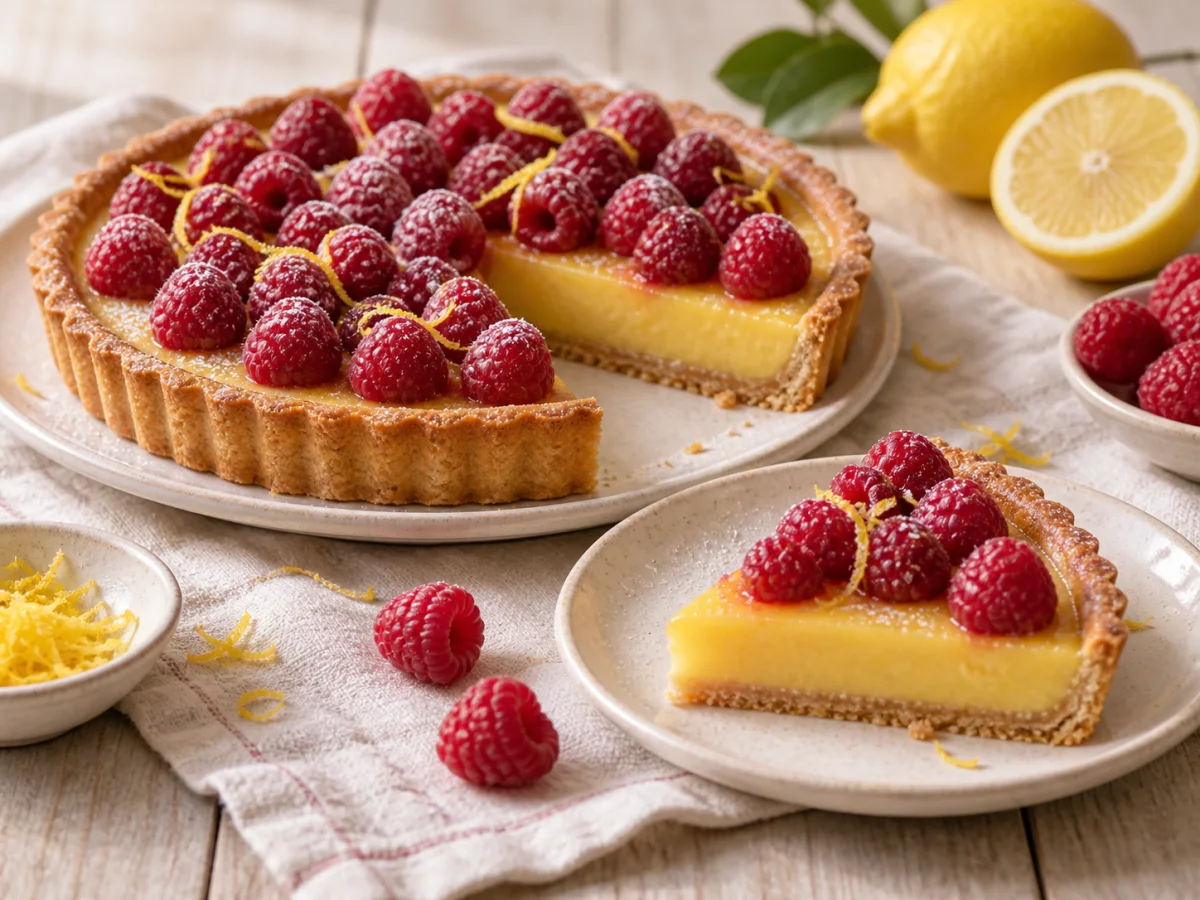
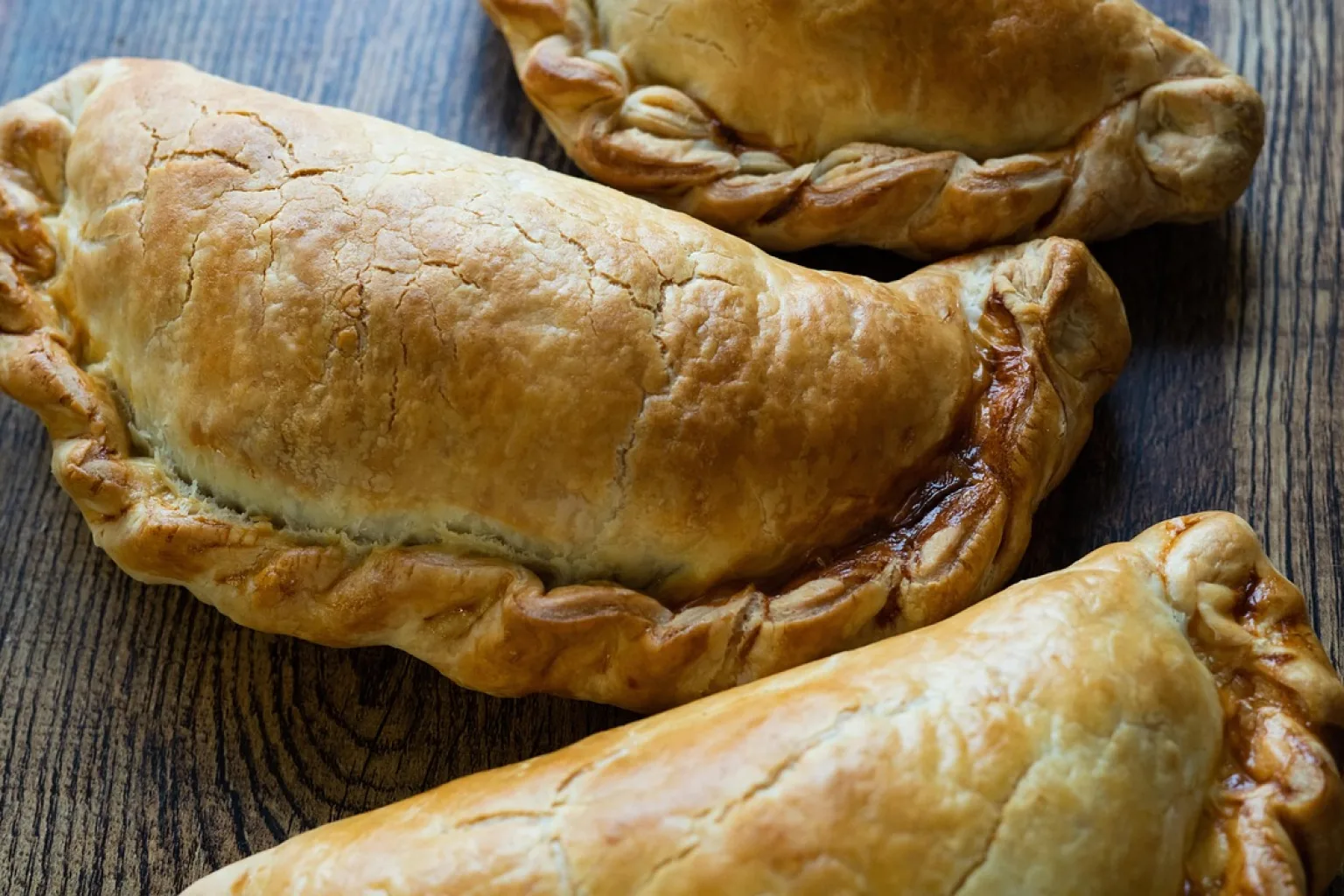
Use it when you want a layered pastry base or a wrapper for a filling, in either sweet or savory dishes. It can be used for tarts, tartlets, turnovers, small pastries, and filled bakes, as well as simple pastry shapes. Choose a different dough if you want a compact, non-layered base or a much thinner sheet. Check that the product suits your recipe and follow its directions, since products and ingredients vary.
How to use it
Start by checking the package directions, including handling, baking, and storage instructions; products are not all the same. Unroll or roll out the pastry carefully to avoid tearing, then use it as a base or wrap it around a sweet or savory filling. Shape it as your recipe directs and bake according to the specific product instructions and recipe. The available evidence does not establish one universal baking time or temperature. For a suitable result, do not treat puff pastry as filo or as a compact dough: its layers are central to its character.
Flavour and texture
Puff pastry generally has a mild flavor that works with sweet or savory fillings. Its defining feature is its layered structure: baking makes it crisp and light in contrast to a compact dough. The exact flavor can vary with the fat and other ingredients used by each manufacturer, so check the label if you have a particular flavor or ingredient in mind.
How to choose it
Choose a package clearly identified as refrigerated puff pastry, then check the ingredient list, allergen information, and directions for use. Manufacturer instructions may matter for handling and baking that specific product. Do not assume it contains butter or is free from soy, egg, or other allergens: these details depend on the product. Also check that the package format suits your recipe.
Storage
Store the pastry according to the directions printed on its package; specific conditions and shelf life depend on the product and cannot be generalized. Check the stated date and storage and use instructions before opening. Follow any special conditions listed on the package. Do not automatically apply advice for frozen or homemade puff pastry to a refrigerated product.
Substitutions
Shortcrust pastry can stand in when you want a more compact base without puff pastry's distinct layers. Filo pastry is another option for some preparations, but it is much thinner and handled differently, so it will not give the same result. Choose according to the texture and structure you want rather than assuming these doughs can be swapped without changes.
Common mistakes
Do not assume all brands have the same ingredients, allergens, or directions. Avoid replacing puff pastry with filo while expecting the same thickness and result, or with shortcrust while expecting puffed layers. Do not invent a universal baking time: follow the package and recipe. Handle the pastry gently to avoid tearing its sheets.
Safety and allergens
Check the package for allergens, the date, and storage and use directions. Composition can differ between brands, so do not assume an allergen is absent without checking the label. When cooking for someone with an allergy or intolerance, verify the specific product information rather than relying on a general description.
Culinary uses
- Base for sweet or savory tarts and pastries
- Wrapping or enclosing fillings in baked parcels
Recommended techniques
- Roll or unfold gently, following the package directions
- Fill, shape, and bake according to the product label and recipe
Pairs well with
- Fruit, cream, or chocolate for sweet preparations
- Vegetables, meat, or cheese for savory preparations
Frequently asked questions
Can I use it for both sweet and savory recipes?
Yes. It can serve as a base or wrapper in either kind of dish; the filling and shape depend on the recipe.
Can I replace it with filo pastry?
Filo can be chosen for some dishes, but it is much thinner and gives a different texture. It is not an identical substitute.
Does every refrigerated puff pastry contain butter?
Do not assume so. Ingredients vary by product, so check the package ingredient list.
Sources and review
Automatically researched, cross-checked and validated content. Sources consulted:
- En el etiquetado alimentario hay algunas menciones que son obligatorias eletiquetadocuentamucho.aesan.gob.es
- ¿Por qué la muerte es origen de miedos y tabúes? doi.org
- Hojaldre - Wikipedia, la enciclopedia libre es.wikipedia.org
- Masa de Hojaldre: Origen, Usos y Tipos Principales para tu receta recetasdecocinamundial.com
- El Hojaldre: Origen, Historia y Usos en la Cocina ladespensadelospostres.com
- La masa de hojaldre y su reinado - Escuela de Turismo escuelaturismopirineos.com
- Masa de hojaldre congelada HACENDADO (Mercadona) el blog de las marcas blancas blogmarcasblancas.com
- Descubre todos los tipos de masas | Nestlé Cocina nestlecocina.es
- Tipos de hojaldre, tipos y sus principales características estudiahosteleria.com
- Guía completa sobre el hojaldre: tipos, diferencias y origen codezero.es
- Descubre los Secretos de la Masa de Hojaldre: Usos, Almacenamiento y Más - Senderuelo senderuelo.es
- Cómo hacer masa hojaldre - Cravings Journal es.cravingsjournal.com
- Descubre Técnicas de cocina: Hojaldre | Recetas Nestlé recetasnestle.com.ec
- 51 Recetas con masa de hojaldre rápidas y fáciles de hacer nuevoestilo.es
- Cómo se hace la masa de hojaldre | Recetas Nestlé recetasnestle.cl
- Cómo se hace la masa de hojaldre | Recetas Nestlé recetasnestle.com.pe