- Category
- Grains, flour and pasta
- State
- Dry
- Usual unit
- g
What it is
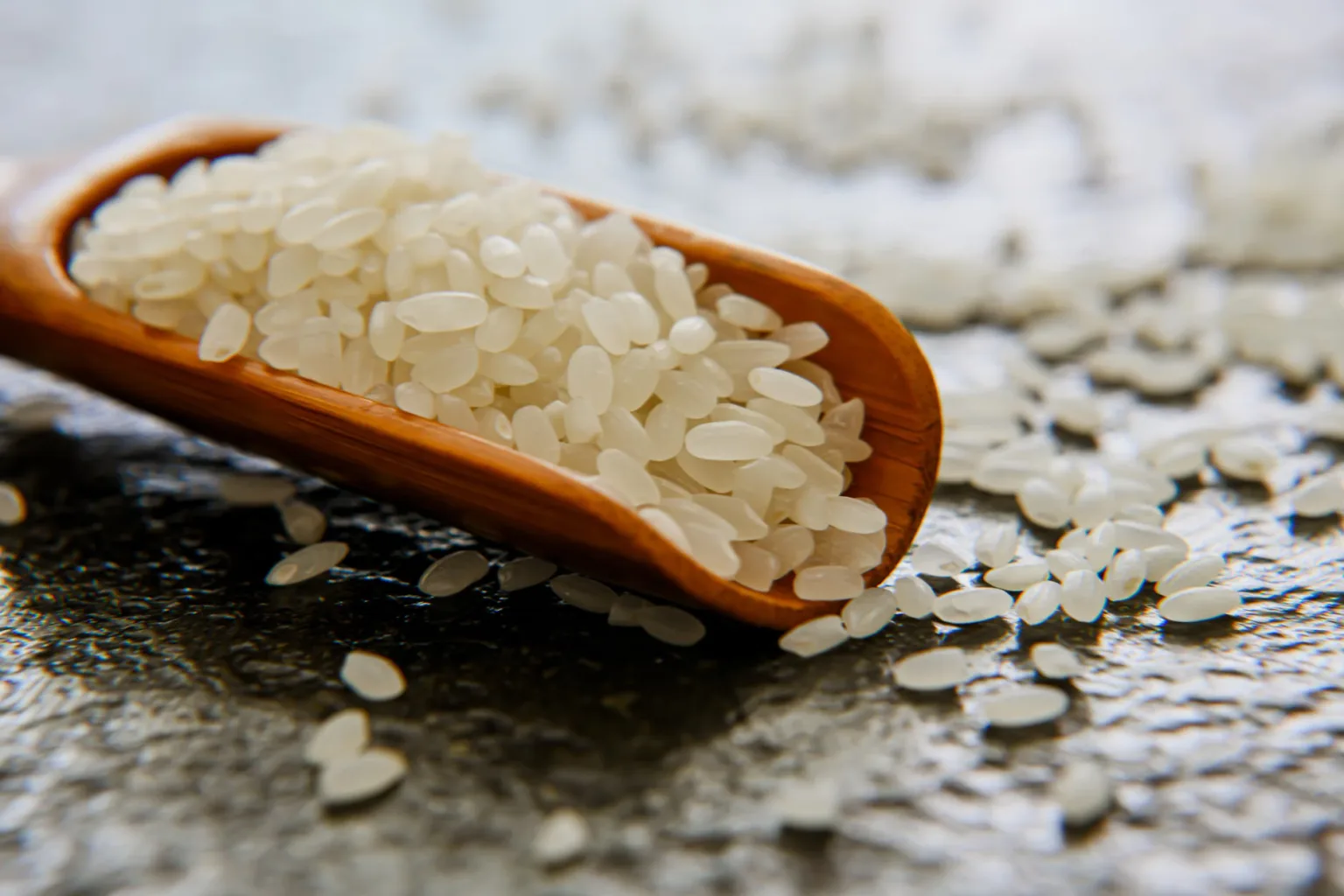
Rice vermicelli are long, very thin noodles made mainly from rice or rice starch and water. Some formulations may include other starches, so check the ingredient list rather than assuming every brand has the same composition. They are not the same as Italian wheat vermicelli or other Asian noodles made from different starches: the shapes may be similar, but the ingredients and texture are not necessarily alike. They are sold in different widths and forms, including dried, fresh and frozen. Dried noodles generally need soaking, hydration or cooking before they are added to a dish. Because thickness and processing vary, there is no single preparation method that suits every package.
When to use it
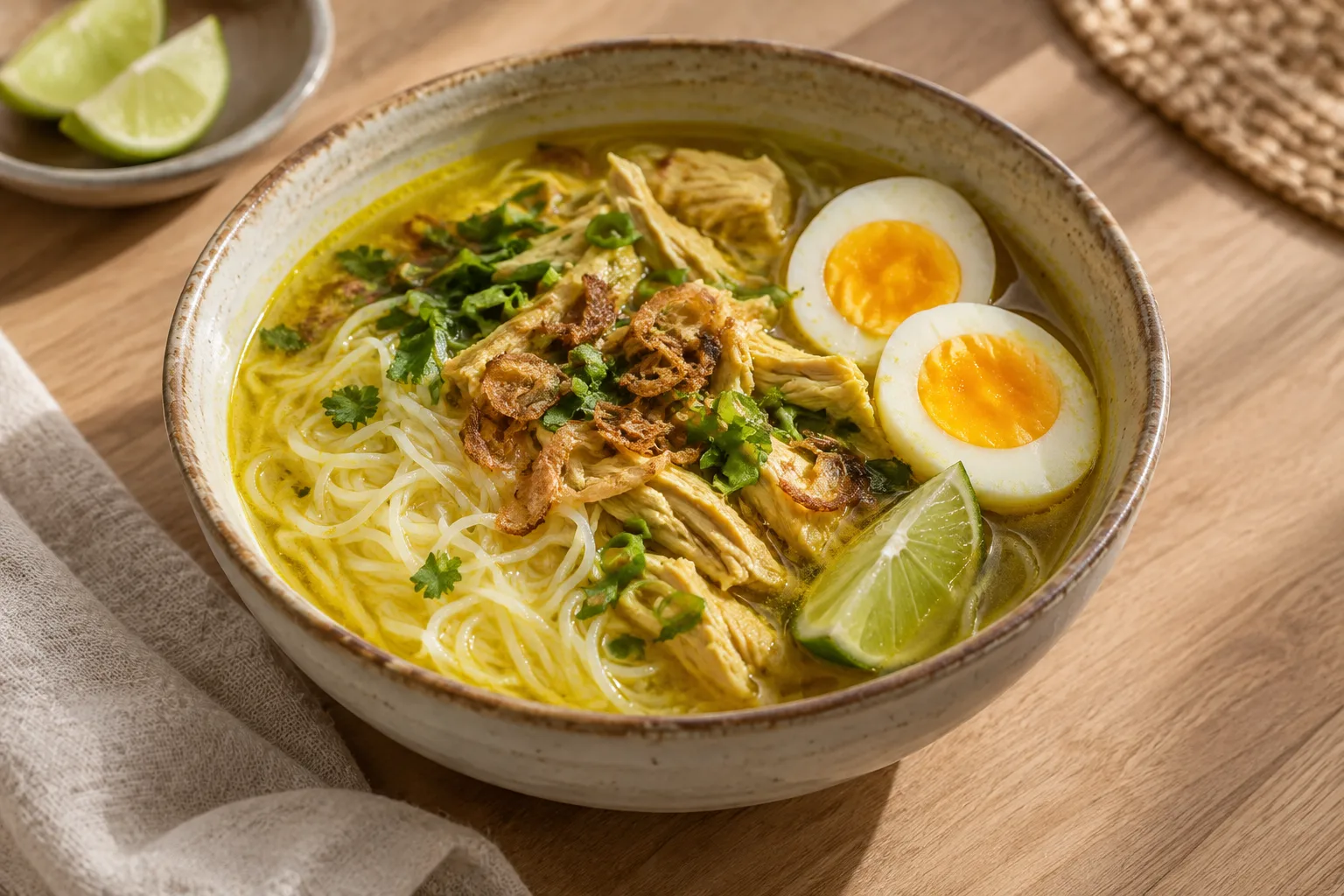
Use them when you want a fine noodle that can be combined with vegetables, proteins and sauces or served in broth. They work in soups, stir-fries and noodle salads, and can also be included in rolls. Their delicate shape is useful when a recipe calls for fine strands rather than broad pasta. Choose a thickness and form that suit the dish, and check the package before cooking: products do not all require the same soaking or cooking method. If adding them to soup, put them in close to serving time so they do not remain in hot liquid longer than needed.
How to use it
Read the package directions first and follow the method given for that product. Depending on the noodles, they may need soaking or hydration, or they may be boiled; drain them before combining with the other ingredients. Do not assume there is one universal cooking time: thickness, form and processing differ between products. For a stir-fry, prepare the vegetables and other accompaniments first, then add the hydrated or cooked noodles near the end and toss gently to distribute the sauce. For soup, add them to the broth near serving time. For a salad, drain them well before dressing and combine with vegetables, herbs, protein or your chosen seasonings. Do not add them dry to a dish without checking the manufacturer's instructions.
Flavour and texture
Their flavor is generally mild, so they take well to broth, sauces and seasonings. Texture depends on the noodle and how it is prepared: it can be tender and flexible, while excessive soaking or cooking can make it too soft or sticky. Thickness also changes the eating experience; fine vermicelli do not feel the same as wider rice noodles. Brands may differ in ingredients and processing, so follow the package directions and check the texture before mixing the noodles into a delicate dish.
How to choose it
Look for a product clearly identified as rice vermicelli or rice noodles and check the ingredients: some similar-looking thin noodles are made from wheat or other starches. Products may be dried, fresh or frozen, and their thickness varies; choose a form that suits your recipe and preferred preparation. Check that the package is intact and read the cooking directions before buying, especially if you need a particular texture or format. If you need to avoid an ingredient, do not rely on the name or appearance alone; check the product label.
Storage
Store the product according to its package directions, which can differ for dried, fresh and frozen forms. Keep the package closed and avoid storing the noodles in conditions other than those recommended by the manufacturer. Fresh noodles are more perishable than dried ones; pay attention to the date and the specific directions once the package is opened. The available evidence does not establish one storage period or temperature for every form, so do not infer one from the ingredient name alone.
Substitutions
Other rice noodles can replace them when a recipe allows for differences in width and texture; check and adjust the preparation according to the substitute's package. Wheat vermicelli may work in some dishes, but it is no longer rice vermicelli and has a different composition. Do not automatically substitute noodles made from soy starch or other starches: their main ingredient and behavior may change the result. If the recipe depends on very fine strands, wider noodles will change the balance of noodle and sauce.
Common mistakes
Do not assume every vermicelli noodle is made from rice: the name is also used for fine pasta made from other grains or starches. Another mistake is using the same method or cooking time for every brand, since thickness, form and instructions vary. Do not leave the noodles in soup longer than necessary or stir them vigorously once tender, as they may soften further or break. Finally, do not assume that one brand's ingredient list describes another brand.
Safety and allergens
Check the label for ingredients and follow the manufacturer's handling and storage directions, especially for fresh or frozen products. Similar appearance is not proof of identical ingredients. For home-canned soup, do not add noodles or pasta before canning: Penn State Extension advises adding them when preparing and serving the soup, not before canning.
Culinary uses
- Base para sopas y caldos
- Componente de salteados y ensaladas
Recommended techniques
- Hidratar o remojar según el envase
- Hervir y escurrir
- Incorporar a sopas cerca del momento de servir
- Saltear junto con otros ingredientes
Pairs well with
- Verduras y setas
- Pollo, carne, pescado o marisco
- Caldo y hierbas frescas
- Salsa de soja y condimentos de sabor intenso
Frequently asked questions
Are all vermicelli noodles made from rice?
No. Vermicelli can also refer to fine wheat pasta and noodles made from other starches. Check the package ingredients.
Should I boil or soak rice vermicelli?
That depends on the product. Follow the package directions, since thickness and form can change the preparation needed.
What dishes can I make with rice vermicelli?
They can be used in soups, stir-fries and noodle salads, and in other preparations such as rolls. Choose accompaniments to suit the dish.
Can I add them to soup that I plan to home-can in jars?
Penn State Extension advises not adding rice or pasta to soup before home canning. Add the noodles when you prepare and serve the soup.
Estimated nutrition
- Fat
- 1 g
- Saturates
- 0 g
- Carbohydrate
- 82 g
- Sugars
- 0 g
- Fibre
- 4 g
- Protein
- 8 g
- Salt
- 0.08 g
Sources and review
Automatically researched, cross-checked and validated content. Sources consulted:
- ¿Por qué la muerte es origen de miedos y tabúes? doi.org
- The Essential Glossary of Cooking Terms for the Culinary Arts - Escoffier escoffier.edu
- Los alimentos como medicina: la dieta antiinflamatoria | Children's Hospital of Philadelphia chop.edu
- UCCE efforts improve quality of and demand for fresh ... ucanr.edu
- Fideo de arroz - Wikipedia, la enciclopedia libre es.wikipedia.org
- The traditional food of migrants scholar.smu.edu
- Vamos a Conservar Alimentos: Sopas extension.psu.edu
- Safe & Healthy Food Pantries Project - Health & Well-Being health.extension.wisc.edu
- Measuring Palatability as a Linear Combination of Nutrient ... digitalcommons.murraystate.edu
- Colonoscopy: How to prepare with GoLytely - Health Online healthonline.washington.edu
- Vermicelli | Gastronomía & Cía gastronomiaycia.com
- Vermicelli de Arroz con Verduras Salteadas - Cilantro and Citronella cilantroandcitronella.com
- Vermicelli: propiedades y beneficios en la cocina de los fideos asiáticos ideales para hacer platos de pasta más ligeros directoalpaladar.com
- Los fideos de arroz marcwiner.com
- Vermicelli con pollo y verduras. Receta sana y fácil recetasdecocina.elmundo.es
- Vermicelli de vegetales (fideos de arroz) – Cocinando con "Costilla" cocinandoconcostilla.wordpress.com