- Category
- Fruit
- State
- Fresh
- Usual unit
- unit
What it is
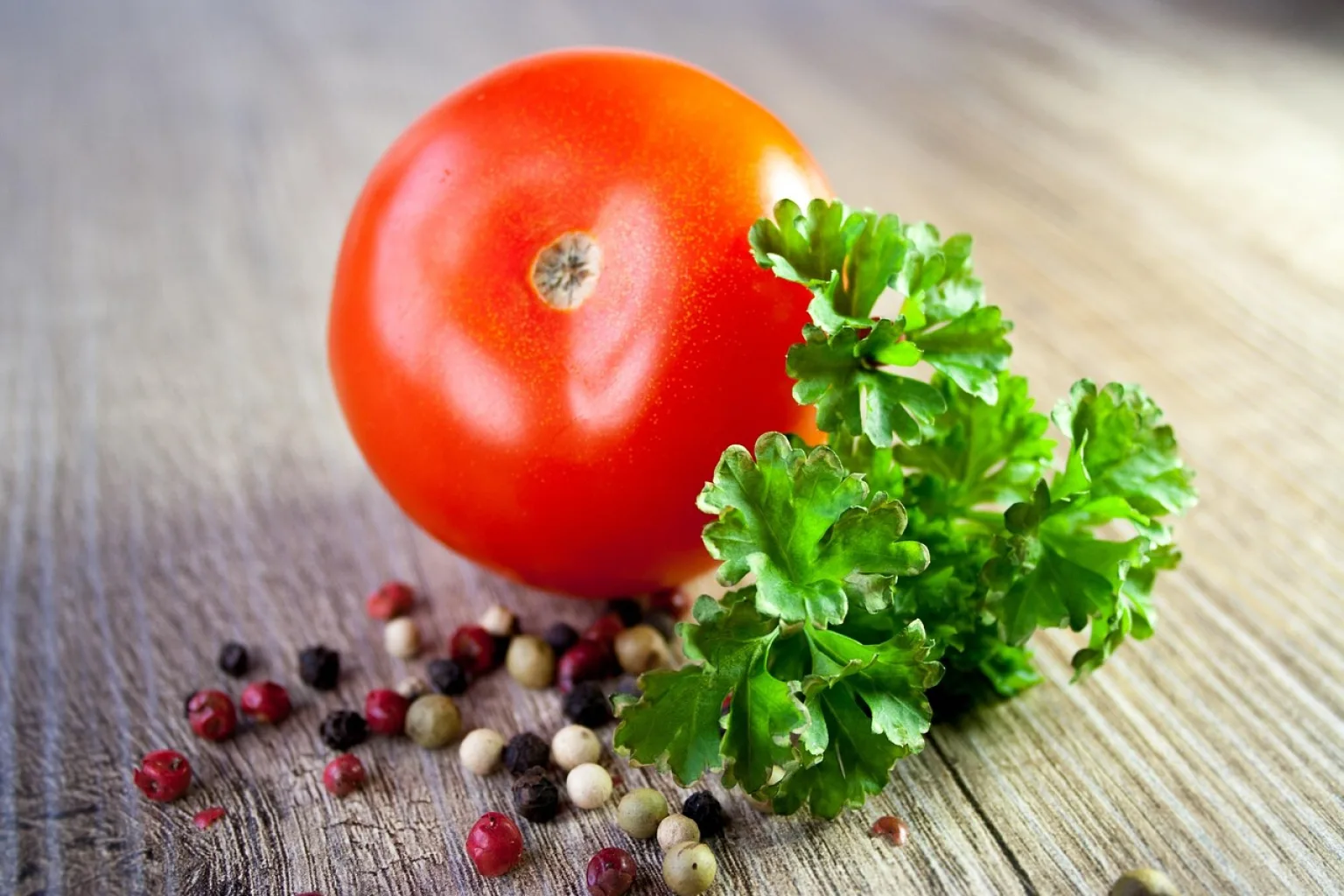
A Roma tomato is an elongated, oval type of tomato, also called a plum or paste tomato. Like other tomatoes, it is botanically a fruit, although it is commonly treated as a vegetable in cooking. Sources describe Roma or paste tomatoes as meaty, with few seeds and less moisture than some slicing tomatoes; these traits can help produce thicker cooked preparations. Appearance, firmness and flavor vary with variety, growing conditions and handling, so individual tomatoes will not all be identical.
When to use it
Choose Roma tomatoes when you want firm flesh for a sauce, sofrito or stew, especially if you prefer a less watery result than one made with a slicing tomato. They also work in fresh dishes: dice or slice them for bruschetta, salads or sides. For raw preparations, select fruit that is ripe and firm to suit your preference. The available evidence does not establish a fixed season for Roma tomatoes; fresh tomato availability depends on location and growing method.
How to use it
Rinse the tomato under running water before cutting it. For a fresh dish, remove the stem and dice or slice the fruit; combine it with basil, onion and olive oil, or use it in bruschetta. For a sauce or stew, chop it and cook it gently until it reaches the consistency you want. It can also be roasted or grilled. The meaty flesh of Roma and paste tomatoes generally makes thicker sauces than that of juicier tomatoes. If preserving tomatoes at home by canning, follow a tested recipe for the specific product and do not change its proportions or process.
Flavour and texture
Tomatoes can offer both sweet and tart notes, with flavor affected by variety and ripeness. Roma tomatoes are generally distinguished by abundant, relatively firm flesh and few seeds, and tend to be less watery than slicing tomatoes. That texture suits cooked preparations, though individual fruit can vary.
How to choose it
Look for tomatoes with color typical of their variety, smooth skin and a firm appearance, without bruised, wrinkled or cracked areas. A slight give when gently pressed can indicate ripeness, depending on your preferred texture. Choose fruit that seems suited to its planned use: firm tomatoes for slicing or cooking, and ripe tomatoes for a more developed flavor. Oval shape alone does not guarantee quality.
Storage
Handle tomatoes gently and store them according to their ripeness. An extension guide recommends ripening tomatoes that are not yet ready at room temperature, away from direct sunlight. Once ripe, they can be kept in a cool place; refrigeration slows spoilage but may make them softer or mealy and reduce flavor. Wash them just before serving or preparation.
Substitutions
For sauces and cooked dishes, another plum or paste tomato is a close alternative because of its firm flesh and similar culinary use. Canned tomatoes can also work in a cooked sauce, but add liquid and have a different texture; adjust the recipe to suit the product and desired consistency. Do not assume alternatives can be swapped in equal amounts.
Common mistakes
Avoid choosing soft, cracked or heavily bruised tomatoes when you need pieces that hold their shape after cutting. Do not assume every Roma tomato has the same flavor or moisture level. Avoid refrigerating tomatoes before they ripen if you want them to continue ripening; cold storage can affect texture and flavor.
Safety and allergens
Rinse tomatoes under running water before cutting, and do not use soap or detergent. For home canning, follow a tested tomato recipe and do not improvise ingredients or processing: acidity varies, and Roma shape alone does not make a canned product safe.
Culinary uses
- Salsa y sofrito
- Ingrediente para bruschetta, ensaladas y guisos
Recommended techniques
- Cortar y servir crudo
- Asar o cocinar a fuego lento para salsas
Pairs well with
- Albahaca
- Cebolla
- Aceite de oliva
Frequently asked questions
Is a Roma tomato a fruit or a vegetable?
Botanically it is a fruit; in cooking, it is commonly used as a vegetable.
What dishes are Roma tomatoes best for?
Their meaty, relatively low-moisture flesh is useful in sauces, stews and other cooked dishes. They can also be served fresh, including in bruschetta.
How should I store Roma tomatoes?
Let unripe tomatoes ripen at room temperature away from direct sunlight. Once ripe, keep them in a cool place; refrigeration slows spoilage but can affect texture and flavor.
Estimated nutrition
- Fat
- 0 g
- Saturates
- 0 g
- Carbohydrate
- 29.4 g
- Sugars
- 29.4 g
- Fibre
- 0 g
- Protein
- 0 g
- Salt
- 2.2 g
Sources and review
Automatically researched, cross-checked and validated content. Sources consulted:
- Client Challenge doi.org
- Tomate - Wikipedia, la enciclopedia libre es.wikipedia.org
- Tomate Italiano: Historia, Variedades y Usos en la Cocina | Casa Longini 🇮🇹 Productos Italianos casalongini.com
- Los 6 mejores tipos de tomate y cómo usarlos en cocina mercadosantamariadelacabeza.es
- Tomatoes | UC Master Food Preserver Program of Orange County ucanr.edu
- All About Tomatoes | Institute of Culinary Education ice.edu
- Comité Científico aesan.gob.es
- USDA FoodData Central libguides.marist.edu
- | National Center for Home Food Preservation nchfp.uga.edu
- tomato - FoodLink - Purdue Extension extension.purdue.edu
- Canning Tomatoes and Tomato Products | UNL Food | Nebraska food.unl.edu
- Preserve Smart apps.chhs.colostate.edu
- Tomatoes | Food Preservation | Illinois Extension | Illinois extension.illinois.edu
- Selecting, Storing, and Serving Ohio Tomatoes | Ohioline ohioline.osu.edu
- Preserving vegetables: Tomatoes extension.oregonstate.edu
- ¡Bienvenidos! – Contadina contadina.mx
- Tomate Roma: cultivo, riego y cosecha en 75 días plotmygarden.com