- Category
- Drinks
- State
- Liquid
- Usual unit
- ml
What it is
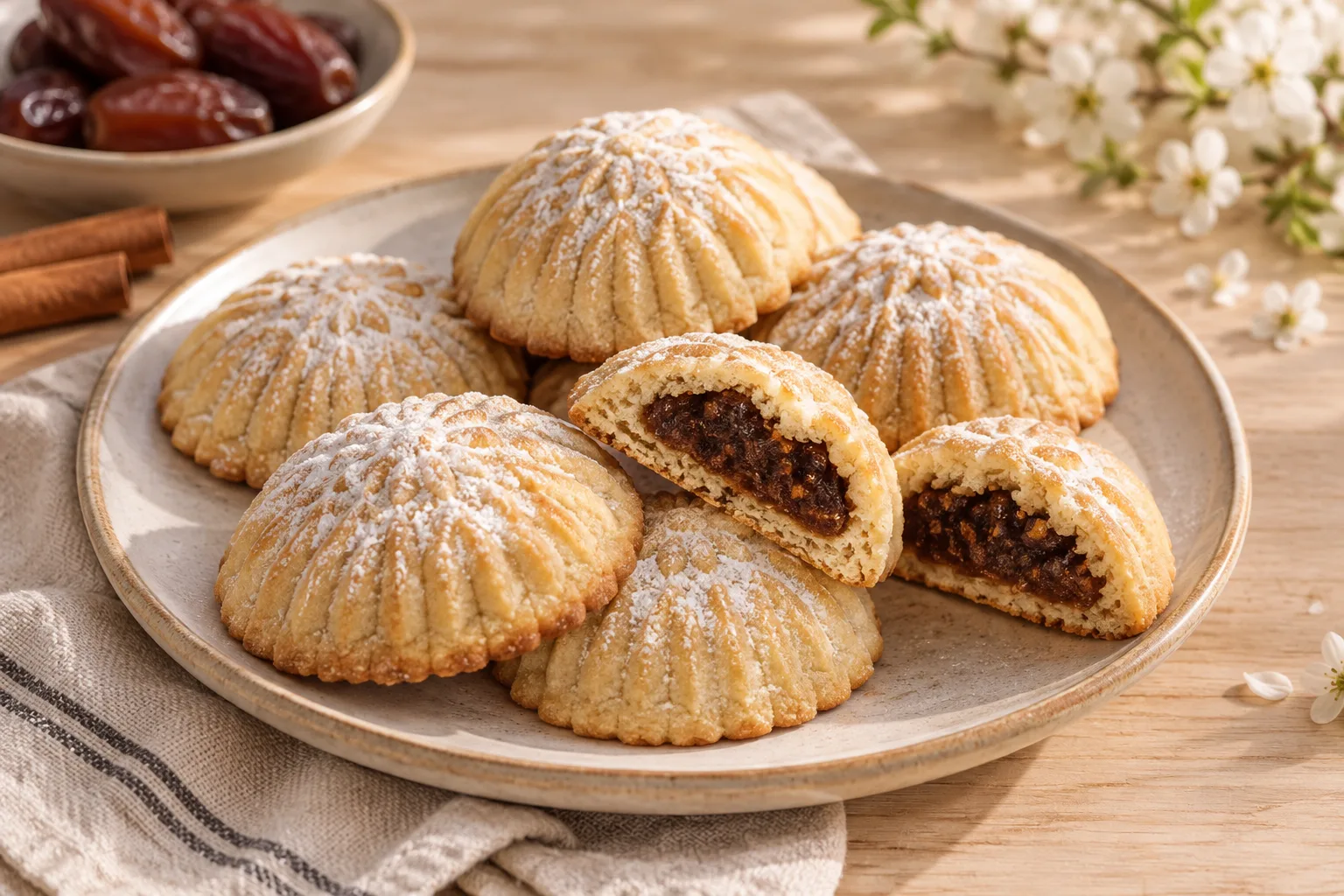
Rose water is an aromatic liquid associated with rose petals and used as a culinary ingredient. It is important to distinguish rose water sold for cooking from scented or cosmetic products that are not labeled for food use. Its floral aroma can be added to sweets, desserts, drinks and some savory preparations. The culinary examples available include rose water in a jelly filling for macarons and in sweet dough; other descriptions mention flavoring fruit, salads and meat dishes. Aroma strength can vary between products, so start with a small amount and adjust to taste. Rose water is not the same ingredient as rose petals or rose syrup: those are distinct products, and syrup also adds sweetness.
When to use it
Use it when you want a noticeable floral note in a dessert, drink or preparation that suits delicate aromas. It can be added to jellies and fillings, sweet doughs, sweets with nuts, drinks and fruit salads. Culinary descriptions also include salads and meat dishes, so its use is not limited to baking. Choose a preparation where the aroma can be appreciated, and begin with a small amount: too much can make the food taste overly perfumed. If you want sweetness alone, rose water will not provide it by itself.
How to use it
Check that the product is labeled for food use and follow the directions on its packaging. Add a little at first and taste before increasing the amount, since aroma strength can vary from one product to another. Stir it into a jelly or filling, such as a macaron filling, or incorporate it into sweet dough. For drinks, add it and stir to distribute the aroma; for fruit, salads or other preparations, add it gradually and taste as you go. It has also been used to flavor savory dishes such as salads and meat, but start cautiously so it does not mask other flavors. If you use rose syrup instead, remember that it is not a neutral replacement because it also sweetens.
Flavour and texture
Its defining feature is a floral rose aroma that perfumes a preparation. As a liquid ingredient, it blends readily into doughs, fillings and drinks. Aroma intensity and character can differ between products, so there is no universal amount that suits every recipe. If overused, it can dominate the other flavors; begin with a little and taste before adjusting.
How to choose it
Choose a product clearly labeled for food use, not one intended for perfumery or cosmetics. Check the product name and package directions to confirm it can be added to food. Aroma strength may vary, so choose a product you can measure carefully and try a small amount before using it in a full recipe. If the label does not clarify culinary use, choose another product.
Storage
Follow the storage instructions and date provided by the manufacturer, since the available evidence does not establish one rule for every brand or formulation. Keep the container closed and do not use the product if its smell or appearance changes unexpectedly. Do not assume that storage directions for one product apply to another; check its own label.
Substitutions
Orange blossom water can add a floral aroma to similar preparations, although its profile is not identical to rose. Rose syrup can also provide floral character, but it sweetens as well as flavors, so consider reducing other sweeteners in the recipe. If rose is central to the result, these alternatives will change the profile; the available sources do not establish an exact replacement for rose water.
Common mistakes
Adding too much at once can leave a dominant floral aroma; start with a little and taste. Another mistake is treating a cosmetic or scented product as suitable for cooking, so check the label. Do not replace it automatically with rose syrup without accounting for its sweetness, and do not assume all brands have the same aroma strength.
Safety and allergens
Use only a product whose label says it is suitable for food, and follow the manufacturer's directions. Do not use cosmetic or perfumed rose water in food. The supplied evidence contains no specific official food-safety warning for this ingredient.
Culinary uses
- Aromatizante floral para dulces y postres
- Aromatizante para bebidas y preparaciones saladas
Recommended techniques
- Incorporar en pequeñas cantidades a mezclas, geles y rellenos
- Añadir para perfumar masas y preparaciones líquidas
Pairs well with
- Frutas frescas y frutos rojos
- Dulces, pasteles y macarons
- Té y otras bebidas
- Ensaladas y platos de carne
Frequently asked questions
Is rose water only for desserts?
No. It is used in sweets and drinks, and culinary descriptions also mention flavoring salads and meat dishes. Start with a small amount so the aroma does not dominate.
Can I use cosmetic rose water in cooking?
Do not use it unless the label clearly says it is suitable for food. Scented or cosmetic products should not be treated as culinary ingredients.
What can I use instead of rose water?
Orange blossom water can add a different floral aroma to similar preparations. Rose syrup may also work, but it adds sweetness as well as aroma.
Estimated nutrition
- Fat
- 0 g
- Saturates
- 0 g
- Carbohydrate
- 0 g
- Sugars
- 0 g
- Protein
- 0 g
- Salt
- 0 g
Sources and review
Automatically researched, cross-checked and validated content. Sources consulted:
- ¿Por qué la muerte es origen de miedos y tabúes? doi.org
- The Essential Glossary of Cooking Terms for the Culinary Arts - Escoffier escoffier.edu
- Comité Científico aesan.gob.es
- 4-H FCS Skill-a-thon Foods and Cooking ID texas4-h.tamu.edu
- ALBARICOQUE mapa.gob.es
- Elevate the Conversation Hearts with Macarons | Institute of Culinary Education ice.edu
- How do I find a recipe? - Pi(e) Day - Research Guides at Virginia Tech guides.lib.vt.edu
- Honey Recipes in the Archives | CSUN University Library library.csun.edu
- Szathmary Culinary Manuscripts - Special Collections - The University of Iowa Libraries lib.uiowa.edu
- Structure and Motivation: Reading Historic Cookbooks | Gastronomy Blog sites.bu.edu
- Cooking from the Collections: More sweet treats! – Unbound blog.library.si.edu
- COLLECTION: Indian Recipes (2 of 2) cs.cmu.edu
- Ingredientes: Agua de rosas. – Balansiya balansiya.com
- Agua de Rosas: qué es, para qué sirve y su uso | Anadeana anadeana.es
- Agua de rosas – La Instigadora Culinaria lainstigadoraculinaria.wordpress.com