- Category
- Herbs and spices
- State
- Dry
- Usual unit
- g
What it is
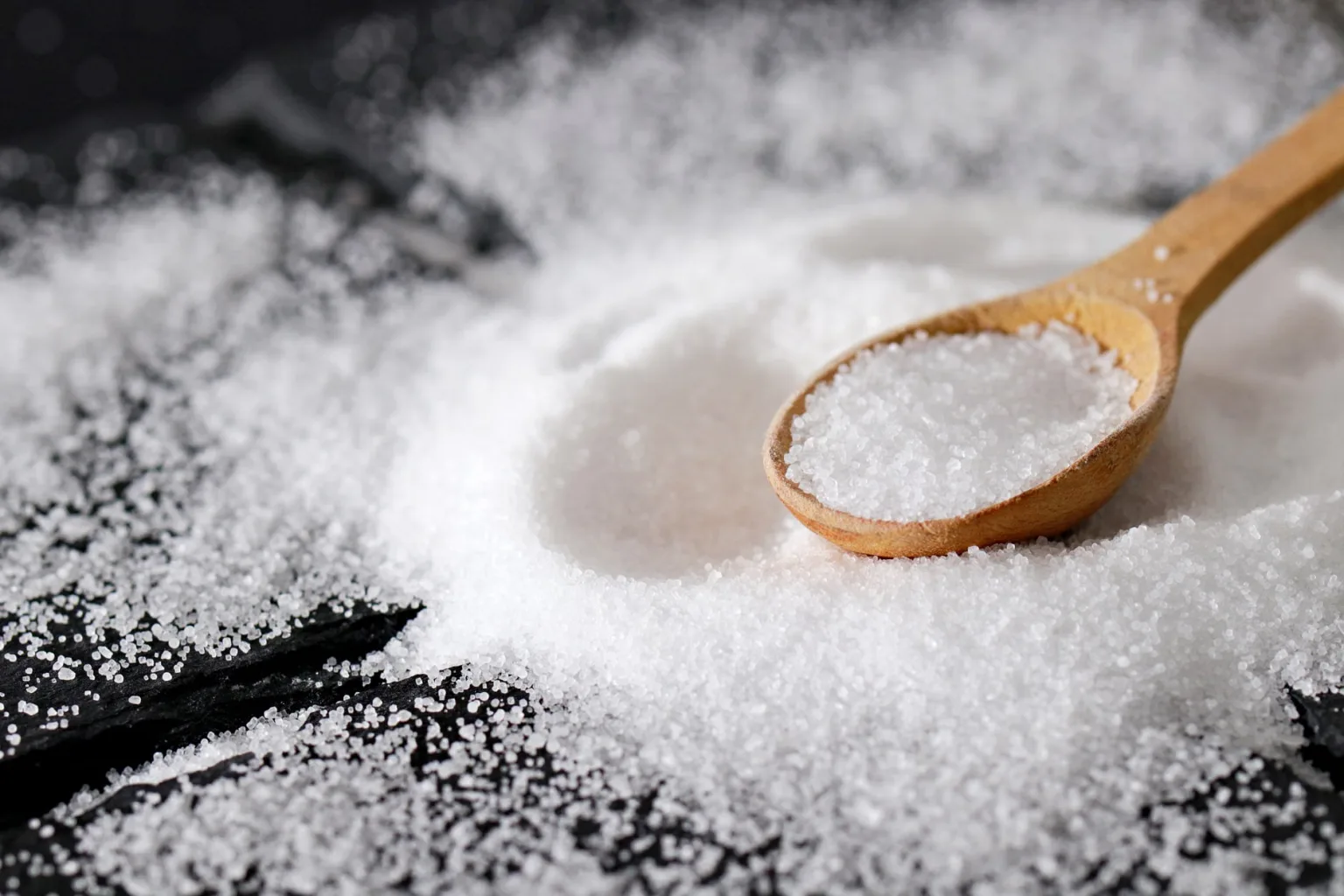
Salt for rice is not a special variety; it is edible salt used to season rice during cooking. It may be finely ground or sold with crystals of a different size. Salt varieties can differ in texture and presentation, so the same volume measure may not behave alike for each one. Its culinary role is to provide a salty taste and bring out other flavors. Some basic rice-cooking instructions list salt as optional, which means rice can also be cooked without added salt. Use it according to the recipe and your preferences.
When to use it
Add salt when you want the rice seasoned as it cooks, especially when the method uses a measured amount of liquid that the rice absorbs. You can also leave it out and adjust the seasoning when serving, depending on the dish. Consider any salty ingredients or seasonings already included before adding more. Salt is optional in a basic rice-cooking guide, so it is not essential for cooking rice.
How to use it
Dissolve the salt in the water or other cooking liquid so it can distribute through the dish; alternatively, add it to the liquid when following a rice recipe. Start with a cautious amount, particularly if you are unfamiliar with the recipe or the salt you are using, and adjust to taste. The cooking instructions in the evidence list salt as optional, not required. If your salt has crystals of a different size from fine table salt, do not assume that a spoonful or pinch represents the same amount of salt. Follow the recipe’s proportions and taste the result when possible.
Flavour and texture
Salt adds a salty taste and can bring out the flavors of other ingredients. Its characteristic taste on its own is salty; practical differences between varieties also relate to refinement, texture, and crystal size. Fine salt disperses readily in liquid, while larger crystals may dissolve differently. Do not assume that a salt’s name or appearance gives it a special effect on rice without checking its characteristics.
How to choose it
Choose edible salt in a form that is easy for you to measure and dissolve in the cooking liquid. Check the product name and package information: commercial descriptions can vary and do not always indicate the same crystal size. If a recipe specifies fine salt, a coarser salt may call for an adjustment to the amount or measuring method. You do not need to buy a special salt to cook rice.
Storage
Check and follow the package’s storage directions, since the available evidence does not establish a specific storage method or duration for this salt. Keep the product information available if you need to confirm the salt type or its instructions. If the salt’s appearance raises concerns, do not use it without checking the package or asking the manufacturer.
Substitutions
You can omit salt if you prefer rice with no added salt. You can also use another edible salt, but varieties may differ in crystal size and texture; therefore, the same household measure may not give the same result. Adjust the amount to the recipe and your taste rather than assuming a salt with a distinctive color or name will season rice better.
Common mistakes
Do not assume salt is mandatory: some cooking instructions list it as optional. Avoid measuring different varieties by volume as though their crystals were identical. It is also easy to add more without accounting for other salty ingredients in the recipe; consider the whole dish and adjust cautiously.
Safety and allergens
Use it in moderation and follow the package directions. The available evidence identifies no specific handling warning for this salt when used for cooking rice.
Culinary uses
- Condimentar el agua de cocción del arroz
- Realzar el sabor del arroz y de otros ingredientes
Recommended techniques
- Disolver en el líquido antes o durante la cocción
- Añadir poco a poco y probar para ajustar el sazonado
Pairs well with
- Arroz y agua de cocción
- Arroz con especias aromáticas, como canela, cardamomo o laurel
Frequently asked questions
Is salt essential when cooking rice?
No. A basic rice-cooking guide lists salt as optional, so you can leave it out and season the dish another way.
When should I add salt to rice?
You can dissolve it in the water or cooking liquid so it distributes as the rice cooks.
Can I use coarse salt instead of fine salt?
Yes, but salts can differ in crystal size and texture. Adjust the measure to the recipe rather than assuming the same volume gives the same amount.
Sources and review
Automatically researched, cross-checked and validated content. Sources consulted:
- Client Challenge doi.org
- The Essential Glossary of Cooking Terms for the Culinary Arts - Escoffier escoffier.edu
- 15 tipos de sal para dar variedad a nuestros platos: cómo elegirlas y usarlas en la cocina directoalpaladar.com
- Sabor a sal: 10 variedades que debes conocer y usar cooking.elmundo.es
- Storing White Rice | USU extension.usu.edu
- Agencia Española de Seguridad Alimentaria y Nutrición aesan.gob.es
- Nutrition After Your Transplant - Health Online healthonline.washington.edu
- How to Make Fluffy Rice | Institute of Culinary Education ice.edu
- Arroz con Leche 2010 (Rice Pudding) - lacocina.utsa.edu
- China prueba una variedad de arroz resistente a la sal mapa.gob.es
- All About Cooking Rice | UNL Food | Nebraska food.unl.edu
- Los tipos de sal y sus usos en la cocina | Recetas Nestlé recetasnestle.com.mx
- ¿Qué tipos de sal existen? | Excelencias Gourmet excelenciasgourmet.com
- ¿Cuáles son los diferentes tipos de sal de mesa? salroche.com