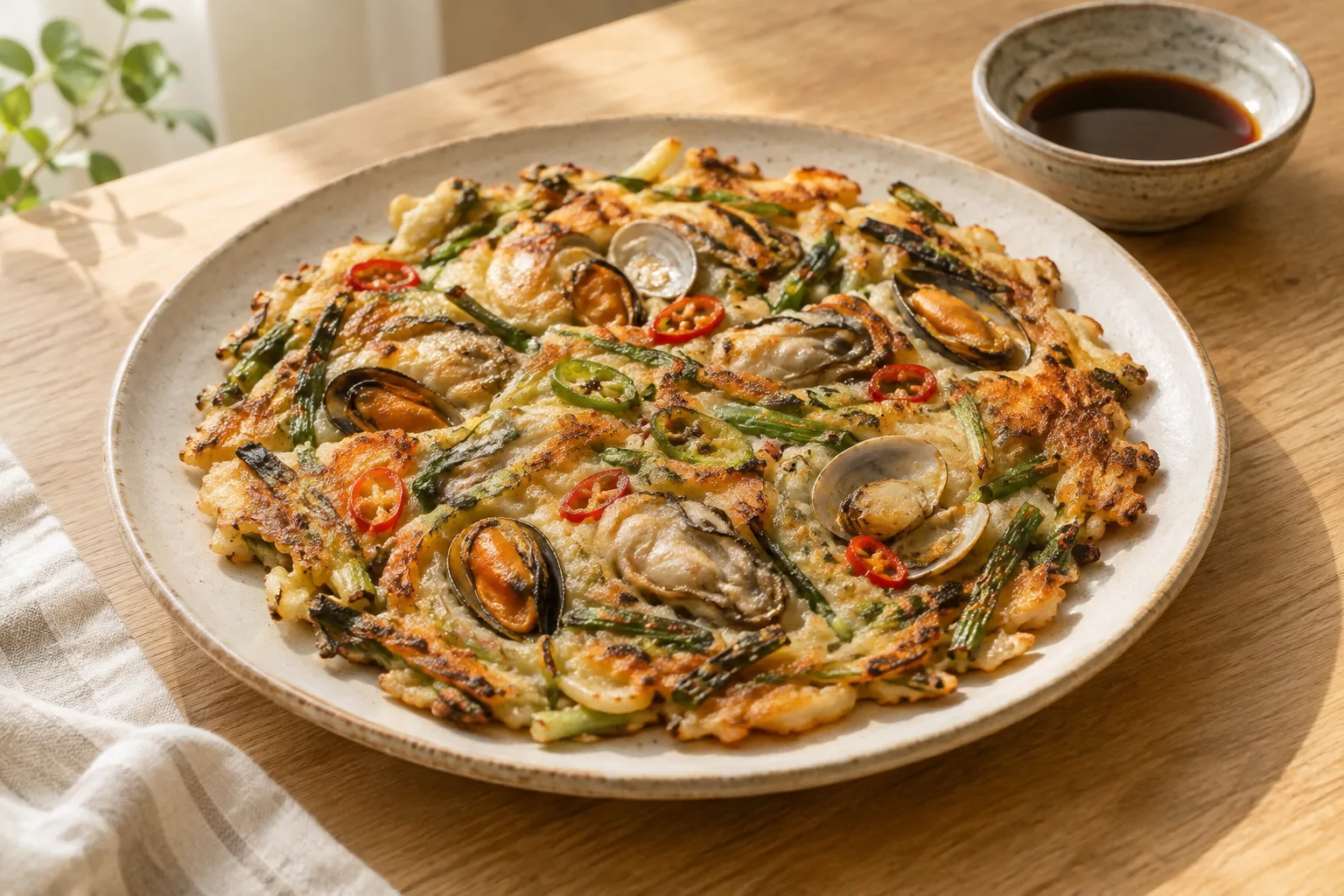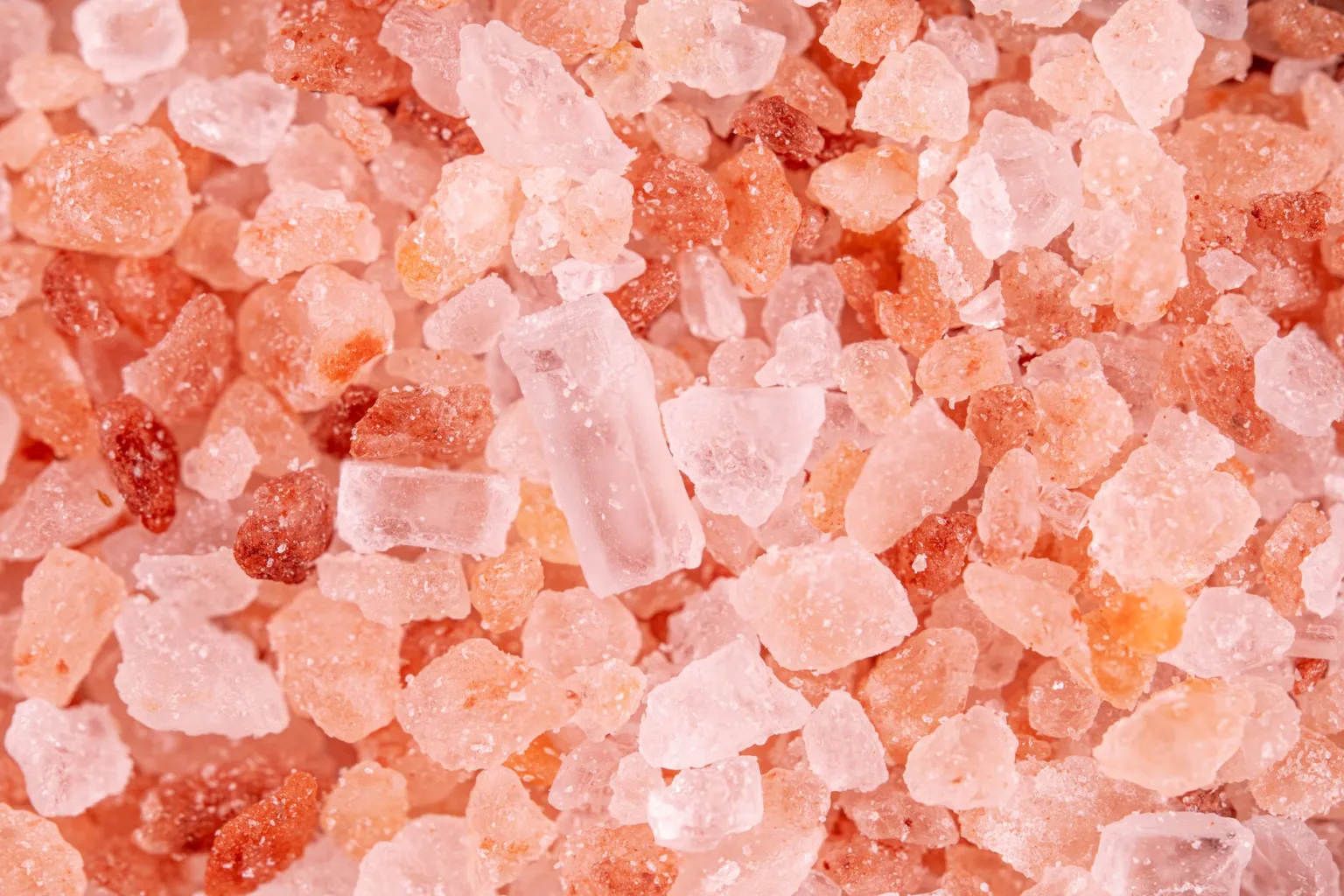
- Category
- Herbs and spices
- State
- Dry
- Usual unit
- g
What it is
Salt is a mineral seasoning with a salty taste, used to season food. In cooking, it can enhance some flavors and soften or balance others. For fish and seafood, it can be added during preparation or at the end, depending on the result you want. There is no single form of salt that suits every dish: fine salt, coarse crystals, and flakes differ in size and texture, and some preparations make use of those differences. This profile covers salt as a seasoning ingredient, not a particular named variety or a salt with special properties. The amount depends on the recipe, the other ingredients, and the form of salt you choose; add it cautiously and taste the dish before adding more.
When to use it
Use salt when you want to season fish or seafood and adjust its salty taste, whether you are preparing a simple dish or a recipe with other seasonings. Fine salt is convenient when you want an even distribution; coarse crystals can be chosen for cooking methods where they dissolve over the food, while flakes can provide a visible, crisp finish. Add salt gradually and taste before adding more, especially if the recipe already contains salty ingredients. Salt seasons food, but it does not replace the flavor of the ingredients or, by itself, make a preparation safe.
How to use it
Add salt to fish or seafood a little at a time, distributing it evenly and following the recipe if you have one. If using fine salt, start with a small amount and taste the dish before adjusting the seasoning. Coarser crystals can be used for some cooking methods, where they dissolve over the food; flakes can also be added at the end when you want a textured finish. Grain sizes and commercial names vary, so do not assume that a spoonful of one type is equivalent to the same measure of another. Combine the salt with the other ingredients in the recipe and taste again before serving. Do not confuse seasoning salt with curing salt or assume that ordinary salt has special preservation properties.
Flavour and texture
Salt provides a salty taste and can enhance or balance other flavors in a dish. On its own, it does not offer a complex range of flavors; culinary differences among varieties are mainly associated with intensity, refinement, and texture. Fine salt distributes easily, while coarse crystals and flakes feel different when eaten. The result also depends on when the salt is added and how it becomes part of the preparation.
How to choose it
Choose an edible salt in a form suited to your preparation: fine for easy distribution, coarse crystals for some cooking methods, or flakes for a textured finish. Names and commercial characteristics can differ between producers, so read the label rather than assuming that all salts have the same grain size. If a recipe calls for a particular form, take that instruction into account when shopping.
Storage
The available evidence does not specify a storage method or shelf life for salt. Follow the product label and do not assume that every variety needs identical storage conditions. Keeping the package closed and using a clean, dry utensil are practical precautions against moisture and dirt; check the packaging for any specific directions.
Substitutions
Fine salt, coarse salt, and flakes are different forms that can season food, but they may not distribute or feel the same. If substituting one for another, add a little at a time and taste the dish. The available evidence does not establish a fixed measurement conversion between forms.
Common mistakes
Adding salt all at once without tasting can leave fish or seafood too salty. It is also easy to overlook how crystal size affects distribution and texture, or to expect one particular salt to provide complex flavor on its own. Season gradually and consider the dish as a whole.
Safety and allergens
The reviewed sources do not provide a specific official warning about salt used for seasoning. Do not mistake it for a validated method of preserving fish or seafood; follow product directions and applicable guidance for safe seafood handling.
Culinary uses
- Condimento para realzar el sabor
- Ajuste del sabor salado en platos de pescado y marisco
Recommended techniques
- Sazonar durante la preparación
- Terminar el plato con cristales o escamas de sal
Pairs well with
- Pescado y marisco
- Limón, hierbas y pimienta en preparaciones de pescado
Frequently asked questions
What kind of salt can I use to season seafood?
Choose fine salt, coarse crystals, or flakes according to how you want it to distribute and the texture you want. Add a little at a time and taste.
Can I replace coarse salt with fine salt?
Both can season food, but crystal size changes how salt distributes and feels. Do not assume an exact measure-for-measure conversion.
Does salt season seafood on its own?
Salt adds a salty taste and can enhance other flavors, but the result also depends on the seafood and the other ingredients.
Sources and review
Automatically researched, cross-checked and validated content. Sources consulted:
- Client Challenge doi.org
- The Essential Glossary of Cooking Terms for the Culinary Arts - Escoffier escoffier.edu
- 15 tipos de sal para dar variedad a nuestros platos: cómo elegirlas y usarlas en la cocina directoalpaladar.com
- Sal Marina: Qué es, cuál es su historia y cuáles son sus beneficios - Monti pmonti.com
- FSHN14-05s/FS275: De Compras Para la Salud: Mariscos ask.ifas.ufl.edu
- Guía de Alimentos Caseros 2026 - Illinois Extension extension.illinois.edu
- Los tipos de sal y sus usos en la cocina | Recetas Nestlé recetasnestle.com.mx
- Orientaciones para la elaboración de menús saludables y ... aesan.gob.es
- Historia de la sal - Wikipedia, la enciclopedia libre es.wikipedia.org
- Oregon’s Cottage Food Exemption | Servicio de Extensión de OSU extension.oregonstate.edu
- Ceviche Estilo Acapulco 1969 (Ceviche Acapulco Style) - lacocina.utsa.edu
- Seafood selections that help your heart - and our planet - Harvard Health health.harvard.edu
- Food – Wespañol wespanol.blogs.wesleyan.edu
- Book and attend Demonstration class cordonbleu.edu