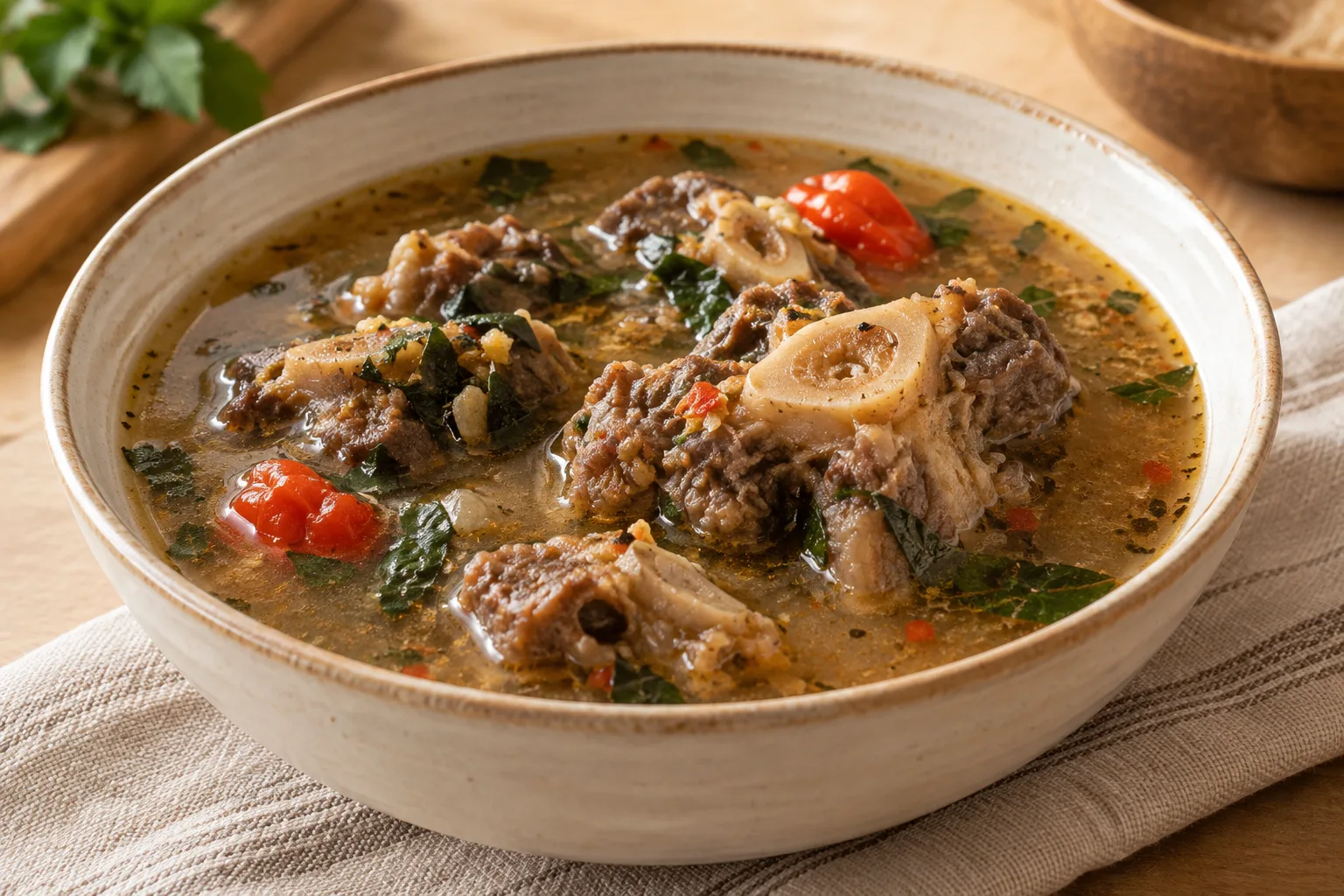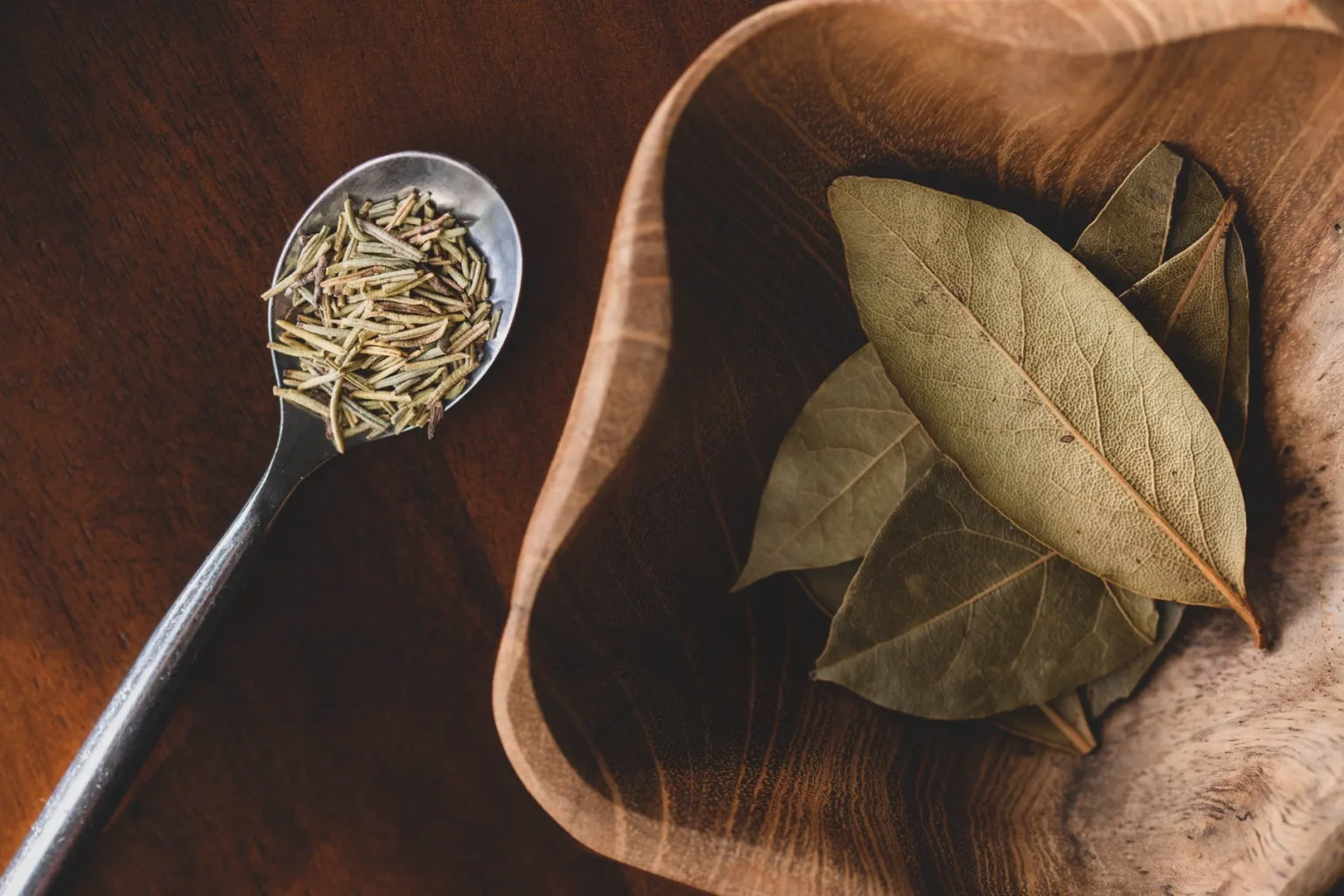
- Category
- Herbs and spices
- State
- Fresh
- Usual unit
- leaves
What it is
“Scent leaves” is the name provided for this ingredient, but the available evidence does not establish a botanical species, plant family, or flavor profile. The sources describe aromatic herbs in general: their leaves may be used fresh or dried to add aroma and flavor to food. That general information is not enough to confirm that this particular product is a known culinary herb or suitable to eat. Before cooking with it, verify its identity and food use on the package or with the supplier. Until then, treat any culinary suggestions as general, conditional guidance, not as specific facts about scent leaf.
When to use it
If the package or supplier confirms that these are edible leaves sold for cooking, they could be used when a recipe can accommodate the aroma of a leafy herb. The sources describe aromatic herbs being used generally in dishes such as soups, stews, salads, and sauces. There is no evidence here to recommend scent leaf for a particular dish, season, or as a replacement for a specific herb. First confirm the identity; then consider the recipe’s flavors and begin with a modest amount if the product is unfamiliar.
How to use it
Do not use these leaves in food until you have confirmed that the name refers to an edible herb and that the product is intended for culinary use. Once verified, general herb guidance allows leaves to be used whole or crushed, fresh or dried, according to the recipe. They could be added to a soup, stew, salad, or sauce if the dish suits an aromatic herb. There is no basis for claiming that scent leaf has a particular flavor, requires a special technique, or needs a specific cooking time. Do not transfer instructions for basil, parsley, or other herbs to this ingredient without confirming its identity.
Flavour and texture
No reliable evidence is provided about the aroma, flavor, intensity, or texture of scent leaf. The sources describe aromatic herbs generally as ingredients that add aroma and flavor, but that does not necessarily characterize these particular leaves. The profile would depend on the actual plant and its form, which are not established here. Confirm the species first and, if it is verified as a culinary product, assess it cautiously before pairing it with other flavors.
How to choose it
Look for a botanical name or clear plant identification on the label, along with confirmation that the product is intended for food use. If the only name is “scent leaf” and you cannot verify which plant it means, ask the seller or choose a product with a clearly stated culinary identity. The supplied evidence gives no quality criteria, appearance, size, aroma, or season for this ingredient, so do not select it based on assumed characteristics.
Storage
The available sources do not say how to store scent leaf or how long it keeps its quality. A specific shelf life, temperature, refrigeration method, or freezing method cannot be recommended for this product. Follow the package or supplier instructions after its identity is confirmed. If there are no instructions and the product is not clearly identified as food, do not use it or infer a storage method from other herbs.
Substitutions
Because the evidence does not identify scent leaf’s flavor, it cannot support an equivalent substitute. If a recipe needs only a leafy aromatic herb and the original ingredient’s identity is not essential, basil or parsley may be considered general alternatives, but they will change the result and are not claimed to reproduce scent leaf. Check what the recipe actually requires, and do not replace an unidentified plant until its food use is confirmed.
Common mistakes
The main mistake would be assuming that “scent leaf” names a particular species or that the leaves are edible because of the name alone. The supplied evidence confirms neither. It is also unwise to automatically apply the flavor, techniques, storage advice, or substitutions for basil, parsley, or any other herb. Verify the plant and its culinary use before preparing or serving it.
Safety and allergens
The available evidence does not identify the plant or confirm that these leaves are suitable to eat. Do not consume them until their identity and food use are verified on the label or with the supplier. The supplied sources contain no ingredient-specific warning.
Culinary uses
- Aportar aroma y sabor como orientación general para hojas de hierbas aromáticas.
- Condimentar preparaciones, de forma general y solo si se confirma que el producto es una hierba comestible.
Recommended techniques
- Usar las hojas enteras o trituradas, de acuerdo con la receta y solo tras confirmar su identidad culinaria.
- Emplearlas frescas o secas como orientación general para hierbas aromáticas; no se ha establecido una técnica específica para scent leaf.
Pairs well with
- Sopas y guisos, como preparaciones que pueden incorporar hierbas aromáticas en general.
- Ensaladas y salsas, como preparaciones que pueden incorporar hierbas aromáticas en general.
Frequently asked questions
What plant is scent leaf?
The supplied sources do not identify the species called scent leaf. Check the botanical name on the label or ask the supplier before using it.
Can I cook with these leaves?
Only if the package or supplier confirms that they are leaves from an edible plant sold for culinary use. The available evidence does not confirm that this particular product is edible.
What does scent leaf taste like?
The supplied evidence gives no reliable information about its taste or aroma. Its flavor cannot be described without first identifying the plant.
Sources and review
Automatically researched, cross-checked and validated content. Sources consulted:
- ¿Por qué la muerte es origen de miedos y tabúes? doi.org
- Guía de especias y hierbas aromáticas para la cocina - Blog Frutas Charito frutascharito.es
- Cataloging Works at Museums and Special Collections: getty.edu
- A Health Literacy Curriculum for Grades 1 and 2 - Wsu s3.wp.wsu.edu
- Herbs to Avoid During Pregnancy utep.edu
- Descubre Hierbas aromáticas en la cocina | Recetas Nestlé recetasnestle.com.ec
- Propiedades de las hierbas aromáticas en la cocina – Botanical-online botanical-online.com
- Perilla Leaves - Korean Ingredients | Institute of Culinary Education ice.edu
- Four O’Clock, Mirabilis jalapa – Wisconsin Horticulture hort.extension.wisc.edu
- Nature journaling and observations weekly prompts | Servicio de Extensión de OSU extension.oregonstate.edu