- Category
- Grains, flour and pasta
- State
- Dry
- Usual unit
- g
What it is
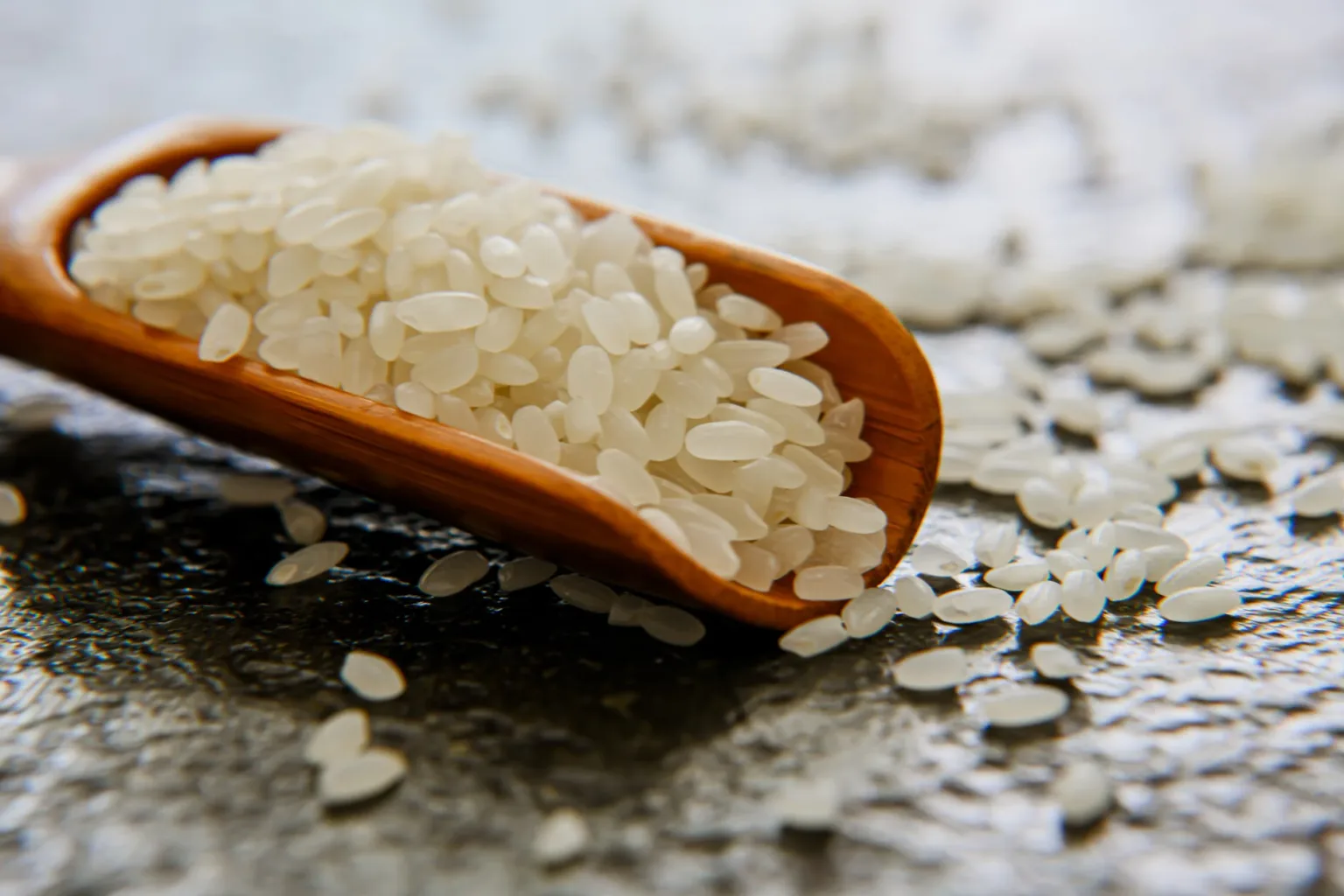
Short-grain rice is a category of rice named for the shape of its grains, which are generally rounded or nearly spherical. Compared with long-grain rice, its grains tend to stick together after cooking, making it useful in dishes where a cohesive or creamy texture is wanted. The label describes grain shape and size, not one single variety or processing method; short-grain products can therefore differ in how they cook. It should not automatically be treated as synonymous with glutinous rice, which is distinguished by especially strong stickiness.
When to use it
Choose short-grain rice when you want the grains to cling and form a cohesive preparation, such as sushi rice, or when a tender, creamy texture is desirable in a rice dessert. It can also suit other recipes where the grains holding together is welcome. If you need a loose result with separate grains, short-grain rice may not be the best choice; consider long-grain rice or use the variety specified by the recipe.
How to use it
Check the package to confirm that the rice is short-grain, and follow its directions because cooking behavior depends on the variety. Cook it in liquid and pay attention to the texture as the dish develops rather than assuming all short-grain products behave alike. For sushi, its tendency to cling helps form cohesive pieces; in rice desserts, it can contribute to a creamy consistency. For recipes that call for separate grains, choose another rice type. When substituting, match the choice to the texture you want.
Flavour and texture
The most noticeable feature of short-grain rice is its cooked texture: the grains tend to cling together and can be tender and cohesive. How sticky the result becomes varies with the variety and preparation, so products in this category do not all produce the same consistency. The available evidence mainly describes grain shape and cooking behavior; it does not establish one distinctive flavor profile for all short-grain rice.
How to choose it
Look for a short-grain label on the package and check the variety name if one is given. Do not assume every short-grain rice is glutinous rice or that all products will have the same degree of stickiness: the category includes rice with different cooking behavior. For a specific recipe, choose the grain type it calls for and consider whether you need a clingy, cohesive, or looser texture.
Storage
The supplied evidence identifies rice as a grain but does not provide specific storage instructions or a safe storage duration. Keep the product according to its package directions, and do not infer a shelf life or storage conditions solely from the short-grain label. If the package gives product-specific instructions, use those as the practical reference.
Substitutions
Medium-grain or round-grain rice can be used instead, but the result may differ: medium-grain rice may be somewhat less sticky, while round-grain rice can produce a creamy texture. For sushi, where cohesive rice is useful, check that the substitute can serve that purpose; a substitution cannot guarantee the same texture as the rice specified.
Common mistakes
Do not confuse short-grain rice with glutinous rice, which is particularly sticky. Also, do not assume every short-grain product will cook identically. Choosing it for a recipe that needs loose, separate grains may work against the desired texture; check the variety and package directions.
Safety and allergens
The supplied evidence does not establish a specific safety warning for short-grain rice. Follow the package directions and use ordinary kitchen hygiene precautions.
Culinary uses
- Base de platos de arroz
- Ingrediente para preparaciones cremosas y postres
Recommended techniques
- Cocción en líquido
- Cocción hasta obtener una textura cremosa
Pairs well with
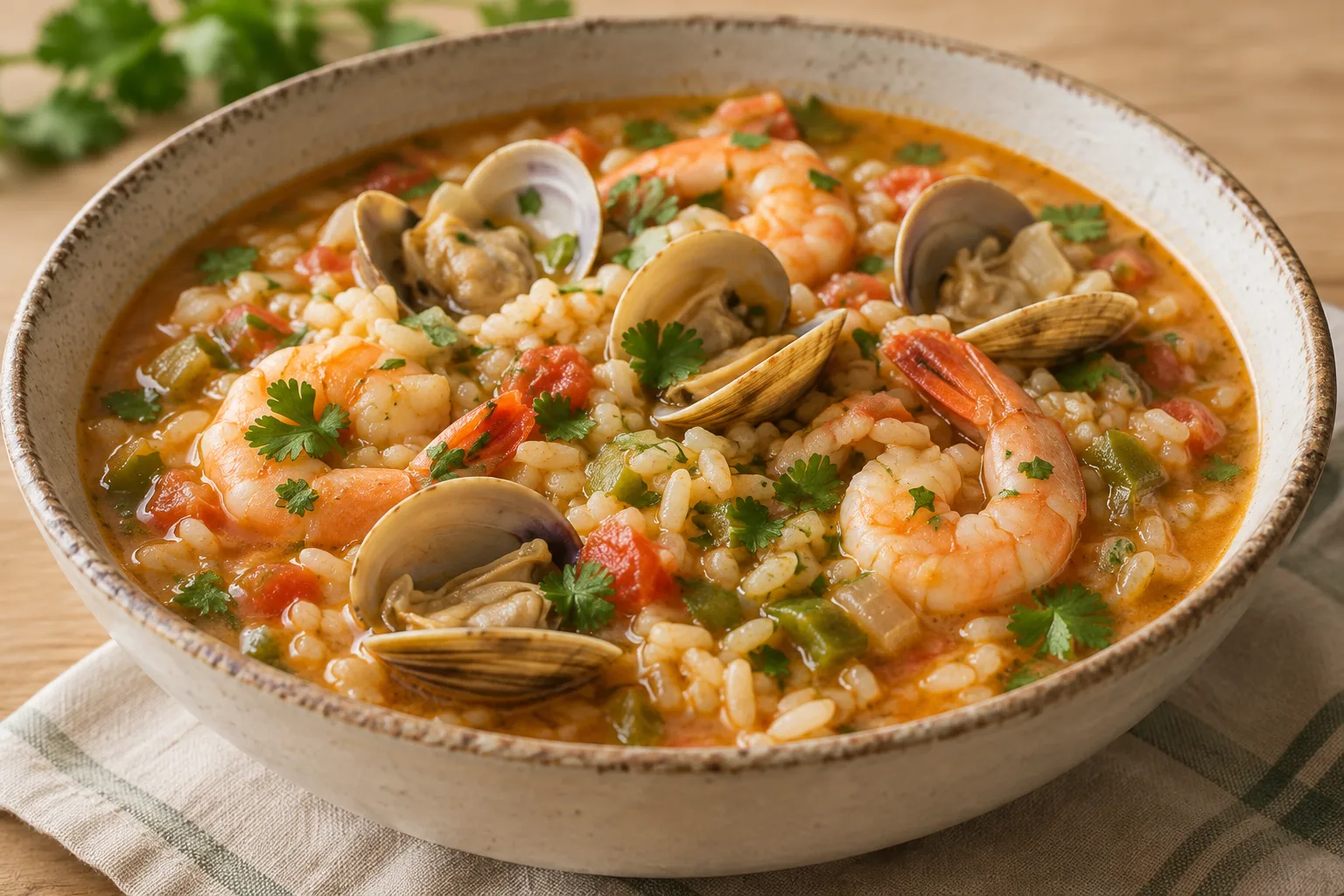
- Caldo y verduras en paellas o arroces caldosos
- Leche en postres de arroz
Frequently asked questions
Is short-grain rice always sticky?
Its grains tend to stick together when cooked, but the degree of stickiness varies with the variety and preparation.
Is it the same as glutinous rice?
Not necessarily. Short-grain describes grain shape and size; glutinous rice is distinguished by especially strong stickiness.
What dishes is it used for?
It is used when cohesive rice is wanted, as in sushi, and in creamy preparations such as some rice desserts.
Estimated nutrition
- Fat
- 0 g
- Saturates
- 0 g
- Carbohydrate
- 80 g
- Sugars
- 0 g
- Fibre
- 0 g
- Protein
- 6.67 g
- Salt
- 0 g
Sources and review
Automatically researched, cross-checked and validated content. Sources consulted:
- The Essential Glossary of Cooking Terms for the Culinary Arts - Escoffier escoffier.edu
- ¿Qué tipos de arroz existen? Variedades y características vaellocampos.com
- A PROGRAM FOR extension.usu.edu
- educational content to support healthful lifestyle practices sjsu.edu
- Nutrition After Your Transplant - Health Online healthonline.washington.edu
- Dictionary of Health Related Terms: English – Spanish hia.berkeley.edu
- Comité Científico aesan.gob.es
- Tipos de arroz, usos culinarios - Pepekitchen pepekitchen.com
- Healthy Eating Plan for Weight Management med.uc.edu
- Harvest for Healthy Kids - Radishes wpcdn.web.wsu.edu
- Tipos de Arroz | Todas las variedades, granos y aplicaciones | Nutrada nutrada.com
- Arroz: las diferentes variedades y cómo usarlas en la cocina a favor de la salud directoalpaladar.com
- El grano perfecto según cada elaboración | CEAC ceac.es