- Category
- Sauces and condiments
- State
- Preserved
- Usual unit
- tablespoon
What it is
In this guide, shrimp paste means the concentrated condiment made from small shrimp or krill that are salted and fermented—not the moldable minced-shrimp preparation that can have a similar name. The condiment may come as a firm block or a paste; regional styles differ in moisture, consistency, and character. Its raw aroma can be very pungent, while toasting or frying changes that aroma and contributes a deep savory taste. Product names can be ambiguous across markets and languages, so check the package description to confirm that you are buying fermented shrimp condiment rather than fresh shrimp paste or shrimp mousse.
When to use it
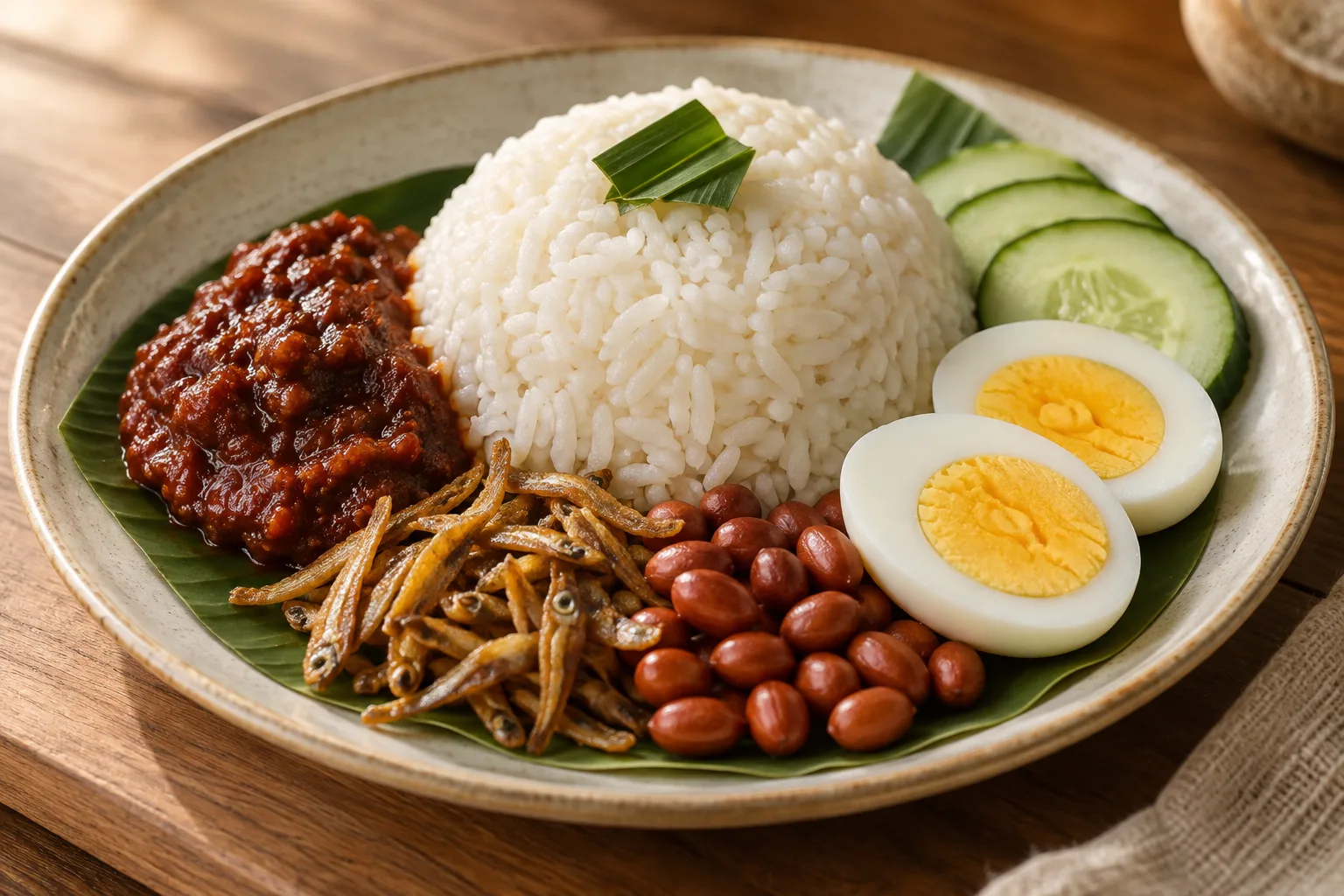
Use it when you want a concentrated savory, umami note in a cooked dish, particularly in food inspired by Southeast Asian cooking. The available evidence connects shrimp paste with dishes such as pad Thai, nasi lemak, and Malaysian curries. It is potent, so begin with a small amount and adjust to taste rather than treating it as a main ingredient. Styles vary, so taste the particular product and follow the recipe or package directions where available.
How to use it
Before cooking, check that the package identifies the product as fermented shrimp or krill paste. Add a small amount and mix it thoroughly with the other ingredients so its concentrated flavor is distributed through the dish. One documented approach is to toast or fry the paste before adding it; this changes its raw pungency. It can form part of the flavor base for noodle, rice, or curry dishes. Regional pastes differ in moisture and firmness, so adapt how you portion and incorporate the product you have rather than assuming every style behaves alike.
Flavour and texture
The flavor is intensely savory, salty, fermented, and umami, with a pungent raw aroma. Texture depends on the style: it may be a moist paste or a firm, pressed block. Toasting or frying changes the raw aroma and lets the flavor integrate differently into a dish.
How to choose it
Read the product name and description to distinguish fermented shrimp condiment from a fresh, minced, moldable shrimp preparation. Choose a format—moist paste or firm block—that suits the recipe you plan to make. Regional names do not guarantee identical texture, so compare the package description and follow the manufacturer’s directions.
Storage
Store the product according to its package directions; the available evidence does not establish one storage condition or shelf life for every style and brand. Keep the container closed and use clean utensils to reduce contamination during use. Do not judge safety from appearance or smell alone; follow the manufacturer’s information and discard the product if the package says it should not be used.
Substitutions
The evidence describes several regional shrimp-paste styles but does not establish an identical substitute. Another shrimp or krill paste may serve a similar role, though moisture, firmness, and flavor character can differ. You can also leave it out, but the dish will lose some of the umami character it contributes. Adjust cautiously rather than assuming another condiment will produce the same result.
Common mistakes
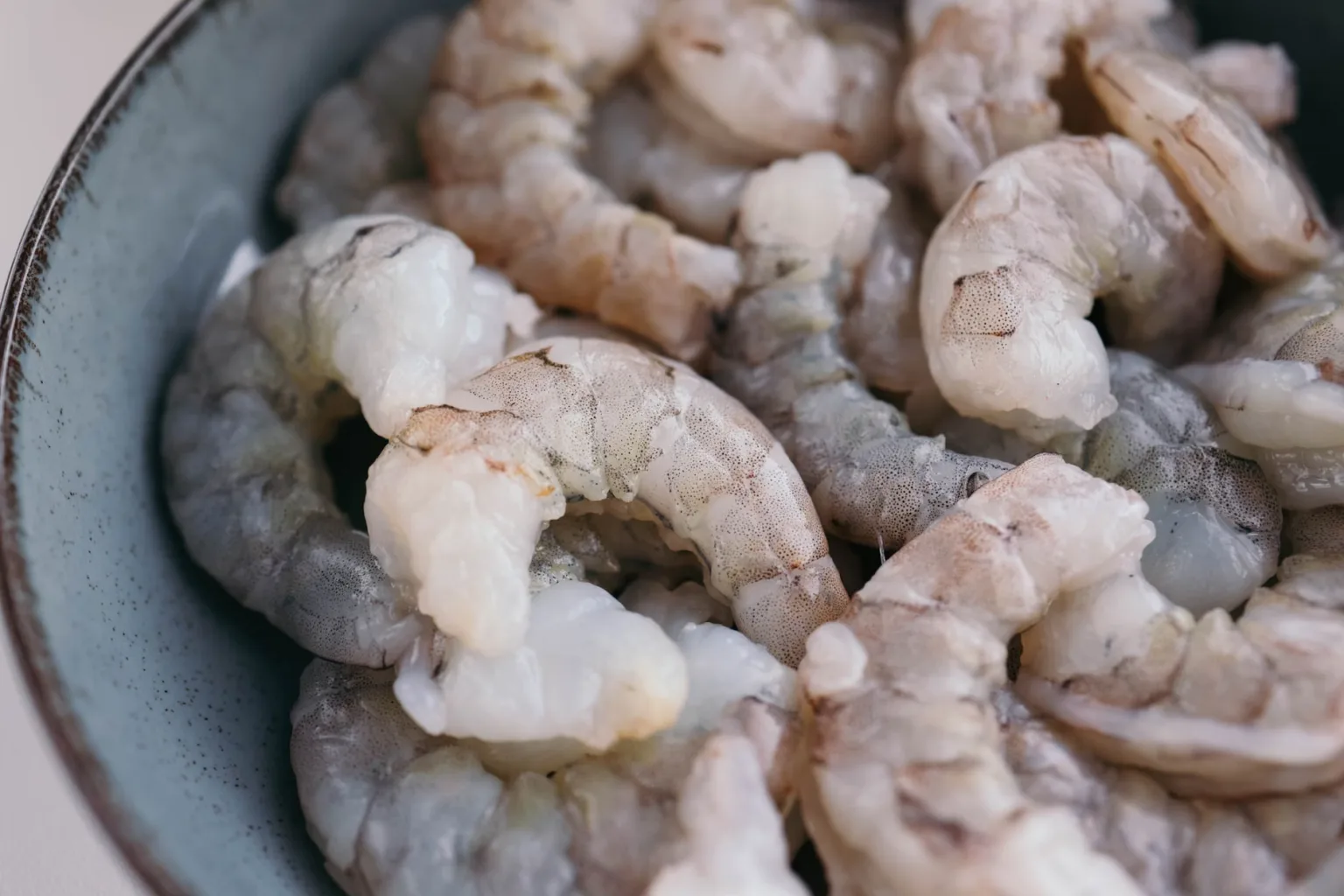
A key mistake is confusing fermented shrimp condiment with fresh minced shrimp paste; they are different products. Adding a large amount at once can also overwhelm a dish because this condiment is concentrated. Do not assume that all regional styles are interchangeable, or that the raw aroma fully represents the flavor after cooking.
Safety and allergens
This product contains shrimp or krill, so it is unsuitable for anyone who needs to avoid those crustaceans. Follow the package’s storage instructions, use clean utensils, and do not rely on appearance or smell alone to determine safety.
Culinary uses
- Condimento concentrado para aportar umami
- Base de sabor para platos salados
Recommended techniques
- Tostarla o freírla antes de incorporarla, según la preparación
- Añadirla en poca cantidad y mezclarla con los demás ingredientes
Pairs well with
- Platos de fideos como el pad thai
- Platos de arroz como el nasi lemak y curris malayos
Frequently asked questions
Is fermented shrimp paste the same as fresh shrimp paste?
Not necessarily. Fermented shrimp paste is a salted shrimp or krill condiment; a separate moldable preparation made mainly from shrimp meat can also be called shrimp paste. Check the package description.
How is shrimp paste commonly used?
The available evidence describes toasting or frying it before use and adding a small amount to flavor dishes such as noodles, rice, or curry.
Does all shrimp paste have the same texture?
No. Regional styles may be moist and pourable or firm and pressed. The label and the product’s form help you identify the style you have.
Sources and review
Automatically researched, cross-checked and validated content. Sources consulted:
- Almacenamiento Seguro de Alimentos: - El Refrigerador y el ... bookstore.ksre.ksu.edu
- ¿Por qué la muerte es origen de miedos y tabúes? doi.org
- Gastronomía del Perú - Wikipedia, la enciclopedia libre es.wikipedia.org
- Washington State Food Access English-Spanish Glossary wpcdn.web.wsu.edu
- Qué es (y qué no es) la estadística, usos y abusos de una disciplina clave en la vida de los países y las personas | Estudios económicos doi.org
- Food Selection & Storage | Home & Garden Information Center translate.google.com
- Home food preservation | Servicio de Extensión de OSU extension.oregonstate.edu
- 1 COURSE OUTLINE FDST 2003 – WORLD CUISINE brightwater.nwacc.edu
- Pasta de Camarón — Open Spice Box openspicebox.com
- Pasta con camarones: receta deliciosa y fácil de preparar - Pasta Garofalo pasta-garofalo.com
- Pasta de camarón(Un tipo de producto hecho de pasta de camarón.)_Baidu Enciclopedia baike.baidu.com
- Camarones a la marinera con pasta | Newman's Own newmansown.com
- Pasta con camarones, limón y albahaca - Cravings Journal es.cravingsjournal.com
- 237 recetas muy ricas de pasta camarón espagueti compartidas por cocineros caseros- Cookpad cookpad.com