- Category
- Meat
- State
- Fresh
- Usual unit
- g
What it is
Smoked chorizo is a chorizo-style sausage that has undergone smoking. The available information describes chorizo generally as a sausage made mainly from minced meat and spices; paprika is a distinctive ingredient in the Spanish varieties described and contributes to their color and flavor. Smoking alone does not establish whether a sausage is fresh, cured or ready to eat: the sources describe fresh, cured and smoked chorizos without stating that every smoked product has the same treatment. This profile therefore does not assume a universal texture, ingredient list or set of directions. Check the package to identify the specific variety and find out whether it needs cooking.
When to use it
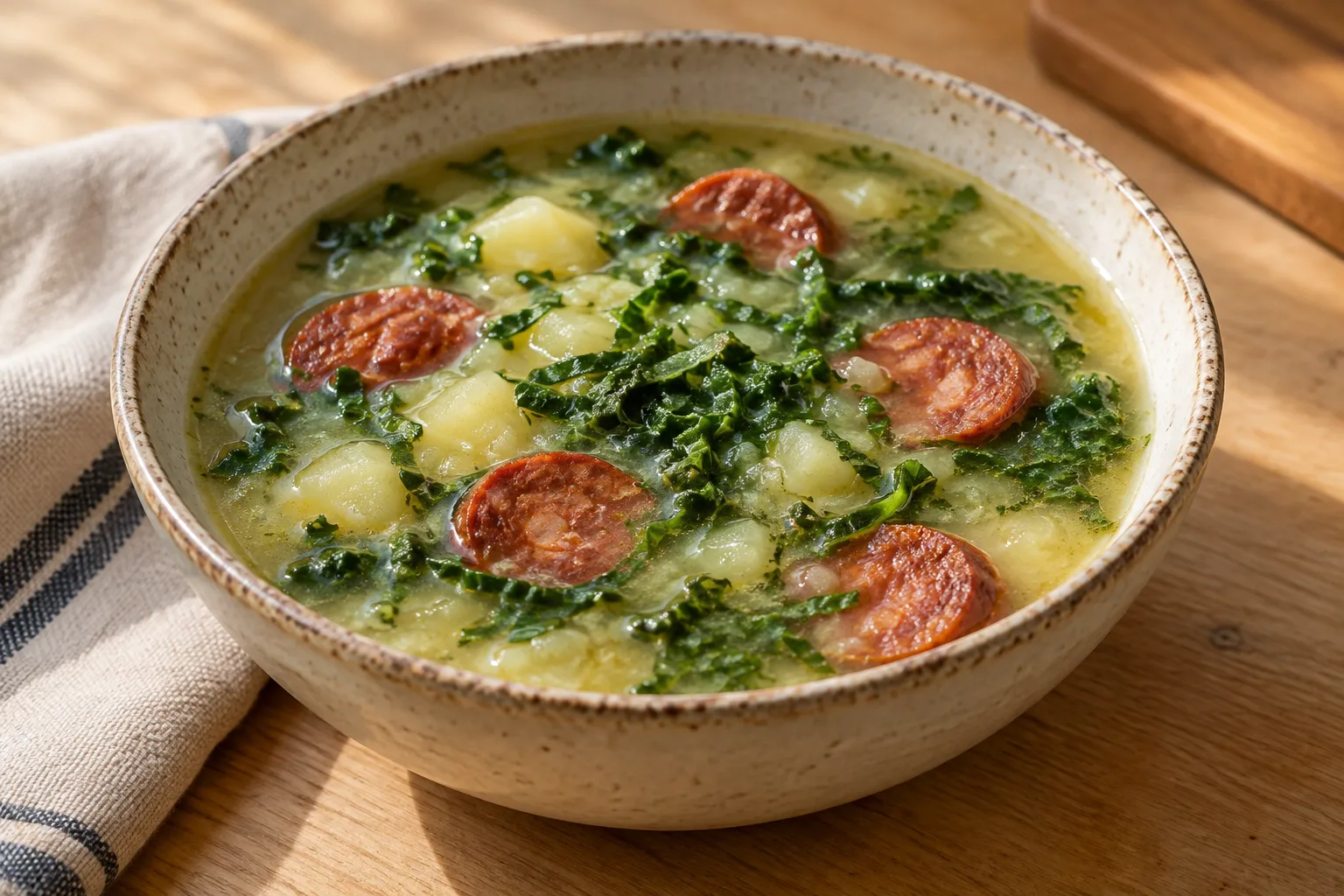
Use it when you want to add a spiced flavor and smoky note to a dish. It can be served sliced as tapas or in a sandwich, and it can also be added to bean stews, potato dishes or recipes with eggs. When cooking with it, remember that the sausage contributes flavor to the whole dish; taste before adding more seasoning. Do not choose a product based on the word smoked alone: varieties can differ, and the label is the guide to whether it is ready to eat or needs cooking.
How to use it
First check the package to see whether the product is ready to eat or needs cooking; the name alone does not establish this. For tapas or a sandwich, cut it into slices appropriate to its firmness and follow the product directions. To cook it, you can brown it in a pan, grill it, or add it to a bean or potato stew. It can also be used in dishes with eggs. Let its flavor blend into the dish and taste before adding more seasoning. The sources describe several uses for chorizo, but do not set a universal cooking time or temperature for every variety; follow the package and recipe directions.
Flavour and texture
Chorizo typically has a spiced profile; paprika is a distinctive ingredient in the Spanish varieties described. Smoking adds an aromatic note, but its intensity and the texture depend on the variety and how it is made. Some chorizos are firm and cured, while others are fresh or softer. Do not assume that every smoked product has the same level of heat, firmness or curing.
How to choose it
Read the label to determine whether the product is fresh, cured or another type, and whether it can be eaten as sold or needs cooking. The word smoked alone does not identify the product's format or treatment. Also check the ingredients and the manufacturer's directions, especially if you want a particular level of heat or smokiness. Appearance and texture vary between varieties, so compare products of the same type.
Storage
Follow the storage directions on the package: the sources describe fresh and cured chorizo but do not provide one rule that applies to all smoked products. After opening, check whether the manufacturer specifies how and for how long to store it. Without knowing the specific product, no universal storage duration or temperature can be recommended. If the package is damaged or its directions are unclear, contact the manufacturer or consult official food-safety guidance.
Substitutions
You can substitute another chorizo, fresh or cured, but the result will vary with its smokiness, spices and curing. Another spiced sausage may work in a stew or sandwich, though it will not reproduce the same profile exactly. Check whether the substitute needs cooking too: different varieties do not necessarily share the same treatment or uses.
Common mistakes
Do not assume every smoked chorizo is cured or ready to eat: varieties differ, and the label is the guide to the specific product. Another common mistake is adding a fixed amount of seasoning without tasting first, since chorizo brings its own spiced flavor. Avoid applying one cooking method or storage rule to every variety.
Safety and allergens
Check the label to see whether the specific chorizo needs cooking, and follow its handling and storage directions. The sources describe different varieties and do not support one universal cooking time or temperature. For food-safety questions, consult official guidance in your area.
Culinary uses
- Aporta un perfil ahumado y especiado a guisos y platos de cuchara
- Se sirve en rodajas como tapa o se incorpora a bocadillos
- Añade sabor a platos de legumbres, patatas y huevos
Recommended techniques
- Dorar en sartén
- Asar a la parrilla
- Añadir a guisos y cocinar según las indicaciones del producto
Pairs well with
- Legumbres y guisos
- Patatas y huevos
- Pan para tapas y bocadillos
Frequently asked questions
Can smoked chorizo be eaten without cooking?
The name alone does not tell you. Chorizo comes in different varieties; check the product label to confirm whether it is ready to eat or needs cooking.
How can I use smoked chorizo in cooking?
Depending on the product, serve it sliced or add it to stews, potato dishes, recipes with eggs or sandwiches. If it needs cooking, follow the package directions.
What can I use instead of smoked chorizo?
Another chorizo can work, though its smokiness, spices and texture may differ. A spiced sausage may also suit some recipes, but the result will be different.
Estimated nutrition
- Fat
- 17.7 g
- Saturates
- 5.31 g
- Carbohydrate
- 2.65 g
- Sugars
- 1.77 g
- Fibre
- 0.9 g
- Protein
- 11.5 g
- Salt
- 1.46 g
Sources and review
Automatically researched, cross-checked and validated content. Sources consulted:
- Client Challenge doi.org
- The Essential Glossary of Cooking Terms for the Culinary Arts - Escoffier escoffier.edu
- Agencia Española de Seguridad Alimentaria y Nutrición aesan.gob.es
- Productos cárnicos fermentado-curados funcionales y ... dugi-doc.udg.edu
- de la republica bolivariana de venezuela virtual.urbe.edu
- llistat 2025 cast (08/04/2026) repositori.upf.edu
- Chorizo - Wikipedia, la enciclopedia libre es.wikipedia.org
- DAYAN ARIEL MORENO repositorio.unitec.edu
- House, Factory, Beauty Salon, Brothel - Deep Blue Repositories deepblue.lib.umich.edu
- Tipos de chorizo: variedades, características y usos campofrio.es
- Chorizo - Conozca las diferentes variedades - BR Spanish Gourmet brspanishgourmet.com
- El chorizo: historia, tipos y beneficios de un icono de la gastronomía española - Cárnicas Anjos carnicasanjos.com
- El Chorizo: Historia, Variedades y Cómo Disfrutarlo al Máximo – Blog de ICARBEN icarben.com
- "Chorizo artesanal español: historia, tipos, beneficios y recetas" embutidoscastro.com