- Category
- Meat
- State
- Preserved
- Usual unit
- g
What it is
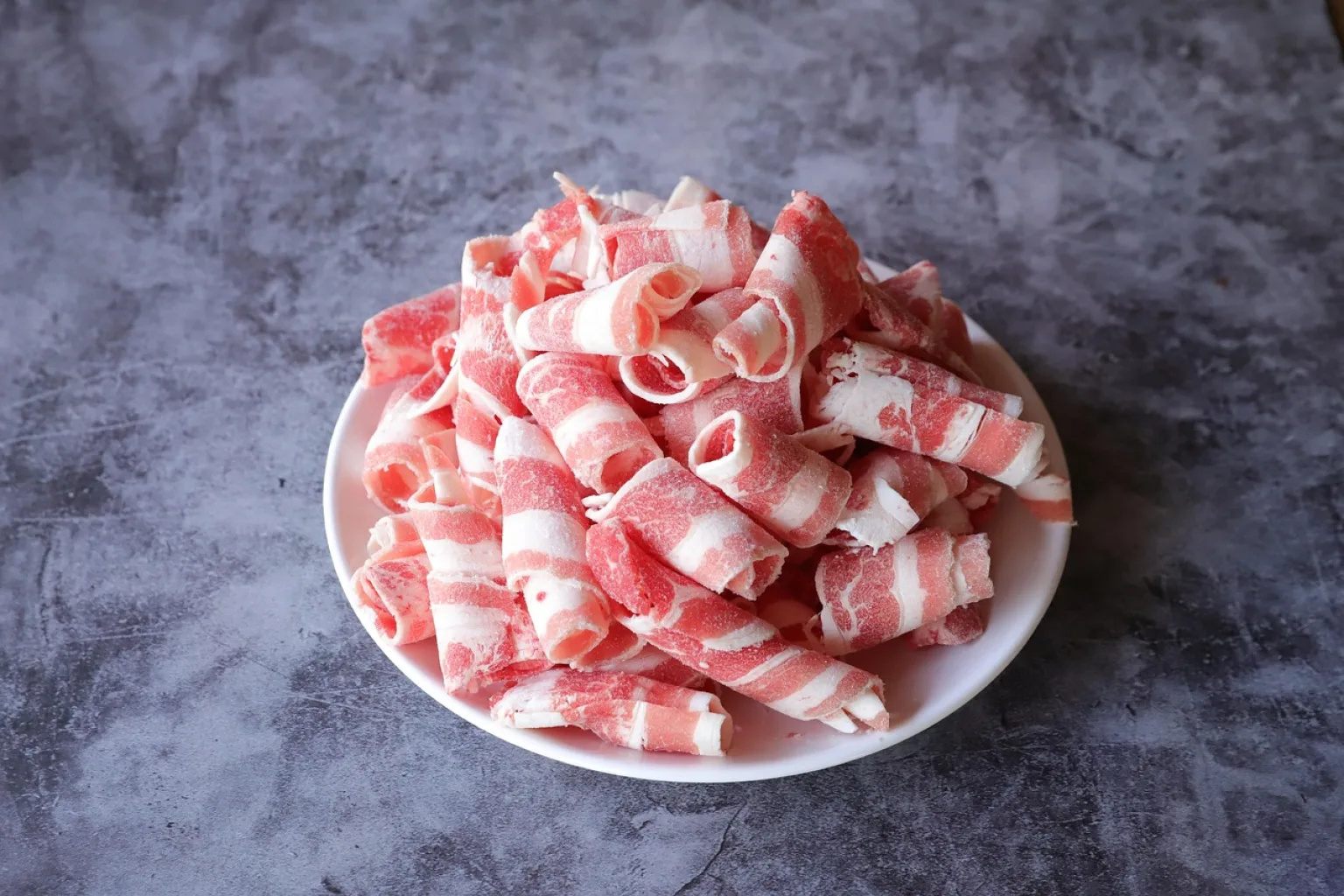
Pork belly comes from the underside of the pig and commonly combines lean meat with fat. When sold smoked, it has a distinctive smoky aroma, but products can differ in curing, salt level, thickness and cut. In some places, “smoked pork belly” is used for a product similar to bacon, although names and processes are not consistent everywhere. Check the label to see whether it is cured, how it is cut and whether it needs cooking; smoking alone does not tell you that it is ready to eat.
When to use it
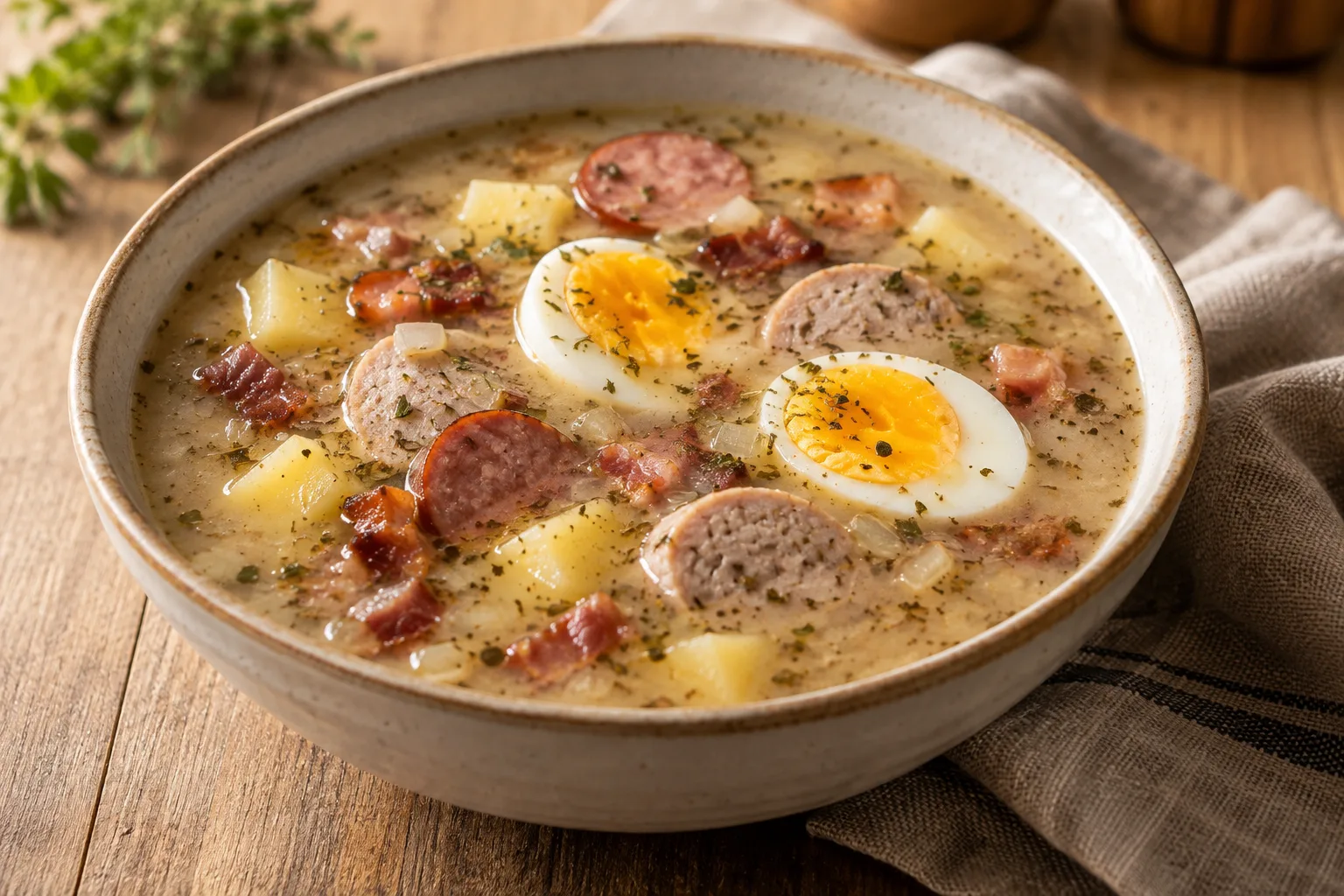
Use it when you want to add savory, smoky notes or small browned pieces of pork for contrast in texture. It works in stews, soups, bean dishes, pasta, rice, eggs, vegetables, sandwiches and salads. Since its intensity and saltiness vary, start with a modest amount and taste before seasoning the rest of the dish. Choose slices for frying or sandwiches, and diced pieces or lardons when you want them distributed through a recipe.
How to use it
Read the package before cooking: products may be cured and smoked in different ways, and the label should state whether cooking is needed. Cut slices or pieces to suit the recipe. For browned pieces, sauté or fry them and allow some of the fat to render; add them to pasta, rice, eggs, vegetables, soups or stews. A small amount can also flavor beans or sauces as they cook. Taste the dish before adding salt, since the pork may contribute plenty. Follow the maker’s handling and cooking directions, and do not assume that smoked means ready to eat.
Flavour and texture
It tastes savory, salty and smoky, with intensity that depends on the product and how it was made. The balance of meat and fat varies too; cooking can make the fat succulent while thinner pieces brown and become crisp. Smoke may be subtle or pronounced, so taste a little before pairing it with delicate ingredients.
How to choose it
Check the product name and ingredient label to see whether it is cured, smoked, sliced or diced, and read the maker’s preparation directions. The terms pork belly and bacon are not used consistently for every product or in every region. Choose the format that suits your recipe, and check that the packaging is intact and storage instructions are clear.
Storage
Store it according to the package directions, which can differ with curing, packaging and format. After opening, follow the maker’s specific refrigeration and use instructions, and keep the product protected and securely wrapped. Do not apply one universal storage period to all smoked pork belly or assume smoking makes it shelf-stable.
Substitutions
Unsmoked cured pork belly can provide richness and pork flavor, but it will lack the smoky notes. Bacon can serve a similar cooking role, although its saltiness, cut and smoke flavor may differ. Adjust the amount and taste before adding salt; no substitute will exactly match every product.
Common mistakes
Adding too much at the start can overwhelm a dish or make it too salty. Do not assume product names indicate one standard curing or smoking method. Also, do not assume it is ready to eat or can be stored outside refrigeration; check the package directions.
Safety and allergens
Follow the package directions for storage and cooking. Smoking alone does not confirm that the product is ready to eat; if the label says it needs cooking, cook it before serving. Avoid relying on a generic cooking time or temperature for products made with different processes.
Culinary uses
- Smoky, savory flavoring for soups, stews, legumes and vegetable dishes
- Crisp or browned topping for salads, pasta, eggs and sandwiches
Recommended techniques
- Cut into lardons or small pieces and sauté until browned; drain excess fat if desired
- Fry or grill slices until cooked to the texture required by the recipe
- Add small pieces to soups, stews, rice or pasta to season the dish
Pairs well with
- Eggs and breakfast dishes
- Pasta, rice and creamy sauces
- Legumes, cabbage and other vegetables
- Bread, sandwiches and salads
Frequently asked questions
Is smoked pork belly the same as bacon?
They can be similar, and the names overlap in some places, but the cut, curing and smoking process are not the same for every product. Check the label.
Does it need to be cooked before eating?
That depends on the product. Follow the package directions; the word “smoked” alone does not guarantee that it is ready to eat.
How much salt should I add?
Start with little or no added salt, cook the pork, then taste the whole dish before adjusting. Saltiness varies by product.
Estimated nutrition
- Fat
- 39.3 g
- Saturates
- 12.5 g
- Carbohydrate
- 7.14 g
- Sugars
- 3.57 g
- Fibre
- 0 g
- Protein
- 35.7 g
- Salt
- 4.55 g
Sources and review
Automatically researched, cross-checked and validated content. Sources consulted:
- Client Challenge doi.org
- Gastronomía de Galicia - Wikipedia, la enciclopedia libre es.wikipedia.org
- elBulli: un nuevo lenguaje en la gastronomía repositorio.ucjc.edu
- El bacon en la cocina friolisa.es
- Reto Le Cordon Bleu Madrid: Ensalada de romanesco con pesto de rúcula, anchoas y almendras cordonbleu.edu
- llistat 2025 cast (08/04/2026) repositori.upf.edu
- Panceta, la rica parte del vientre del cerdo | Recetas Nestlé recetasnestle.com.ar
- Te explicamos la diferencia entre la panceta ahumada y la salada cerditomio.es
- Panceta: Historia, Variedades y Recetas Para Disfrutar — Ibéricos Sofía Luengo ibericossofialuengo.es
- Descubre los alimentos - Panceta | mentta.com mentta.com
- Panceta ahumada casera, no querrás comprar otra nunca más! – Gastronoming gastronoming.com
- ¿Qué diferencia entre panceta y bacon? | Ibéricos Casa Lucas ibericoscasalucas.com
- Novedad: panceta curada y ahumada - productos y embutidos de Leon - Embutidos Entrepeñas embutidosentrepenas.es
- **Comparativa de Panceta Curada: Los Mejores Cortes y Maridajes para Elegir la Perfecta** laovejaquebala.es