- Category
- Meat
- State
- Fresh
- Usual unit
- kg
What it is
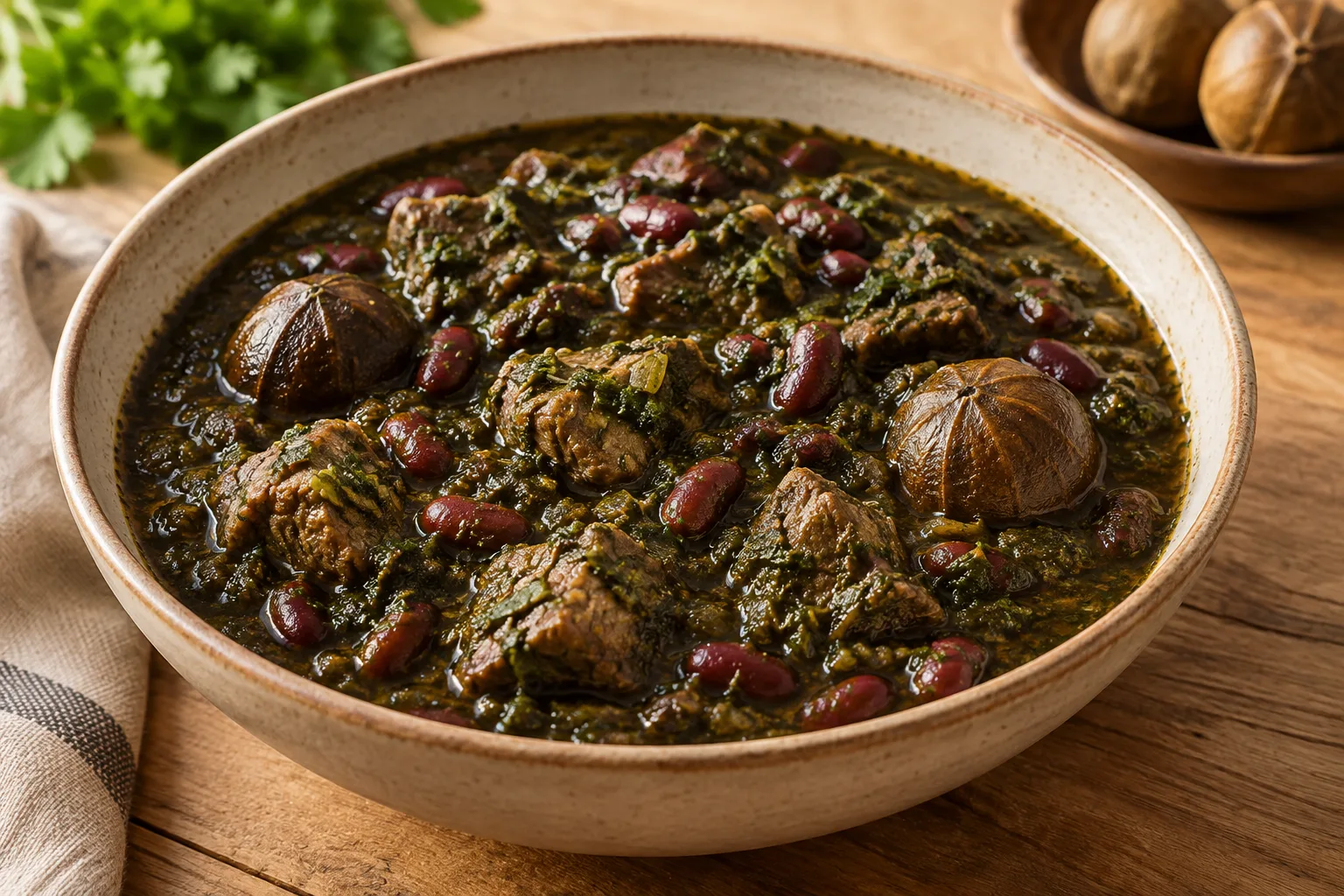
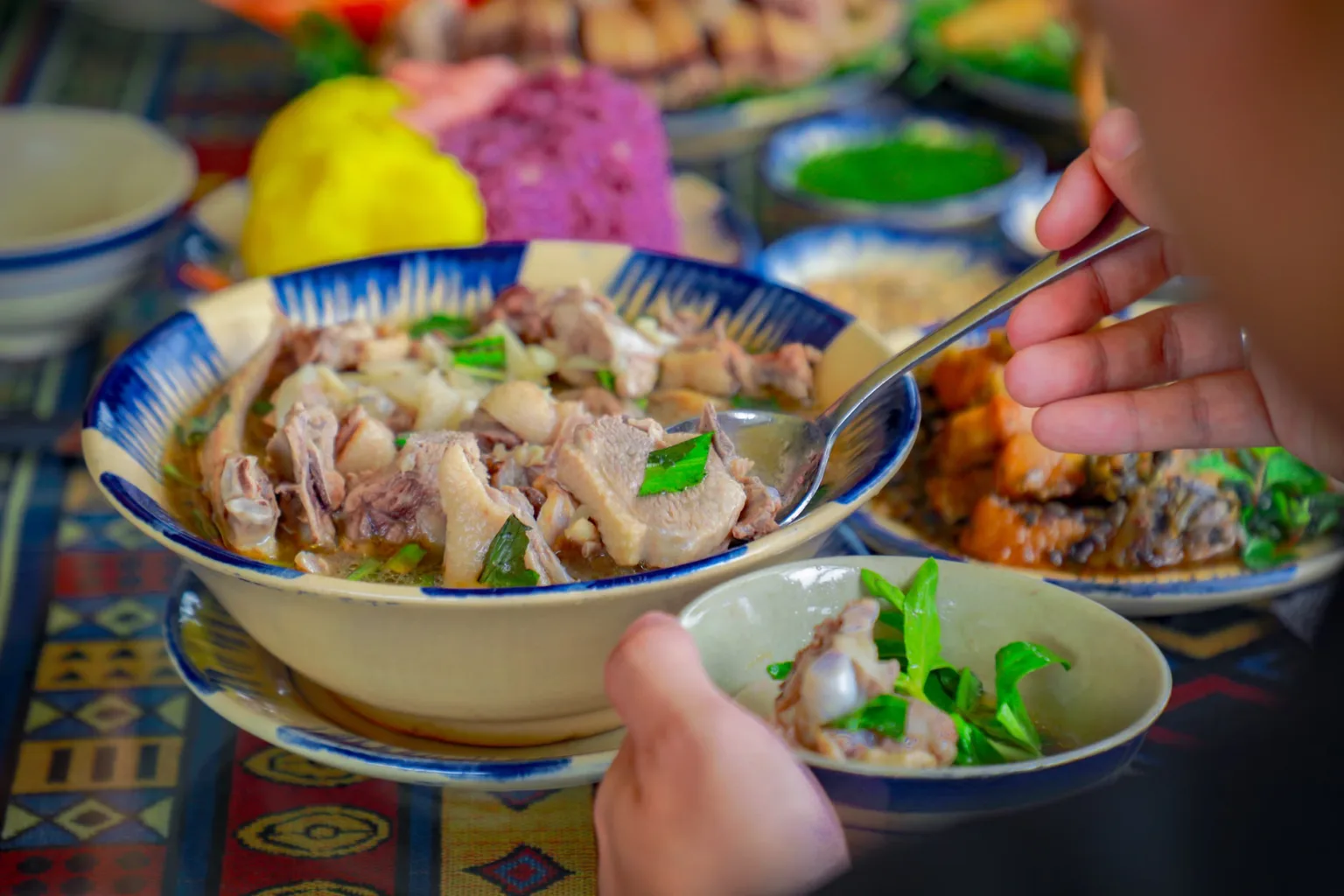
Stewing lamb does not necessarily mean one specific cut. The name usually describes lamb sold or prepared in pieces for dishes cooked with sauce. Shoulder, neck and breast are commonly used for stews and casseroles, although other cuts can also be cut into pieces and used. The choice affects how much bone, fat and connective tissue is present, so pieces sold for stewing may not all cook or serve in exactly the same way. It is an ingredient intended for a wet-cooking preparation such as a stew, rather than the name of a single anatomical cut.
When to use it
Choose stewing lamb for a casserole, stew or another dish in which the meat cooks with liquid or sauce. Shoulder, neck and breast are commonly used for these preparations; choose among the available cuts with their differing amounts of bone in mind. The animal's age also affects the character of the meat: culinary sources describe meat from younger animals as more delicate and meat from older animals as more pronounced in flavor. Select a recipe designed for the cut and cooking equipment you have rather than assuming every piece requires the same approach.
How to use it
Check which cut you have bought and whether the pieces contain bone. Follow a reliable stew or casserole recipe. A lamb recipe may begin by browning the meat and then cook it with aromatics and liquid, but the exact method depends on that recipe. Cumin, garlic and ginger can provide a spiced direction; vegetables, potatoes or legumes are possible accompaniments. If you use a pressure cooker, follow a recipe designed for that appliance and do not infer cooking times from this ingredient guide. Keep raw-meat handling separate from ready-to-eat foods and clean the equipment and work surfaces after use.
Flavour and texture
Flavor varies with factors including the animal's age: culinary sources describe younger lamb as more delicate and older animals as more assertive. Stewing pieces can differ in bone, fat and connective tissue, so their texture and usable meat vary by cut. Neck is described as a bony cut with tendons, while shoulder is described as juicy and tender, though it contains more bone than the leg. These differences are normal features of the cuts, not evidence that all stewing lamb should have one uniform texture.
How to choose it
Check the label or ask which cut is in the pack, and whether it is bone-in. Shoulder, neck and breast are common choices for stews, but they do not provide the same proportion of bone and meat. Choose good-quality meat that has been kept refrigerated. Do not rely on one exact meat color as a universal quality test; age can affect the appearance of lamb.
Storage
Keep the lamb refrigerated until you prepare it, and use clean utensils and work surfaces. The university-extension source advises that meat intended for preservation should have been kept refrigerated, but this guide does not establish storage times or temperatures for fresh lamb. For freezing or other preservation, follow current official guidance for the specific method; cooking advice is not preservation guidance.
Substitutions
If a recipe calls for a cut you cannot find, lamb shoulder, neck or breast are commonly used alternatives for stews and casseroles. Bone and connective tissue vary between cuts, so the finished dish can differ. The available evidence does not establish an exact substitution with another species or specific cooking adjustments.
Common mistakes
Do not assume that all meat sold for stewing is the same cut: shoulder, neck and breast differ in bone, fat and connective tissue. Do not automatically transfer a stovetop recipe's timing to a pressure cooker, or leave raw lamb unrefrigerated while preparing other ingredients.
Safety and allergens
Keep lamb refrigerated before preparation. After handling raw meat, wash your hands and clean surfaces, cutting boards and utensils with soap and water. Cook it according to a reliable recipe; this guide does not specify safe cooking times or temperatures.
Culinary uses
- Ingrediente principal para guisos y estofados de cocción lenta.
- Carne para calderetas y platos con salsa.
Recommended techniques
- Guisar o estofar en líquido a fuego suave.
- Dorar la carne antes de añadirla a la preparación; también puede cocinarse en olla a presión siguiendo una receta fiable.
Pairs well with
- Patatas y verduras.
- Puré de garbanzos u otras legumbres.
- Comino, ajo y jengibre.
Frequently asked questions
Which cuts are commonly used for stewing lamb?
Shoulder, neck and breast are common choices for stews and casseroles; other lamb cuts can also be cut into pieces.
Can I stew lamb on the bone?
Yes. Stewing pieces may contain bone, and neck is specifically described as a bony cut. Check the cut and follow a recipe suited to it.
What can I serve with stewed lamb?
Vegetables, potatoes, vegetable purées and legumes such as hummus are among the accompaniments mentioned for lamb dishes.
Sources and review
Automatically researched, cross-checked and validated content. Sources consulted:
- Client Challenge doi.org
- Mexican Immigrants´ Foodways In El Paso, Texas, 1880- ... scholarworks.utep.edu
- Duke University Dissertation Template dukespace.lib.duke.edu
- elBulli: un nuevo lenguaje en la gastronomía repositorio.ucjc.edu
- Vamos a Conservar Alimentos: Carnes extension.psu.edu
- De 1 & 4 p. dl.library.ucla.edu
- llistat 2024 cast (08/04/2026) repositori.upf.edu
- El cordero, base de nuestra cultura, gastronomía y economía | Cultura restaurantecain.es
- El cordero, un auténtico placer gastronómico - La Mesa Habla lamesahabla.com
- "ALIGN=CENTER>LES TROIS MOUSQUETAIRES -- Los tres mosqueteros" people.duke.edu
- - YouTube youtube.com
- Las 51 mejores recetas con cordero fáciles y ricas nuevoestilo.es
- Cordero guisado al estilo del norte de China – con puntos heterodoxos! | Umami Madrid umami-madrid.com