- Category
- Sugar and sweeteners
- State
- Dry
- Usual unit
- g
What it is
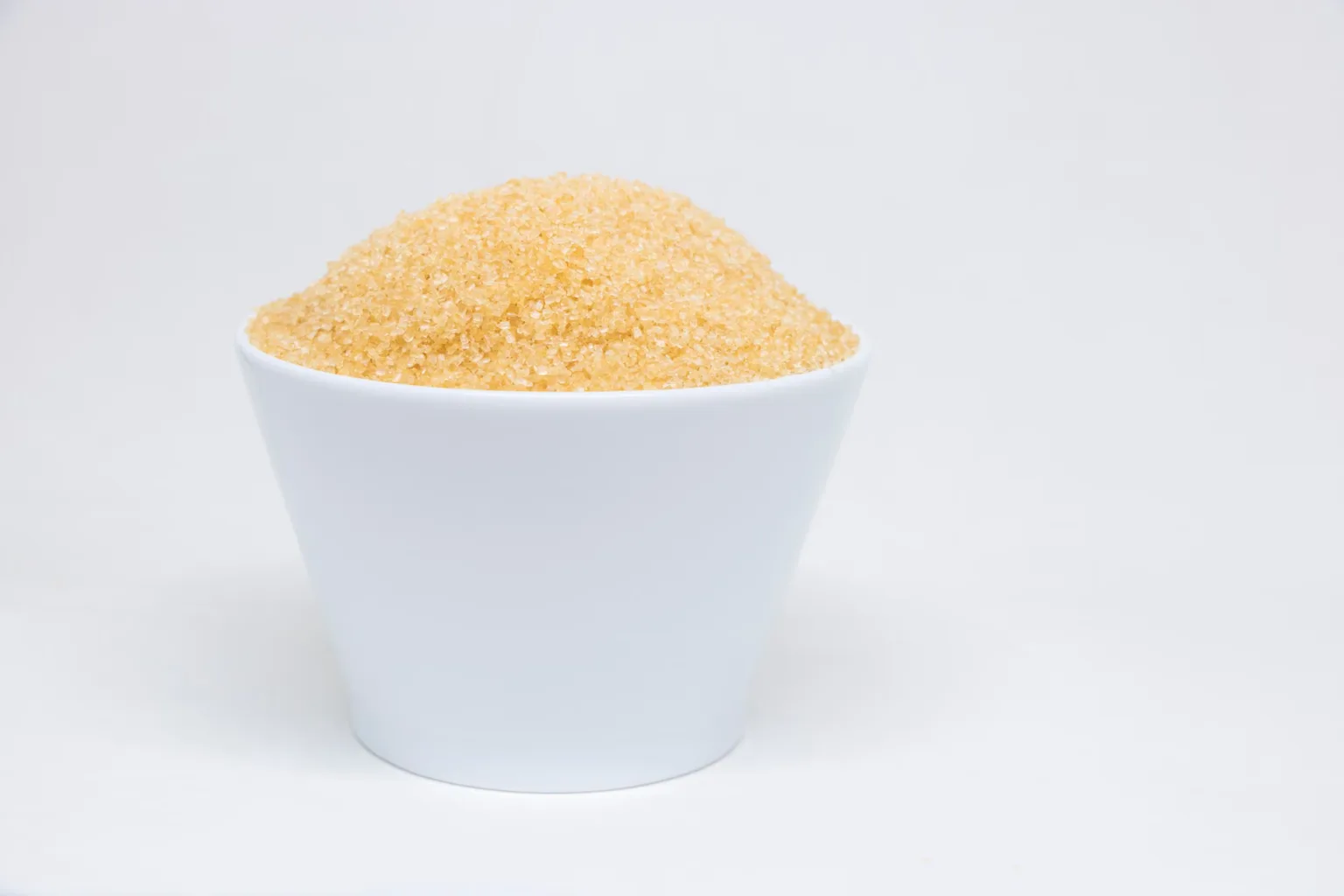
“Sugar for filling” describes how an ingredient is used in a recipe; it does not identify a particular variety. Unless the recipe says otherwise, it may mean ordinary granulated sugar, but the wording alone does not establish the type, grain size, or whether it is white or brown. Table sugar is commonly sucrose, made up of glucose and fructose, and can be derived from sugar cane or beet. In a filling, it adds sweetness and can enhance the flavors of other ingredients. Its behavior depends on its form: granulated sugar dissolves in liquids and can be creamed with eggs and butter; powdered sugar is finer and blends readily; brown sugar brings molasses notes, aroma, and color. Follow the recipe’s specification rather than assuming all sugars produce the same result.
When to use it
Use the sugar specified for the filling and measure it accurately, especially in a fruit filling. Fruit and its varieties can differ in flavor, so the amount may be adjusted according to the recipe and preference; do not apply that flexibility to other ingredients or processes. Ordinary granulated sugar is a practical choice when no variety is specified. Powdered sugar may suit a mixture where quick blending or a fine texture is wanted, while brown sugar is useful when its characteristic notes are desired. For fruit preparations intended for preservation, follow a tested recipe and do not alter its safety instructions.
How to use it
First check whether the recipe calls for granulated, powdered, brown, or another variety; “sugar for filling” does not define a particular form. Weigh the stated amount and mix it with the ingredients in the order given. Ordinary sugar can be added to cold or hot liquids and can also be creamed with eggs and butter in recipes that call for that method. When mixing it with fruit, distribute it evenly and follow the recipe’s amounts, since different fruits can vary in flavor. Powdered sugar blends readily and can be sifted to remove lumps; brown sugar adds a molasses-like profile and more color. When heated, sugar can melt and caramelize, so use it this way only when the method calls for it. Do not assume that swapping varieties will give an identical result.
Flavour and texture
Ordinary sugar adds sweetness and may enhance other ingredients’ flavors, depending on the recipe. Granulated sugar has distinct crystals before it dissolves; in liquid, it blends in. Powdered sugar is much finer and incorporates readily. Brown sugar contributes molasses notes, aroma, and color. The final result depends on the sugar variety and how it is used.
How to choose it
Check the recipe before shopping: the general label does not tell you whether granulated, powdered, or brown sugar is needed. Read the package to confirm the variety and texture, and choose a dry product without visible moisture or clumping. If the recipe gives no further detail, ordinary granulated sugar is the reference use described for common sugar; do not assume that it can replace every type in every filling.
Storage
Store sugar according to the package directions and keep moisture out of its container. The available evidence describes ordinary granulated sugar as suitable for pantry storage without especially strict conditions, but it does not establish a universal method, temperature, or storage period for every variety. Keeping it dry helps preserve a free-flowing texture; check the label for product-specific instructions.
Substitutions
Brown sugar can replace white sugar when the recipe allows, but it adds molasses notes, aroma, and color. Powdered sugar may suit mixtures that call for a fine texture or easy blending, though commercial products may contain starch to prevent clumping. The evidence here does not establish a universal quantity conversion or identical results: follow the recipe and substitute only where it permits.
Common mistakes
Do not assume that “sugar for filling” always means white granulated sugar; a recipe may call for another variety. Avoid switching to brown or powdered sugar without considering their differences in flavor and texture. Do not guess the amount in a fruit filling or change instructions in a recipe intended for preservation.
Safety and allergens
No specific safety warning for dry sugar is established here. Follow the package directions; if the filling includes fresh fruit or is being prepared for preservation, use a reliable recipe and follow its handling and preservation instructions.
Culinary uses
- Endulzar el relleno
- Realzar el sabor y contribuir a la textura de la preparación
Recommended techniques
- Disolver o mezclar con los ingredientes del relleno
- Batir con huevos y mantequilla cuando la receta lo indique
- Caramelizar al calentar, si la elaboración lo requiere
Pairs well with
- Fruta para rellenos de tartas y pasteles
- Huevos y mantequilla en preparaciones de repostería
- Líquidos para almíbares o mezclas que necesiten azúcar disuelto
Frequently asked questions
What kind of sugar does “sugar for filling” mean?
The phrase describes a use, not a particular variety. If the recipe does not specify, ordinary granulated sugar is the usual reference, but check the ingredient list.
Can I use powdered sugar in a filling?
It may work when a fine texture or easy blending is wanted. It is not identical to granulated sugar, and commercial powdered sugar may contain starch, so follow the recipe.
Will brown sugar change the result?
Yes. It can add molasses notes, aroma, and color that differ from white sugar. Use it when the recipe permits and expect a different result.
Sources and review
Automatically researched, cross-checked and validated content. Sources consulted:
- The Essential Glossary of Cooking Terms for the Culinary Arts - Escoffier escoffier.edu
- Del blanco a la panela: los 19 tipos de azúcar más comunes, en qué se diferencian y cómo usarlos en cocina directoalpaladar.com
- educational content to support healthful lifestyle practices sjsu.edu
- Dictionary of Health Related Terms: English – Spanish hia.berkeley.edu
- Foods and Flavors to Savor in South America - UCEAP News and Features blog.uceap.universityofcalifornia.edu
- Free Standing, Slide In, and Drop In Electric housing.illinoisstate.edu
- Comité Científico aesan.gob.es
- Vamos a Conservar Alimentos: Rellenos de fruta para tartas, tortas y pasteles extension.psu.edu
- Glimpses of an 18th century Colonial Kitchen in Manila archium.ateneo.edu
- Por qué el azúcar de la fruta es bueno para la salud y el de los procesados no doi.org
- Azúcar para todos los gustos – La vida sabe mejor lavidasabemejor.es
- Ask IFAS: Wendy Dahl ask.ifas.ufl.edu
- Azúcar: El ingrediente mágico que -con moderación- transforma tus recetas hola.com
- Tipos de azúcar aplicados en repostería y pastelería | CEAC ceac.es