- Category
- Sugar and sweeteners
- State
- Dry
- Usual unit
- cup
What it is
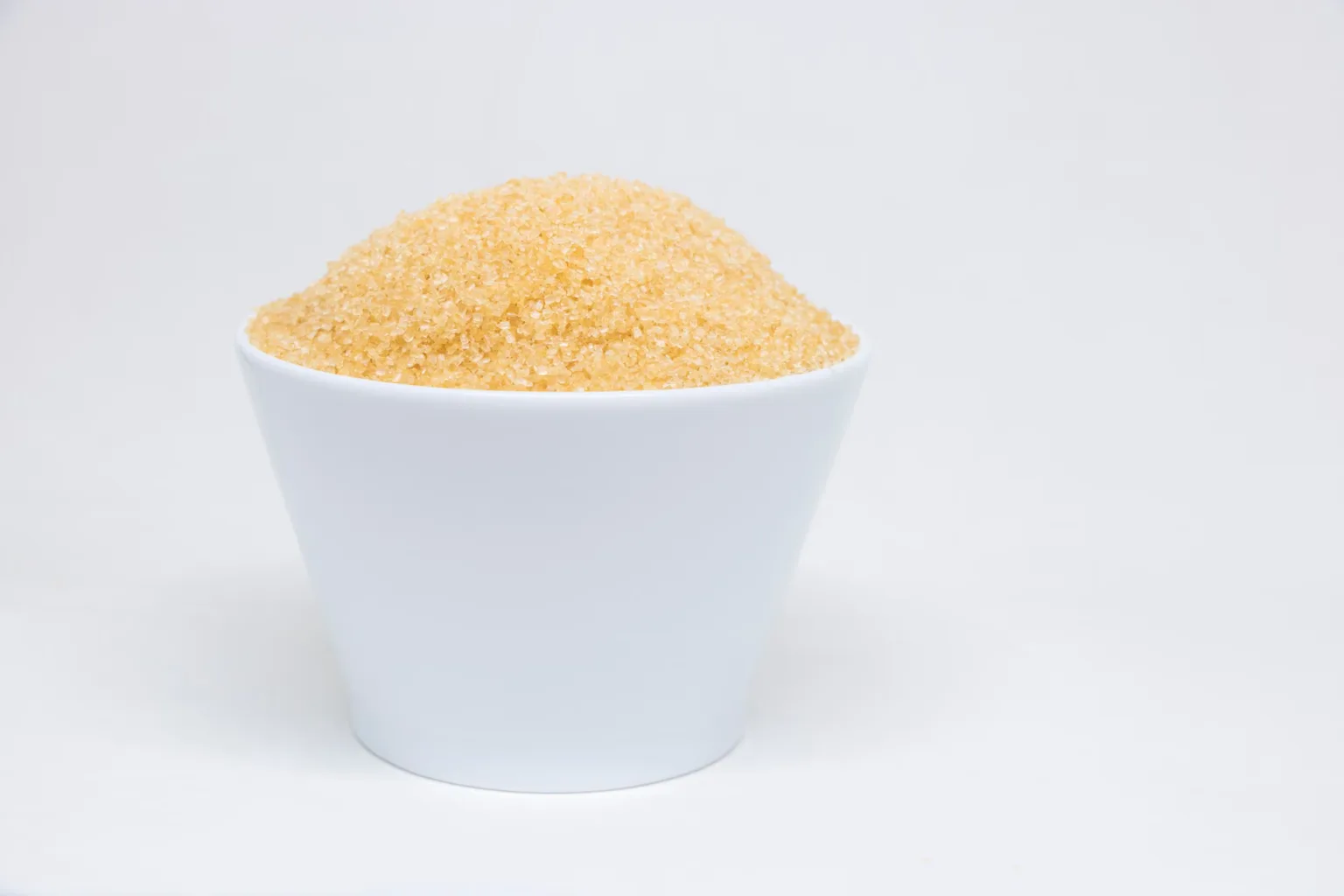
“Sugar for the sauce” describes an ingredient’s role, not a particular variety. A recipe may mean granulated white sugar, brown sugar, or another form. Sugar adds sweetness and can counter a noticeable acidic or bitter edge in some sauces. White sugar generally leaves other flavors more prominent, while brown sugar can add molasses notes, aroma, and color. Powdered sugar is finer and mixes readily, but the right choice depends on the recipe and intended result. The phrase alone does not specify a variety or amount: check the ingredient list, and do not assume every sauce needs added sugar.
When to use it
Use it when the recipe calls for it or when tasting suggests that a sauce needs a little sweetness to balance acidity or bitterness without masking its other flavors. It can be useful in some tomato sauces and preparations containing vinegar, where a touch of sweetness may balance the overall flavor. Sugar is not required in every sauce and does not correct every kind of imbalance. If you do not have a fixed recipe, begin with a small amount, mix, and taste before adding more. Brown sugar may suit a sauce when you want molasses notes and deeper color; white sugar is often chosen for a more neutral sweetness.
How to use it
First check which variety and amount the recipe specifies: “sugar for the sauce” alone does not settle either detail. Add the sugar to the preparation and mix it in thoroughly. If seasoning to taste, start with a small amount, let it combine, and taste before adding more. In an acidic sauce, the aim is to soften the contrast, not make the sauce taste sweet. White sugar offers a more neutral flavor; brown sugar can add molasses notes, aroma, and color. Powdered sugar blends readily because it is fine, but it is not an automatic replacement in every recipe. Caramelize sugar only when the method calls for it; heating can change its color and flavor. For home-canned foods, do not alter the amounts in a tested recipe: sugar can affect texture and product safety.
Flavour and texture
Sugar adds sweetness and can help balance acidic or bitter notes. White sugar usually has a more neutral effect on the other ingredients. Brown sugar can add molasses notes and deepen color; powdered sugar is finer and blends readily. The result depends on the variety, amount, and recipe.
How to choose it
Choose a form that matches the recipe: granulated white sugar for more neutral sweetness, brown sugar for molasses notes and color, or powdered sugar when quick blending is useful. Check the package to identify the type clearly; “for sauce” does not by itself indicate a special variety. For longer-term storage, a university extension source recommends good-quality refined granulated sugar from a trusted commercial source.
Storage
Keep dry sugar in a cool, dry place, away from strong odors and moisture. Moisture can make granulated sugar hard and lumpy, and sugar can absorb strong odors. For longer-term storage, airtight containers that protect it from moisture and odors are recommended. Dry sugar does not need refrigeration. Follow any specific storage directions printed on the product package.
Substitutions
White and brown sugar can both provide sweetness, but they are not identical: brown sugar can add molasses notes and more color. Powdered sugar is finer and blends readily, yet a recipe may rely on a particular form. Changing the variety or form may alter flavor or the result. When precision matters, follow the original recipe; make small changes only when adjusting a sauce to taste.
Common mistakes
Adding a large amount at once can make a sauce too sweet and mask other flavors. Another mistake is assuming all forms have the same effect: brown sugar brings molasses notes and color, while powdered sugar has a finer texture. Do not confuse seasoning a sauce for serving with changing a home-canning formula; use the amounts specified in a tested canning recipe.
Safety and allergens
The supplied sources do not provide a specific official safety warning about dry sugar as an ingredient. Read the product label and check ingredient and allergen information for the complete preparation, especially when using a blend or flavored sugar. For home canning, use a tested recipe and do not change its amounts.
Culinary uses
- Endulzar y equilibrar el sabor de salsas ácidas o amargas
- Aportar color y aroma cuando se carameliza
Recommended techniques
- Disolver y mezclar en la salsa
- Añadir poco a poco y ajustar al gusto
- Caramelizar cuando la receta lo indique
Pairs well with
- Salsas de tomate
- Preparaciones con vinagre
- Salsas para acompañar carnes
Frequently asked questions
Which sugar should I use in a sauce?
Follow the variety named in the recipe. White sugar has a more neutral profile; brown sugar can add molasses notes and color.
Does sugar remove acidity from sauce?
It can soften the acidic contrast and balance the flavor, but it does not remove acidity and is not needed in every sauce.
How can I keep a sauce from becoming too sweet?
Add sugar a little at a time, mix, and taste before adding more. If following a recipe, use its specified amount.
Sources and review
Automatically researched, cross-checked and validated content. Sources consulted:
- En el etiquetado alimentario hay algunas menciones que son obligatorias eletiquetadocuentamucho.aesan.gob.es
- The Essential Glossary of Cooking Terms for the Culinary Arts - Escoffier escoffier.edu
- Salsa de Manzana y Durazno (Melocotón) (Spanish) - National Center for Home Food Preservation nchfp.uga.edu
- Agencia Española de Seguridad Alimentaria y Nutrición aesan.gob.es
- Nutrition After Your Transplant - Health Online healthonline.washington.edu
- Food Labeling Guide marketready.uky.edu
- Vamos a Conservar Alimentos: Ingredientes Utilizados en las Conservas Preparadas en Casa extension.psu.edu
- Storing Sugars | USU extension.usu.edu
- Safe & Healthy Food Pantries Project - Health & Well-Being health.extension.wisc.edu
- Por qué el azúcar de la fruta es bueno para la salud y el de los procesados no doi.org
- Azúcar para todos los gustos – La vida sabe mejor lavidasabemejor.es
- Beneficios y usos del azúcar en tu cocina republica.com
- Azúcar: El ingrediente mágico que -con moderación- transforma tus recetas hola.com
- Salsa Picante 1985 (Spicy Salsa) - lacocina.utsa.edu
- 10 usos indispensables del azúcar en la gastronomía | Club Susazón clubsusazon.com
- Descubre cómo el azúcar es un ingrediente versátil en la cocina · Hablemos de Azúcar hablemosdeazucar.com