- Category
- Vegetables
- State
- Dry
- Usual unit
- g
What it is
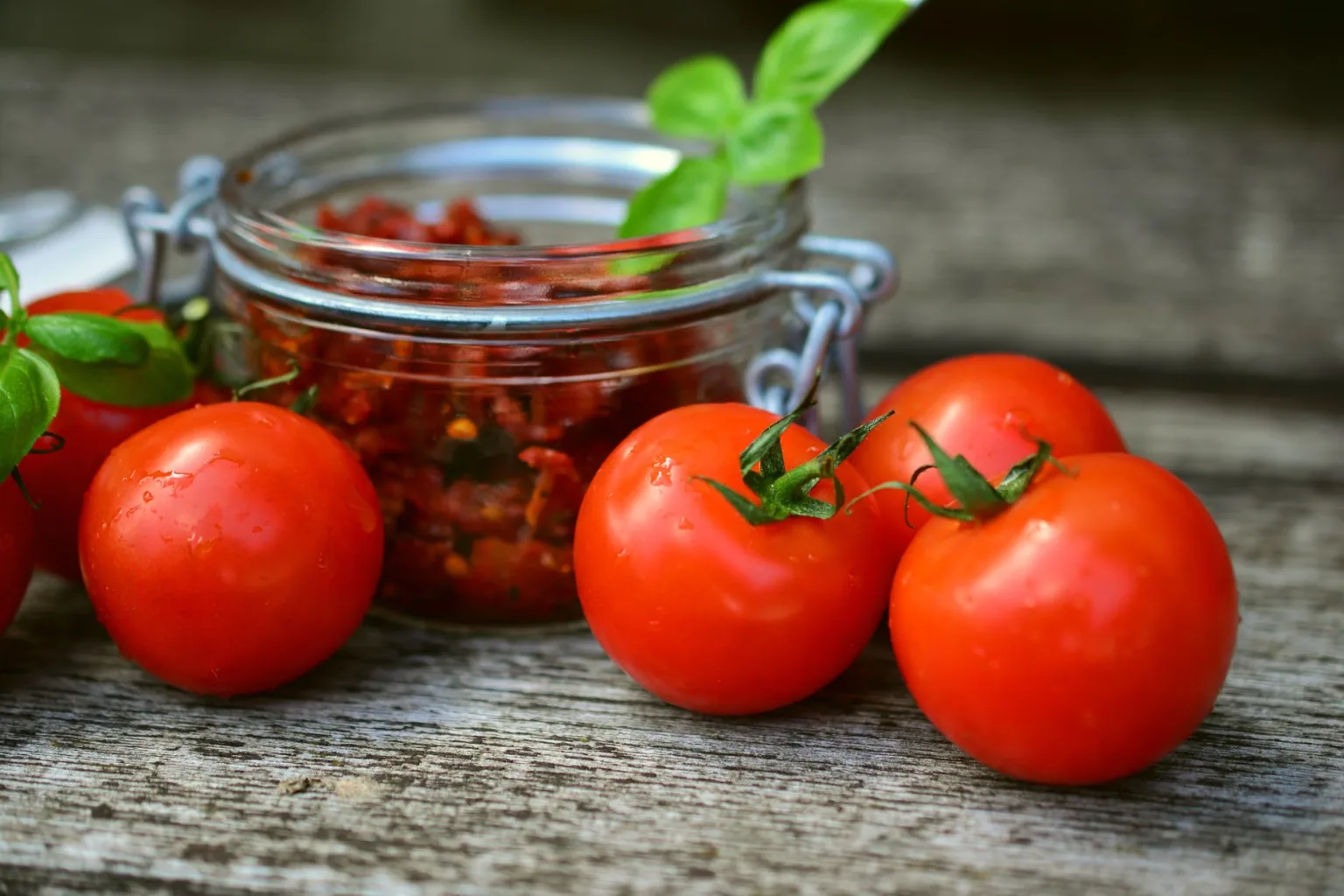
Sun-dried tomatoes are dehydrated tomatoes, often dried in the sun, though other drying methods are also used. As they lose water, they shrink and develop a more concentrated tomato flavor; their texture can be firm, chewy or meaty depending on how far they have dried and how they are sold. They are available plain-dried and packed in oil, and these forms may need different handling in a recipe. Salt and other ingredients can vary between products, so check the label when you need to know what is in a particular package. As a pantry product, they are not limited to the months when fresh tomatoes are harvested.
When to use it
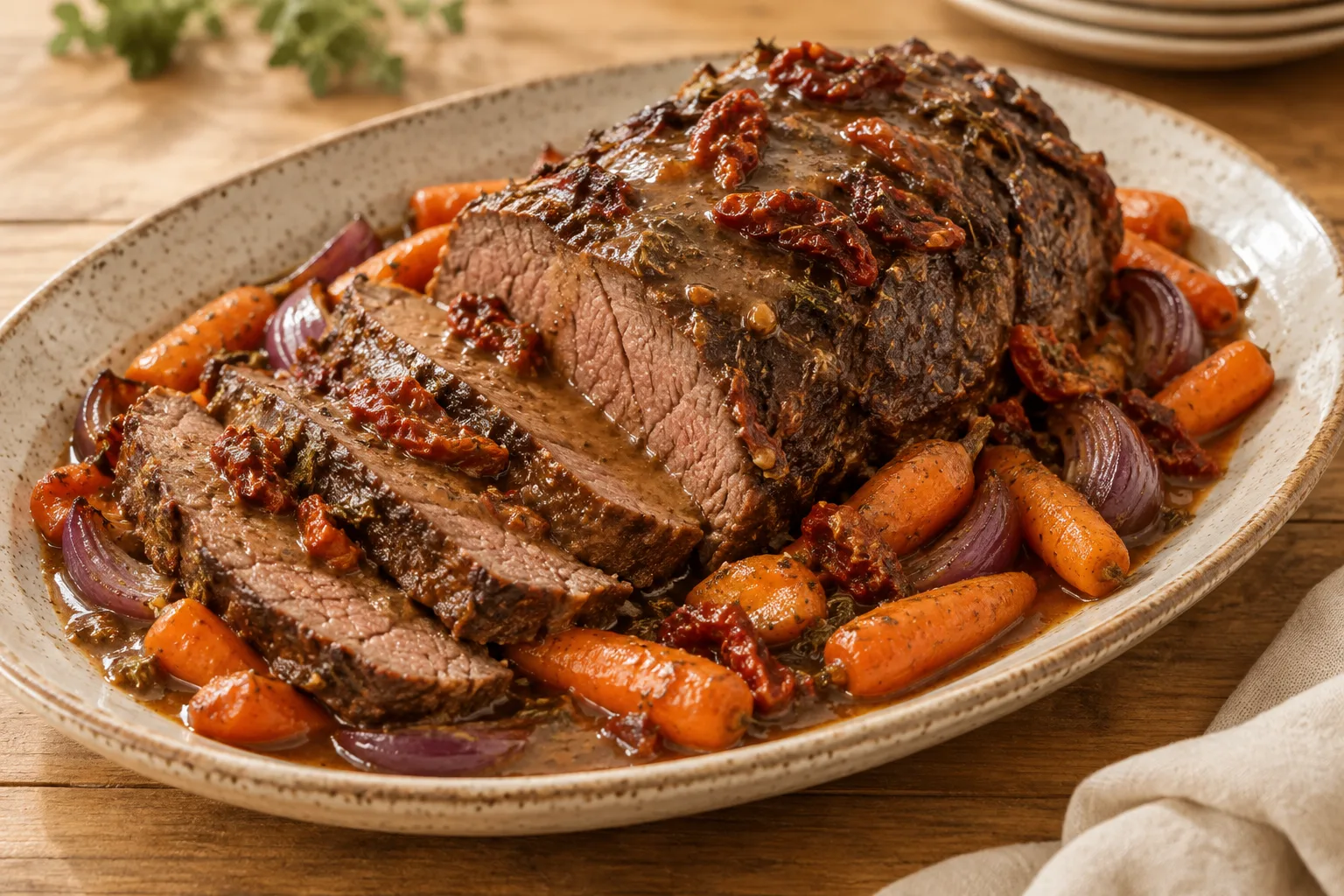
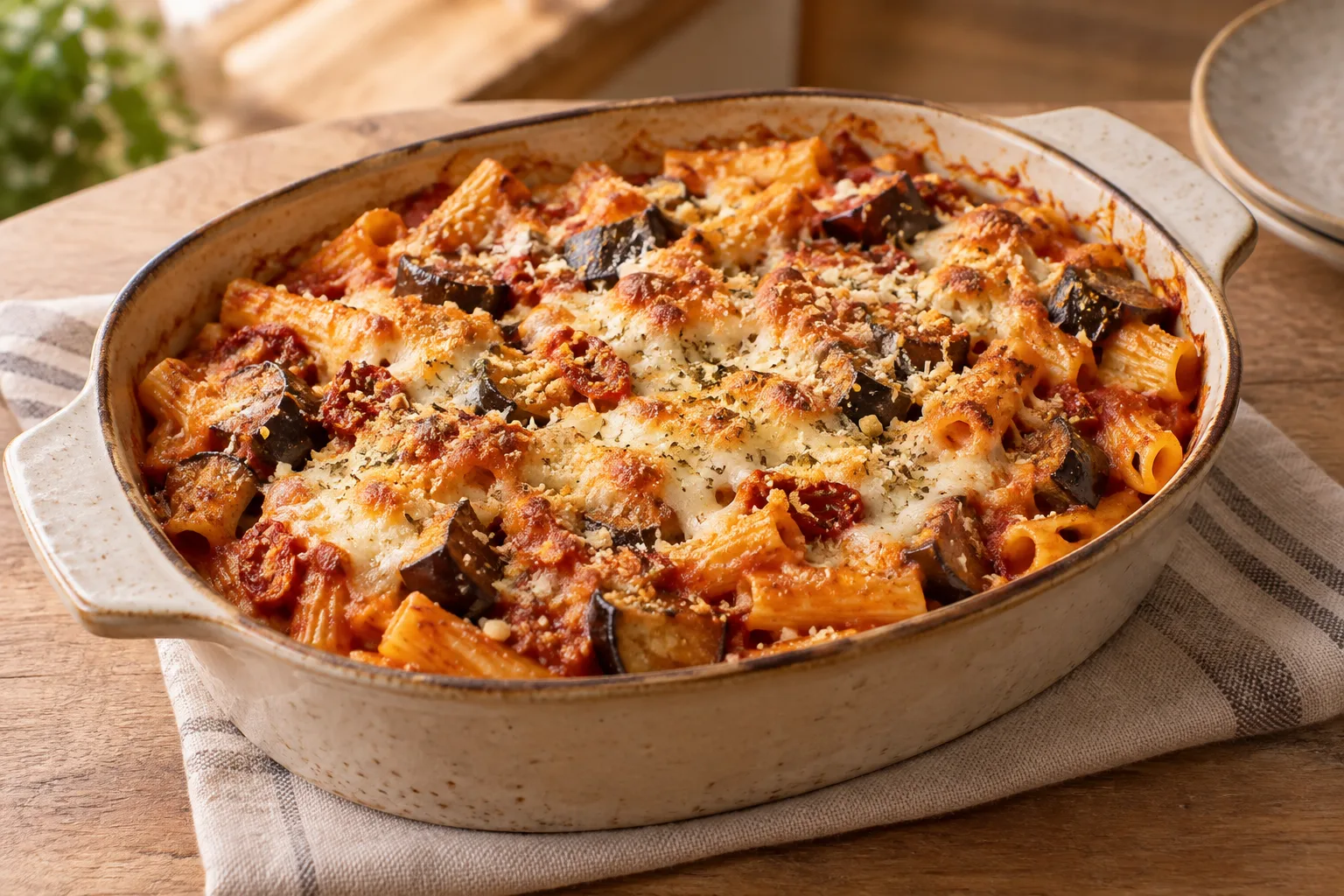
Use them when you want concentrated tomato flavor without the juiciness of fresh tomatoes. They work in pasta dishes, salads, breads, focaccia, sauces, fillings and spreads. If adding them to a moist cooking preparation, such as a stew or filling, chop them and cook them with the other ingredients. For salads, bruschetta and other dishes that are not cooked, rehydrating them can make their texture more tender. If they come packed in oil, account for that fat when adjusting the recipe.
How to use it
First check whether your tomatoes are plain-dried or packed in oil: the form changes the amount of moisture and fat they contribute. If they are dry and will be served without further cooking, rehydrate them until more tender, then drain before chopping. You can add them directly, in strips or small pieces, to sauces, stews, fillings or doughs that will cook with moisture. Blend them with other ingredients for a sauce or spread, or chop them over a salad, toast or pasta dish. Their flavor is concentrated, so start with a modest amount and adjust to taste. Follow the package directions for storage and use.
Flavour and texture
Drying concentrates tomato flavor, often giving these tomatoes an intense, savory profile with some sweetness and acidity. Texture varies: a very dry tomato can be firm and chewy, while a rehydrated or oil-packed one can be more tender and meaty. Cut size and degree of drying also affect how it blends into a dish. Because the flavor can stand out quickly, add them gradually and taste before adding more.
How to choose it
Choose a package that clearly states whether the tomatoes are plain-dried or packed in oil, and check the ingredient list and use directions. Salt and other ingredients can vary by product. If buying loose, look for tomatoes that appear dry and even, without visible moisture; for packaged products, check that the package is intact. If your recipe needs tender pieces for serving without cooking, consider whether you will need to rehydrate them first.
Storage
Keep plain-dried tomatoes in a tightly closed container and protect them from moisture. Do not assume the same storage directions apply to oil-packed or rehydrated products: follow the package instructions, especially after opening. The label is the reference for the particular product's storage conditions and duration. Avoid transferring prepared tomatoes to an unclean container or leaving the package open in a damp place.
Substitutions
Drained canned tomatoes can replace sun-dried tomatoes in sauces, but they contribute more moisture and less concentrated flavor, so the result may be thinner. Fresh tomatoes or tomato purée can also provide tomato flavor, but they change the texture and liquid content. These are not exact swaps: adjust the amount and moisture in the recipe, then taste before seasoning.
Common mistakes
A common mistake is using very dry tomatoes in a salad or spread without rehydrating them when a tender texture is wanted. Another is using them in the same amount as fresh tomatoes: their flavor is more concentrated. Do not treat oil-packed tomatoes as plain-dried ones, since they also add fat. Finally, do not overlook the package directions for storing an opened or prepared product.
Safety and allergens
Check the label for ingredients, declared allergens, and the storage and use directions for the specific product. Keep plain-dried tomatoes closed and protected from moisture; for oil-packed or rehydrated products, follow the manufacturer's directions. Do not use a damaged package or a product showing clear signs of spoilage.
Culinary uses
- Ingrediente concentrado para aportar sabor
- Guarnición o ingrediente para untables y salsas
Recommended techniques
- Rehidratar antes de usar cuando se desea una textura más tierna
- Picar, triturar o incorporar en preparaciones con humedad
Pairs well with
- Ajo y hierbas aromáticas
- Aceite de oliva, quesos y pasta
- Aceitunas y panes
Frequently asked questions
Do sun-dried tomatoes always need rehydrating?
No. Chopped tomatoes can go into moist preparations that will be cooked. For salads, spreads or uncooked bruschetta, rehydrating can make them more tender.
Can I use dry and oil-packed tomatoes in the same way?
Not exactly. Oil-packed tomatoes already contribute fat and are often more tender. Adjust the recipe to the product form and check its label.
What can I use instead of sun-dried tomatoes?
Drained canned tomatoes can work in sauces. Fresh tomatoes or tomato purée also add tomato flavor, but bring more moisture and a less concentrated taste.
Estimated nutrition
- Fat
- 2.97 g
- Saturates
- 0.43 g
- Carbohydrate
- 55.8 g
- Sugars
- 37.6 g
- Fibre
- 12.3 g
- Protein
- 14.1 g
- Salt
- 0.27 g
Sources and review
Automatically researched, cross-checked and validated content. Sources consulted:
- En el etiquetado alimentario hay algunas menciones que son obligatorias eletiquetadocuentamucho.aesan.gob.es
- Client Challenge doi.org
- Informe del Comité Científico de la Agencia Española de ... aesan.gob.es
- Tipos De Tomates: Variedades Y Usos Culinarios | La Fallera lafallera.es
- Cocinar con tomates secos: ideas y recetas | Gastronosfera gastronosfera.com
- Tomate seco - Wikipedia, la enciclopedia libre es.wikipedia.org
- Tomates secos: todos los trucos para usarlo en cocina y las nueve recetas en las que más brilla directoalpaladar.com
- ¿Cómo usar el tomate seco en tus platos? - RAJOPE rajope.es
- Tomates secos: ¿qué hacemos con ellos? | CocinaSinReceta.com cocinasinreceta.com
- Tomate seco pizcaypunao.es
- Tomate seco: El secreto detrás de su sabor intenso solococinar.com
- 3 deliciosas recetas con Tomate seco - Mercadona info.mercadona.es
- Los 8 mejores sustitutos del tomate seco para tus recetas - Cook & Logic cookandlogic.com
- Recetas con tomates secos: sabor intenso en platos gourmet okdiario.com
- Tomates secos: los trucos de tres chefs para prepararlos, hidratarlos y disfrutarlos en las mejores recetas - Foodit foodit.lanacion.com.ar