- Category
- Oils and fats
- State
- Liquid
- Usual unit
- l
What it is
Sunflower oil is made from sunflower seeds and is sold in different forms, including refined oils and products with different fatty-acid profiles. Refined oil is usually pale and relatively neutral in flavor, while less-refined versions may retain more of the seed’s characteristic aroma. Conventional and high-oleic sunflower oils are not identical in every respect: high-oleic oil contains a greater proportion of oleic acid and tends to be more stable when heated. Read the product name and label rather than assuming all sunflower oils behave alike. This profile covers liquid sunflower oil sold for cooking, not sunflower seeds.
When to use it
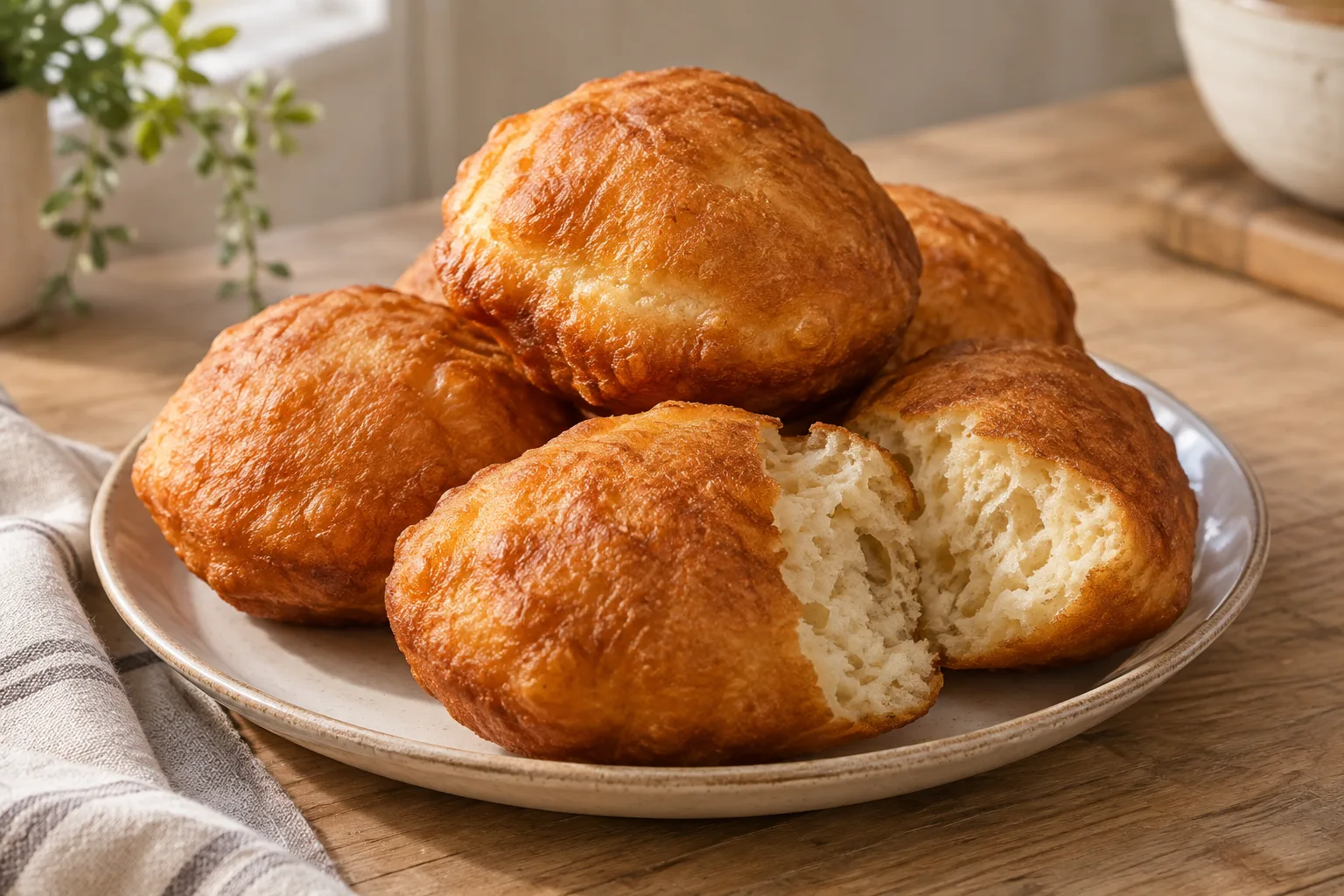
Choose sunflower oil when you want a mild-tasting frying fat or do not want the oil to dominate a dough or baked good. It is used to fry potatoes, green plantain, chicken and fish, and can also be included in some baking recipes. For frequent or prolonged frying, look for a label that clearly identifies high-oleic sunflower oil: its profile is generally more resistant to heat-related deterioration than conventional sunflower oil. Do not assume that a product called “frying oil” is pure sunflower oil; some are blends. For uncooked uses, remember that refined versions are mild, while less-refined oils may have a more pronounced flavor.
How to use it
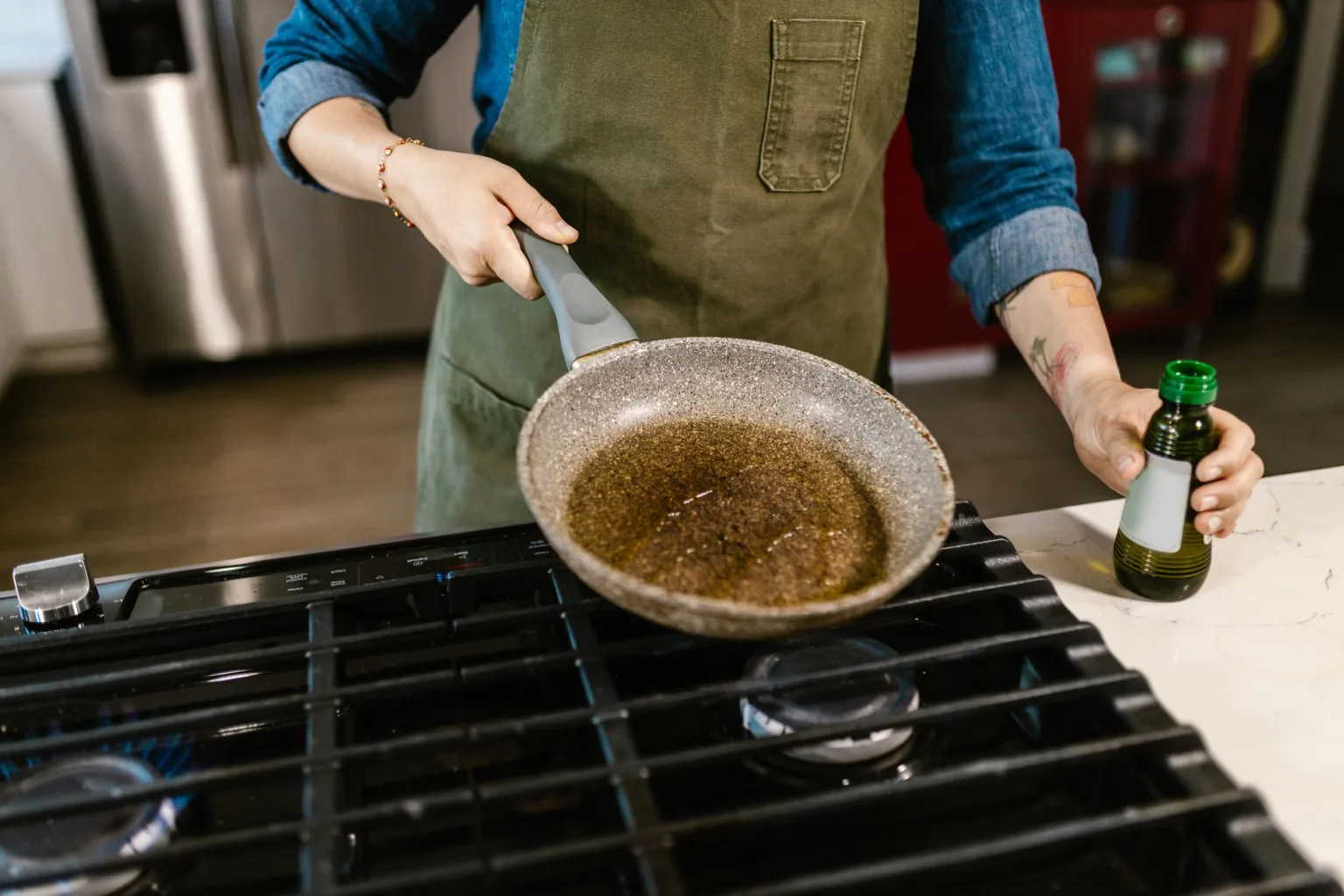
Use the oil according to the method in your recipe and the directions for the product. When frying, heat only the amount you need and avoid letting the oil smoke; add food carefully to reduce splashing, and do not overcrowd a pan or fryer. Refined sunflower oil is often useful when a neutral flavor is wanted, while high-oleic oil is worth considering for more demanding frying because of its comparatively greater stability. Sunflower oil can replace a liquid fat in some doughs and cookie recipes; use the amount specified in a suitable recipe, since replacing butter with oil does not always produce the same texture. Drain fried foods and assess the oil after use: rancid odor, brown residues, thickening or persistent foaming are described signs of deterioration in frying oil. There is no universal number of reuses that applies to every oil and use.
Flavour and texture
Refined sunflower oil is usually pale yellow with a mild smell and flavor, allowing the food’s own character to come through. In fried foods it may leave a subtle characteristic note; unrefined versions can have a stronger, seed-like aroma. As a liquid fat, it works in doughs and preparations that call for oil. The exact sensory profile depends on refining and the product, so the words “sunflower oil” alone do not fully describe its flavor.
How to choose it
Read the product name, ingredient list and any “high oleic” or “for frying” wording: some frying products are oil blends, and products do not all contain the same proportion of high-oleic sunflower oil. If you want greater stability for frying, choose a product identified as high oleic and check what is actually in the bottle. Refined oil is generally more neutral; less-refined versions may have more seed aroma and flavor. Compare the specific product label rather than relying only on color, price or a prominent claim on the front.
Storage
Keep the container tightly closed and away from light and heat. Light, air and heat can promote oxidation and deterioration; storing the bottle away from heat and choosing packaging that limits light exposure helps reduce that exposure. Always follow the manufacturer’s instructions for the specific product. Do not use oil that has developed a rancid smell or taste.
Substitutions
You can substitute refined olive oil if a less-neutral flavor is acceptable, or peanut or soybean oil when suitable for the recipe and the people eating it. In doughs, changing oils can affect aroma and results; replacing butter with oil also calls for a suitable recipe. For frying, choose an oil intended for that use rather than assuming every oil withstands heat in the same way.
Common mistakes
Do not treat conventional and high-oleic sunflower oils as if they had identical heat stability; their composition can differ. Nor does “for frying” necessarily mean pure high-oleic sunflower oil, so check the ingredients and product name. Letting oil smoke, ignoring a rancid smell or relying on one fixed reuse count for every product are unreliable shortcuts.
Safety and allergens
Hot oil can cause burns and splashes. Handle it carefully, do not leave it unattended, and follow the container and appliance instructions. The supplied official evidence does not include a product-specific warning.
Culinary uses
- Medio de fritura
- Grasa de sabor suave para masas y repostería
Recommended techniques
- Fritura profunda
- Fritura en sartén
- Incorporación a masas y bizcochos
Pairs well with
- Patatas y plátano verde
- Pollo y pescado
- Masas dulces y galletas
Frequently asked questions
What is the difference between conventional and high-oleic sunflower oil?
High-oleic oil contains a greater proportion of oleic acid and is generally more heat-stable than conventional sunflower oil. Check the label.
Is sunflower oil only for frying?
No. It is also used in doughs, cookies and other cooking; how neutral it tastes depends in part on refining.
How can I tell if frying oil has deteriorated?
A rancid smell or taste, thickening, brown residues or persistent foam can indicate deterioration. There is no universal reuse count for every oil.
Sources and review
Automatically researched, cross-checked and validated content. Sources consulted:
- Aceite de oliva - Wikipedia, la enciclopedia libre es.wikipedia.org
- Aceite de girasol, cómo se extrae el aceite vegetal más utilizado para freír: propiedades y usos en la cocina directoalpaladar.com
- Aceite de Girasol | www.cocinista.es cocinista.es
- Tipos de aceite: cuál elegir para cocinar, freír, aliñar o dar sabor abc.es
- protocolo de criterios mínimos para la evaluación de aesan.gob.es
- Aceite de girasol alto oleico: una opción ideal para freír pero difícil de identificar en el supermercado doi.org
- EL ACEITE DE GIRASOL, UNA OPCIÓN SEGURA Y RESISTENTE PARA FRITURAS DOMÉSTICAS – AEG Girasol aegirasol.org
- Qué aceite es mejor para freír: Oliva o girasol | ARODEN aroden.com
- Qué aceite de girasol es mejor para freír | Consumer consumer.es
- - YouTube youtube.com
- Aceite_de_girasol quimica.es
- Mejor Aceite para Freír: Opciones Saludables y Seguras | Teka Panamá teka.com
- Qué aceite es mejor usar para freir: Consejos ventadelpobre.es