- Category
- Vegetables
- State
- Fresh
- Usual unit
- cup
What it is
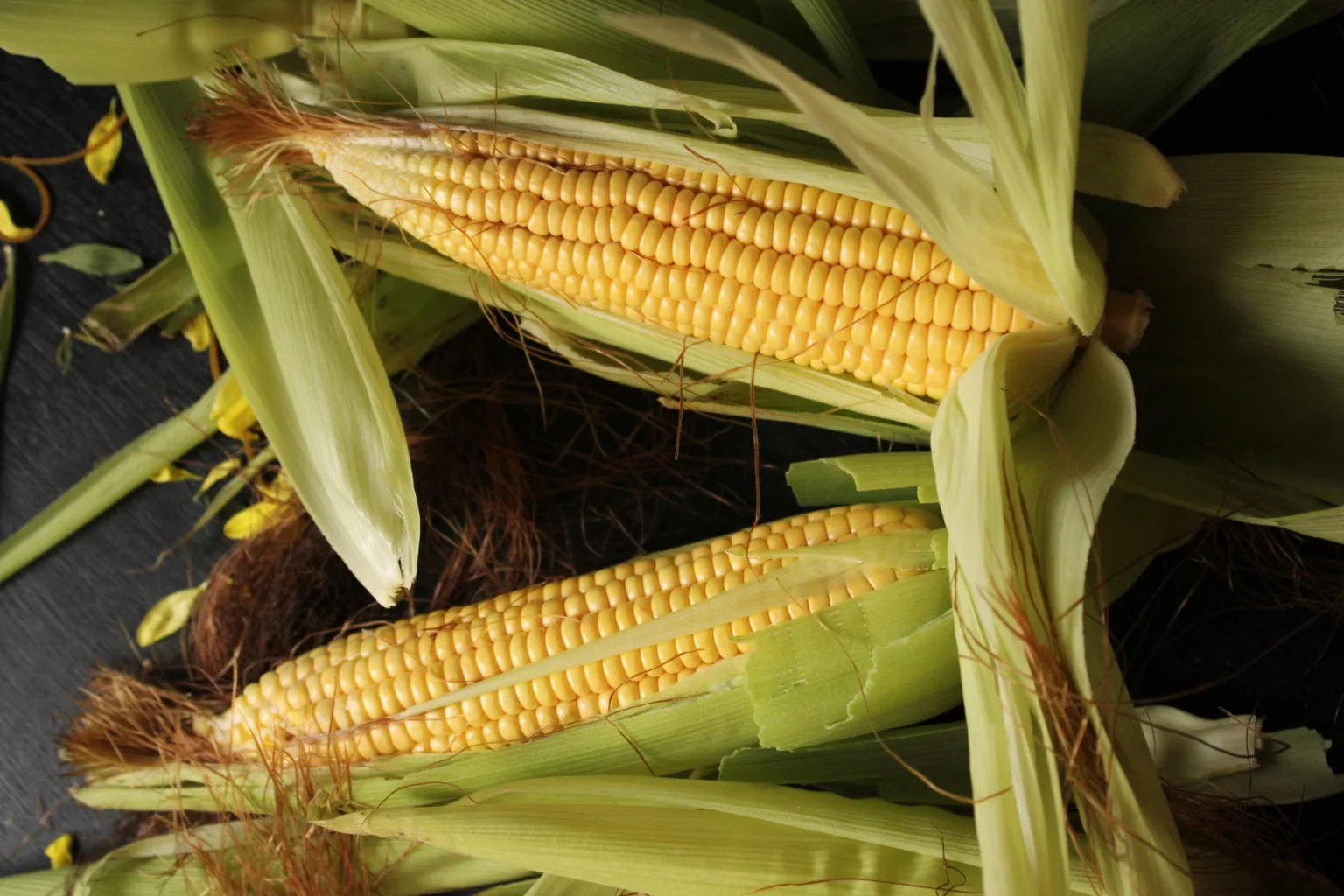
Sweet corn is a type of corn selected for eating while its kernels are still tender. At this stage, its natural sweetness is more noticeable than that of varieties mainly grown for flour, meal, or popcorn. Botanically, corn is a grain, but fresh sweet corn is commonly cooked and served as a vegetable. Kernels can be cut from a fresh cob; they are also sold frozen or canned, and those formats differ in flavor, texture, and preparation. A fresh cob can be cooked whole or stripped of its kernels, while canned corn is usually cooked and ready to use. Sweet-corn kernels should not be confused with dry corn or corn intended for milling: those products have different culinary uses and behave differently in recipes. This profile concerns the tender kernels used as a fresh vegetable ingredient, not corn flour or popcorn.
When to use it
Use sweet-corn kernels when you want gentle sweetness and a juicy bite in a salad, soup, stew, rice dish, or vegetable sauté. Cooked kernels can be added to cold dishes, while in hot recipes they bring color and contrast alongside other ingredients. Fresh corn is useful when you want to cut kernels from a cob and cook them right away. For convenience, canned corn is generally precooked; frozen corn can be kept for later use but may need cooking or thawing according to the product. Flavor can vary with variety, maturity, and processing, so taste the corn before adjusting the seasoning. Its sweetness can complement savory or spicy ingredients without requiring added sugar.
How to use it
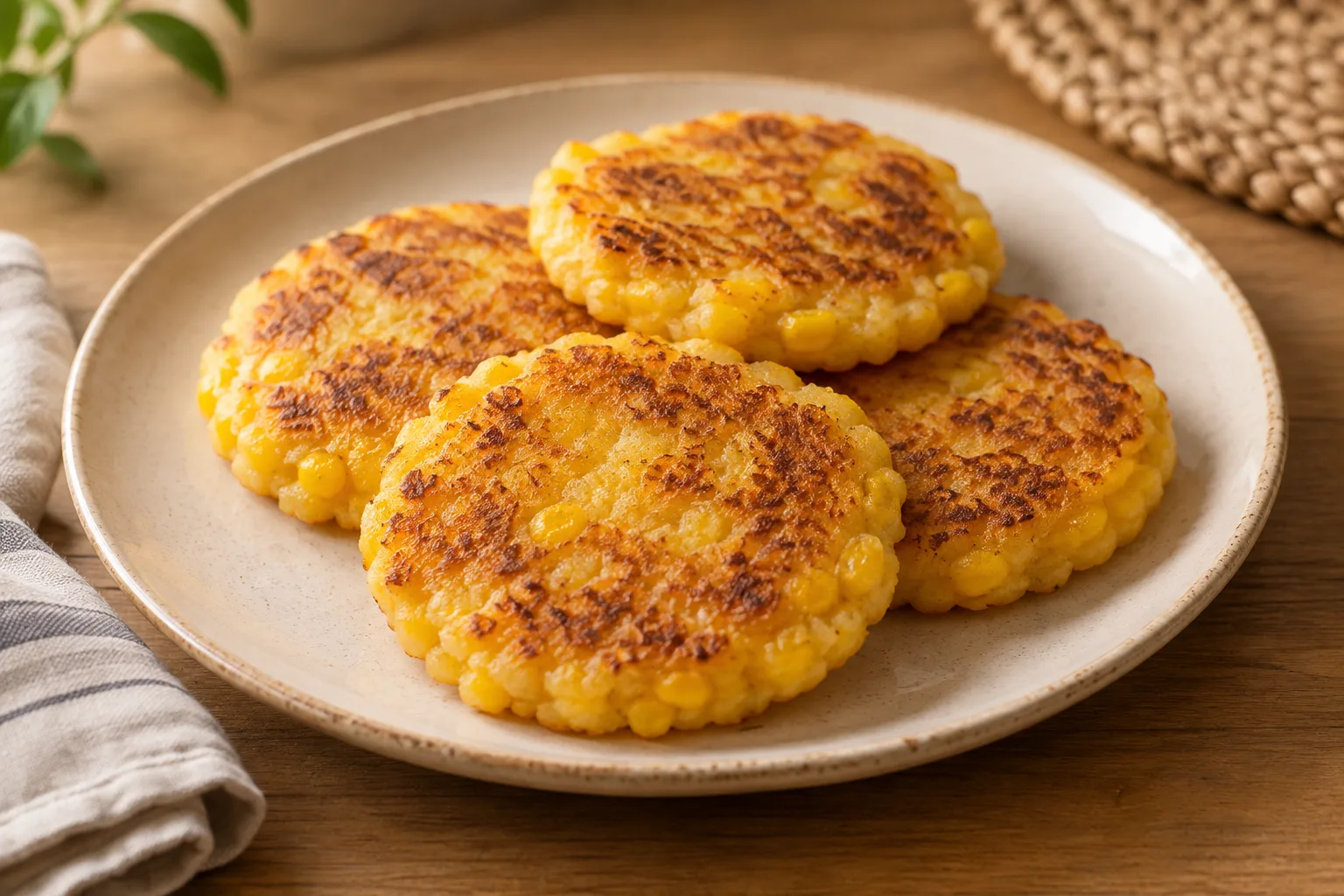
For fresh corn, remove the kernels from the cob and choose a method that suits the dish: boil them, brown them in a pan, or add them to soups and stews. The whole cob can also be boiled or grilled. For a salad, cool cooked kernels and combine them with tomatoes, lettuce, or other vegetables; for a hot meal, stir them into a sauté, rice dish, soup, or filling. Canned corn is generally precooked and can be used directly after draining, either cold or hot. Frozen corn may need cooking or thawing, so follow the package directions instead of assuming every format is prepared in the same way. Taste before adding salt, sugar, or spices: canned products can differ in composition, and sweetness also varies between products. Adjust the final seasoning to the corn and the rest of the dish.
Flavour and texture
Sweet-corn kernels have a characteristic mild, natural sweetness and a discreet vegetal flavor. Tender kernels are often juicy and firm to the bite, but texture varies with variety, maturity, and processing. Canned corn may be softer or taste sweeter than other formats; frozen corn can taste different, and products vary by brand. Heating can bring out its aroma, while pan-cooking or grilling can brown the surface. Taste the kernels before adjusting a dressing or seasoning: their sweetness can balance acidic, salty, or spicy ingredients without adding sugar.
How to choose it
For fresh corn on the cob, look for green, smooth husks and plump, rounded kernels, which are suggested signs of a good cob. If buying kernels in a package, check the stated format and inspect the package condition before use. Read the ingredient list on canned corn because formulations can differ, and some products include added salt or sugar. Firmness, kernel size, and sweetness can also vary with brand, variety, and processing. Choose a format to suit the recipe: fresh cobs for cutting kernels or grilling, canned corn for convenience, or frozen kernels when you plan to cook them later.
Storage
Storage depends on the format, so follow the package directions for frozen kernels and unopened cans. Fresh corn can lose tenderness and sweetness if stored for too long; one culinary source recommends buying it fresh and using it promptly. After opening a can, transfer the contents to a suitable container if the original packaging cannot be closed, and follow the manufacturer's directions for refrigeration and use. Do not infer an exact shelf life for a particular product from a general rule: check the label and discard food if the package is damaged or its contents appear abnormal.
Substitutions
If fresh kernels are unavailable, canned or frozen sweet corn can serve in their place, but flavor, texture, and preparation may differ. Canned corn is generally precooked and convenient; frozen corn may need cooking or thawing. Drain canned kernels before adding them to a salad or a dish where extra liquid is unwanted. These formats are not exact substitutes for one another, so taste and adjust the seasoning and cooking to the product and recipe.
Common mistakes
Do not confuse tender sweet corn with dry corn for milling or popcorn: they have different uses. Another common mistake is treating fresh, frozen, and canned kernels as interchangeable without adjusting preparation or seasoning. Canned corn is generally cooked, while frozen corn may require cooking. Sweetness and firmness vary between products, so taste before adding salt, sugar, or spices. When cooking a fresh cob, do not assume that instructions for another format will apply.
Safety and allergens
Check the food and package condition, and follow the manufacturer's storage and preparation directions. Do not use cans with damaged packaging or products with an abnormal smell or appearance.
Culinary uses
- guarnición
- ingrediente para ensaladas, sopas y guisos
- componente de salteados y rellenos
Recommended techniques
- hervir
- asar a la parrilla o a la plancha
- saltear
- añadir frío a ensaladas cuando ya está cocido
Pairs well with
- tomate y lechuga
- patata y zanahoria
- legumbres
- chile y pimienta de cayena
- mantequilla y hierbas
Frequently asked questions
Is fresh sweet corn a grain or a vegetable?
Botanically, corn is a grain, but fresh, tender sweet corn is commonly prepared and served as a vegetable. Culinary use does not change that it is corn.
Does canned sweet corn need to be cooked?
It is generally precooked, so it can be added directly to a salad after draining or warmed in a dish. Check the product label.
Does frozen corn taste the same as fresh or canned corn?
Not necessarily. Flavor and texture depend on variety, maturity, and processing, so differences between formats and brands are normal.
What goes well with sweet-corn kernels?
They work with tomatoes, lettuce, potatoes, carrots, and legumes. Chili or cayenne pepper offers a spicy contrast to their sweetness.
Sources and review
Automatically researched, cross-checked and validated content. Sources consulted:
- The Essential Glossary of Cooking Terms for the Culinary Arts - Escoffier escoffier.edu
- Gastronomía del Perú - Wikipedia, la enciclopedia libre es.wikipedia.org
- Comparative Perspectives on the Archaeology of Coastal ... sites.pitt.edu
- Maíz: qué es, tipos y beneficios bonviveur.com
- The Nutritional Content of Five Southwestern ... extension.cmn.edu
- 2023-2024 Annual Report - opimi - rum oiip.uprm.edu
- Explorando las delicias del maíz dulce en grano friolisa.es
- Maíz dulce: propiedades, calorías, tipos y cómo utilizarlo en la cocina | Gastronomía & Cía gastronomiaycia.com
- Maíz dulce, el cereal sin gluten que puedes disfrutar como una deliciosa verdura: propiedades, beneficios y cómo cocinarlo en casa directoalpaladar.com
- Granos de maíz dulce, conservados (orgánicos) | Fundación G+E diet-health.info
- Todo lo que tienes que saber sobre el maíz | Recetas Nestlé recetasnestle.com.co
- ¿Conoces los diferentes tipos de maíz que existen y cómo usarlos en la cocina? - Todos a comer todosacomer.net
- El maíz dulce | La Fundación Louis Bonduelle fondation-louisbonduelle.org