- Category
- Sauces and condiments
- State
- Paste
- Usual unit
- tablespoon
What it is
Thai chili paste can refer to different preparations; a well-known style is nam prik pao, a Thai-style chili paste. Published recipes describe versions made with dried chiles, garlic, shallots, palm sugar, tamarind and oil; some also include fish sauce and dried shrimp. The result does not have to be intensely hot: sweetness, sourness and umami can balance the chile. Ready-made versions are also sold. Treat it as a condiment whose ingredients and intensity can vary, and check the label of the particular product you buy.
When to use it
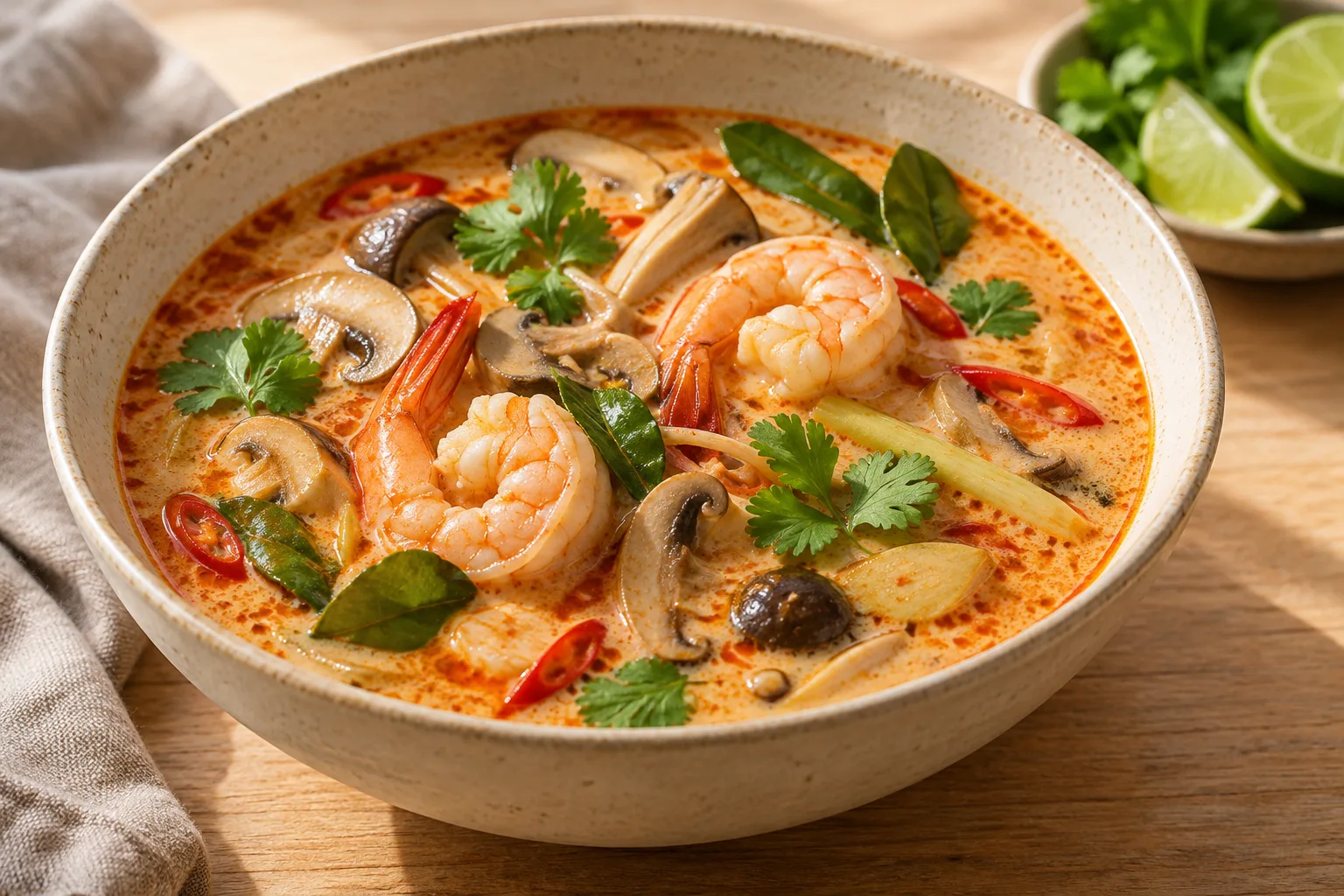
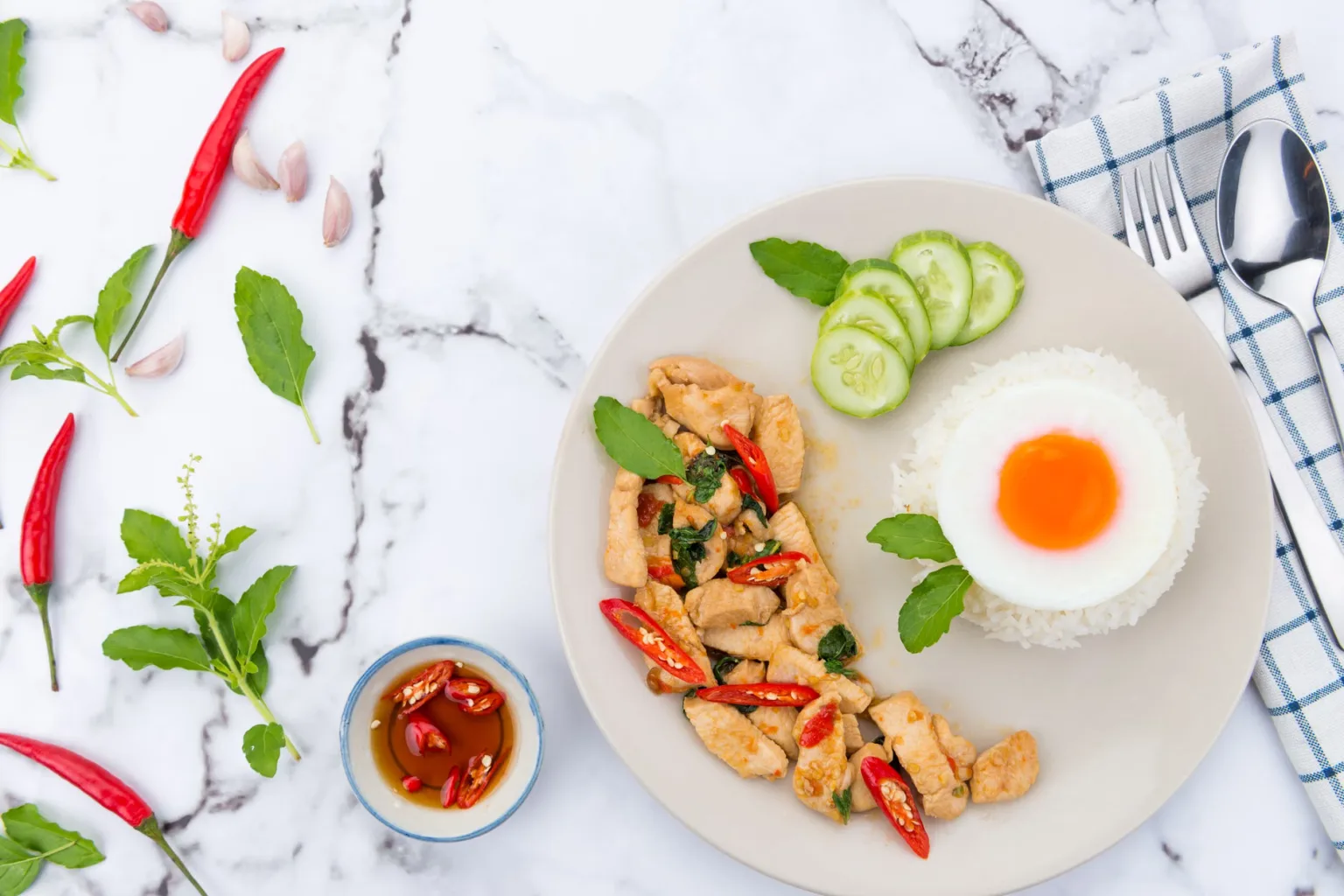
Use it when you want to add chile along with sweet, sour and savory notes. It is recommended for soups such as tom yum and for stir-fries; it can also add flavor to seafood or noodle dishes. Since the heat and balance differ by recipe and brand, begin with a small amount, mix, and taste before adding more. It can be cooked into a dish or used to adjust the flavor near the end, after checking that its ingredients suit the dish and the people eating it.
How to use it
Stir the paste to combine its components, then add a little at a time to a soup or stir-fry and mix thoroughly to distribute it. Taste before adding more: one paste may be hotter, sweeter or more sour than another. Nam prik pao is used in tom yum recipes, stir-fries and noodle dishes; some suggestions also serve it with eggs or avocado. If using it as a table condiment, start with a small amount and let each person adjust the heat. Check the label before cooking: some versions contain fish sauce or dried shrimp, ingredients that are not necessarily present in every paste.
Flavour and texture
Its flavor can bring together heat, sweetness, sourness and umami, but the balance varies among products and recipes. Versions described with chile, garlic, shallot, tamarind and sugar can be aromatic and complex; those with fish sauce or dried shrimp add savory notes. It is commonly a thick, spreadable paste, though its texture can be somewhat rustic. Do not assume that every Thai chili paste has the same heat level or ingredients.
How to choose it
Look for the product name and read the ingredient list, not just the front label. Nam prik pao-style recipes may include chile, garlic, shallot, sugar, tamarind and oil; some contain fish sauce or dried shrimp. Check for these ingredients if cooking for someone who avoids them. Ready-made paste is sold by Asian food retailers, though availability depends on location. Choose according to the profile described on the label, and do not assume two brands will have the same heat, sweetness or sourness.
Storage
The available evidence does not establish a safe storage period or one rule that applies to every brand. Follow the storage directions printed on the package, both before and after opening. Keep the container closed and use a clean, dry utensil to serve it; do not replace the manufacturer’s directions with a generic time limit. If the package is damaged or the product has changes that concern you, do not use it and consult the manufacturer’s information.
Substitutions
There is no single substitute that exactly reproduces nam prik pao’s balance. Another chili paste can provide heat, but may not have the same sweet, sour and umami notes. For a homemade version, a different variety of dried chile can be used, and brown sugar can replace palm sugar, with a different final flavor. Adjust any alternative gradually and taste before serving.
Common mistakes
Adding a large amount without tasting first can let the chile overwhelm a dish. It is also a mistake to assume every paste has the same ingredients or is only moderately hot: some contain fish or crustaceans, and proportions vary. Read the label, add the paste gradually, and do not treat it as interchangeable with every other chili sauce.
Safety and allergens
Check the label if avoiding fish or crustaceans: some versions contain fish sauce or dried shrimp. Use a clean utensil and follow the package’s storage directions; the available evidence does not support a general after-opening time limit.
Culinary uses
- Condimento para añadir picante y profundidad a platos cocinados
- Base concentrada para enriquecer sopas y salteados
Recommended techniques
- Incorporar poco a poco y probar para ajustar la intensidad
- Mezclar con los ingredientes durante la cocción o añadir como condimento
Pairs well with
- Sopas tailandesas, como tom yum
- Salteados con pollo, marisco o noodles
- Huevos y aguacate, como acompañamiento
Frequently asked questions
Is Thai chili paste always very hot?
Not necessarily. Heat varies by recipe and product, so taste a small amount before adding more.
Are nam prik pao and every Thai chili paste the same thing?
You cannot assume they are identical. Nam prik pao is a well-known style; pastes can differ in ingredients, flavor and texture.
Which ingredients should I check on the label?
In particular, check for fish sauce or dried shrimp. Some versions include them, while others may have a different composition.
Sources and review
Automatically researched, cross-checked and validated content. Sources consulted:
- ¿Por qué la muerte es origen de miedos y tabúes? doi.org
- The Essential Glossary of Cooking Terms for the Culinary Arts - Escoffier escoffier.edu
- Location coloradomesa.edu
- Planning to Eat Out | Home & Garden Information Center hgic.clemson.edu
- UCLA Teaching Kitchen | Recreation - FITWELL fitwell.recreation.ucla.edu
- 10 Essential Cooking Tips to Improve Kitchen Skills northbridge.edu
- Learn How to Cook Roman Dishes at Home! blog.johncabot.edu
- ICE CAREER CATALOG ice.edu
- Table of Contents walnuthillcollege.edu
- Food and Beverage Management - eCornell ecornell.cornell.edu
- COLLECTION: Thai Recipes Vol.2 cs.cmu.edu
- Pasta de chili tailandés o “Nam Prik Pao” – Kwan Homsai kwanhomsai.com
- - YouTube youtube.com
- La historia del chile en Tailandia: del intercambio global a la mesa tailandesa danielaragay.net
- Nam Prik Pao: la salsa tailandesa imprescindible para preparar algunas de sus recetas más famosas directoalpaladar.com
- Pad Thai: el auténtico sabor tailandés | Recetas Nestlé recetasnestle.com.ar