- Category
- Vegetables
- State
- Dry
- Usual unit
- g
What it is
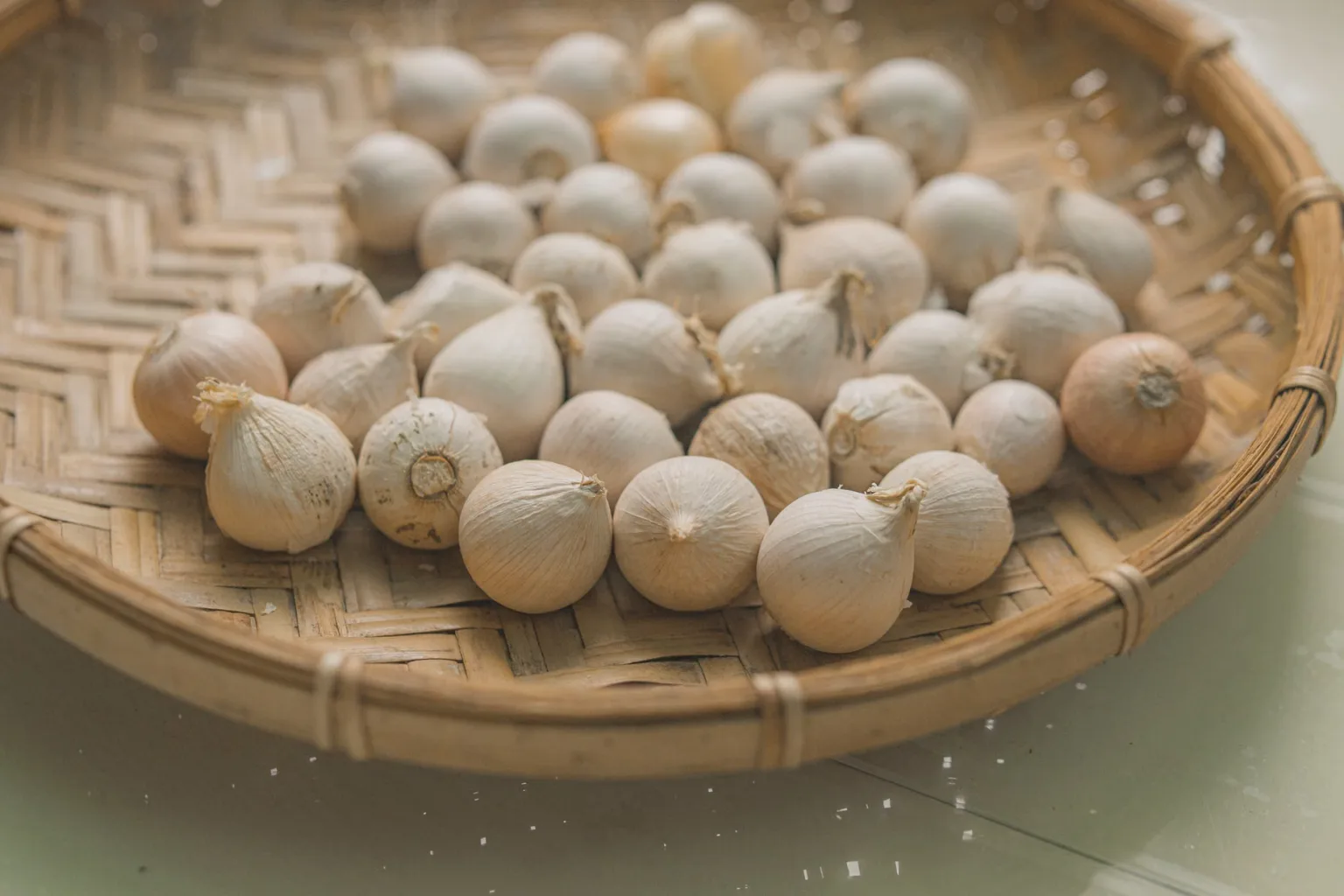
Tunta is a food made from potatoes that are frozen, soaked in water, and dried in the sun. It is also called white chuño; moraya is used in some Quechua-speaking areas, although names can differ by region. A key difference from black chuño is the water-soaking step in the traditional white-chuño process before drying. Traditional production described in the sources mainly uses bitter potatoes, but common and improved varieties are also used. The potato variety can therefore differ from one product to another. Tunta sold for cooking is a dry ingredient, not a fresh potato. Follow the package and recipe directions when preparing the specific product you buy.
When to use it
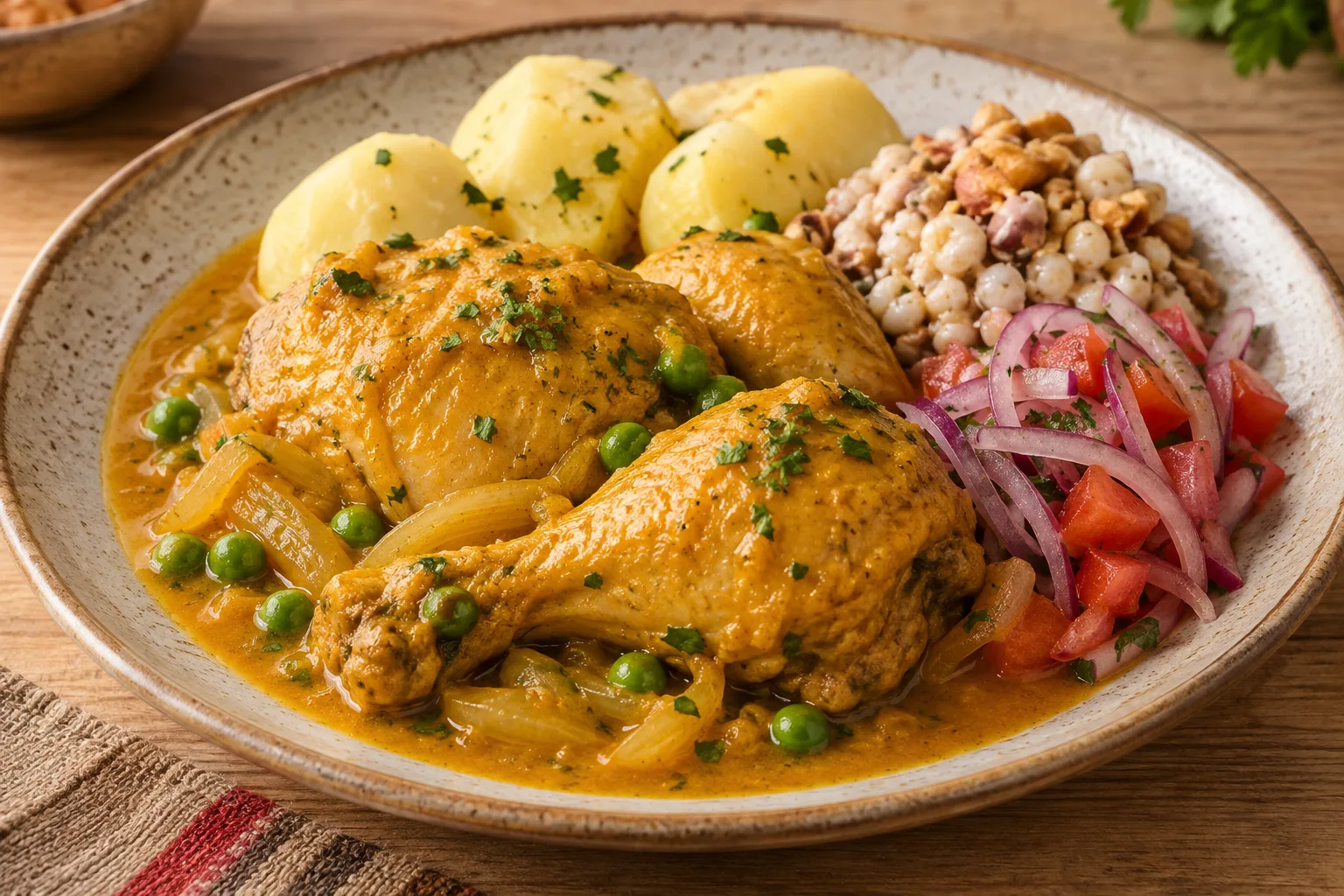
Choose tunta when you want a dried potato ingredient for an Andean-style preparation or a recipe that specifically calls for it. It is documented in traditional cooking and may be served with maize and preparations involving ají or meat. Since the process and potato variety can differ by region and producer, check the product name and package directions before cooking. Do not automatically treat it as interchangeable with black chuño: the products are related, but white chuño includes a water-soaking stage in its production and has a different appearance.
How to use it
Start by reading the package: the available sources describe the product and traditional production, but do not provide one universal home soaking or cooking method for every commercial version. Follow the manufacturer’s specific directions and the recipe, using clean utensils and containers. Once prepared as directed, add it to a recipe that calls for tunta or serve it as part of an Andean-style dish. Tunta is documented in traditional cooking and in dishes with maize, ají, and meat. Do not replace product directions with an invented cooking time or temperature; size, processing, and product form can vary.
Flavour and texture
The product can vary with the potato and processing. Sources describe dried tunta as light in weight and white in appearance; black chuño, by contrast, is dark and follows a different process. The evidence here does not support promising an exact flavor or texture for every brand. Bitter potato varieties are described as having a bitter taste before processing, and soaking is part of traditional tunta production. Follow the recipe to assess how the product works in the finished dish.
How to choose it
Look for a package clearly identified as tunta, white chuño, or moraya, and read its preparation directions. Regional naming can differ, and sources report that more than one potato variety may be used. As a general packaged-food precaution, avoid torn or damaged packages and check the manufacturer’s information. If it is unclear whether the product is white or black chuño, ask the seller or check the label before choosing it for a particular recipe.
Storage
Follow the manufacturer’s storage directions first, since the available sources do not set one universal storage period for all commercial tunta. General pantry guidance recommends keeping shelf-stable foods in a cool cupboard away from heat-producing appliances. Keep the storage area and handling containers clean, and check the package before use. Do not assume a food is safe based only on its appearance or smell; if you have concerns, follow the manufacturer’s guidance or discard it.
Substitutions
Black chuño is the closest related substitute documented here, but it is not identical: its process and color differ, so the result may change. Another dried potato product is an option only if the recipe allows that variation. The available evidence does not establish an exact quantity or preparation equivalent. Check the substitute’s instructions and choose it according to the recipe’s needs.
Common mistakes
Treating tunta as automatically identical to black chuño can change the result: white chuño production includes water soaking, and the finished products look different. It is also a mistake to assume all tunta is made from the same potato variety or needs the same home preparation. Read the package, follow its directions, and do not improvise unlisted times or temperatures.
Safety and allergens
Buy a product intended for food and follow its package directions. Keep hands, utensils, and preparation containers clean. The sources do not provide a specific warning that applies to every tunta brand or a universal home-preparation method; if the package is damaged or you cannot confirm the product is suitable, do not use it and contact the manufacturer.
Culinary uses
- Ingrediente feculento para platos tradicionales andinos
- Alimento de despensa elaborado a partir de patata y destinado a preparaciones culinarias
Recommended techniques
- Rehidratar o preparar siguiendo las instrucciones del envase
- Incorporar a platos cocinados según la receta elegida
Pairs well with
- Maíz
- Ají y preparaciones con carne
Frequently asked questions
Is tunta the same as white chuño?
Yes. White chuño is another name for tunta; moraya is also used in some regions. Names can vary from place to place.
How is it different from black chuño?
Traditional tunta production includes soaking in water before drying and results in a white product. Black chuño follows a different process and is dark in color.
How should I prepare the tunta I bought?
Check the directions for the specific product and recipe. The sources do not establish one home method that applies to every product.
Sources and review
Automatically researched, cross-checked and validated content. Sources consulted:
- Client Challenge doi.org
- Food Selection & Storage | Home & Garden Information Center hgic.clemson.edu
- Food Storage Guide extension.purdue.edu
- Food Storage for Safety and Quality - El Paso County Extension elpaso.extension.colostate.edu
- Kitchen Companion: Your Safe Food Handbook ucanr.edu
- Food Storage Guide Answers the Question . . . | NDSU Agriculture ndsu.edu
- PLTS Living Bread Food Pantry Donation List: plts.edu
- Storing Food for Safety and Quality wpcdn.web.wsu.edu
- La Tunta Alimento Andino Milenario - TSI Group - Tecnosoluciones Integrales tecnosolucionescr.net
- Chuño blanco, ‘tunta’ o ‘moraya’: un proceso natural de conservación - Leisa leisa-al.org
- Chuño o tunta: el secreto andino para que una papa dure 20 años | Grupo Animal grupoanimal.mx
- Chuño - Wikipedia, la enciclopedia libre es.wikipedia.org