- Category
- Dairy and eggs
- State
- Fresh
- Usual unit
- g
What it is
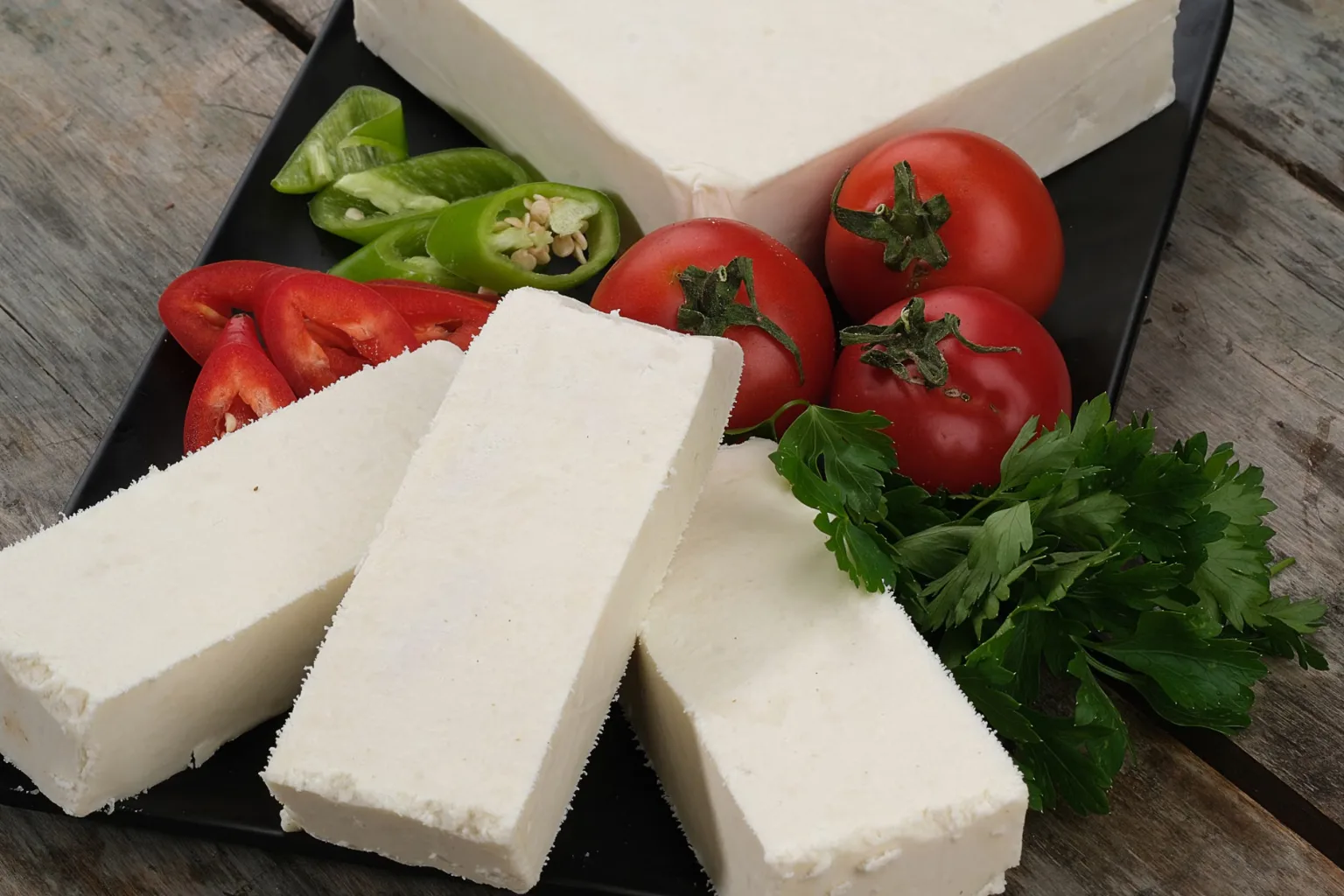
Twaróg, also called twaróg cheese, is a quark-style cheese associated with Polish cooking. The available culinary reference mentions it among cheeses in that food tradition and notes that cheese can be used in pierogi fillings. This makes it reasonable to consider for filled-dough dishes, but it does not establish that every product has the same moisture, firmness, acidity, or composition. The specific texture depends on the product you have. If a recipe calls for a particularly firm or soft filling, check the package and assess the cheese before mixing it. This general description does not specify a brand, production method, or particular origin. It also does not provide quantities, proportions, or one definitive twaróg recipe.
When to use it
Consider twaróg when you want to make a cheese filling for pierogi or another dough preparation, or when you are looking for a dairy ingredient associated with Polish cooking. The available reference mentions pierogi filled with potato and cheese; that is an idea to explore, not a specific twaróg recipe. Choose a product that suits the consistency your preparation needs: for filled dough, the cheese should be manageable to distribute and enclose. Since products can differ, do not assume they will all behave alike. If texture matters for shaping or serving the dish, check the package and adapt the mixture carefully.
How to use it
Before cooking, read the label and assess the twaróg’s consistency, since the available information does not set a standard moisture level or texture for all products. For a filling, crumble or break it up and mix it with the other ingredients until evenly distributed. Potato is mentioned as a possible combination in pierogi fillings, but the source gives no quantities or specific formula. Add the cheese gradually if you need to control the consistency, and check that the mixture can be handled and enclosed in the dough. The culinary reference also mentions boiling pierogi and then browning them in butter, but it gives no times or temperatures. Follow a reliable recipe for cooking the dough. Serve the dish with the accompaniments in your recipe rather than assuming the cheese replaces other components.
Flavour and texture
The available information identifies twaróg as a quark-style cheese but does not describe a precise flavor profile or a universal texture. It is therefore not possible to say that every product is equally tangy, dry, creamy, or crumbly. Assess the cheese you have: its consistency will help you decide whether to break it up, mix it, or adapt the filling. If a recipe calls for a particularly firm or moist cheese, check the package and try a small amount in the mixture rather than assuming all twaróg products are interchangeable.
How to choose it
Look for a product identified as twaróg or quark-style cheese, and read the package to confirm what you are buying. The available culinary reference links twaróg with cheeses in Polish cooking but does not compare brands, formats, or moisture levels. For a filling, choose according to the consistency your recipe calls for and check that the product can be mixed and handled in the dough. Do not infer freshness, composition, or shelf life from the name alone; consult the maker’s information.
Storage
The available evidence does not specify storage periods, temperatures, or methods for twaróg. This guide therefore assigns no storage duration and recommends no specific method. Check the directions on the package for the product you bought, and do not use the cheese if the package or its condition gives you concern. Do not assume that freezing will preserve a texture suitable for a filling; that result depends on the product and is not established by the available information.
Substitutions
Another quark-style cheese is the closest option suggested by the available description, although identical texture is not guaranteed. You could also consider a cheese that a recipe uses for pierogi fillings, after checking whether its consistency works in the dough. The source mentions cheese generally, not an exact ingredient-for-ingredient substitution. Adjust the mixture carefully and do not assume equivalent flavor, moisture, or cooking behavior.
Common mistakes
Do not assume that every product called twaróg has the same texture or that a general cheese-filling recipe gives an exact amount for this ingredient. Check whether the product mixes and handles well before filling the dough. Do not choose an alternative simply because it is called cheese; consider whether its consistency suits the preparation. The available evidence gives no cooking times or temperatures, so follow a reliable recipe for cooking pierogi.
Safety and allergens
Twaróg is a dairy product. Check the label of the product you buy and follow its directions; if the package or the condition of the cheese gives you concern, do not use it. The available evidence provides no twaróg-specific safety warning or official storage instructions.
Culinary uses
- Relleno para pierogi y otras preparaciones de masa
- Ingrediente lácteo en platos de inspiración polaca
Recommended techniques
- Desmenuzar o deshacer antes de incorporarlo a un relleno
- Mezclar con los demás ingredientes hasta repartirlo de manera uniforme
Pairs well with
- Patata en rellenos de pierogi
- Masa para dumplings o pierogi
- Mantequilla para dorar pierogi ya hervidos
Frequently asked questions
What is twaróg cheese?
It is a quark-style cheese associated with Polish cooking. The available information does not define one texture or flavor profile for every product.
How can I use twaróg in pierogi?
You can try it as part of a cheese filling, for example with potato. Crumble or break it up and check that the mixture can be enclosed in the dough; proportions depend on the recipe.
Can I substitute another cheese for twaróg?
You can consider another quark-style cheese or a cheese used in a pierogi-filling recipe. Check the consistency first; the available information does not establish an exact equivalent.
Sources and review
Automatically researched, cross-checked and validated content. Sources consulted:
- Client Challenge doi.org
- Sheila Hibben as America's Early 20th Century Culinary scholars.unh.edu
- Departamento de Seguridad Nacional (DHS) | USAGov usa.gov
- National Security Strategy whitehouse.gov
- Home | Employment Security Department esd.wa.gov
- Home | Homeland Security dhs.gov
- Home Page | CISA cisa.gov
- National Nuclear Security Administration | Department of Energy energy.gov
- EMILY J.H. CONTOIS utulsa.edu
- Traditional Polish Cuisine - Great Research epm.cnc.stanford.edu
- Genomic Characterization of Dairy Associated ... digitalcommons.usu.edu
- Content Posted in 2019 | OpenCommons@UConn digitalcommons.lib.uconn.edu
- The East Carolinian, April 25, 2000 - ECU Digital Collections digital.lib.ecu.edu