- Category
- Nuts and seeds
- State
- Dry
- Usual unit
- cup
What it is
Unsweetened coconut flakes are made from the white flesh of the coconut and sold in a dry form, cut or shredded into flakes rather than fresh and moist. The product can vary in size and texture depending on the cut: some flakes are fine, while others are larger pieces. The unsweetened version is not sweetened with added sugar according to its name, but check the label to confirm the ingredients in the specific product. Sweetened dried coconut is also sold, so not all coconut flakes should be assumed to be the same. This is a versatile ingredient for sweet and savory recipes: use it as a topping, stir it into mixtures, or blend it with water to make a coconut base.
When to use it
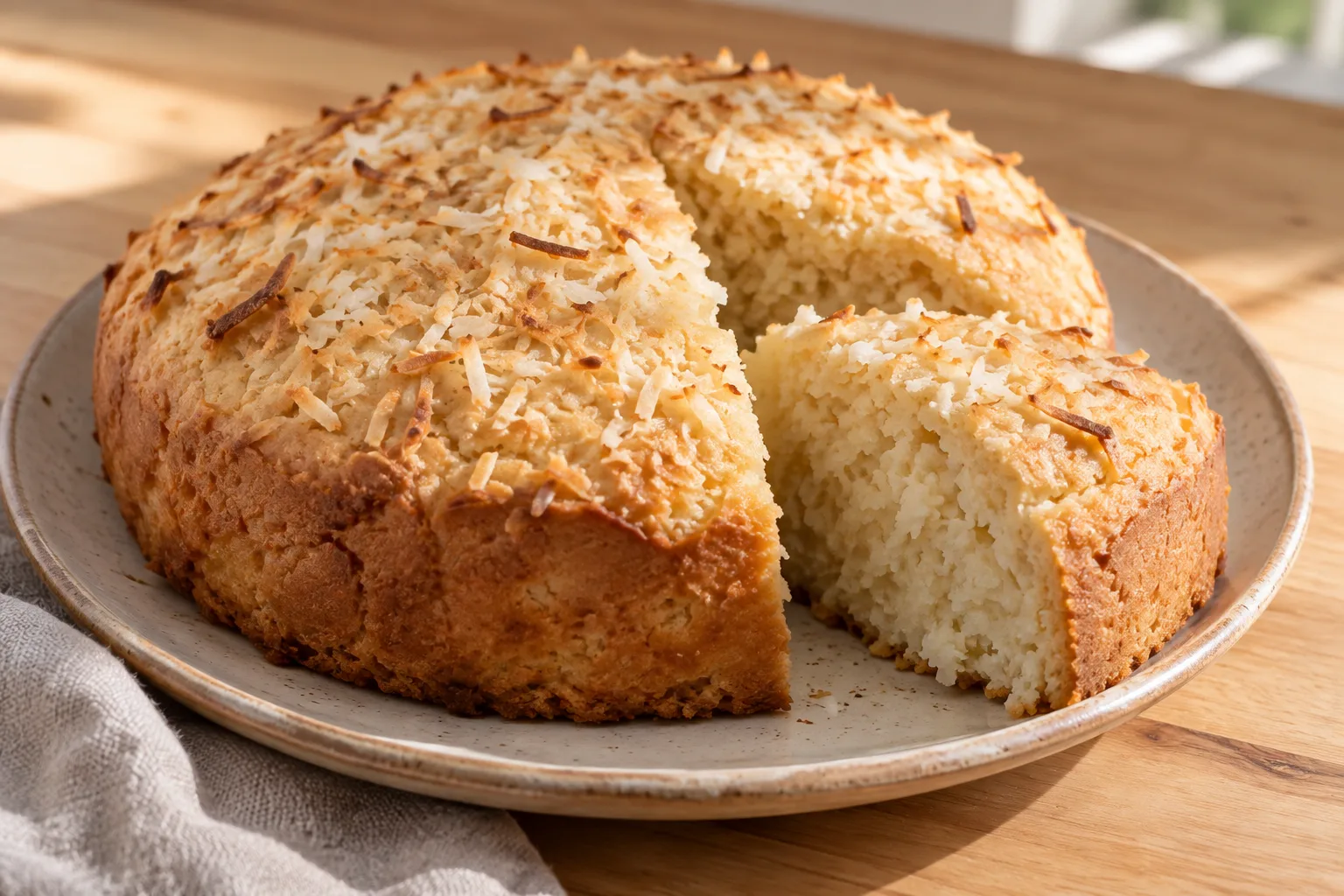
Use it when you want coconut flavor and noticeable texture without the added sweetness of a sweetened version. It works in cakes, cookies and other desserts, and can be sprinkled over cereal, yogurt, fruit or smoothies. In savory cooking, add it to curries, stir-fries, soups, rice dishes or coatings. Choose the flake size for the effect you want: larger pieces remain visible as a topping, while finely shredded or crushed coconut blends more readily into mixtures and liquids.
How to use it
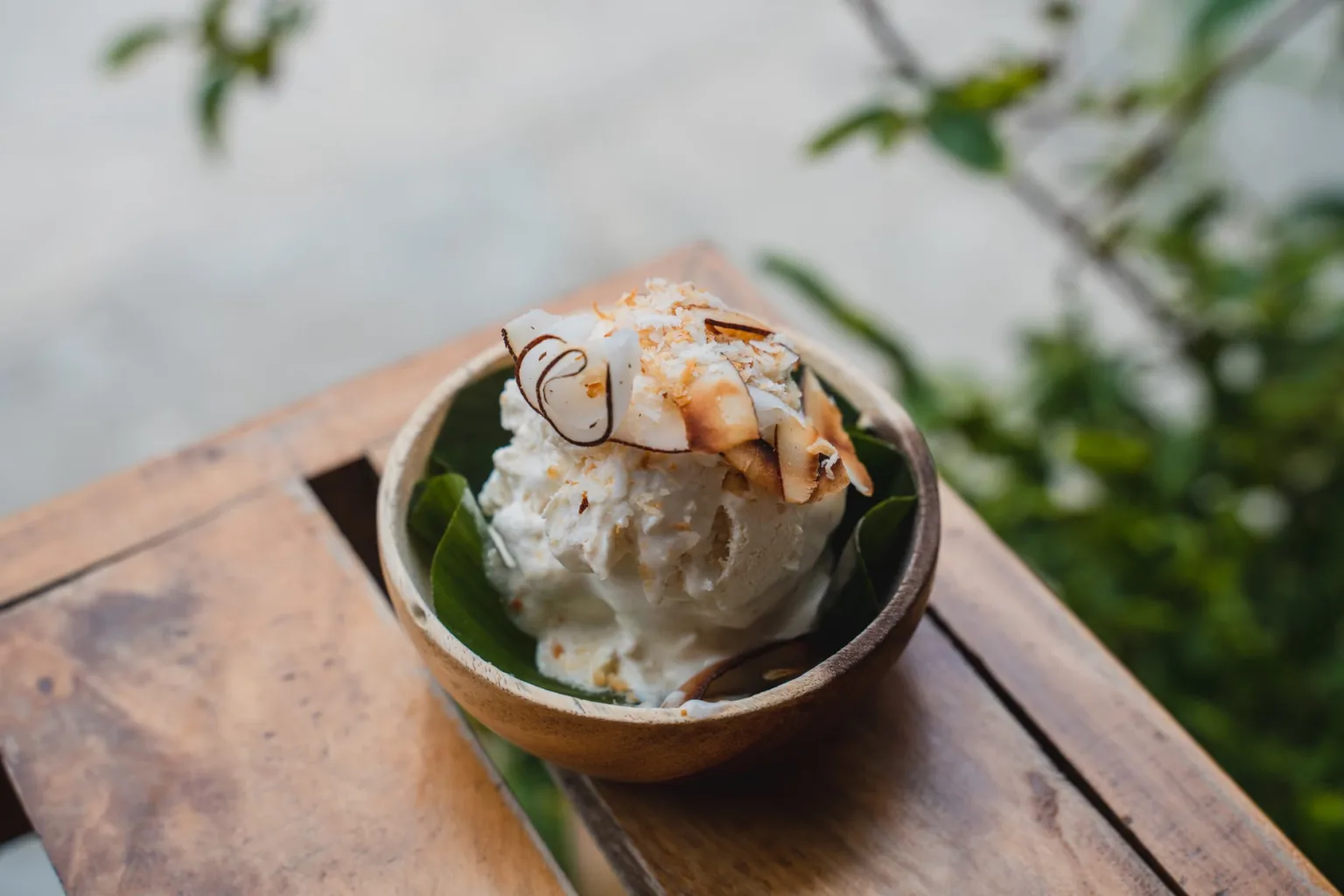
Sprinkle the flakes over cakes, desserts, cereal, yogurt or fruit salad to add a layer of coconut flavor and texture. Stir them into baking mixes or sweet preparations, bearing in mind that unsweetened coconut does not add the same sweetness as a sweetened variety. For savory recipes, incorporate them into curries, soups, stir-fries or coatings. You can also blend the coconut with water to make a coconut drink or base; strain the mixture if you want a more uniform liquid. If you want a lightly browned finish, heat the flakes attentively and remove them when they reach the color you want, as they can burn.
Flavour and texture
It has a sweet, slightly nut-like coconut flavor and a recognizable coconut aroma. Because it is dry, it gives a firm, somewhat crisp texture; the size of the cut affects how noticeable it is in each bite. Larger flakes stand out as a topping, while smaller pieces blend more easily into batters, cereal or other mixtures. Since it is unsweetened, it does not add the same sweetness as sweetened coconut.
How to choose it
Check that the package identifies the product as unsweetened, and read the ingredient list to distinguish it from versions with added sugar. Dried coconut is available finely shredded or in flakes of different sizes; choose according to whether you want it to blend in or remain visible as a topping. It is sold by general and specialty retailers. If you need a particular processing claim, such as raw or organic, look for that wording on the package rather than assuming it from the product’s appearance.
Storage
Keep the product dry and protected from moisture, and follow the storage instructions on the package. If buying in bulk or after opening a package, use a clean, tightly closed container to limit exposure to air and moisture. The sources consulted do not establish one storage period for every product, so check the date and manufacturer’s directions instead of assuming a universal shelf life.
Substitutions
Freshly grated coconut flesh can work when you want to retain coconut flavor and have a less dry ingredient, although it contributes moisture and a different texture. Coconut chips are another format alternative, particularly when you want visible pieces; their size may call for an adjustment in presentation. Neither option is identical to dry unsweetened flakes, so adapt the preparation to the form available.
Common mistakes
Do not confuse unsweetened coconut with sweetened coconut, as they can affect the final sweetness differently. Do not assume that every flake has the same size or will blend in the same way; the cut affects texture. Watch the flakes while browning them, since they can burn. Do not automatically replace dry coconut with fresh flesh without accounting for the extra moisture.
Safety and allergens
The sources consulted do not identify a specific safety warning for this product. Check the package label and follow the manufacturer’s storage instructions.
Culinary uses
- Aportar sabor y textura a repostería y postres
- Añadir contraste a curris, sopas, arroces y platos salados
Recommended techniques
- Espolvorear como cobertura o mezclar en masas y preparaciones
- Triturar y combinar con agua para preparar una bebida o base de coco
- Dorar ligeramente antes de usar, vigilando para que no se queme
Pairs well with
- Tartas, galletas, bizcochos y otros postres
- Cereales, yogur, ensaladas de fruta y batidos
- Curris, platos al wok, sopas y empanizados
Frequently asked questions
Does unsweetened coconut have added sugar?
The name indicates that it is not sweetened, but check the package ingredient list to confirm the contents of the specific product.
How can I use it in savory food?
Add it to curries, stir-fries, soups, rice dishes or coatings; it is also used in salads and other savory preparations.
Can I make a coconut drink or milk with these flakes?
You can blend the flakes with water to make a coconut preparation. Strain the mixture if you want a more uniform liquid.
Estimated nutrition
- Fat
- 58.3 g
- Saturates
- 58.3 g
- Carbohydrate
- 33.3 g
- Sugars
- 0 g
- Fibre
- 16.7 g
- Protein
- 0 g
- Salt
- 0 g
Sources and review
Automatically researched, cross-checked and validated content. Sources consulted:
- Romanica Olomucensia : «¿Qué pinga es esto?». Usos disfemísticos en el español de Cuba doi.org
- The Essential Glossary of Cooking Terms for the Culinary Arts - Escoffier escoffier.edu
- El coco rallado: Historia, Curiosidades y Usos ruca.es
- Coco - Wikipedia, la enciclopedia libre es.wikipedia.org
- Qué es (y qué no es) la estadística, usos y abusos de una disciplina clave en la vida de los países y las personas | Estudios económicos doi.org
- El coco: de fruta tropical a producto estrella del bienestar plataformatierra.es
- Aprende todo sobre el coco en la enciclopedia Cocinista cocinista.es
- Coco desecado, sin endulzar (¿crudo? ¿orgánico?) | Fundación G+E diet-health.info
- 5 formas de procesar el coco en casa #1: Coco deshidratado - Burbujas de Recuerdos Blog burbujasderecuerdos.blogspot.com