- Category
- Nuts and seeds
- State
- Dry
- Usual unit
- cup
What it is
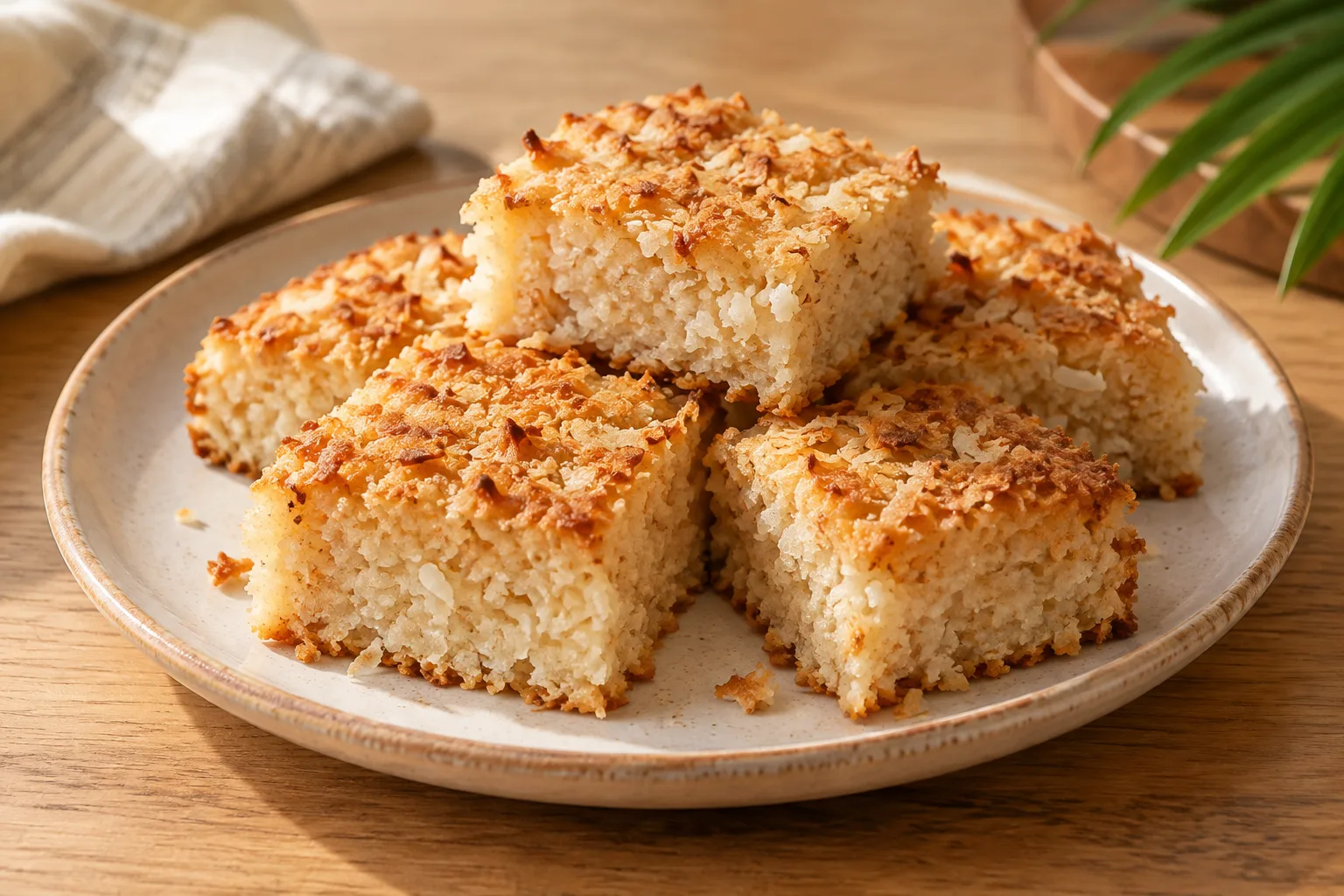
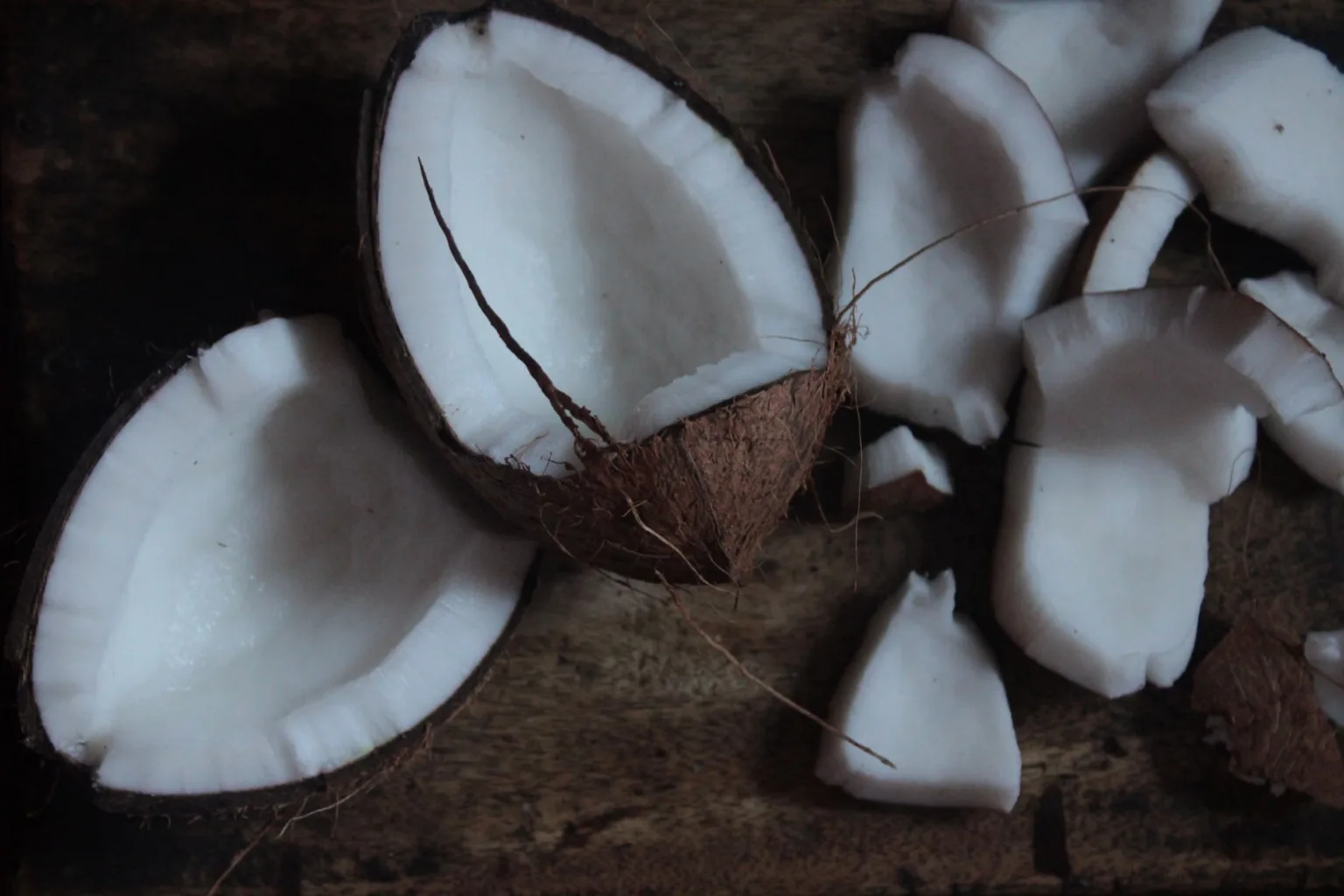
Unsweetened shredded coconut is made from coconut flesh that is dried and cut or grated into small pieces. “Unsweetened” means no sugar has been added; it does not mean the coconut has no naturally sweet flavor. Products may have a finer or coarser cut, and that changes how they work in a recipe: fine pieces blend readily into batters and mixtures, while larger pieces are more noticeable as a topping or finish. Check the package label if you need to confirm the ingredients or avoid other additions. The cut and texture can vary between products, so choose the version that suits the dish rather than assuming every bag behaves identically.
When to use it
Use it when you want coconut flavor and a noticeable texture in either sweet or savory food. Sprinkle it over yogurt, fruit, oats, or desserts, or mix it into cookies, cakes, and other batters. In savory dishes, a small amount can add contrast to salads, rice, sauces, stews, or curry. The cut and amount affect the result: finer coconut blends more evenly into a mixture, while coarser pieces stand out on the surface. If you are trying to control sweetness, do not mistake sweetened coconut for the unsweetened kind; check the label before using it.
How to use it
Before cooking, check the package to confirm that the product has no added sugar and contains no ingredients you want to avoid. For a simple finish, sprinkle coconut over yogurt, fruit, oats, or a dessert just before serving. To distribute its flavor throughout a dish, mix it into cookie, cake, or bread batter, or add it to a blended drink. In savory cooking, start with a small amount in rice, salads, sauces, stews, or curry, then adjust to taste. You can also toast it to intensify its aroma: stir and watch it continuously, since small pieces can darken quickly. Choose fine or coarse coconut according to the texture you want in the finished dish.
Flavour and texture
It has a distinctive coconut flavor with a naturally sweet note, and a dry, fibrous texture. The cut changes the mouthfeel: fine pieces blend into a preparation, while larger ones provide a more pronounced crunch. Toasting can intensify the aroma and change the finish.
How to choose it
Look for a package that identifies the product as unsweetened, and check its ingredient list for other additions. Choose the cut for your intended use: finer coconut for mixing into batters or drinks, and coarser pieces when you want a visible topping. Since texture can vary from product to product, read the package description before substituting one cut for another.
Storage
Store it according to the package directions and reseal it securely after opening. Avoid exposing the product to moisture, strong odors, or dirt. Follow any specific storage instructions from the manufacturer; do not assume every product has the same shelf life or requires the same storage method.
Substitutions
Unsweetened coconut flakes can replace shredded coconut if a coarser texture is acceptable. Chopped nuts or a neutral crunchy topping can provide texture without coconut flavor, but they will change the final taste. Adjust the amount and cut to the recipe, since a texture substitute will not reproduce coconut’s aroma exactly.
Common mistakes
Do not assume that “unsweetened” means the product contains only coconut; check the label. Avoid using a coarse cut in a mixture that needs a fine texture, or expecting coconut to taste like a different nut. When toasting, do not leave it unattended, as it can darken quickly.
Safety and allergens
Check the label for added ingredients and allergen information. If you have an allergy or a specific dietary need, do not rely on the product name alone.
Culinary uses
- Adds coconut flavor and texture to sweet preparations
- Adds texture and a coconut note to savory dishes
- Works as a topping, filling, or ingredient mixed into batters
Recommended techniques
- Sprinkle over a dish shortly before serving
- Mix into batters, doughs, or other preparations
- Toast briefly to intensify its aroma, watching closely
Pairs well with
- Yogurt and fresh fruit
- Oats, smoothies, and baked goods
- Rice, curry, stews, and sauces
- Cocoa, cinnamon, and lime
Frequently asked questions
Does unsweetened shredded coconut taste sweet?
It can have coconut’s naturally sweet note even though no sugar has been added. Check the package to confirm the ingredients.
Can I use it in savory dishes?
Yes. Try it in rice, salads, sauces, stews, or curry, starting with a small amount and adjusting the flavor and texture to taste.
Do I need to toast it before using it?
No. It can be used as is or toasted to intensify its aroma. If toasting, stir and watch it closely.
Estimated nutrition
- Fat
- 66.7 g
- Saturates
- 60 g
- Carbohydrate
- 26.7 g
- Sugars
- 6.67 g
- Fibre
- 13.3 g
- Protein
- 6.67 g
- Salt
- 0.08 g
Sources and review
Automatically researched, cross-checked and validated content. Sources consulted:
- Client Challenge doi.org
- The Essential Glossary of Cooking Terms for the Culinary Arts - Escoffier escoffier.edu
- El coco rallado: Historia, Curiosidades y Usos ruca.es
- Propiedades del Coco Rallado | Beneficios y Contradicciones frutossecoshernandez.es
- Second Edition - cns cns.ucdavis.edu
- Pictorial Recipes - OSU Extension Service extension.oregonstate.edu
- NUTRITION IN ME 4th GRADE Curriculum - Wsu s3.wp.wsu.edu
- A Panoramic View of Picacho Peak in Picacho, Arizona | ClipVR ETC etc.usf.edu
- Bol coco: Historia, ingredientes y recetas tradicionales - BlogQPack puntoqpack.com
- Información de Coco Rallado Sin Azucar cosmos.com.mx
- ¿Qué beneficios aporta el coco rallado y cómo usarlo en la cocina? - Chango chango.com.ar
- Beneficios y propiedades del coco rallado - Olalá olala.fritravich.com