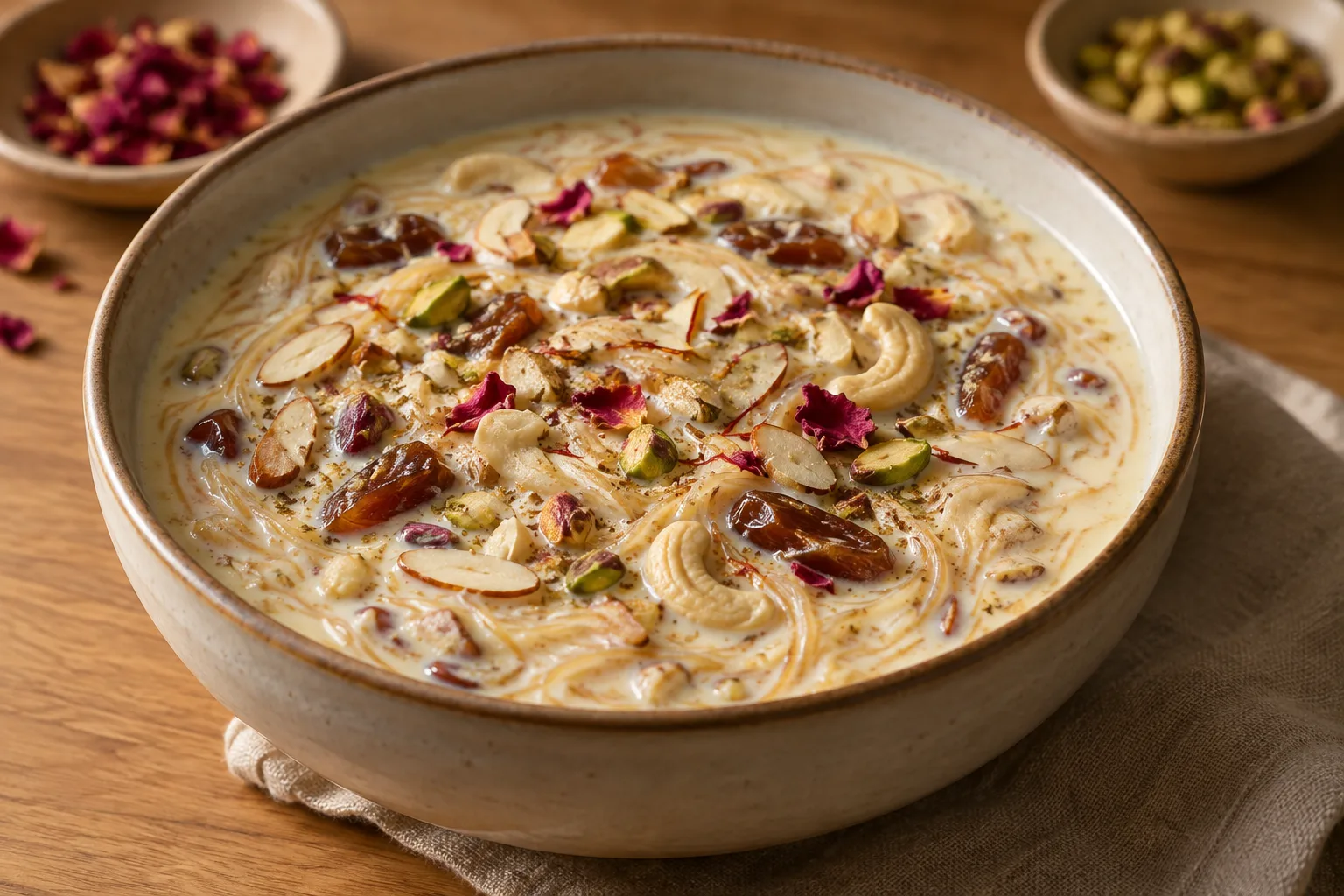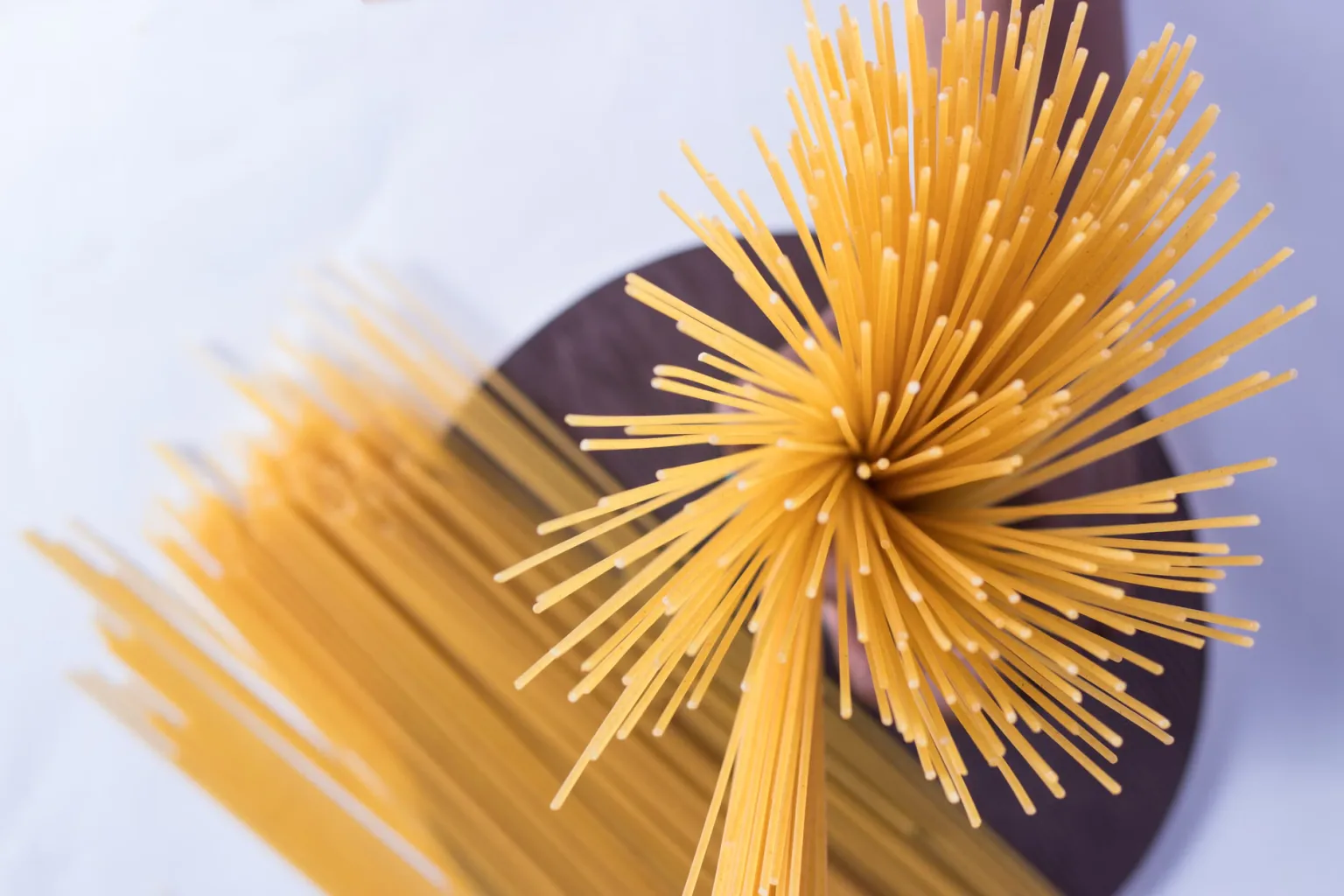
- Category
- Grains, flour and pasta
- State
- Dry
- Usual unit
- cup
What it is
Vermicelli is a name used for fine noodles whose ingredients and thickness vary by tradition and product. In Italy, it refers to a wheat pasta similar to spaghetti; one source describes wheat-durum versions. In Western retail, the name can also refer to very fine Asian noodles made from rice or other starches, including a soy-starch version described in one source. Do not assume that every vermicelli product is made from wheat, made from rice, gluten-free, or interchangeable with another type. Products can also differ in how they are sold, including dry and other forms. Read the ingredient list and package directions before deciding how to prepare them.
When to use it
Choose vermicelli when you want fine noodles for soup, a stir-fry, a salad, or fresh rolls. Rice varieties are used in broth dishes and stir-fries, and cooked noodles can be included in rolls. Wheat versions work as pasta and can accompany other ingredients, including seafood. First decide what texture you want and what the recipe calls for: ingredients vary between products, and so does preparation. If avoiding wheat or gluten matters, check the package rather than relying on the name vermicelli alone.
How to use it
Start by checking the package for the main ingredient: wheat, rice, or another starch. Follow the product’s specific directions because cooking and soaking methods vary by type and brand. For rice vermicelli intended for rolls, a university Extension recipe says to soften the noodles in hot water, drain, and rinse with cold water; it also advises checking the package because timing varies. Other vermicelli may need a different method. For soup, add prepared noodles shortly before serving; for a stir-fry, combine them with vegetables, protein, and sauce. A culinary source also describes frying some vermicelli for a crisp garnish, but first confirm that the product is suitable for that technique.
Flavour and texture
Vermicelli generally contributes more texture than a strong flavor, although the result depends on its ingredients and preparation. The noodles are fine and elongated and can become tender when softened or cooked. Rice and other starch-based noodles should not be assumed to have the same texture as wheat pasta; thickness and texture vary among products. In a dish, broth, sauce, and accompanying ingredients provide much of the character. Check the package rather than treating every type as the same pasta.
How to choose it
Check the package for the main ingredient and preparation method, not just the word vermicelli. The name may describe wheat pasta or fine Asian noodles made from rice or other starches, and thickness can vary too. Check whether the product is sold dry or in another form and choose one that suits the recipe. If you need to avoid wheat or gluten, review the ingredient list and the manufacturer’s information about possible cross-contact.
Storage
The available evidence describes dry vermicelli but does not establish a shelf life or specific storage conditions for every variety. Store the product as directed on its package and keep the label available for checking ingredients. Do not assume that every product called vermicelli has the same form or storage needs. For product-specific guidance, follow the manufacturer’s information.
Substitutions
Use another fine noodle only when its ingredients and texture suit the dish. Rice and wheat vermicelli are not identical, and starch-based noodles may behave differently too. Very fine wheat pasta may work in a recipe calling for wheat vermicelli; rice noodles or glass noodles may suit some soups and stir-fries. Adapt the method to the directions for the product you choose.
Common mistakes
Do not assume vermicelli always means rice noodles, wheat pasta, or a gluten-free product. Nor should you use the same cooking time or method for every variety: directions vary by brand and ingredients. Preparing them without checking the package can produce a texture different from the one you want. For rolls, avoid overfilling the wrapper, and check the label when you need ingredient or allergen information.
Safety and allergens
Check the package ingredient and allergen information; the name vermicelli does not guarantee that a product is free from wheat or gluten. If a diet requires avoiding gluten, also check the manufacturer’s information about possible cross-contact. Follow the package directions when preparing the product.
Culinary uses
- Base for soups, salads, and stir-fries
- Filling or component in fresh rolls
- Crisp garnish when fried, where suitable for the product
Recommended techniques
- Boil or soak according to the package directions; preparation varies by noodle type
- Add softened noodles to soup shortly before serving
- Stir-fry with vegetables, protein, and sauce
- Fry suitable dry noodles for a crisp garnish
Pairs well with
- Vegetables and mushrooms
- Chicken, seafood, tofu, or other proteins
- Fresh herbs and dipping sauces
- Broths and savory sauces
Frequently asked questions
Are all vermicelli made from rice?
No. The name is used for wheat pasta and for Asian noodles that may be made from rice or other starches. Check the ingredients of the specific product.
Is vermicelli always gluten-free?
No. Wheat vermicelli contains wheat, while other varieties can have different ingredients. Check the label and information about possible cross-contact.
How do you prepare rice vermicelli?
It depends on the product. For a roll recipe, a university Extension source says to soften the noodles in hot water, drain, and rinse them; always check the package because preparation varies.
Estimated nutrition
- Fat
- 1.8 g
- Saturates
- 0 g
- Carbohydrate
- 47.7 g
- Sugars
- 0.78 g
- Fibre
- 2.3 g
- Protein
- 9.38 g
- Salt
- 0.03 g
Sources and review
Automatically researched, cross-checked and validated content. Sources consulted:
- Selecting & Storing Cereals & Grains | Home & Garden Information Center hgic.clemson.edu
- Client Challenge doi.org
- The Essential Glossary of Cooking Terms for the Culinary Arts - Escoffier escoffier.edu
- Safe and Healthy: Food Product Dating trempealeau.extension.wisc.edu
- Vermicelli | Gastronomía & Cía gastronomiaycia.com
- Vermicelli: propiedades y beneficios en la cocina de los fideos asiáticos ideales para hacer platos de pasta más ligeros directoalpaladar.com
- Fideo Mexican Dish - Online Lesson articulate.strayer.edu
- Sargent Choice Test Kitchen: Fresh Summer Rolls | Sargent Choice Nutrition Center bu.edu
- Vegetable Spring Rolls - Cooperative Extension: Food & Health - University of Maine Cooperative Extension extension.umaine.edu
- Vermicelli Noodles Near Me A Guide to Global Cuisine ~ cms.ncwc.edu cms.ncwc.edu
- An Introduction to Common Chinese Noodles | Institute of Culinary Education ice.edu
- Prairie Fare: Common Kitchen Practices Aren’t Always Safe — Extension and Ag Research News ag.ndsu.edu
- Vermicelli - Wikipedia, la enciclopedia libre es.wikipedia.org
- Los vermicelli son fideos finos con una rica historia en la cocina. | Ferwer ferwer.es
- Noodles: tipos, donde comprarlos y receta - Oriental Market orientalmarket.es
- ¿Son los fideos vermicelli una buena opción para las comidas? 4 cosas que debes saber antes de usarlos. vietnam.vn