- Category
- Grains, flour and pasta
- State
- Liquid
- Usual unit
- ml
What it is
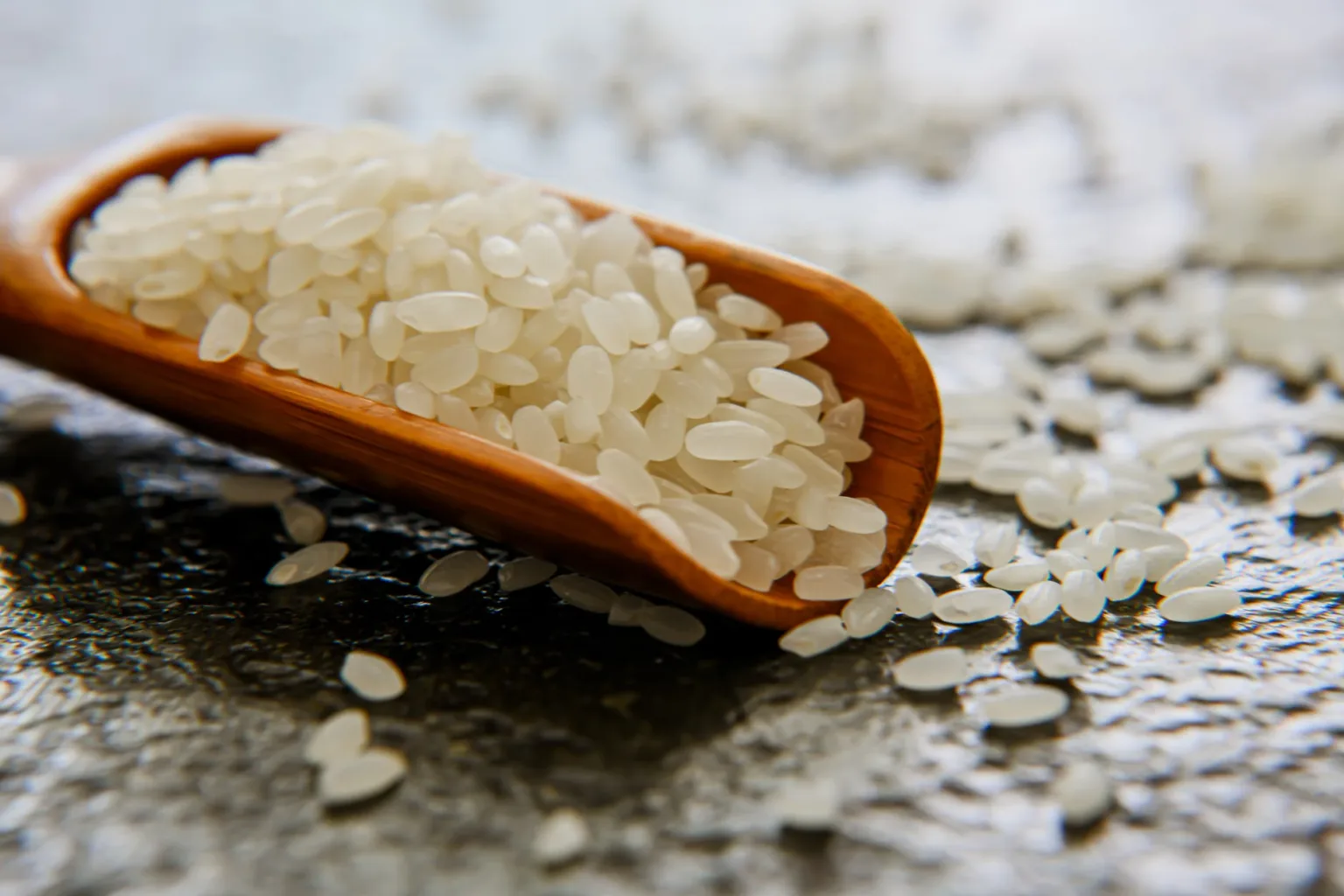
Water for rice is the liquid added to the grains during cooking, either as the only initial liquid or as part of a preparation that includes other ingredients. It is not a distinct culinary variety; its role is to provide moisture while the rice heats. There is no universal amount. For example, one rice-pudding recipe starts with water and adds milk later, while other preparations may call for a different cooking liquid. The type of rice can also affect how much liquid is appropriate, so use the instructions for the specific recipe as your guide. In absorption-style cooking, the rice cooks covered and takes up the liquid; the intended preparation determines the final texture.
When to use it
Use water when a rice recipe specifies it as the cooking liquid, particularly when the grains are meant to soften as they absorb liquid. Water may also be part of a recipe that later adds milk or other ingredients. Before measuring, identify the rice and check the quantity specified for that preparation: one amount does not suit every grain and method. If the recipe calls for a different cooking liquid, follow that direction rather than automatically replacing it with water. For absorption-style cooking, keeping to the specified amount helps avoid rice that is softer or stickier than intended.
How to use it
Measure the water according to the recipe, taking the type of rice into account because liquid needs can differ between varieties and preparations. Add it to the pot with the rice and any ingredients the recipe specifies. In an absorption-style method such as the cited rice-pudding recipe, cook covered over low heat until the liquid has been absorbed and the rice begins to soften. Do not add extra water without a reason: that recipe suggests adding a little, and only sparingly, if the rice is sticking to the pot, since too much can make it soft and sticky. If the recipe adds milk or another liquid later, keep to the stated sequence and do not mistake that later liquid for the initial water.
Flavour and texture
Water contributes moisture rather than a distinctive flavor of its own. Its main effect is on the texture achieved during cooking: in an absorption-style preparation, the rice softens as it takes up the liquid. Quantity matters; too much can leave the rice overly soft and sticky. The result also depends on the rice variety and recipe, so judge the cooked grains against the texture the dish calls for rather than applying one ratio to every preparation.
How to choose it
The available evidence does not identify a special variety of water for cooking rice. Choose water that is suitable for drinking and measure the amount specified by the recipe. Before you start, check the type of rice and whether the preparation uses water alone or combines several liquids. Some recipes begin with water and add milk later; others may specify a different liquid. Following those directions helps maintain the intended liquid balance and texture instead of relying on a generic ratio.
Storage
The available evidence gives no special purchase or storage conditions for water intended for cooking rice. For this use, choose water suitable for drinking and measure it when preparing the dish. If you have measured more than you need, this evidence does not give specific storage instructions; follow the usual practices for the water you use at home. This guidance does not replace any storage directions on the packaging of a commercial product.
Substitutions
If the recipe allows another cooking liquid, follow that option instead of water; the available evidence does not specify which stock to use or in what proportion. Some rice-pudding recipes use water at the beginning and milk later, but that does not mean the two liquids are interchangeable in every preparation. Check the recipe before substituting water, since changing the liquid may affect the balance and texture of the dish.
Common mistakes
A common mistake is using one fixed amount of water without considering the rice or recipe. Adding too much can also affect texture: in an absorption-style preparation, the rice may become soft and sticky. Before correcting the amount, check the recipe instructions, and do not confuse the initial water with milk or another liquid that a recipe may add at a later stage.
Safety and allergens
No specific warning about rice-cooking water is provided in the evidence. Use water suitable for drinking and follow the recipe; for food-safety questions, consult the relevant official authority.
Culinary uses
- Líquido para cocinar arroz
- Aporte de humedad durante la cocción
Recommended techniques
- Cocción a fuego lento y con la olla tapada
- Cocción por absorción
Pairs well with
- Arroz
- Arroz con canela
Frequently asked questions
How much water do I need to cook rice?
It depends on the rice and the recipe. Follow the ratio given for your preparation rather than treating one amount as universal.
Can I add more water if the rice sticks?
One rice-pudding recipe allows a little more if the rice sticks, but advises adding it sparingly. Check the instructions for your dish.
Can I replace water with another liquid?
Only when the recipe allows it. Some preparations use a different liquid or add milk after an initial stage with water; that does not make the liquids universal substitutes.
Sources and review
Automatically researched, cross-checked and validated content. Sources consulted:
- Client Challenge doi.org
- The Essential Glossary of Cooking Terms for the Culinary Arts - Escoffier escoffier.edu
- Arroz - Wikipedia, la enciclopedia libre es.wikipedia.org
- Agencia Española de Seguridad Alimentaria y Nutrición aesan.gob.es
- Nutrition After Your Transplant - Health Online healthonline.washington.edu
- The traditional food of migrants scholar.smu.edu
- Arroz con Leche 2010 (Rice Pudding) - lacocina.utsa.edu
- Sam Houston Dining Debuts La Latina Cocina with Chef Grace Ramirez - Sam Houston State University todayatsam.shsu.edu
- Columns/Columnas – Food Security Data Center uprm.edu
- Tipos de arroz: ¿cuántos hay y para qué se usa cada uno? mastershosteleria.com
- Arroz: tipos e historia - Ybarra en tu cocina ybarraentucocina.com
- - YouTube youtube.com