- Category
- Dairy and eggs
- State
- Liquid
- Usual unit
- g
What it is
Whipping cream is the fat-rich portion of milk sold as a pourable cream. Its main difference from cooking cream is fat content: the sources describe whipping products at around 35–38%, while cooking varieties are commonly around 15–18%. That higher proportion of fat lets the cream trap air when beaten and form a thicker structure; exact figures vary by product and source, so check the package. Whipping cream can also be used without whipping. It is not the same as a sauce such as béchamel, which is made with other ingredients.
When to use it
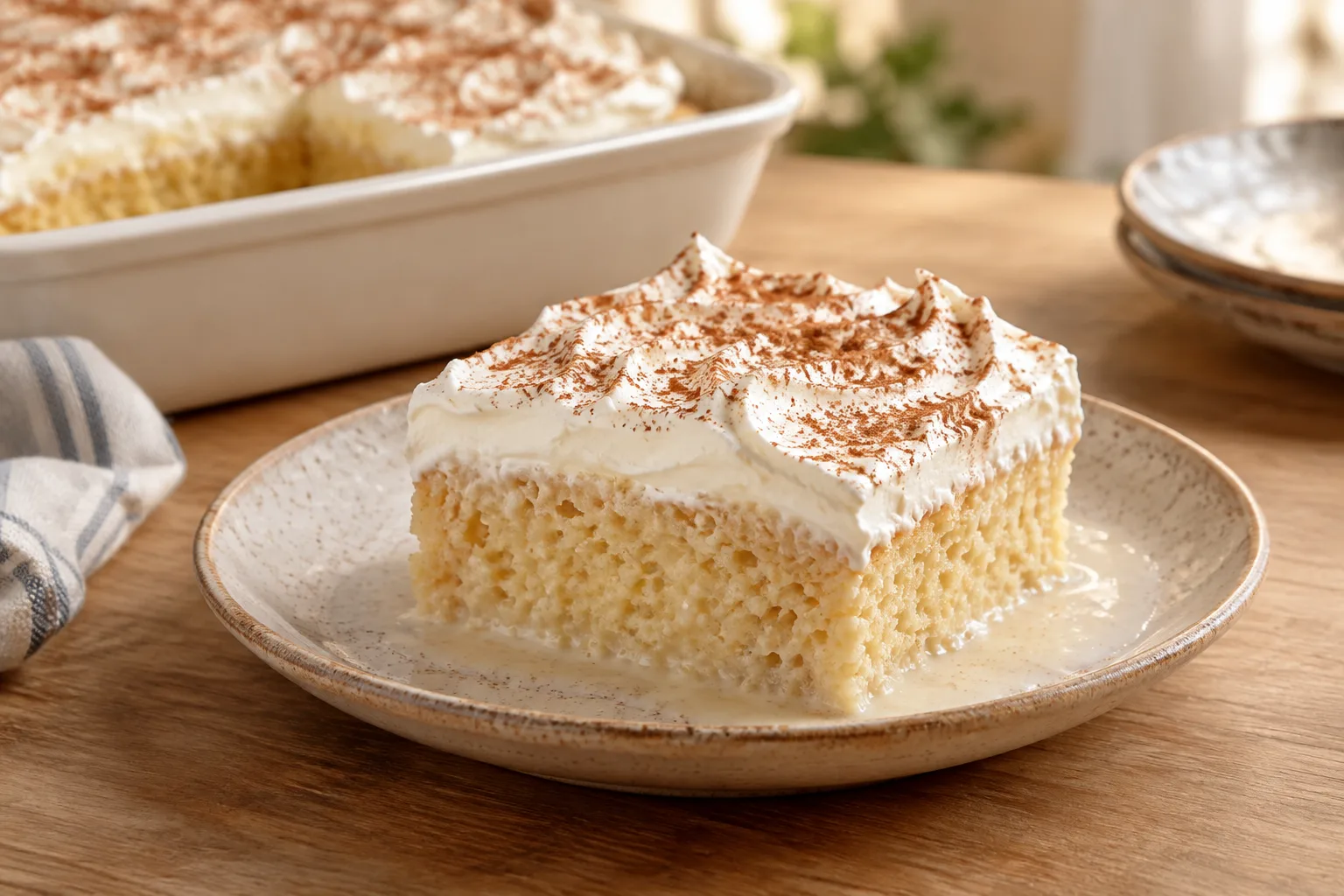
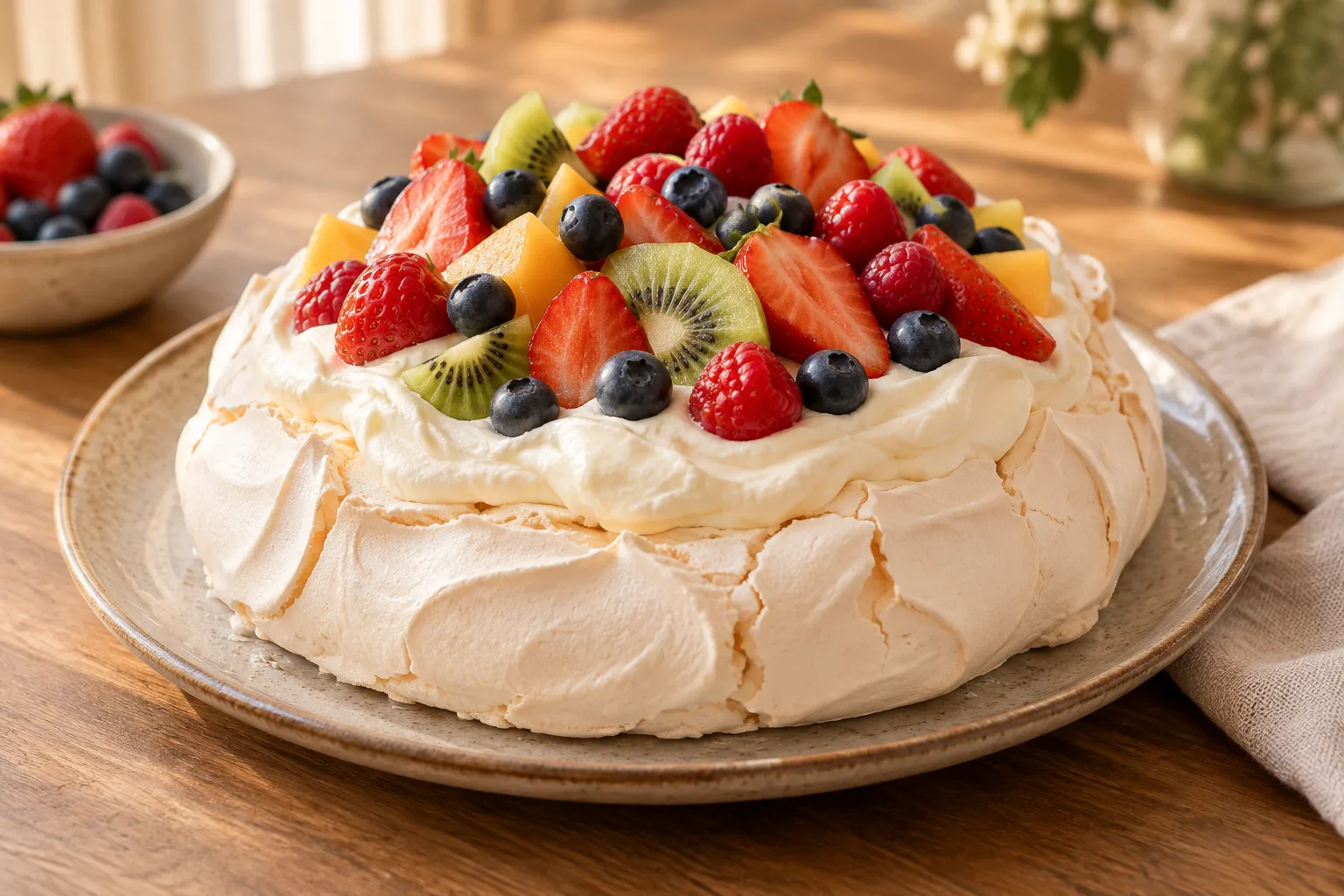
Choose it when you want whipped cream for filling or decorating cakes, serving with fruit, or topping coffee and hot chocolate. It is also useful unwhipped in mousses, cheesecakes and other recipes calling for liquid cream. Whipping cream can be used in sauces and savoury dishes that call for cream, although its higher fat content may make the result richer and thicker than one made with cooking cream. If a recipe needs cream to whip, do not replace it with a light cooking variety: its lower fat content will not provide the same structure.
How to use it
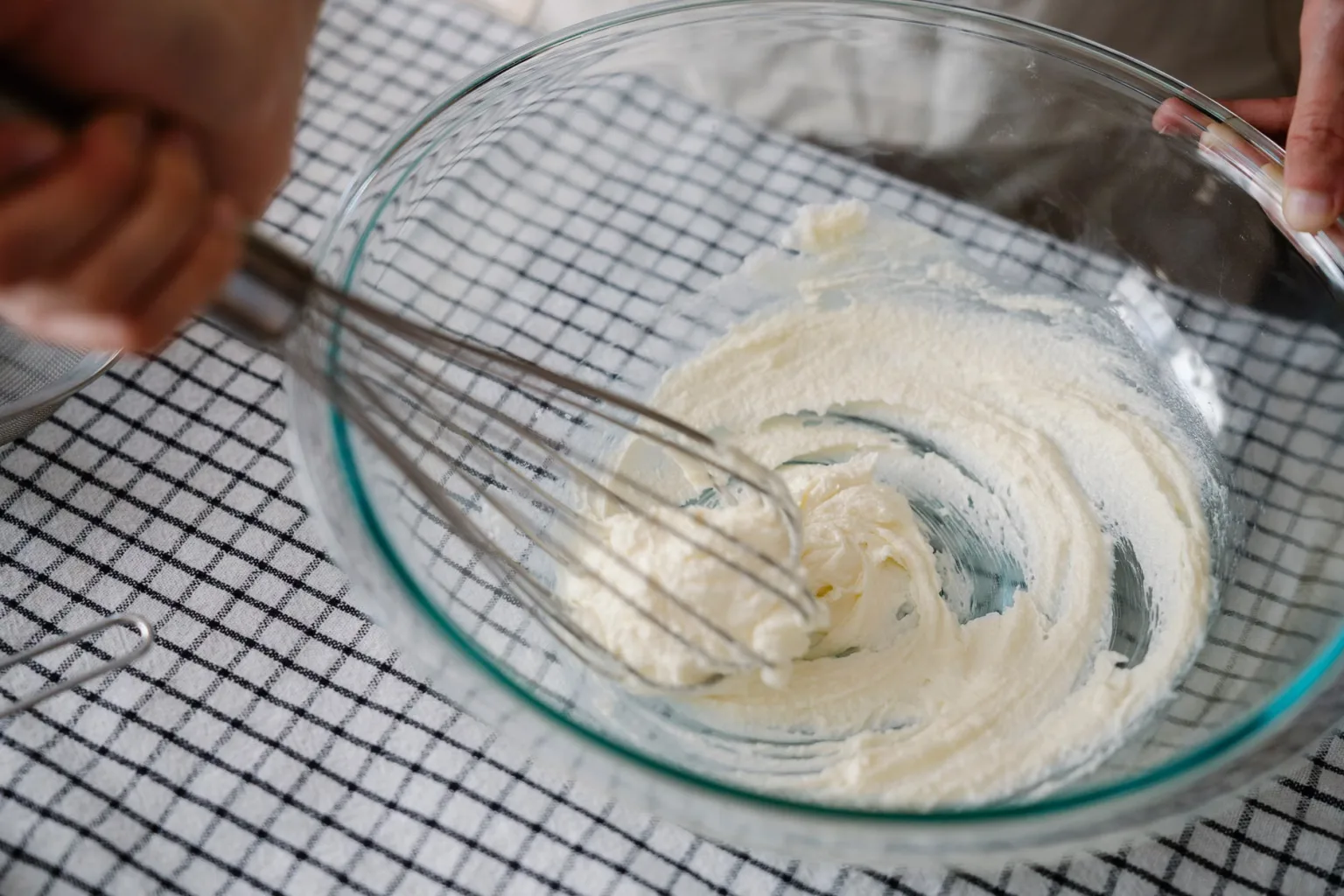
Start with well-chilled cream and beat it with a whisk or mixer until it reaches the consistency you need. Stop at soft peaks if you will fold it into another mixture, or at firm peaks if it needs to hold its shape for decoration. Watch it closely: beating for too long can make the cream grainy and cause it to separate. You can also add it unwhipped to mousses, cheesecakes and other batters or creams that call for liquid cream. In sauces, it adds richness and can be reduced to thicken; because it is often fattier than cooking cream, adjust the amount to suit the recipe and the result you want.
Flavour and texture
Its flavor is delicate, milky and creamy, and its liquid texture is usually more viscous than that of light cooking cream. When beaten, it incorporates air and becomes voluminous and firm; the final firmness depends on the product and how far it is beaten. Unwhipped, it adds body to desserts and sauces. A higher-fat cream can make a sauce feel richer and thicker than a cooking variety.
How to choose it
Check that the package identifies the product as whipping cream and look at its fat percentage, since products do not all have the same composition. The sources cite varieties around 35–38% and note that fat content affects how well the cream whips and how firm it becomes. Do not rely on the name alone: check the ingredients and manufacturer’s directions, especially if you want a product without thickeners or a particular result.
Storage
Follow the storage conditions and date on the package, since the available sources do not establish one general storage period for every product. Use the cream well chilled when whipping it; the recommendation to use cream straight from the refrigerator relates to whipping and does not replace the manufacturer’s storage instructions. Keep the container closed as directed and check its instructions after opening.
Substitutions
Double cream can be replaced with whipping cream around 35% fat in preparations that can accommodate the difference. Cooking cream may work in a sauce that does not need whipping, but it contains less fat and will not produce equivalent whipped cream. Choose according to whether the recipe needs air and structure or simply creaminess; do not assume the two types give the same texture.
Common mistakes
A common mistake is trying to whip cooking cream: its fat content is usually too low to form a stable structure. Overbeating is another, as the cream can lose its smooth texture and separate. Do not treat one fat percentage as universal: check the package, since the sources describe different ranges and products. In a sauce, remember that whipping cream can add more body and richness than a light variety.
Safety and allergens
This is a dairy product and contains milk. If you have a milk allergy, do not consume it unless a healthcare professional has advised you otherwise and the product is suitable. Follow the package storage conditions and instructions.
Culinary uses
- Nata montada para rellenos, coberturas y acompañamientos dulces
- Ingrediente líquido para mousses, tartas de queso, salsas y otras preparaciones cremosas
Recommended techniques
- Batir fría hasta obtener picos suaves o firmes, según el uso
- Incorporar sin montar a una mezcla o salsa para aportar cremosidad
- Reducir en una salsa para concentrar su cuerpo
Pairs well with
- Fresas y otros postres de fruta
- Pasteles, tartas y mousses de chocolate
- Café o chocolate caliente
- Salsas para pasta, carne o pescado
Frequently asked questions
What fat percentage should whipping cream have?
The sources cite whipping products around 35–38%, but composition varies. Check the percentage on the package and follow the manufacturer’s directions.
Can I use whipping cream in a sauce?
Yes. It can be added to sauces and savoury dishes that call for cream; because it is fattier than many cooking creams, the result may be richer and thicker.
Can cooking cream be whipped?
Generally, no. The cooking varieties described usually contain much less fat, so they do not form the same structure when beaten.
Estimated nutrition
- Fat
- 30 g
- Saturates
- 20 g
- Carbohydrate
- 6.67 g
- Sugars
- 6.67 g
- Fibre
- 0 g
- Protein
- 0 g
- Salt
- 0.08 g
Sources and review
Automatically researched, cross-checked and validated content. Sources consulted:
- Tipos de Nata: Diferencias y Usos | Central Lechera Asturiana centrallecheraasturiana.es
- Diferencias entre la nata para montar y la nata para cocinar | Leche Larsa leitelarsa.es
- Nata para cocinar o para montar: 18% vs 35% | Gallina Blanca gallinablanca.es
- Mexican Immigrants´ Foodways In El Paso, Texas, 1880- ... scholarworks.utep.edu
- Duke University Dissertation Template dukespace.lib.duke.edu
- 21 Seminarios de panadería y pastelería | Culinary Institute Lenotre culinaryinstitute.edu
- Para cocinar, montar, espesa, doble... ¿Qué nata utilizo? | Hostelería Salamanca hosteleriasalamanca.es
- Guía RGSEAA aesan.gob.es
- Client Challenge doi.org
- Trabajo Final de Grado diposit.ub.edu
- la figura mítica de pancho villa como ícono de repositories.lib.utexas.edu
- Diversidades espirituales y religiosas en Quito, Ecuador anth.umd.edu
- Reto Le Cordon Bleu Madrid: Bacalao asado con gnocchis, almejas, perejil y salsa de ajo cordonbleu.edu