- Category
- Fish and seafood
- State
- Fresh
- Usual unit
- g
What it is
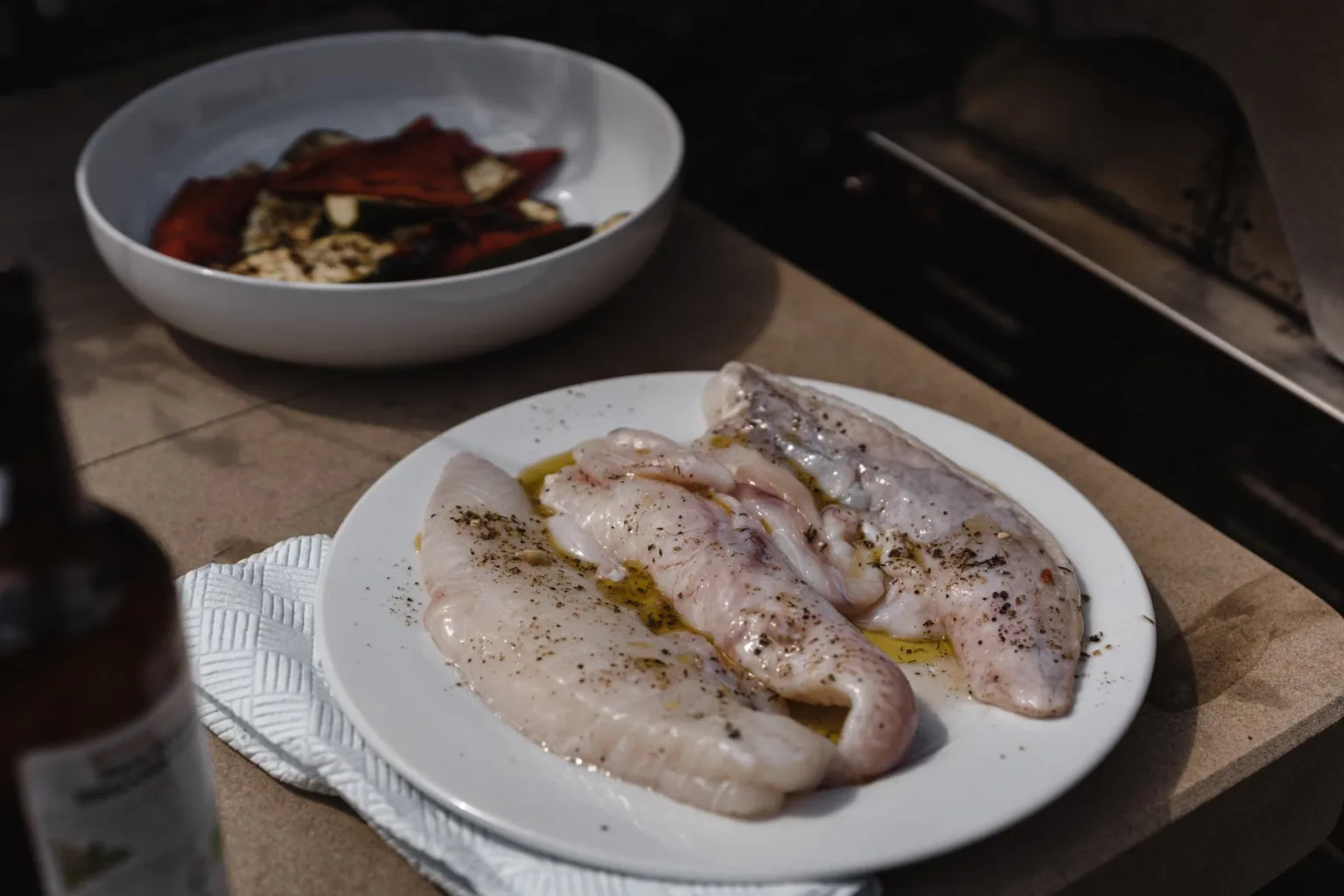
“White fish” is a culinary label for several fish with pale flesh and generally mild flavor, rather than the name of a single species. Examples cited for this category include cod, hake, whiting, sole, sea bream, grouper and tilapia. As a result, two packs labelled white fish fillets may differ in firmness, moisture, size and cooking behavior. A fillet is a cut ready to prepare, but the broad category name alone does not identify the species or predict its precise texture. Check the product label for the fish’s identity and adapt your recipe to the particular fillet.
When to use it
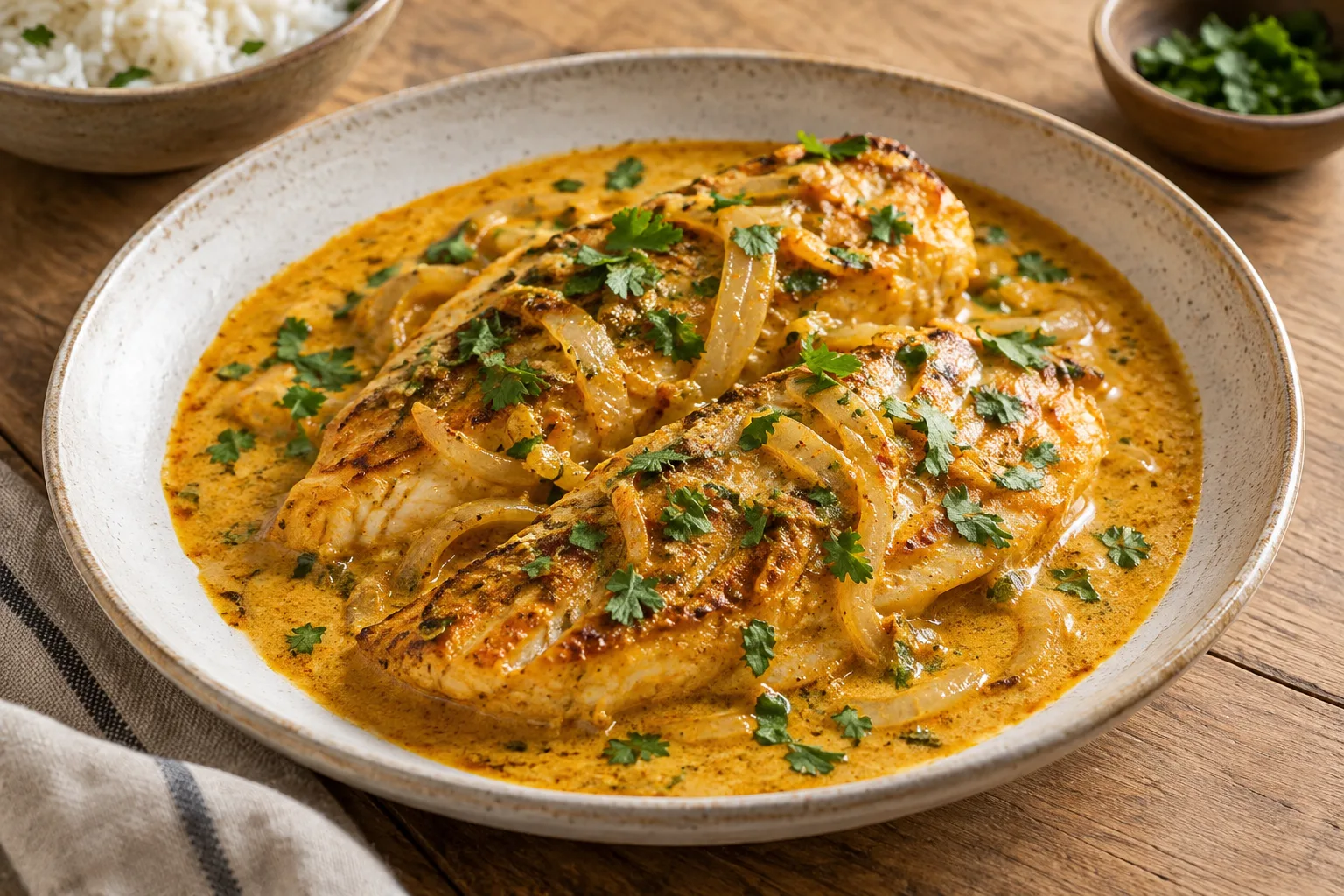
Choose these fillets when you want a mild-tasting base that can take herbs, citrus, spices, vegetables or sauce. Depending on the species and cut, they can work for quick grilling or pan cooking, baking, frying, steaming, or adding to soups and stews. This is a varied category, so consider the fillet’s thickness and firmness rather than assuming all white fish cook alike. They are useful in dishes where the fish can sit alongside other ingredients without overpowering their flavors.
How to use it
Check the label to identify the species, then choose a method suited to the fillet’s thickness and firmness. White fish can be grilled or cooked on a hot surface, baked, fried, steamed, or added to soups and stews; these are methods used for different white fish, not universal cooking-time instructions. Add flavor with lemon or lime, fresh herbs, garlic, paprika, cumin or curry. Tomato, peppers, onion, mushrooms and spinach are also suggested companions. Do not automatically transfer the cooking time for one species or thickness to another: pay attention to the product and use a recipe suited to the identified fish.
Flavour and texture
The flavor is generally mild and restrained, but it is not identical across species. The flesh may be tender, juicy or firmer, and some fillets can look slightly translucent before cooking. These differences mean that a delicate piece and a firm one may not respond alike to a pan, oven or stew. Citrus, herbs, spices and sauces can add contrast without necessarily masking the fish’s own flavor.
How to choose it
Read the species name on the package whenever it is available: “white fish” covers different fish and does not by itself describe one consistent texture. Choose fillets whose cut and size fit your intended cooking method, and check the product information to establish whether it is sold fresh or in another state. The available evidence does not establish universal visual freshness signs for every species, so do not infer them solely from the pale color of the flesh.
Storage
This category includes different species, and the available information does not establish one storage time or temperature for all fillets. Follow the package directions and official advice applicable to the fish you bought. If the product’s state or storage instructions are unclear, ask the seller or local food-safety authority rather than assuming all fillets require the same storage.
Substitutions
You can often replace one species with another mild white fish, such as hake, cod, whiting or sole, if it suits the recipe. The swap does not guarantee identical texture: firmness, thickness and juiciness differ among species. Adjust the method and your attention during cooking to the fillet in hand instead of copying the original recipe’s timing unchanged.
Common mistakes
A common mistake is treating all white fish as one species with the same firmness and behavior in a pan. A substitution can also disappoint if it is chosen by flesh color alone, without considering thickness or texture. Identify the fish where possible, select a suitable technique, and do not assume that every fillet will give exactly the same result in a recipe.
Safety and allergens
The evidence reviewed does not provide specific official handling or storage instructions for this broad category. Follow the package directions and advice from your local food-safety authority; do not infer safe times or temperatures from this profile.
Culinary uses
- Proteína principal de una comida
- Base suave para platos con verduras, hierbas o salsas
Recommended techniques
- A la plancha o a la parrilla
- Al horno
- Frito
- Al vapor
- En guisos o sopas
Pairs well with
- Limón o lima y hierbas frescas como perejil, eneldo, cilantro o albahaca
- Ajo, pimentón, comino o curry
- Tomate, pimientos, cebolla, champiñones o espinacas
Frequently asked questions
Is white fish a single species?
No. It is a culinary category that includes several species, such as hake, cod, whiting, sole, sea bream, grouper and tilapia.
How can I cook white fish fillets?
Depending on the species and cut, you can grill or pan-cook them, bake, fry or steam them, or add them to soups and stews.
Can I substitute one white fish species for another?
Often, but the result may differ in firmness and thickness. Adapt the method and do not assume cooking times will be identical.
Estimated nutrition
- Fat
- 12.2 g
- Saturates
- 2.14 g
- Carbohydrate
- 17.4 g
- Sugars
- 0.4 g
- Fibre
- 1 g
- Protein
- 13.8 g
- Salt
- 1.29 g
Sources and review
Automatically researched, cross-checked and validated content. Sources consulted:
- ¿Por qué la muerte es origen de miedos y tabúes? doi.org
- The Essential Glossary of Cooking Terms for the Culinary Arts - Escoffier escoffier.edu
- Agencia Española de Seguridad Alimentaria y Nutrición aesan.gob.es
- Free Standing, Slide In, and Drop In Electric housing.illinoisstate.edu
- Beneficios del pescado blanco | Congelados Guerrero congeladosguerrero.es
- Tilapia, un pescado blanco de proteína magra. Origen, cómo es su pesca actual y usos en la cocina directoalpaladar.com
- Food, Status, and Conquest in 16th Century Michoacán ... etd.ohiolink.edu
- Revista Española de Estudios Agrosociales y Pesqueros ageconsearch.umn.edu
- Philippine Cuisine at the Turn of the Nineteenth Century archium.ateneo.edu
- Language Realia - Images web.pdx.edu
- Pescado blanco del Mediterráneo: especies, pesca y cocina ~ Del Barco a la Mesa delbarcoalamesa.com