- Category
- Meat
- State
- Fresh
- Usual unit
- kg
What it is
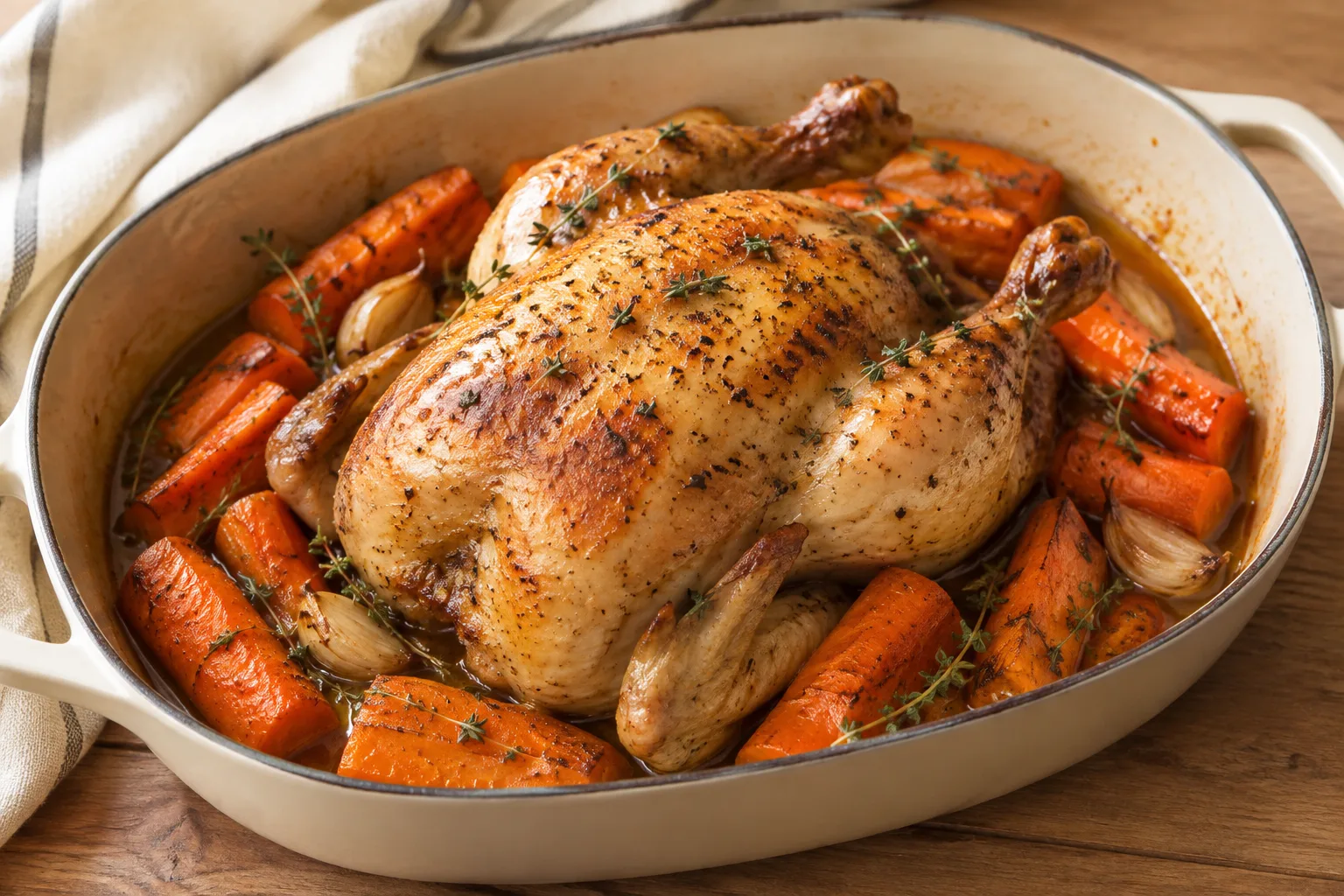
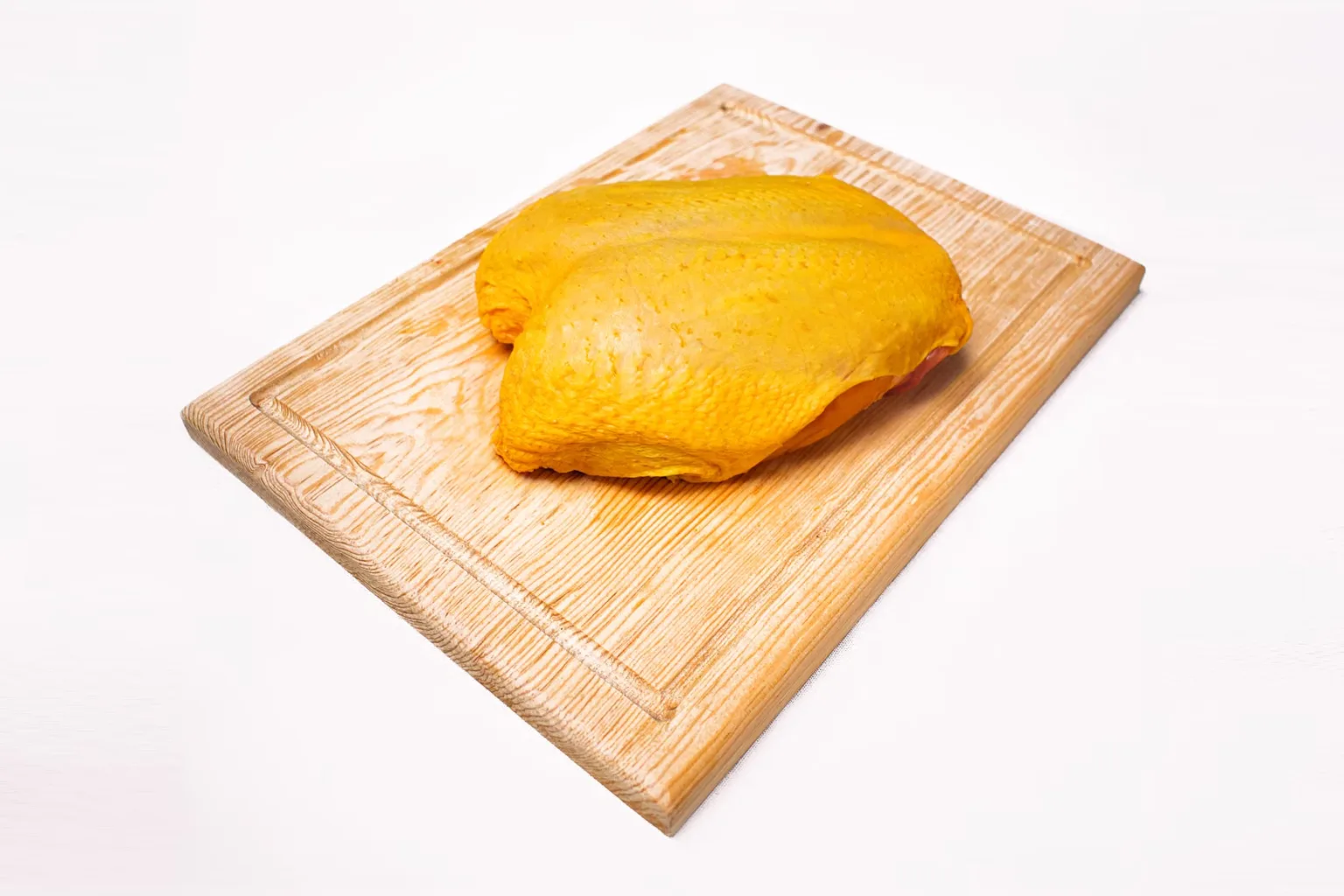
A whole chicken is sold as an intact bird rather than divided into separate cuts, although it may be cleaned or supplied with giblets separately depending on the product. Its different areas have distinct culinary qualities: breast meat is generally leaner, while thighs and drumsticks are often juicier; wings and bones can also be used in other preparations. This variety makes it possible to cook the bird whole as a centerpiece or break it down so each part can suit a different technique. The carcass and bones can be used for stock or soup. The final result varies with the bird, seasoning and cooking method, so it is useful to think of a whole chicken as a versatile collection of parts rather than one uniform cut.
When to use it
Choose a whole chicken when you want to serve a complete roast at the table, cook several parts together or save cooked meat for other dishes. It is also a practical choice if you plan to use the carcass for stock or soup after serving the meat. For a longer, moist-cooking method such as a stew or braise, cutting the bird into pieces first can be useful. If you need only one portion or want every piece to cook in the same way, separate cuts may be more convenient than a whole bird.
How to use it
Before cooking, check how the chicken has been prepared and remove anything the package says should be taken out. Season it with salt, pepper, garlic and herbs, or use a marinade with oil and aromatic ingredients; keep it refrigerated while it marinates. Roasting is a classic way to serve the bird whole. It can also be gently poached in broth with vegetables and herbs, or cut into pieces, browned and cooked slowly with liquid for a stew or braise. After cooking, separate the portions and reserve the carcass for stock or soup. Do not automatically apply the timing from a recipe for chicken pieces to a whole bird: size, oven and preparation all affect the result.
Flavour and texture
Chicken has a generally mild flavor that takes well to different seasonings, but its parts do not all have the same texture or taste. Breast meat tends to be leaner, while thighs and drumsticks are usually juicier and more pronounced in flavor. Roasting can brown the skin, while gentle cooking in liquid gives a different result, suited to serving with broth or sauce. Seasoning, bird type and cooking technique all affect the finished dish, so choose accompaniments to suit the preparation.
How to choose it
Buy from a trusted seller and check the package and product information. For a fresh bird, look for a firm appearance without visible bruises or marks; the available evidence describes fresh meat as pink and the skin as pale, though appearance can vary by product. Make sure the packaging is intact and that the bird is sold in the form you need, especially if you want giblets or a bird ready to roast.
Storage
Keep fresh chicken wrapped or in its packaging, refrigerated and apart from foods that will be eaten without cooking, to avoid unwanted contact. Follow the storage directions and date on the package; the available evidence does not support one universal storage period for every product. If the chicken is frozen, follow the manufacturer's thawing directions before cooking rather than relying on a generic time, since size and storage conditions can vary.
Substitutions
If you do not need to present a whole bird, chicken pieces such as thighs or breasts can take its place, but adapt the method and recipe: pieces do not necessarily cook like a whole chicken. A whole turkey can work as an alternative for a roast poultry dish, but its size and characteristics mean it is not a direct substitute. Check the recipe and adjust the cooking to the bird you choose.
Common mistakes
Do not assume every part of the bird has the same texture or that a recipe for chicken pieces will work unchanged for a whole chicken. Do not choose by weight alone: check the bird's condition and packaging. Avoid washing raw chicken; the culinary source available warns that water can spread bacteria around the sink. Keep utensils that touched raw chicken separate from ready-to-eat foods.
Safety and allergens
The official alert in the supplied evidence concerns Salmonella in a chicken burger-meat preparation from Spain, not specifically whole chicken. Check official alerts and follow the package instructions; handle raw chicken carefully and keep it from contacting ready-to-eat foods.
Culinary uses
- Asado entero como plato principal para compartir
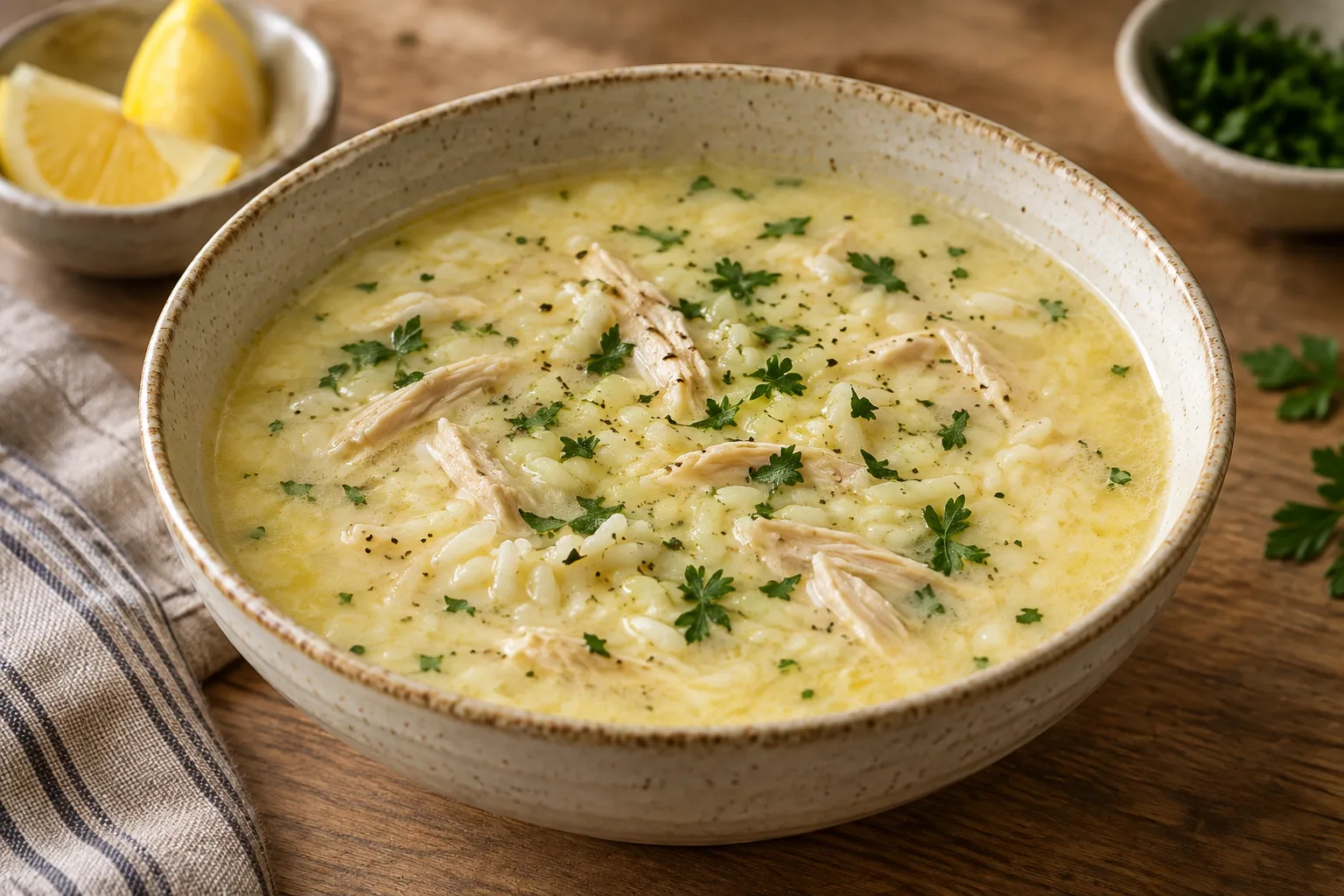
- Base de caldo o sopa aprovechando la carcasa y los huesos
Recommended techniques
- Asar al horno
- Escalfar o cocer suavemente en líquido
- Guisar o brasear a fuego lento
- Marinar antes de cocinar
Pairs well with
- Verduras aromáticas como cebolla, zanahoria, apio y puerro
- Hierbas y especias como ajo, romero, tomillo y pimienta
- Patatas y otras verduras como guarnición
- Vinos blancos estructurados o tintos ligeros, según el sazonado
Frequently asked questions
What parts does a whole chicken include?
It mainly includes breast, thighs, drumsticks, wings and the bony carcass. The exact presentation can vary, and giblets may be supplied separately.
What can I make with the carcass?
The carcass and bones can be used to make stock or soup. Remove and save any meat you want to use in other dishes first.
Can I stew a whole chicken?
Yes, but the culinary sources describe stewing and braising mainly with chicken cut into pieces. You can break it down, brown the pieces and cook them slowly with some liquid.
Estimated nutrition
- Fat
- 13.9 g
- Saturates
- 2.64 g
- Carbohydrate
- 12.5 g
- Sugars
- 0.55 g
- Fibre
- 2.3 g
- Protein
- 17.6 g
- Salt
- 1.17 g
Sources and review
Automatically researched, cross-checked and validated content. Sources consulted:
- Client Challenge doi.org
- Maridajes perfectos: platos caseros y vinos que realzan su sabor - RutasyVinos rutasyvinos.com
- Aesan - Agencia Española de Seguridad Alimentaria y Nutrición aesan.gob.es
- POLLO: recetas y técnicas culinarias cocinasanayfacil-ruqui.blogspot.com
- Pollo: 9 recetas jugosas para no aburrirte nunca lasrecetascocina.com
- 5 marinados de pollo para asar y sacar todo el jugo a la pechuga. aldelis.com
- 8 usos del pollo en la cocina que no conocías cashfresh.es
- Pollo entero: Descubre qué piezas incluye elblogdelasaves.com
- Carne de pollo - Wikipedia, la enciclopedia libre es.wikipedia.org
- Pollo entero – Pujante es.openfoodfacts.org
- Recetas fáciles y prácticas - ensumesa ensumesa.com
- Pollo entero: recetas irresistibles para cada ocasión cookpad.com
- Pollo Entero chuletacity.com
- Las Claves para Cocinar un Pollo Entero al Horno labonacarn.com
- Pollo asado entero, dos técnicas: en olla lenta y en horno convencional. - Cocina y Aficiones cocinayaficiones.com
- Siete recetas de pollo relleno deliciosas y especiales directoalpaladar.com