- Category
- Herbs and spices
- State
- Dry
- Usual unit
- teaspoon
What it is
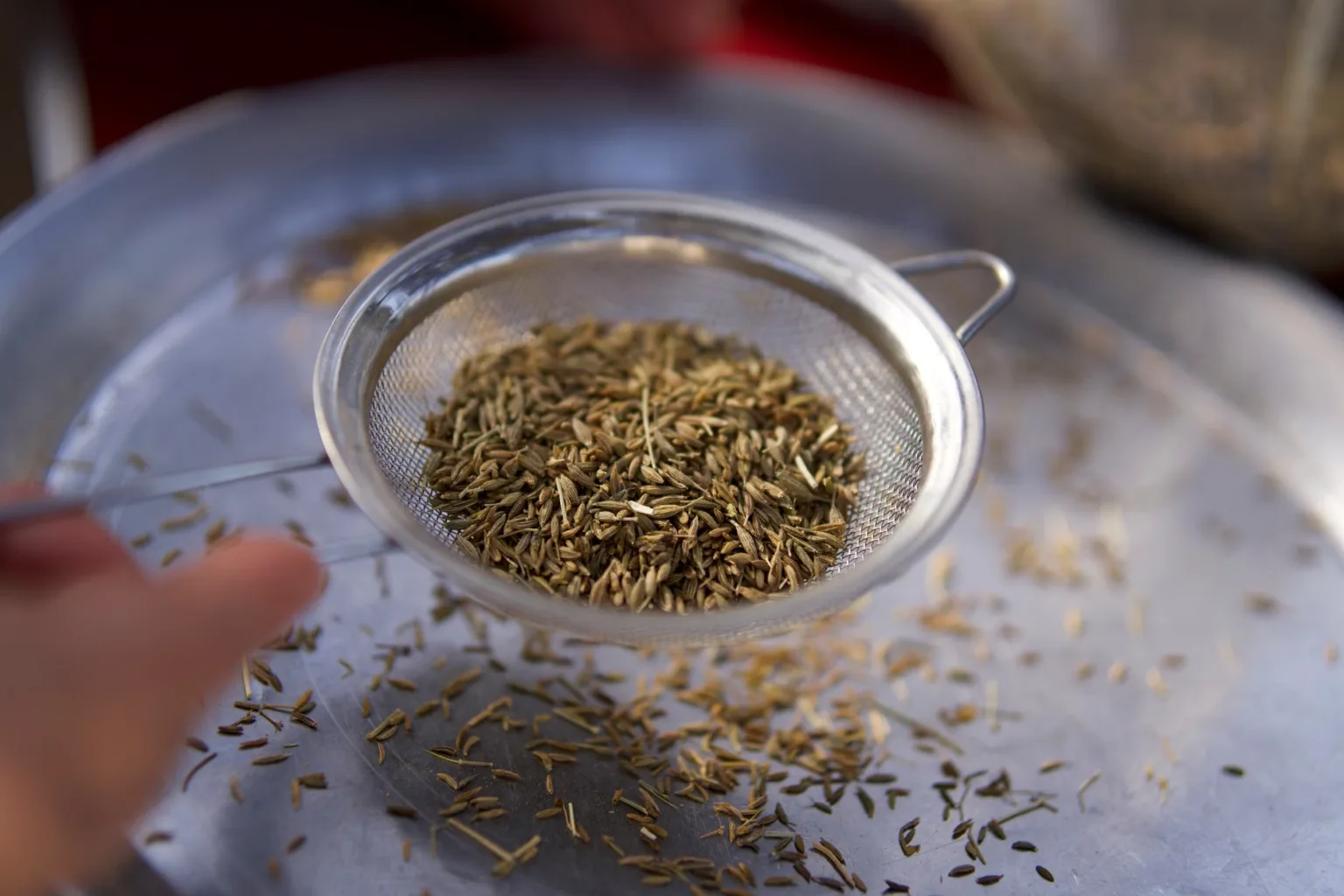
Whole cumin is the dried seed used as a spice and comes from Cuminum cyminum, a plant in the Apiaceae family. Cumin is sold whole or ground; this profile covers the whole seeds. Their characteristic aroma and flavor can make a clear impression even when used in a small amount. Cumin should not be automatically confused with caraway: although the seeds can look alike, their aromas and flavors differ. It is also worth checking labels carefully, since products called black cumin may refer to a different species from common cumin.
When to use it
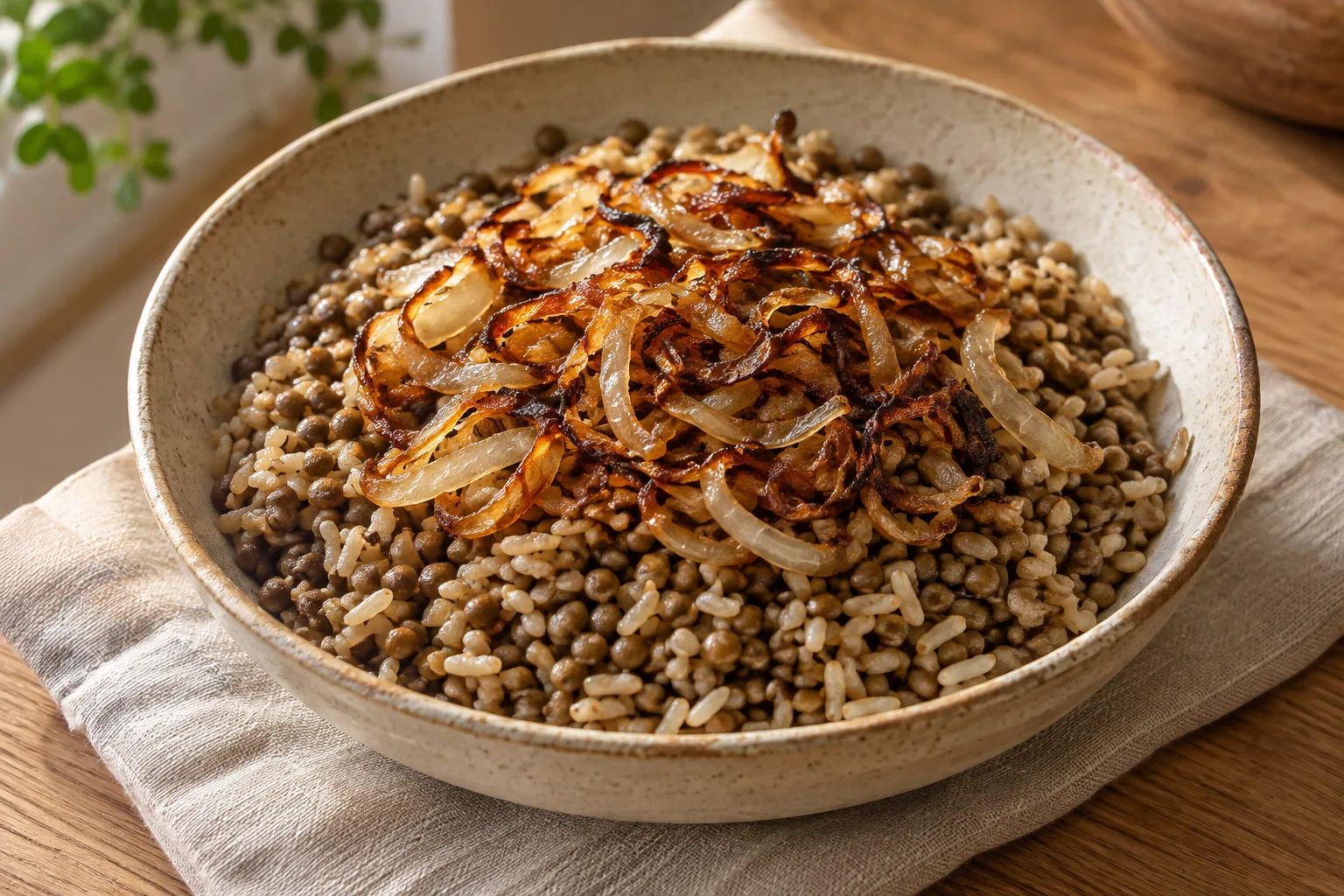
Use whole cumin when you want to add aromatic depth to savory food, especially stews, legumes, vegetables, curries and couscous. It is also used in hummus and mojo. Whole seeds bring texture and can flavor the oil used as the base of a stew; grinding them can spread their flavor more evenly through a dish. Since cumin is assertive, add a little at a time and taste before adding more so it does not overwhelm the other ingredients.
How to use it
Add the seeds whole if you want to retain their texture, or dry-toast them to intensify their aroma before using. You can also grind the seeds after toasting them, using a mortar or grinder, then mix the ground spice into the seasoning. Another option is to add the seeds to the oil that will form the base of a stew and let them flavor it. Cumin is used in small amounts: start with a little, mix it in and taste before adjusting, because too much can mask other flavors. It is used in dishes including hummus, mojo, curry, couscous, meat stews, legumes and vegetable dishes.
Flavour and texture
Cumin has an intense, aromatic profile with earthy notes and a slightly bitter, spicy edge. Whole seeds retain a noticeable texture and release aroma when heated or crushed; ground cumin blends more evenly into a dish. Its assertive flavor can stand out strongly, so use it carefully and do not assume that it tastes like caraway.
How to choose it
Choose a product clearly labelled whole cumin seeds, and check that it is not labelled black cumin or caraway, which can refer to different spices. Whole seeds let you toast and grind them as needed; cumin is also sold ground. The available evidence does not establish a universal visual freshness test or shelf life, so check the product label for relevant information.
Storage
The culinary information available does not specify particular storage conditions or a fixed shelf life for whole cumin. Follow the directions on the package and check the date given by the manufacturer. Do not assume that every brand or format has the same storage life; if the package gives no clear guidance, ask the seller or manufacturer.
Substitutions
Ground cumin is the closest alternative to whole cumin: it is the same spice in a different form, so add it gradually and adjust to taste. Caraway may look similar, but its aroma and flavor differ, so it should not be treated as an equivalent substitute. If cumin is unavailable, omit it rather than expecting another spice to reproduce its exact profile.
Common mistakes
A common mistake is adding too much cumin at once: its assertive flavor can mask the other ingredients. It is also easy to mistake cumin for caraway because the seeds look similar, even though their aromas and flavors differ. Do not assume black cumin is the same spice as common cumin; check the product name.
Safety and allergens
The supplied official evidence does not support a specific warning about whole cumin. Follow the product label and general food-hygiene practices when handling ingredients.
Culinary uses
- seasoning
- aromatic base
Recommended techniques
- dry-toasting whole seeds
- grinding after toasting
- infusing in cooking oil
Pairs well with
- hummus
- curry
- couscous
- legumes
- vegetable dishes
- meat stews
Frequently asked questions
Can I use whole cumin instead of ground cumin?
Yes. You can grind the seeds, for example after dry-toasting them, and add them to the dish. Adjust gradually because cumin has an assertive flavor.
Are cumin and caraway the same?
No. The seeds can look alike, but cumin and caraway have different aromas and flavors.
What dishes can I make with whole cumin?
It is used in dishes such as hummus, mojo, curry, couscous, stews, legumes and vegetable dishes. Add it moderately so it does not dominate.
Estimated nutrition
- Fat
- 31 g
- Saturates
- 1.52 g
- Carbohydrate
- 47.6 g
- Sugars
- 0 g
- Fibre
- 11.9 g
- Protein
- 23.8 g
- Salt
- 0 g
Sources and review
Automatically researched, cross-checked and validated content. Sources consulted:
- Romanica Olomucensia : «¿Qué pinga es esto?». Usos disfemísticos en el español de Cuba doi.org
- The Essential Glossary of Cooking Terms for the Culinary Arts - Escoffier escoffier.edu
- Cómino: qué es y para que sirve | JUST SPICES ® justspices.es
- educational content to support healthful lifestyle practices sjsu.edu
- Dictionary of Health Related Terms: English – Spanish hia.berkeley.edu
- Vamos a Conservar Alimentos: Tomates extension.psu.edu
- Propiedades y beneficios del Comino - Trevijano trevijano.com
- Comino: qué es, propiedades, beneficios y uso en la cocina bonviveur.com
- El comino, una de las especias más populares del mundo: propiedades, beneficios y cómo sacarle partido en la cocina directoalpaladar.com
- Fresh Produce Recipe Book | Wsu s3.wp.wsu.edu
- Comité Científico aesan.gob.es
- ÁRBOLES NATIVOS PARA PREDIOS GANADEROS elti.yale.edu
- Por qué añadir comino a tus recetas - Blog de Sucesores de Ignacio López - Frutos secos online sucesoresdeignaciolopez.com