- Category
- Fish and seafood
- State
- Fresh
- Usual unit
- unit
What it is
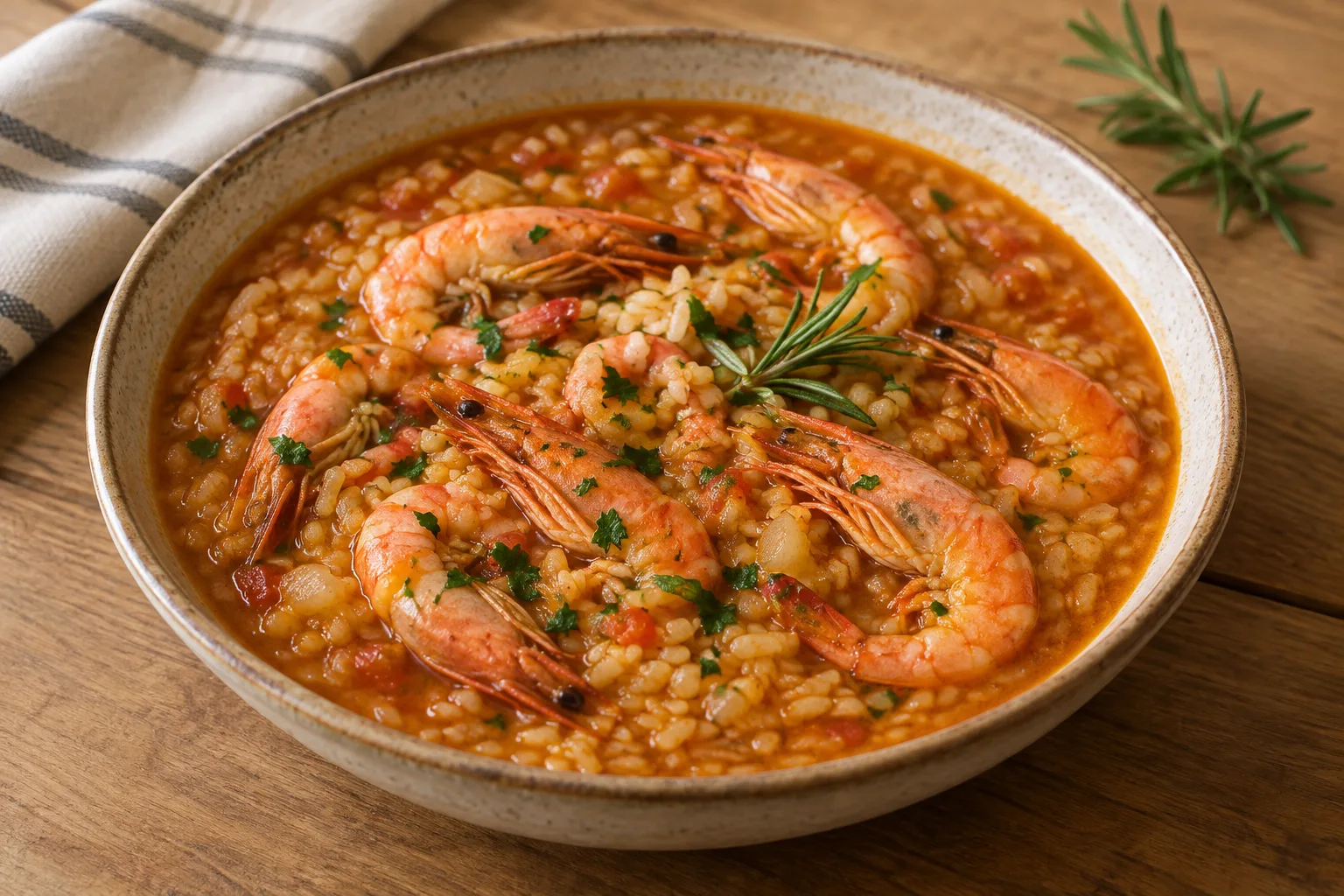
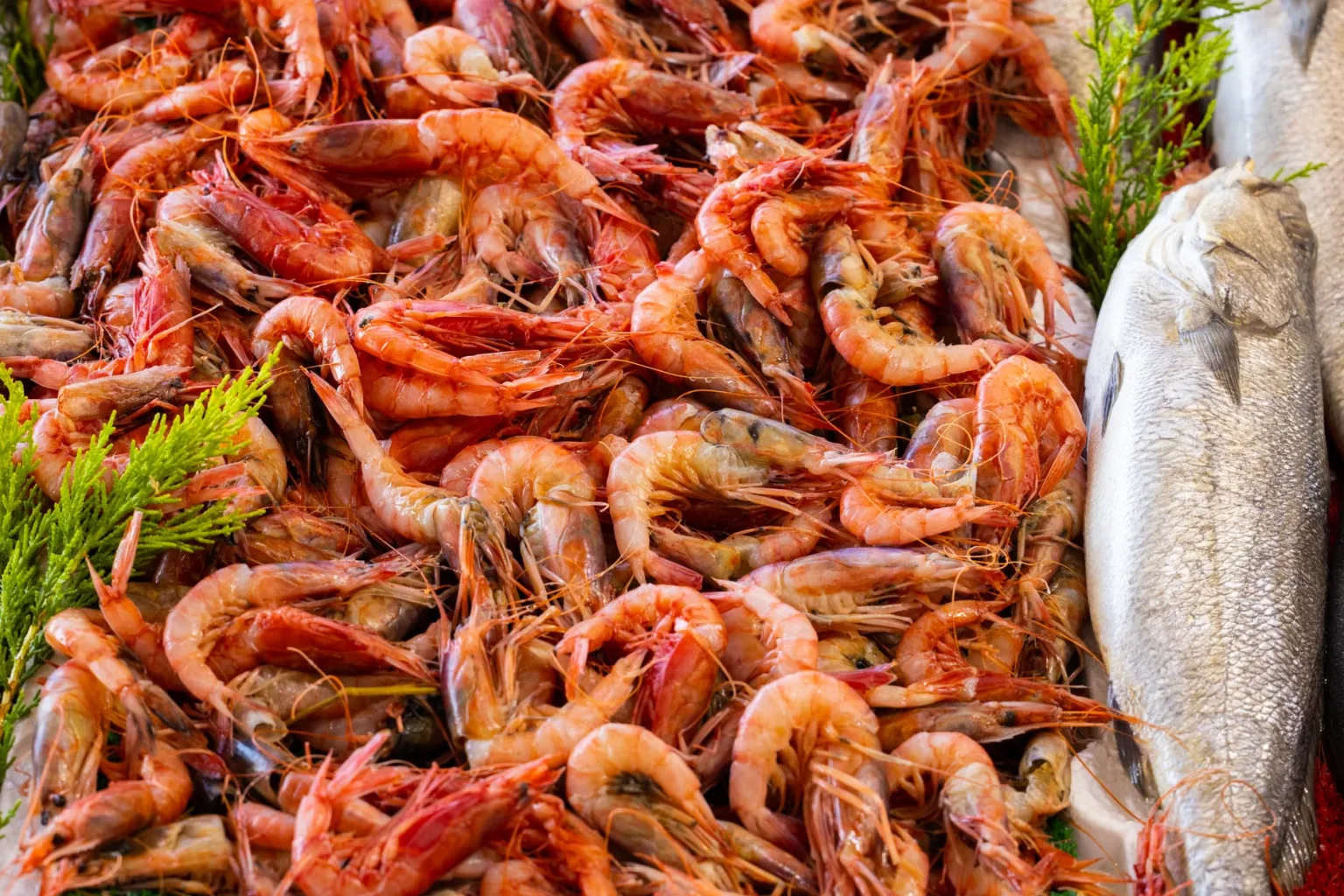
Whole prawns are decapod crustaceans sold with the body and head, covered by a shell. The common name can refer to different species and sizes, so individual prawns do not all have the same shape, color, or intensity of flavor. Their meat is generally described as tender and delicate, with a marine note. In cooking, they can be grilled, sautéed, or included in rice dishes, pasta, soups, and salads. The heads can also be used to add flavor to broth. This profile refers to fresh product; prawns are also sold frozen and in other forms.
When to use it
Choose whole prawns when you want seafood to take center stage or contribute flavor and texture to a dish. Serve them as an appetizer, cook them on a griddle, add them to rice or pasta, or combine them with vegetables in a stir-fry. For soups and broths, the heads can contribute to the base. Prawn types vary in size and flavor, so adapt the preparation and amount to the dish instead of assuming every prawn will cook or taste exactly alike.
How to use it
Before cooking, decide whether you want to serve the prawns whole or use parts of them in the recipe; the available culinary sources highlight using the heads to flavor broth. For a simple preparation, grill or sauté them with garlic and oil. They also work in rice dishes, pasta, soups, salads, and stir-fries with vegetables or noodles. For rice and pasta, the culinary references recommend adding the prawns near the end so they are not overcooked. Sizes vary, so pay attention to the product rather than applying the same treatment automatically to every type. If the product is frozen, follow the package directions for thawing.
Flavour and texture
Prawn meat is generally tender and juicy, with a delicate, lightly salty seafood flavor. Intensity varies by type and size: some prawns are described as milder and others as more pronounced. Overcooking can make the meat tough and chewy, so keep an eye on it and avoid leaving it on the heat longer than the preparation requires.
How to choose it
For fresh prawns, look for a mild smell, firm shell, and even color, as suggested by the available culinary references. Appearance varies among species, so color alone does not identify every variety or guarantee quality. For frozen product, check the label and choose a package whose origin and condition you can assess.
Storage
This profile does not establish a specific storage duration or method for fresh prawns. Follow the seller's and package's directions, and avoid unnecessary delay before cooking fresh product. If you buy frozen prawns, thaw them according to the manufacturer's instructions; the available references stress using them fresh or properly thawed.
Substitutions
In dishes that can accommodate similar crustaceans, small shrimp or langoustines may be alternatives. They are not necessarily identical to prawns: the sources describe differences in size, species, and characteristics. Adjust the amount and presentation to the product you choose, and do not expect exactly the same texture or flavor intensity.
Common mistakes
The most common mistake is cooking prawns for too long, which can make their texture tough and chewy. Avoid treating every type as if it had the same size, color, or flavor, and do not add them too early to pasta or rice when the recipe calls for adding them near the end.
Safety and allergens
Contains crustaceans. Follow the seller's and package's handling directions; thaw frozen product according to its instructions. The available evidence does not establish safe times or temperatures.
Culinary uses
- Main ingredient in tapas and appetizers
- Seafood addition to rice dishes, pasta, soups, salads, and stir-fries
Recommended techniques
- Grilling or cooking on a hot griddle
- Sautéing
- Adding near the end of rice or pasta cooking
- Using heads to make a seafood broth
Pairs well with
- Garlic and olive oil
- Rice and seafood broth
- Pasta and tomato
- Vegetables and noodles
Frequently asked questions
Which part of whole prawns can add flavor to broth?
The culinary references identify the heads as a way to add flavor to broth.
When should prawns go into rice or pasta?
The culinary sources recommend adding them near the end to avoid overcooking.
How can I assess fresh prawns when buying them?
Look for a mild smell, firm shell, and even color; color can vary between prawn types.
Sources and review
Automatically researched, cross-checked and validated content. Sources consulted:
- Client Challenge doi.org
- Gambas: origen, variedades, propiedades y cómo usarlas en la cocina abc.es
- Gambas, del océano a un platillo delicioso | Recetas Nestlé recetasnestle.com.co
- Propiedades y beneficios de las gambas - Compesca compesca.com
- revista del - Comité Científico aesan.gob.es
- Our Team | Food for Health Equity Lab | Stanford Medicine med.stanford.edu
- Dictionary of Health Related Terms: English – Spanish hia.berkeley.edu
- Cataloging Works at Museums and Special Collections: getty.edu
- Contents rochester.edu
- Effects of Parent Participation Using First Language Curriculum preserve.lehigh.edu
- ONLINE LEARNING ce.harpercollege.edu
- A four-chapter translation, from English into Spanish, of ... scholarspace.manoa.hawaii.edu
- Gambas en la cocina: 3 recetas emblemáticas - Mercado de Chamartín mercadodechamartin.es