- Category
- Fish and seafood
- State
- Fresh
- Usual unit
- unit
What it is
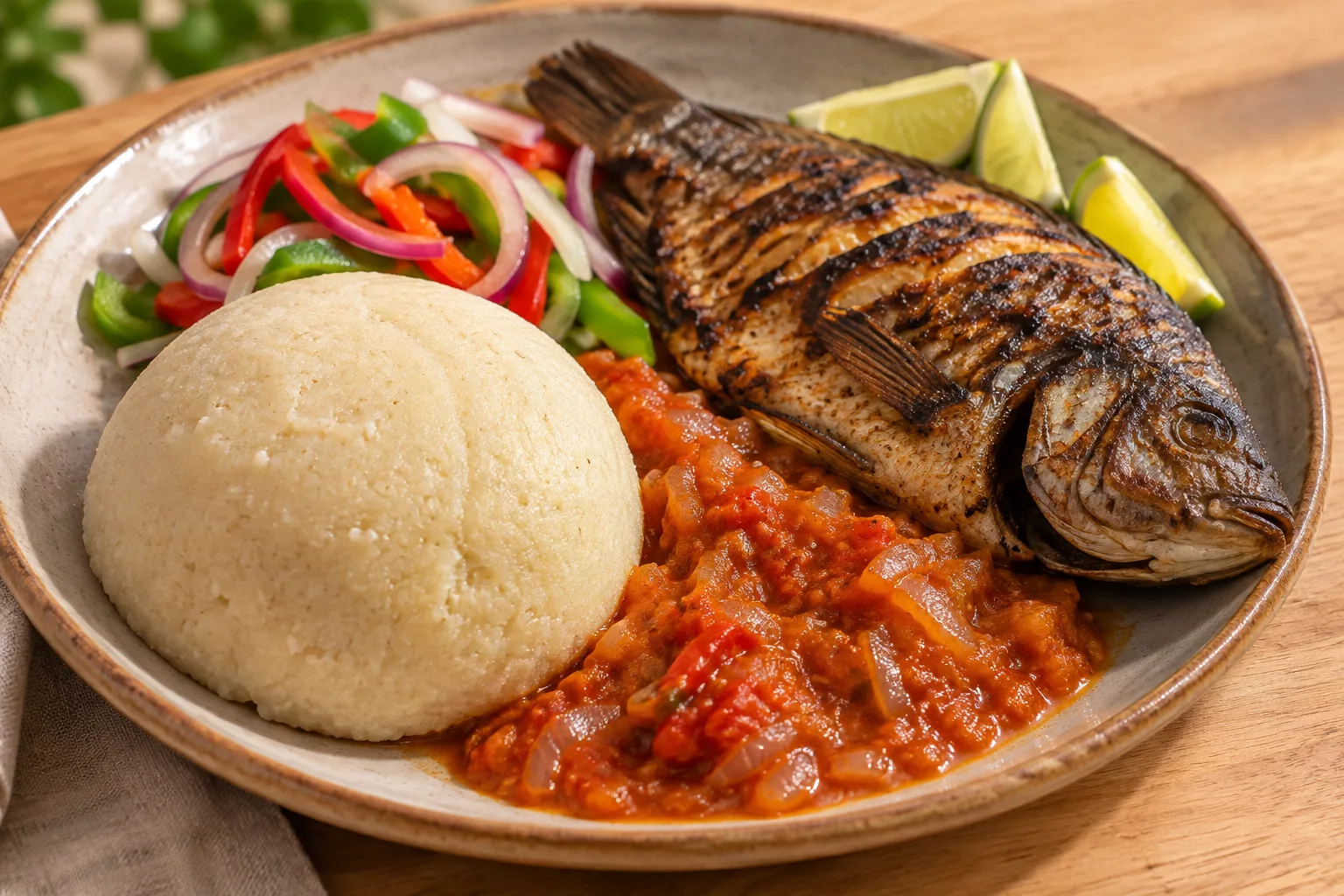
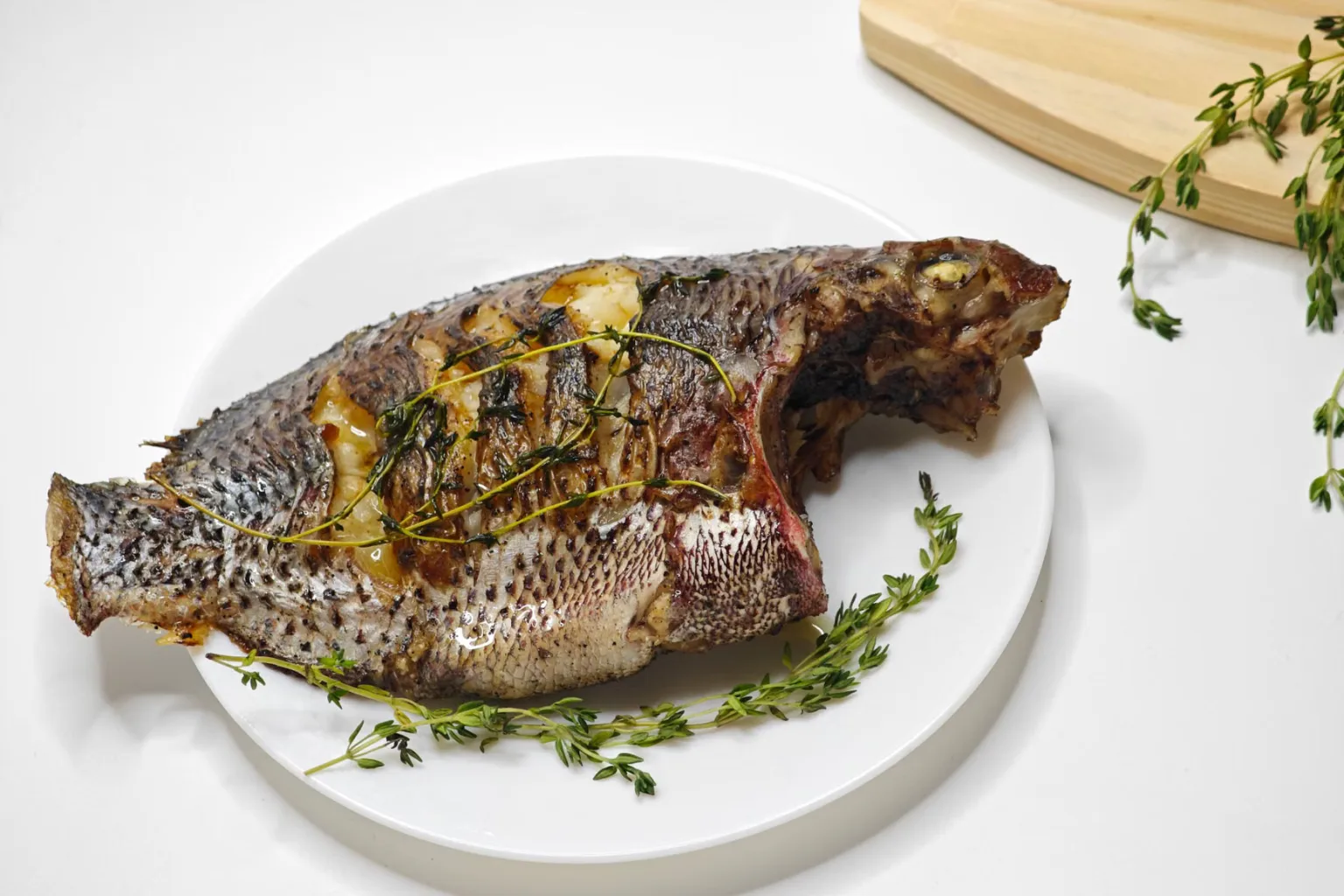
Tilapia is the common name for several cichlid fish, generally associated with freshwater. In cooking, it is valued for pale, firm flesh and a mild flavor, although appearance and size can differ by species. This profile is for fresh whole tilapia, not a fillet: the fish is sold as a complete piece and may need preparation before cooking. Its restrained flavor works with a range of seasonings and accompaniments, making it suitable for simple preparations as well as dishes with sauces and other ingredients.
When to use it
Choose whole tilapia when you want to serve the fish as a main dish or prefer to cook it whole before portioning. Its mild flavor suits meals where herbs, citrus, or spices provide much of the character. It can also be used in soups and stews, where the other ingredients help shape the dish's flavor. Fish size and characteristics vary, so adapt the method to the piece you have and check any preparation guidance supplied with the product.
How to use it
Before cooking, check whether the fish has already been cleaned and prepared; ask the seller if this is unclear, since whole fish is not the same as a ready-to-cook fillet. Roast or bake it, pan-fry it, or add it to a soup or stew. To complement its mild flavor, try herbs such as cilantro, parsley, dill, or basil; citrus such as lemon or lime; and seasonings such as garlic, paprika, cumin, or curry. Tomatoes, peppers, onions, and spinach are also suggested accompaniments. Adapt the preparation to the fish's size and condition, and cook it thoroughly.
Flavour and texture
Tilapia flesh is described as pale, tender, and mild or neutral in flavor. A whole fish can differ in color and size depending on its species; these normal differences should not be treated as a single measure of quality. Its subtle profile works with citrus, fresh herbs, spices, and vegetables. The finished texture and flavor depend on the cooking method and ingredients used.
How to choose it
Look for a product clearly identified as fresh whole tilapia, and ask whether it has been cleaned or needs preparation. If its origin or production method matters to you, check the label or ask the seller: available sources describe both fishing and aquaculture and do not establish one origin for all tilapia. Size, color, and other characteristics can vary by species, so compare like with like and follow the retailer's product information.
Storage
Fresh tilapia is perishable. Follow the storage directions on the package or provided by the seller, and avoid leaving it unrefrigerated while arranging preparation. If you are unsure how to store unpackaged fish or how long to keep it, consult official food-safety guidance in your area; the available evidence does not establish one universal storage period for this product.
Substitutions
If whole tilapia is unavailable, cod or hake can be alternatives among mild white fish, though they are often sold in different cuts and sizes. Adapt the cooking method to the shape and thickness of the substitute rather than assuming it will cook just like a whole tilapia.
Common mistakes
Do not treat a whole tilapia as a prepared fillet: check whether it has been cleaned and adapt your preparation to the fish. Another mistake is expecting it to deliver a strong flavor on its own; its mild profile often benefits from herbs, citrus, spices, or a sauce. Do not assume that every fish has the same size, color, or origin.
Safety and allergens
Do not serve tilapia raw based on this profile; cook it thoroughly and follow official food-safety guidance in your area. The available evidence does not establish a specific time or temperature here.
Culinary uses
- Main course
- Ingredient for soups and stews
Recommended techniques
- Roasting or baking
- Grilling or pan-frying
Pairs well with
- Fresh herbs such as cilantro, parsley, dill, or basil, with citrus
- Garlic, paprika, cumin, or curry with tomatoes, peppers, onions, or spinach
Frequently asked questions
What does tilapia taste like?
It has a mild, subtle flavor that works well with herbs, citrus, spices, and sauces.
How can whole tilapia be cooked?
It can be roasted, baked, or pan-fried, and it can also be used in soups and stews. Adapt preparation to the individual fish.
Can tilapia be eaten raw?
This profile does not recommend serving it raw. Cook it thoroughly and follow official food-safety guidance in your area.
Estimated nutrition
- Fat
- 2.21 g
- Saturates
- 0.44 g
- Carbohydrate
- 0 g
- Sugars
- 0 g
- Fibre
- 0 g
- Protein
- 18.6 g
- Salt
- 0.13 g
Sources and review
Automatically researched, cross-checked and validated content. Sources consulted:
- Client Challenge doi.org
- educational content to support healthful lifestyle practices sjsu.edu
- Dictionary of Health Related Terms: English – Spanish hia.berkeley.edu
- Tilapia, un pescado blanco de proteína magra. Origen, cómo es su pesca actual y usos en la cocina directoalpaladar.com
- Efecto de la incusion de LFIA en dietas para pollos parrilleros scholar.uprm.edu
- Plan Estratégico Plurianual de la Acuicultura Española 2014 mapa.gob.es
- Tiempo óptimo de cosecha de la tilapia gris (Oreochromis ... bdigital.zamorano.edu
- Reclaiming island food systems for nutrition and planetary ... dash.harvard.edu
- Historias sobre la agricultura indígena: VIVIR EN ARMONÍA CON LA ... ssec.si.edu
- Sin título people.csail.mit.edu
- ¿Qué es la tilapia? ¿Es seguro comerla? -canalSALUD salud.mapfre.es
- Tilapia | The Gourmet Journal thegourmetjournal.com
- Tilapia - Wikipedia, la enciclopedia libre es.wikipedia.org
- LA TILAPIA – Catering Gourmetfood – Catering , Servicios Hostelería , Catering y restauración catering-gourmetfood.com