- Category
- Fish and seafood
- State
- Fresh
- Usual unit
- unit
What it is
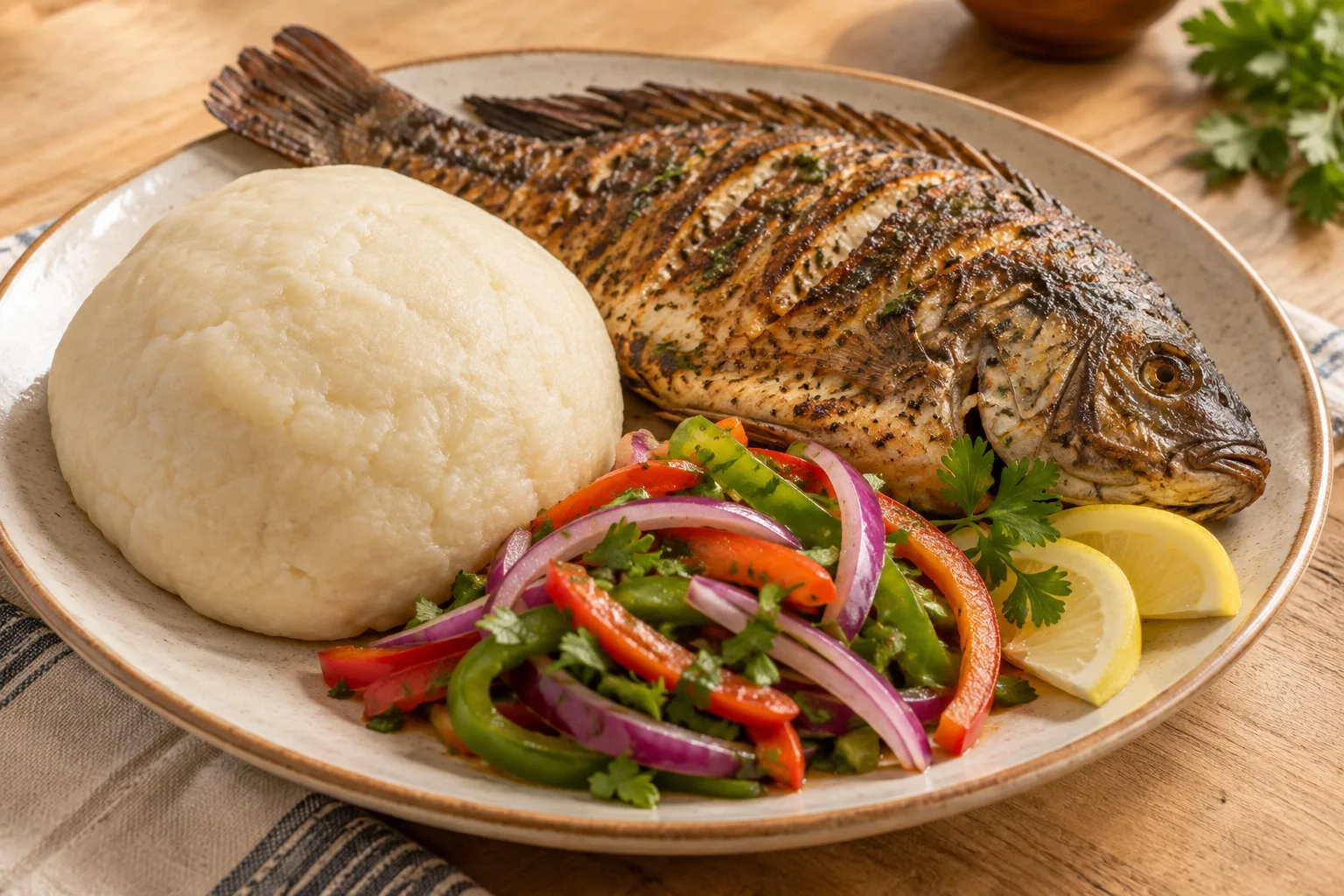
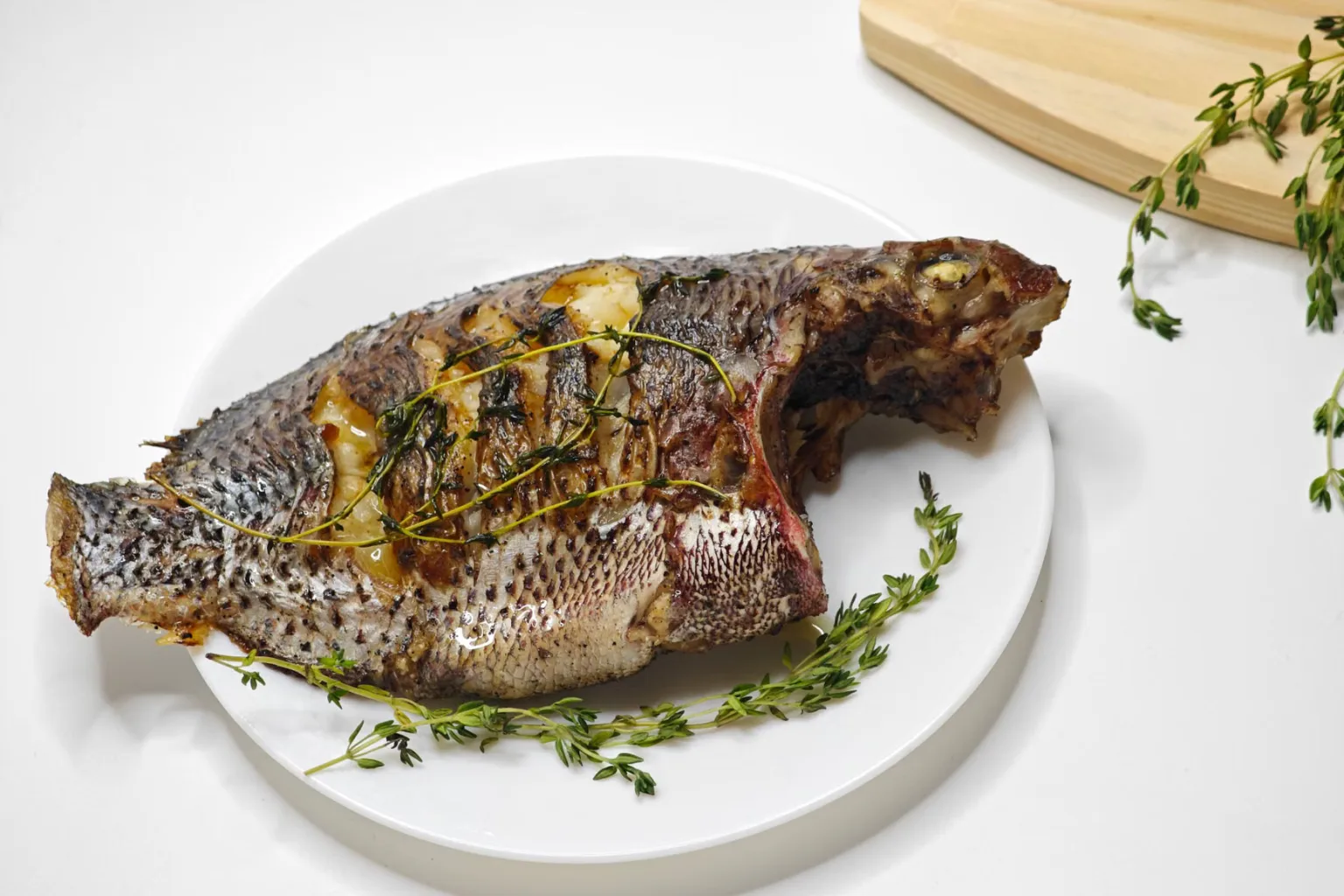
Tilapia is a common name for several fish in the cichlid family, mainly freshwater fish. Different species and color forms are sold, so the exterior appearance can vary. In cooking, tilapia is described as a white fish with pale, firm flesh and a mild or neutral flavor. This profile concerns the whole fish rather than a fillet: its shape and presentation matter when planning a dish. Tilapia is farmed in many places and is also caught; the origin and production method depend on the individual product. This profile does not assign a universal season to tilapia.
When to use it
Choose whole tilapia when you want to serve a fish as the centerpiece and prefer mild flesh that works with different accompaniments. It may be grilled, baked, fried or steamed, and can also be used in soups or stews. Its gentle flavor suits citrus, herbs, spices and vegetables without making the fish itself the dominant flavor. Species, size and origin can vary, so adapt the preparation to the piece you have and follow its packaging instructions.
How to use it
Before cooking, check that the product is identified as whole tilapia and read any preparation guidance from the seller or packaging. The methods described include grilling, baking, frying and steaming; the fish can also go into soups and stews. For added flavor, pair it with herbs such as cilantro, parsley, dill or basil, lemon or lime, or seasonings such as garlic, paprika, cumin and curry. Tomato, pepper, onion, mushrooms and spinach are possible accompaniments. Do not apply a fillet cooking time to a whole fish: use reliable guidance appropriate to the piece you have.
Flavour and texture
The flesh is described as white, firm and mild or neutral in flavor. Its restrained taste works with herbs, citrus and spices or alongside vegetables. Skin color can differ among species; exterior appearance alone does not establish the flavor or quality of the product.
How to choose it
Look for a product clearly identified as whole tilapia and check the stated origin and the seller’s or package’s guidance. Species, exterior color and production methods can vary. If you need a particular origin or production method, verify that it is stated on the label rather than inferring it from appearance.
Storage
The available evidence does not establish a specific storage time or temperature for this profile. Follow the package or seller’s instructions and consult official food-safety guidance in your area. If instructions are unclear, ask for guidance before storing or preparing the fish; do not infer a storage period from its appearance.
Substitutions
Cod, hake or sole may stand in for tilapia in recipes that suit mild white fish. They are alternatives, not identical in shape or size. If a recipe calls for a whole fish, choose a suitable whole-fish presentation and adapt the method according to guidance for the product you select.
Common mistakes
Do not plan cooking or portions for whole tilapia as if it were a fillet. Do not assume every species, origin or piece is identical. Its flesh is described as mild, so do not expect a strongly pronounced fish flavor; accompaniments can provide more character.
Safety and allergens
Do not use this profile as guidance for eating fish raw. One supplied culinary source recommends cooking tilapia thoroughly; for safe handling and cooking, follow the product instructions and official local guidance.
Culinary uses
- whole fish for a main course
- mild-tasting fish for adaptable dishes
Recommended techniques
- grilling
- baking
- frying
- steaming
- adding to soups or stews
Pairs well with
- fresh herbs such as cilantro, parsley, dill or basil
- citrus such as lemon, lime or orange
- garlic, paprika, cumin or curry
- tomatoes, peppers, onions, mushrooms or spinach
Frequently asked questions
What does tilapia taste like?
It is described as mild or neutral, with white, firm flesh. Herbs, citrus and spices can add more pronounced flavor.
How can I cook whole tilapia?
Grilling, baking, frying and steaming are among the methods described. It can also be used in soups or stews; use guidance intended for a whole fish.
Can I eat tilapia raw?
Do not use this profile to support eating it raw. One supplied source recommends cooking tilapia thoroughly and notes risks associated with raw fish.
Estimated nutrition
- Fat
- 2.21 g
- Saturates
- 0.44 g
- Carbohydrate
- 0 g
- Sugars
- 0 g
- Fibre
- 0 g
- Protein
- 18.6 g
- Salt
- 0.13 g
Sources and review
Automatically researched, cross-checked and validated content. Sources consulted:
- Client Challenge doi.org
- USDA FoodData Central libguides.marist.edu
- Tilapia, un pescado blanco de proteína magra. Origen, cómo es su pesca actual y usos en la cocina directoalpaladar.com
- Reclaiming island food systems for nutrition and planetary ... dash.harvard.edu
- ¿Qué es la tilapia? ¿Es seguro comerla? -canalSALUD salud.mapfre.es
- Tilapia | The Gourmet Journal thegourmetjournal.com
- Tilapia - Wikipedia, la enciclopedia libre es.wikipedia.org
- LA TILAPIA – Catering Gourmetfood – Catering , Servicios Hostelería , Catering y restauración catering-gourmetfood.com
- De Compras Para la Salud: Mariscos - Ask IFAS ask.ifas.ufl.edu
- Transforming food supply chains through digital tracking ... wpcdn.web.wsu.edu
- Review of challenges and advances in modification of food ... repository.rit.edu
- Microbiological Safety and Quality of Ceviche, Poke, and ... digitalcommons.chapman.edu
- - YouTube youtube.com