- Category
- Grains, flour and pasta
- State
- Dry
- Usual unit
- cup
What it is
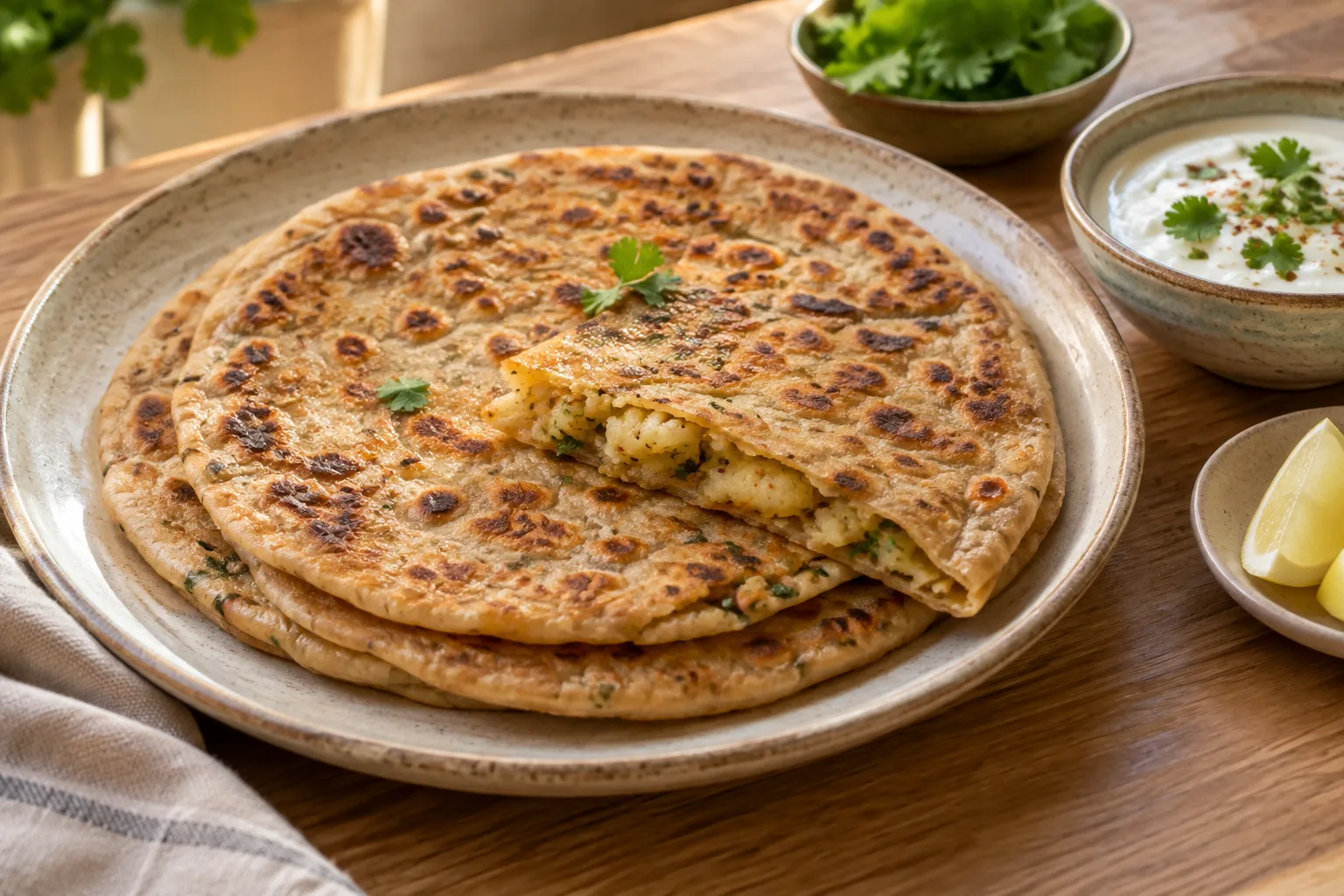
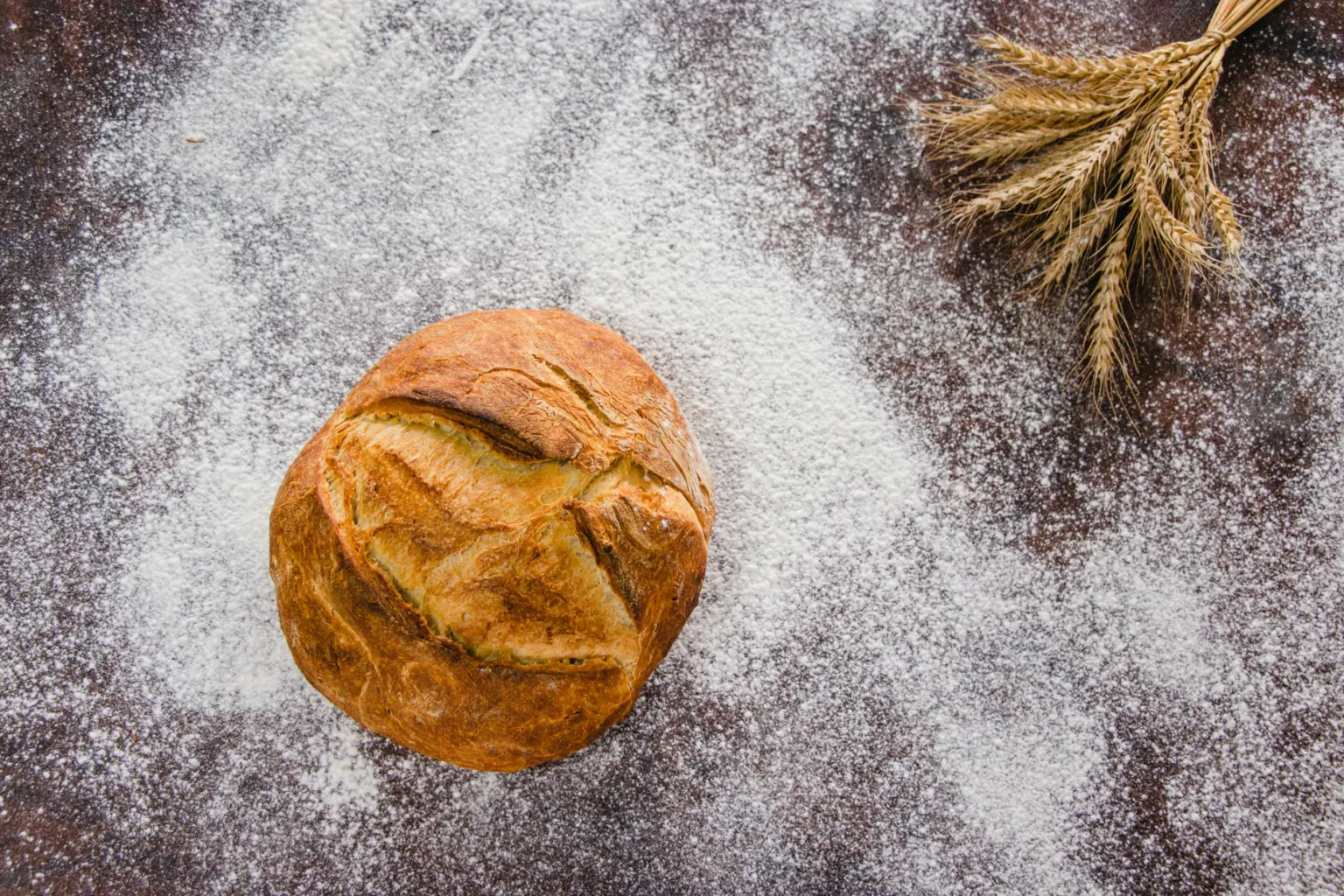
Whole-wheat flour is a powder made by milling the entire wheat grain, including its outer parts and germ, rather than separating those parts to make refined white flour. Sources describe it as darker and finely granular or rough in appearance, with a more pronounced flavor than white flour. In cooking, these qualities often produce denser results. The product name alone does not confirm how every flour was processed: to identify a genuine whole-grain product, check that the label says it contains the whole grain. Whole-wheat flour contains gluten, so it is not suitable for people who need to avoid gluten because of celiac disease or sensitivity.
When to use it
Choose it when you want a more pronounced wheat flavor and a more rustic texture in whole-wheat breads, cookies, pastries, fresh pasta, or doughs. It can also add body to soups, sauces, and stews, and can be used for coatings described as crisp. Keep in mind that it does not necessarily behave like white flour: whole-wheat flour tends to give denser results. If a recipe depends on a very light or elastic crumb, consider how this change may affect the finished dish.
How to use it
Measure the flour for the recipe you are making and combine it with the other ingredients according to that recipe’s directions. Use it as the main flour in whole-wheat bread, cookies, pastries, and fresh pasta, or incorporate an appropriate amount into soups, sauces, and stews to help give them body. It can also be used to coat foods. Compared with white flour, it can produce a denser texture and stronger flavor, so the result will not be identical to a recipe designed for refined flour. The available sources do not give universal substitution ratios, so do not assume an exact one-for-one result.
Flavour and texture
Whole-wheat flour has a more pronounced flavor than white flour and may look darker. It is described as finely granular and rough, and it often gives breads and other preparations a denser texture. The exact result can vary between products; dark color alone does not prove that a flour is whole-wheat.
How to choose it
Check the product name and ingredient list for a clear statement that it contains the whole grain. A dark flour is not necessarily whole-wheat, since some products are made by mixing refined flour with bran. The label can help distinguish the product, but do not assume all whole-wheat flours have the same milling or texture.
Storage
The available evidence does not establish a shelf life or a specific storage method for this flour. Follow the package directions and keep it under the conditions specified by the manufacturer; do not infer a use-by period from the product’s appearance or name. If the package gives particular instructions, follow those rather than unverified general advice.
Substitutions
White wheat flour may replace it when a less dense texture is wanted, but the flavor and result will change. Rye flour can be used in some bread preparations, including mixed with wheat flour, though it produces a different profile. The available evidence does not establish universal ratios for these substitutions.
Common mistakes
Do not assume every dark flour is whole-wheat: some are made by mixing refined flour with bran. Do not always expect a texture as light as white flour; whole-wheat flour is described as denser and more pronounced in flavor. Do not treat it as gluten-free: it comes from wheat.
Safety and allergens
This is wheat flour and contains gluten. It is not suitable for people with celiac disease or those who need to avoid gluten; people with wheat allergy should follow their healthcare professional’s advice and check the product label. The supplied official source does not give flour-specific storage instructions.
Culinary uses
- base para panes y masas
- espesante para sopas, salsas y guisos
- ingrediente para galletas, bollería y pasta fresca
- recubrimiento para rebozados
Recommended techniques
- amasar y panificar
- hornear
- espesar preparaciones
- usar en rebozados
Pairs well with
- panes y masas fermentadas
- galletas y preparaciones de repostería
- sopas, salsas y guisos
- rebozados crujientes
Frequently asked questions
What makes wheat flour whole-wheat?
It is made by milling the entire grain rather than separating grain parts as in refined white flour. Check the label to confirm how the product is described.
What can I make with whole-wheat flour?
It can be used for bread, cookies, pastries, fresh pasta, and coatings, and to add body to soups, sauces, and stews.
Does whole-wheat flour contain gluten?
Yes. It is wheat flour and contains gluten, so it is not suitable for people who need to avoid gluten because of celiac disease or sensitivity.
Estimated nutrition
- Fat
- 2.5 g
- Saturates
- 0.43 g
- Carbohydrate
- 72 g
- Sugars
- 0.41 g
- Fibre
- 10.7 g
- Protein
- 13.2 g
- Salt
- 0 g
Sources and review
Automatically researched, cross-checked and validated content. Sources consulted:
- Tipos de harina y su uso en la cocina profesional - EN LA COCINA Magazine enlacocina.telemesa.es
- Tipos de harina, propiedades y usos | Consumer consumer.es
- Evaluación de harina de amaranto como ingrediente antioxidante para la preparación de matrices alimentarias funcionales doi.org
- ¿Qué es la harina integral de trigo? - Monti pmonti.com
- Como Utilizar el Calabacin | CSU Extension extension.colostate.edu
- Agencia Española de Seguridad Alimentaria y Nutrición aesan.gob.es
- educational content to support healthful lifestyle practices sjsu.edu
- Recipes — UIC Heritage Garden heritagegarden.uic.edu
- Rolando A. Flores aces-dean.nmsu.edu
- Healthy Eating Plan for Weight Management med.uc.edu
- Are sprouted grains more nutritious than regular whole grains? - Harvard Health health.harvard.edu