- Category
- Grains, flour and pasta
- State
- Dry
- Usual unit
- g
What it is
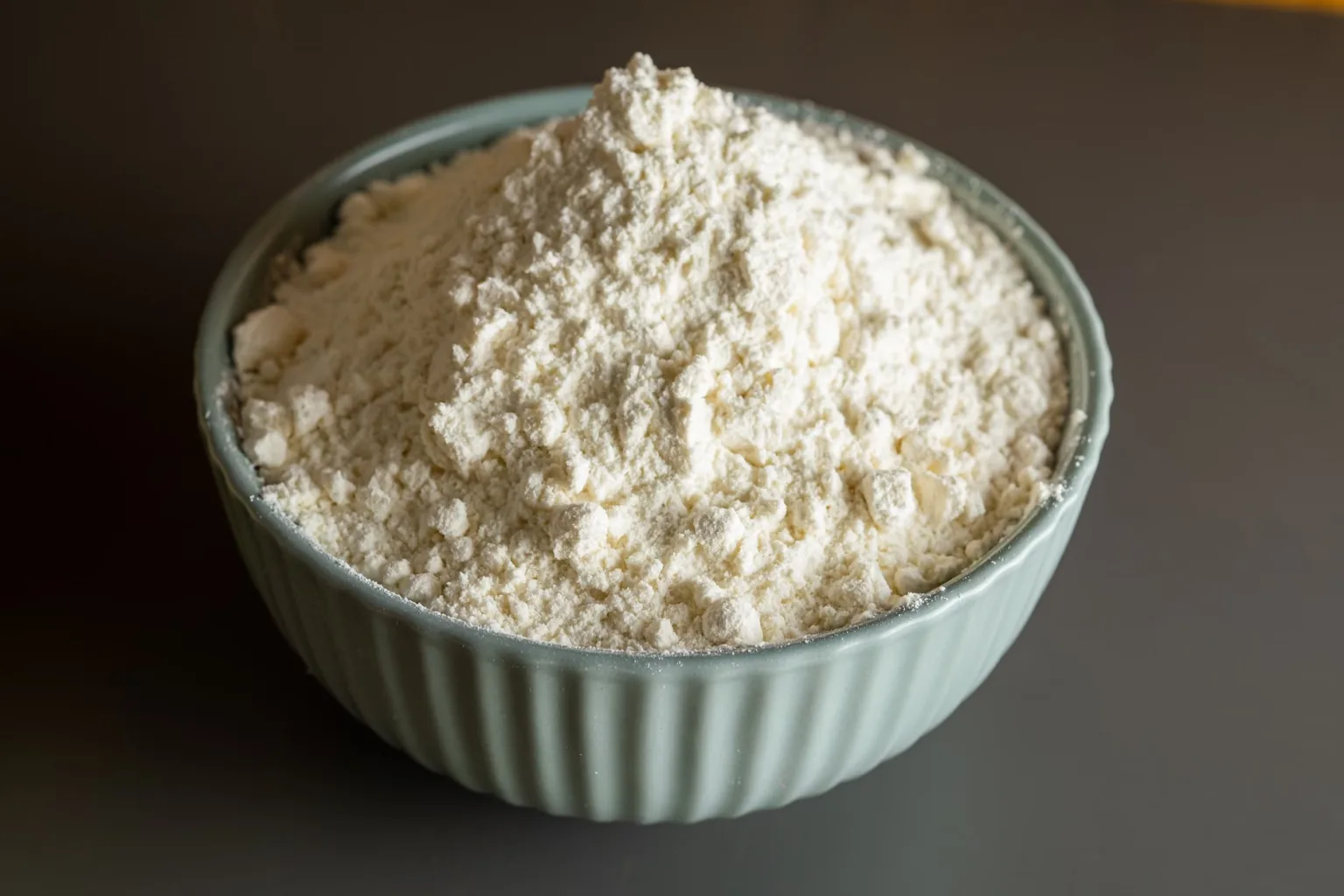
Wholemeal flour is flour made by milling the whole grain of the cereal in question rather than removing parts such as the bran and germ. The name alone may not identify which cereal was milled, so check the package: wholemeal wheat flour is a common variety, but wholemeal flours from other cereals also exist. Retaining the grain’s parts can affect a dough’s flavour, texture and liquid absorption. As a result, a recipe made with wholemeal flour may not turn out like one made with refined flour, and adjustments may be needed. Do not assume all wholemeal flours behave alike: the cereal and the type of preparation both matter.
When to use it
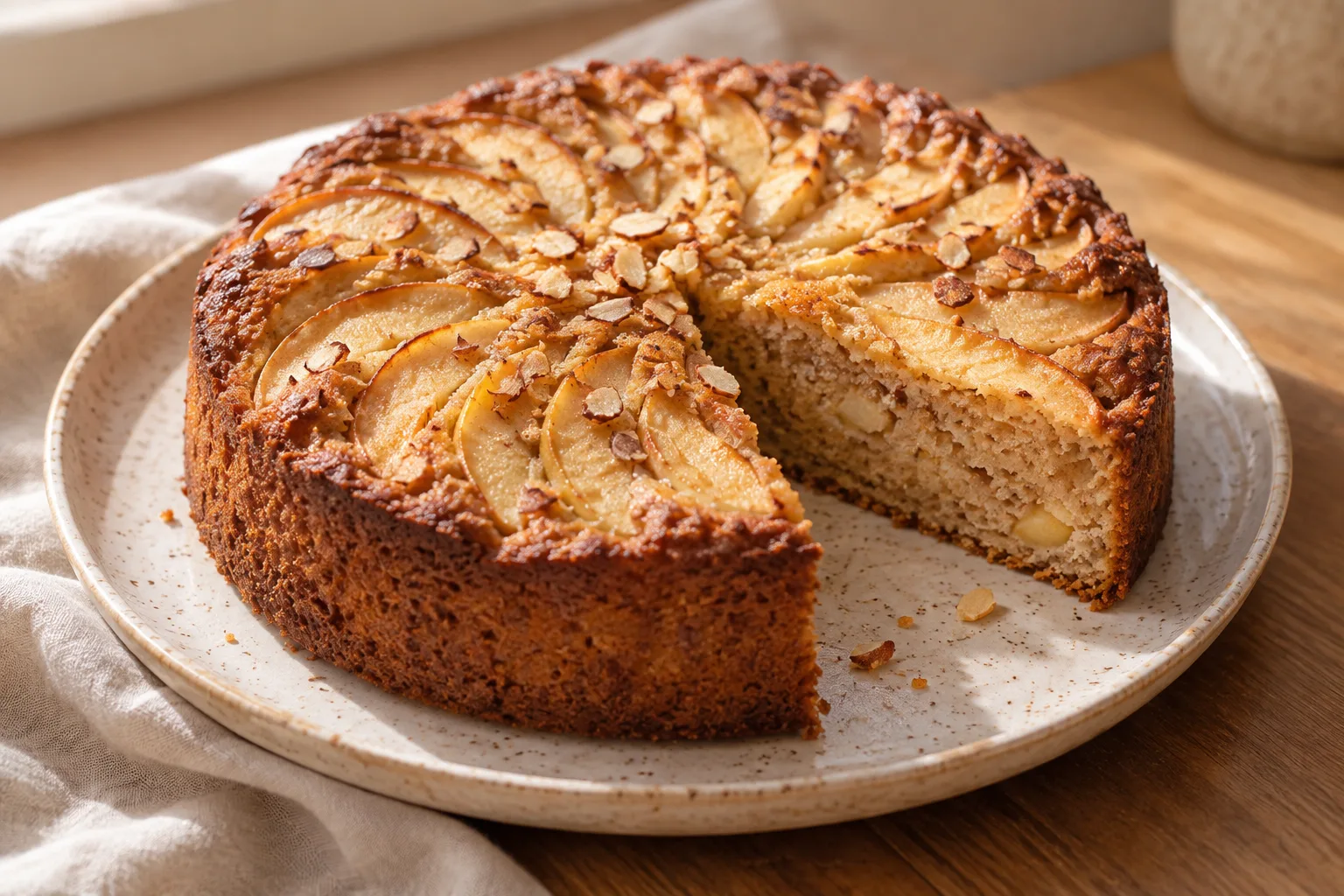
Choose wholemeal flour for bread, biscuits, cakes and other baked preparations when you want the character of the whole grain and are happy with a texture or crumb that differs from one made with refined flour. It can also be used in pizza dough. If a recipe depends on a particularly light texture or was written for white flour, start by replacing only part of it or adjust the blend gradually. Wholemeal wheat flour and wholemeal flour from other cereals are not automatically interchangeable; check which one you have and consider its effect on flavour and structure.
How to use it
Weigh the flour and use the recipe’s proportions as a starting point. When replacing refined flour with wholemeal, check the dough’s consistency and adjust the liquid gradually if needed; the available sources note that wholemeal flour can affect texture and that some recipes need adjustments. For bread, use it in a dough that is kneaded or fermented if the recipe calls for those steps. It can also be used for biscuits, cakes and pizza dough, but the result depends on the cereal and the formulation. If you are unsure which type you have, read the package before mixing: do not assume it is wheat or that it behaves like another wholemeal flour.
Flavour and texture
Compared with refined flour, wholemeal flour generally gives preparations a more pronounced flavour and a more noticeable texture; some baked results may be denser. Colour and mouthfeel also depend on the cereal milled and the recipe. Not all flours labelled wholemeal taste or behave alike, so the cereal named on the package is an important clue.
How to choose it
Read the full product name and check which cereal it contains: “wholemeal” describes the flour, but does not by itself tell you whether it is wheat or another cereal. For a particular recipe, look for the cereal and flour type it specifies. If you need to avoid an allergen, do not rely on appearance or the word “wholemeal”; check the product label and its allergen information.
Storage
Follow the storage directions on the package, since the available evidence does not establish a universal shelf life or storage condition for every wholemeal flour. Check whether the manufacturer gives any particular handling or storage advice. If the label is missing or you cannot verify the directions, do not assign the flour a specific storage life: cereal type, packaging and manufacturer instructions can vary.
Substitutions
Refined wheat flour can replace some wholemeal flour, but it changes the character and texture of the recipe. Another wholemeal flour, such as rye, is not equivalent either: it can alter flavour, density and structure. Make gradual changes and adjust the recipe to the dough you get; there is no universal substitution that guarantees the same result.
Common mistakes
Do not assume that “wholemeal flour” necessarily means wheat; check the cereal on the package. Another common mistake is replacing all the refined flour without checking consistency, because wholemeal flour can change texture and may require adjustments. Wholemeal flours from different cereals should not be treated as identical.
Safety and allergens
Wholemeal wheat flour contains gluten. Check which cereal the product contains and read its allergen information, particularly if you need to avoid gluten or wheat. Verify allergen details on the specific product label.
Culinary uses
- Base de panes y masas horneadas
- Ingrediente para galletas, bizcochos y masas de pizza
Recommended techniques
- Mezclar con los ingredientes líquidos y ajustar la masa según su absorción y textura
- Amasar o fermentar cuando la receta lo requiera
Pairs well with
- Agua y masa madre para masas de pan
- Harina refinada de trigo para modular la textura de algunas preparaciones
Frequently asked questions
Is all wholemeal flour made from wheat?
No. The term describes flour made with the whole grain, but the package should be checked to identify the cereal.
Can I replace refined flour with wholemeal flour in a recipe?
You can try, but flavour and texture may change. Make gradual adjustments and check the dough’s consistency.
Does wholemeal wheat flour contain gluten?
Yes. If the product is made from wheat, it contains gluten. Check the specific product label and allergen information.
Estimated nutrition
- Fat
- 20 g
- Saturates
- 10 g
- Carbohydrate
- 64 g
- Sugars
- 20 g
- Fibre
- 2.6 g
- Protein
- 8 g
- Salt
- 0.9 g
Sources and review
Automatically researched, cross-checked and validated content. Sources consulted:
- En el etiquetado alimentario hay algunas menciones que son obligatorias eletiquetadocuentamucho.aesan.gob.es
- Client Challenge doi.org
- Qué tipos de harina hay y cuáles usar - Pastas Gallo : Pastas Gallo pastasgallo.es
- Tipos de harinas: cuáles existen, beneficios y usos culinarios nutridieta.com
- Tipos de harina, propiedades y usos | Consumer consumer.es
- Aecosan - Agencia Española de Consumo, Seguridad Alimentaria y Nutrición aesan.gob.es
- i ^ i ^ii^^ Núm. 2-77 HD EL ENSILADO Y SUS VENTAJAS JOSE M.e NOGUER MASSOT mapa.gob.es
- (PDF) Textura, color y aceptación sensorial de tortillas y pan producidos con harina de ramón (Brosimum alicastrum) para incrementar la fibra dietética total academia.edu
- OSU WordPress Outage | Technology | Oregon State University blogs.oregonstate.edu
- Home - Culinary Arts / Restaurant Management - LibGuides at Bob Jones University libguides.bju.edu
- ¿Qué es la harina integral de trigo? - Monti pmonti.com
- NOTICIA: Harinas: tipos y guía de usos. dulceslaly.es
- Harina integral de trigo vs harina refinada | Nutrición y salud centrallecheraasturiana.es
- Tipos de harinas - Monpizza monpizza.es