- Category
- Sauces and condiments
- State
- Liquid
- Usual unit
- tablespoon
What it is
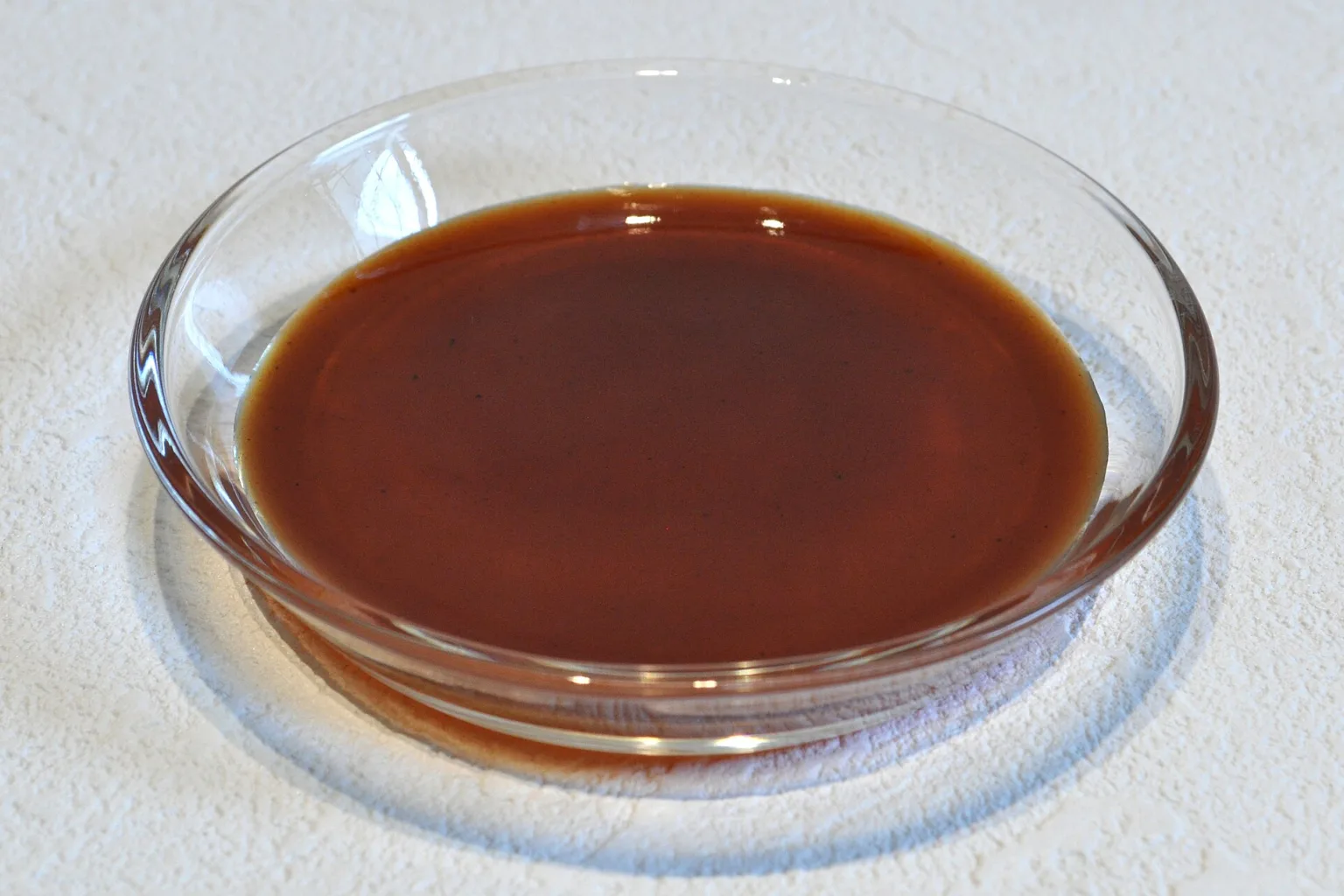
Worcestershire sauce, also called Worcester or English sauce, is a liquid condiment added to other foods to intensify their flavor. Culinary descriptions characterize it as a complex, commonly fermented mixture that may include vinegar, sugar or molasses, tamarind, shallots and spices. Some formulas include anchovies or fish extract, and recipes are not necessarily identical from one brand to another. The name alone therefore does not tell you every ingredient. Check the specific product label, especially when fish must be avoided.
When to use it
Use it when you want to add depth without letting the condiment become the dominant flavor. It can be added to soups, stews, purées, vinaigrettes, salad dressings, tomato sauces and other sauces. It is also used in some recipes for burgers, fish dishes, beans and cocktails such as a Bloody Mary. Because its profile combines savory, tangy and sweet notes, start with a small amount, taste, and adjust to suit both the dish and the brand.
How to use it
Add the sauce to the dish and mix thoroughly so its flavor is distributed. In soups, stews or purées, work it in while seasoning, taste the result, and decide whether to add more; do not assume every brand has the same intensity. For a vinaigrette or dressing, combine it with the other liquid ingredients before tasting and adjusting the balance. It can also be included in a marinade or a composed sauce. Do not treat it as a direct replacement for salt or another condiment: it has its own flavor profile, and some versions contain fish. Check the label when cooking for people with dietary restrictions.
Flavour and texture
It is a liquid sauce with a concentrated flavor. Culinary descriptions highlight a complex profile, with savory notes alongside tangy, sweet and mildly spiced nuances. Intensity and balance can vary by brand and formula, so taste it in the dish before adding more.
How to choose it
Compare labels rather than assuming every Worcestershire sauce has the same recipe. Check the ingredient list and allergen information: some formulas include anchovies or fish extract. Choose an intact container with its closure and seals in good condition, and follow the manufacturer's storage directions.
Storage
Store the bottle according to its label, since guidance can depend on the specific product. A university extension pantry guide lists Worcestershire sauce among condiments to refrigerate after opening; check your brand's directions as well. Keep the container closed, and do not use it if the package is damaged or leaking, or if the sauce has an abnormal smell or appearance.
Substitutions
The available evidence does not establish a substitute that exactly reproduces Worcestershire sauce. Soy sauce or fish sauce may offer alternative savory directions in some dishes, but the result will differ. Adjust cautiously, taste, and check ingredients and allergens before serving.
Common mistakes
Adding a large amount at once can overpower a dish: add the sauce gradually and taste as you go. Do not assume every brand tastes the same or contains the same ingredients. Another mistake is treating it as an exact replacement for salt, soy sauce or fish sauce, or overlooking the label when fish needs to be avoided.
Safety and allergens
Some formulas contain anchovies or fish extract; check the label if fish is an allergy or dietary concern. Follow the manufacturer's storage instructions and refrigerate after opening if directed; a university guide recommends refrigeration for this condiment once opened. Do not consume a leaking, swollen or damaged container, or taste food that looks or smells abnormal.
Culinary uses
- Condimento líquido para intensificar y redondear el sabor
- Ingrediente para aderezos, salsas y marinadas
Recommended techniques
- Incorporar poco a poco en sopas, guisos y purés
- Mezclar con vinagretas, salsas o marinadas
Pairs well with
- Sopas y guisos
- Vinagretas, ensaladas y salsas de tomate
- Hamburguesas, frijoles y platos de pescado
- Cócteles como el Bloody Mary
Frequently asked questions
Does Worcestershire sauce always contain fish?
That cannot be assumed for every brand. Some formulas include anchovies or fish extract, so check the package ingredient list and allergen statement.
What foods can I use it in?
It is used to season soups, stews, purées, vinaigrettes, salads and other sauces. It also appears in recipes for burgers, beans, fish dishes and Bloody Marys.
Should I refrigerate it after opening?
A university extension guide lists Worcestershire sauce among condiments to refrigerate after opening. Also follow the directions on your particular bottle.
Estimated nutrition
- Fat
- 0 g
- Saturates
- 0 g
- Carbohydrate
- 0 g
- Sugars
- 0 g
- Fibre
- 0 g
- Protein
- 0 g
- Salt
- 6 g
Sources and review
Automatically researched, cross-checked and validated content. Sources consulted:
- Client Challenge doi.org
- The Essential Glossary of Cooking Terms for the Culinary Arts - Escoffier escoffier.edu
- E-118: Storing Food Safely | New Mexico State University - BE BOLD. Shape the Future. pubs.nmsu.edu
- Kitchens/Co-Packers | CALS cals.cornell.edu
- Storing Food for Safety and Quality wpcdn.web.wsu.edu
- Pinchin' Pennie$ in the Kitchen: What's in your Home Food Pantry? | NDSU Agriculture ndsu.edu
- Food Keeper deanofstudents.buffalostate.edu
- A Panoramic View From the Interior of the Later Spanish Church | ClipVR ETC etc.usf.edu
- Historia de la salsa Worcestershire afuegolento.com
- La salsa worcestershire | Vinagrerías Riojanas riojavina.es
- Salsa inglesa Worcestershire - Koketo Salsa inglesa para intensificar koketo.es
- - YouTube youtube.com