- Category
- Herbs and spices
- State
- Dry
- Usual unit
- tablespoon
What it is
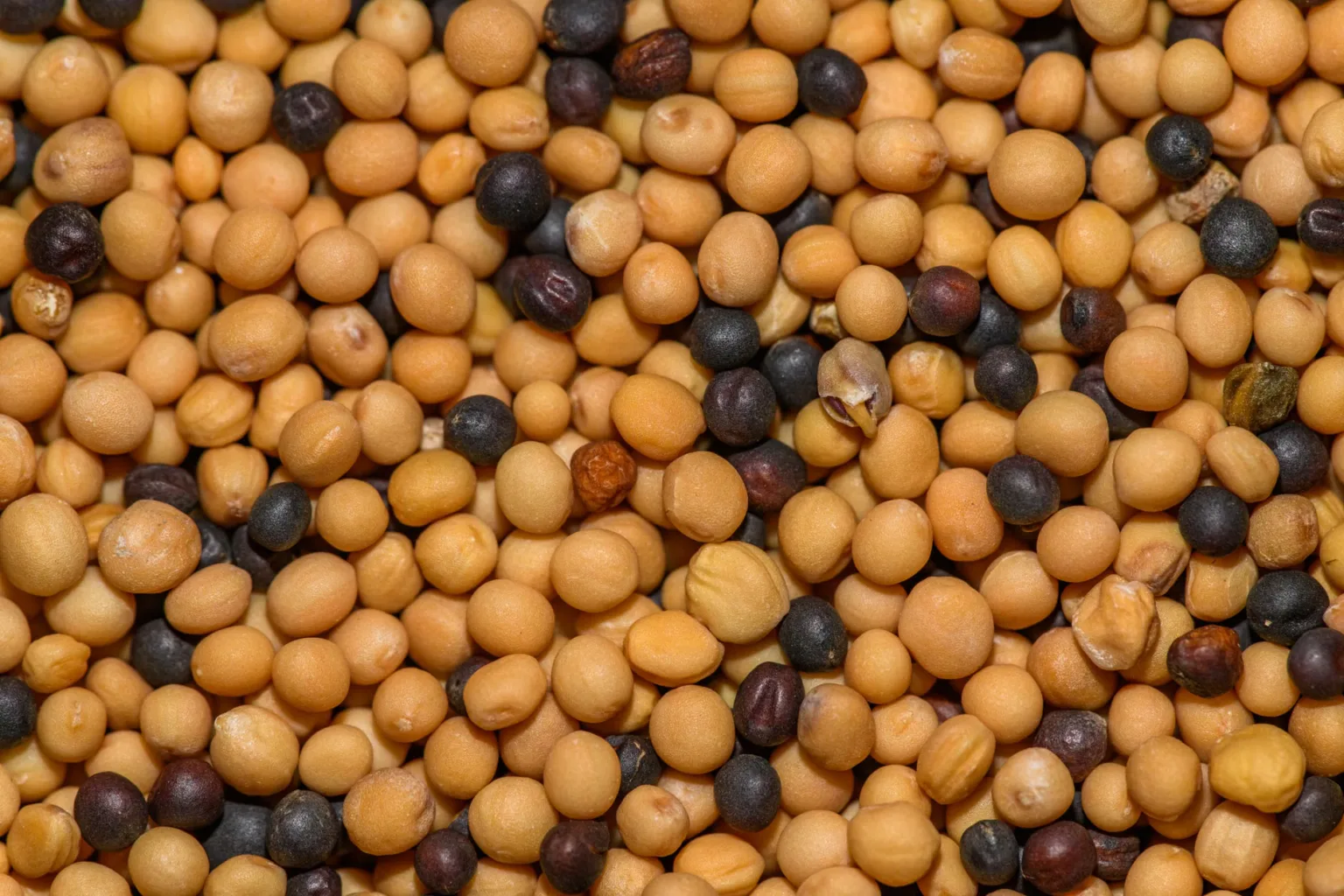
Yellow mustard seeds are the whole seeds of a mustard plant, sold as a dry spice. They are not the same as prepared yellow mustard, which combines ground seeds with liquids and may include other ingredients. Whole seeds offer two different culinary uses: cooked whole, they can add a toasted aroma; broken and moistened, they develop pungency. Yellow mustard is generally described as milder than darker mustard varieties, although the result also depends on how the seeds are processed and cooked.
When to use it
Use them when you want to add a spiced background without relying directly on prepared mustard. Whole seeds work in pickles and can be tempered in oil at the start of a dish; ground seeds mixed with liquid can make homemade mustard. If you want the dish to retain more noticeable pungency, add the mustard toward the end of cooking: heat can reduce or alter its bite. For a milder, toasted character, cook the seeds whole.
How to use it
For an aromatic, less pungent result, add whole seeds to oil during cooking and heat them along with the other ingredients; do not rely on whether they pop as the only indication that they are ready. You can also include them in a pickling mixture. To make a paste, grind or crush the seeds and mix them with a liquid such as water or vinegar. Contact between broken seed and moisture allows pungency to develop. Adjust the liquid and seasonings to suit the recipe, since the seeds alone are not a finished sauce. If you cook the paste, expect less pronounced pungency than in a preparation added at the end.
Flavour and texture
Whole seeds have a more restrained flavor than a wet, ground preparation. Cooked whole in oil, they can take on an aromatic, toasted character; broken and mixed with liquid, they can develop mustard-like pungency. Intensity varies with processing and heat, so the yellow color does not guarantee the same result in every preparation.
How to choose it
Look for a product labeled yellow mustard seeds and check that the package specifies whole seeds, not powder or prepared sauce. Read the ingredient list and inspect the package to make sure you are buying the format your recipe calls for. If a recipe depends on pungency, remember that it develops when the seeds are broken and moistened; the yellow variety is generally relatively mild.
Storage
Keep the seeds in their closed package and follow the manufacturer’s directions. Keeping them dry and protected from moisture helps preserve their whole-seed form and makes them easy to portion into dishes. The available evidence does not establish a storage temperature or shelf life for this product, so avoid assuming a universal time limit.
Substitutions
You can replace them with brown or black mustard seeds if you are comfortable with a different flavor and level of pungency. Mustard powder or prepared mustard may also work in some recipes, but neither gives the same texture, and either can change the balance of liquid and heat. Do not assume an equal-quantity swap without adjusting the recipe.
Common mistakes
Do not expect dry, whole seeds to taste as pungent as prepared mustard: their bite develops when they are broken and moistened. Also, heat does not necessarily make them hotter; cooking mustard can reduce or alter its pungent compounds. Remember that yellow mustard is generally milder than darker varieties.
Safety and allergens
The supplied official evidence does not establish a specific safety warning for these seeds. Follow the package directions and avoid eating the product if you know you are sensitive to mustard.
Culinary uses
- Especia para aportar aroma y picor graduable
- Ingrediente para preparar mostaza casera y encurtidos
Recommended techniques
- Tostar o temperar los granos enteros en aceite para un resultado más aromático y menos picante
- Moler o machacar los granos y mezclarlos con líquido para desarrollar el picor
Pairs well with
- Vinagre y otros líquidos ácidos en mostaza casera y encurtidos
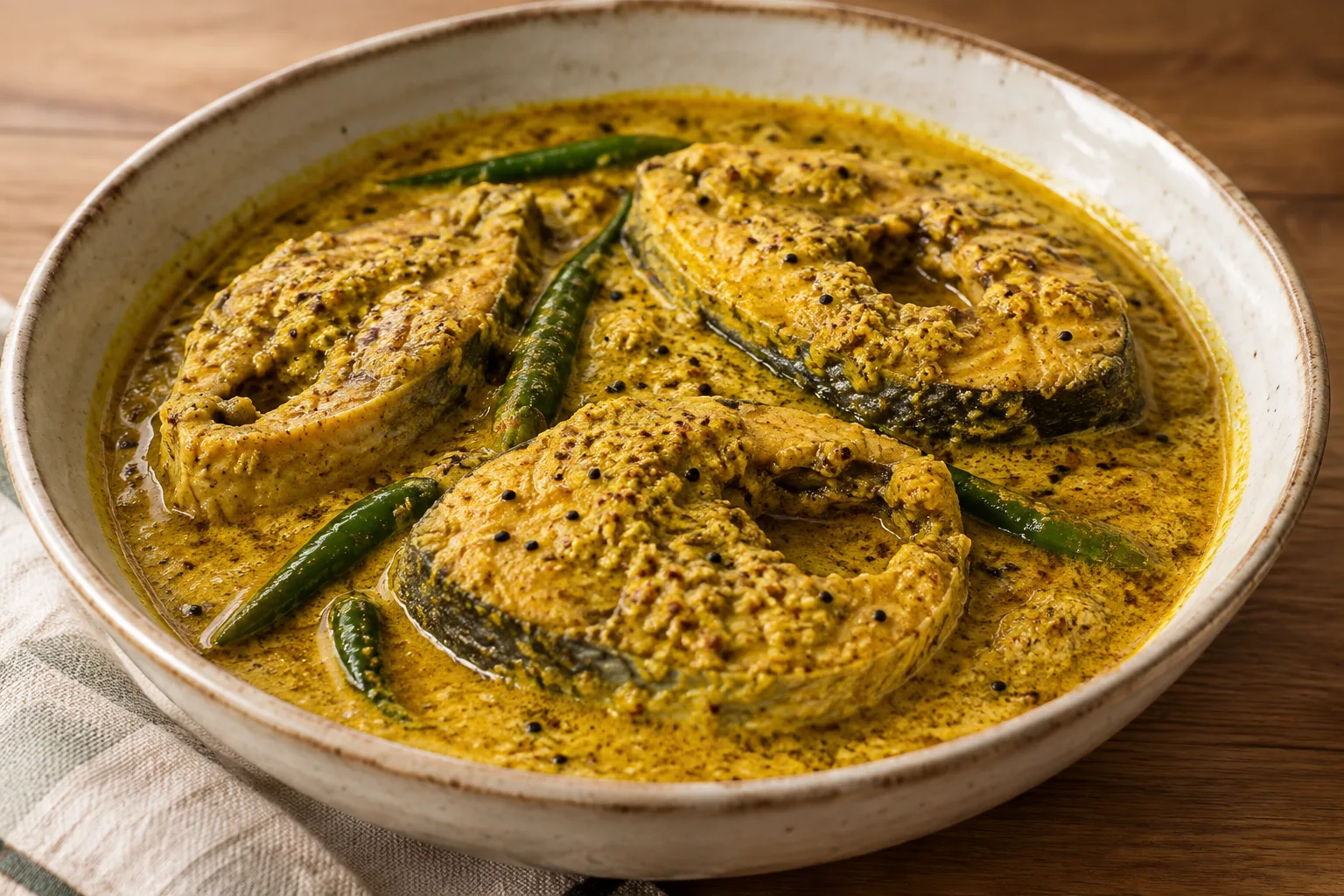
- Curris, guisos y platos de verduras
Frequently asked questions
Are whole, dry mustard seeds hot?
A dry, whole seed is not usually pungent like prepared mustard. Pungency develops when the seed is broken or ground and comes into contact with liquid.
How can I get a milder flavor?
Cook the seeds whole in oil or in the dish. Heat can reduce or alter the pungency that develops in a wet, ground preparation.
Can I use them to make homemade mustard?
Yes. Grind or crush the seeds and mix them with a liquid such as water or vinegar. The result depends on the liquid and the other seasonings in your recipe.
Estimated nutrition
- Fat
- 25 g
- Saturates
- 2 g
- Carbohydrate
- 50 g
- Sugars
- 0 g
- Fibre
- 12.5 g
- Protein
- 50 g
- Salt
- 0 g
Sources and review
Automatically researched, cross-checked and validated content. Sources consulted:
- La guía definitiva de las mostazas: variedades, usos en cocina y cuáles tienen más azúcar directoalpaladar.com
- Dictionary of Health Related Terms: English – Spanish hia.berkeley.edu
- Descubre la mostaza friolisa.es
- Mostaza: origen, tipos, propiedades y usos en la cocina bonviveur.com
- Sevin 16oz Concentrate Label v20 ucanr.edu
- Healthy Eating Plan for Weight Management med.uc.edu
- Fresh Produce Recipe Book | Wsu s3.wp.wsu.edu
- Todo sobre la mostaza | Cook for Your Life cookforyourlife.org
- "ALIGN=CENTER>LES TROIS MOUSQUETAIRES -- Los tres mosqueteros" people.duke.edu
- Alimentos para combatir los incendios forestales | Servicio de Extensión de OSU extension.oregonstate.edu
- Comité Científico aesan.gob.es
- UNIVERSITY OF CINCINNATI etd.ohiolink.edu
- Project MUSE -- Verification required! doi.org
- Mostaza Amarilla en Grano - Slow Shop granel slowshopgranel.es