- Category
- Vegetables
- State
- Fresh
- Usual unit
- unit
What it is
Ají limo is a chili from the species Capsicum chinense, used and sold as a fresh fruit. In cooking, it is known for its intense heat and is commonly used in ceviche, tiradito and sauces. The fruit may appear in different colors when ripe, so color alone does not indicate a different culinary use. Ají limo is also available as a paste, which can be useful when fresh fruit is not available. It is a seasoning rather than a neutral base: even a small amount can have a noticeable effect on a dish, so it is best added cautiously.
When to use it
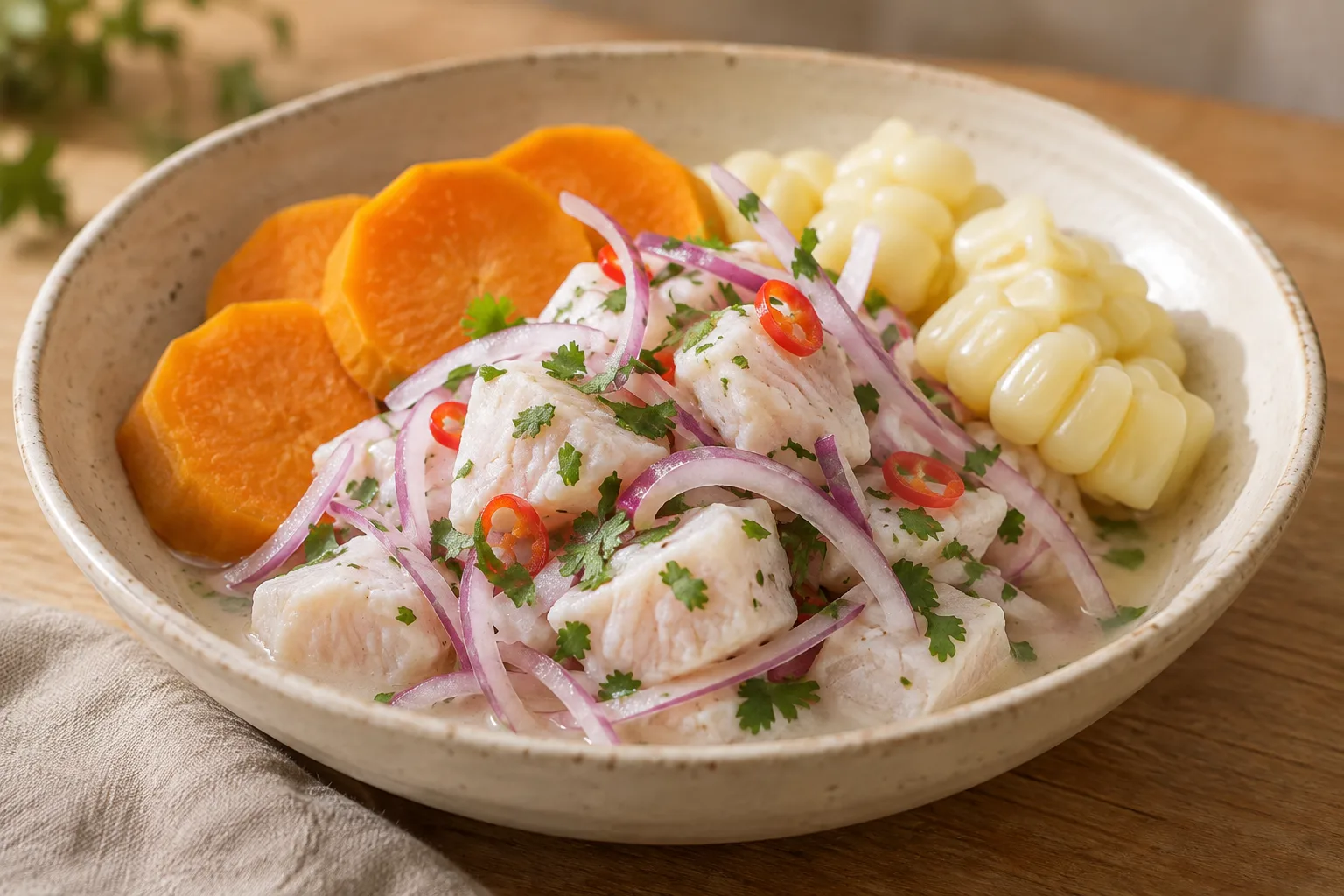
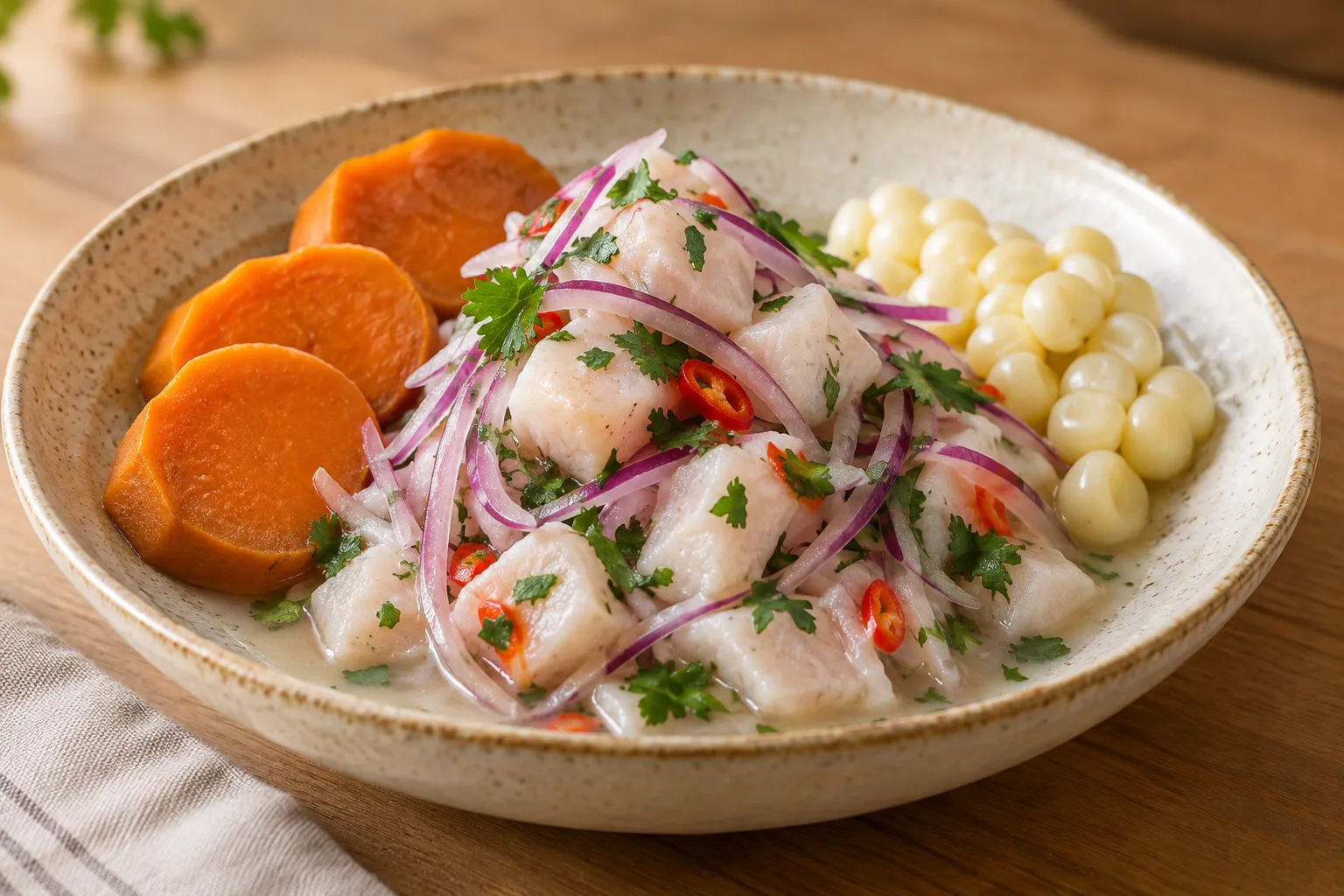
Use ají limo when you want the heat to be a distinct part of a dish, especially in ceviche, tiradito or sauces. Its strong character works with fish preparations and with the acidic counterpoint found in ceviche. It can also suit a recipe when you want a more intense chili than ají amarillo. If you do not know the particular fruit or paste you have, begin with a small amount and adjust: heat can vary between individual peppers and cannot be reliably judged from appearance alone.
How to use it
Wash the fruit before cutting it, then chop it finely to distribute the heat more evenly. Add it raw to ceviche, tiradito or a sauce, mix, and taste before adding more. To moderate the heat, remove the veins and seeds before chopping; this may reduce the heat but will not eliminate it, so continue to use a cautious amount. Ají limo is also sold as a paste, which can be stirred into a sauce or preparation without cutting fresh fruit. When using paste instead of fresh fruit, begin with a small amount and adjust to taste, since its precise intensity is not specified.
Flavour and texture
The most notable culinary feature of ají limo is its intense heat. One source also describes its profile as floral; this should not be confused with the fruitier flavor attributed to ají amarillo. Fresh ají limo can be chopped to add small pieces to a dish, while the paste blends differently into sauces. The ripe fruit may be red, orange, yellow or brown, so no single color defines every example.
How to choose it
Look for a product specifically identified as ají limo, since other chili varieties do not necessarily have the same heat or flavor profile. Ripe fruits may be red, orange, yellow or brown; do not choose solely by whether the fruit is red. Ají limo paste is another available option if fresh fruit is difficult to find. The available evidence does not establish a reliable way to judge heat from size, color or appearance, so plan to add it gradually.
Storage
The available information identifies fresh ají limo and also mentions a paste form, but does not give specific storage conditions, temperatures or time limits. Follow the label directions for purchased paste and the seller’s guidance for fresh fruit. Do not assume that fresh fruit and paste have identical storage needs. If no directions are available, consult the retailer or an official food-safety source before deciding how to store it for an extended period.
Substitutions
Ají amarillo can stand in for ají limo in ceviche if you want more moderate heat, but it does not match ají limo’s intensity. Rocoto is another very hot chili option, though it is not described as an exact flavor equivalent. Choose according to whether you want to retain strong heat or reduce it. Add any substitute gradually, because the sources do not establish equivalent quantities for these varieties.
Common mistakes
A common mistake is adding a large amount at the start or assuming that removing seeds and veins removes all the heat. Those parts can be removed to moderate the heat, but the chili may still be hot. Do not treat ají amarillo as if it has the same intensity: it is described as more moderate than ají limo. Add chili gradually, mix, and taste before adjusting the seasoning.
Safety and allergens
Ají limo is described as very hot. Add it cautiously and taste the dish before adding more; if you do not know its intensity, start with a small amount. The supplied sources contain no specific official handling warning for this ingredient.
Culinary uses
- Chile fresco picante para aportar intensidad a ceviches y tiraditos
- Condimento para salsas y preparaciones de sabor marcado
Recommended techniques
- Picar finamente y añadir crudo a una preparación
- Retirar venas y semillas para moderar el picor, teniendo en cuenta que seguirá picando
- Usar ají limo en pasta cuando no se disponga del fruto fresco
Pairs well with
- Pescado en ceviche o tiradito
- Limón o lima y otros ingredientes ácidos de un ceviche
- Salsas de sabor intenso
Frequently asked questions
How hot is ají limo?
It is described as an intensely hot chili, stronger than ají amarillo. The actual heat can vary, so add it gradually.
How can I reduce its heat?
Remove the veins and seeds before chopping. This may moderate the heat but will not eliminate it, so use a cautious amount and taste the dish.
What dishes use ají limo?
It is used as a seasoning in ceviche, tiradito and sauces. It can be chopped and added raw to a preparation.
Estimated nutrition
- Fat
- 0 g
- Saturates
- 0 g
- Carbohydrate
- 14.3 g
- Sugars
- 0 g
- Fibre
- 0 g
- Protein
- 0 g
- Salt
- 0.89 g
Sources and review
Automatically researched, cross-checked and validated content. Sources consulted:
- Client Challenge doi.org
- The Essential Glossary of Cooking Terms for the Culinary Arts - Escoffier escoffier.edu
- Grow your own peppers | OSU Extension Service extension.oregonstate.edu
- Ají Amarillo: Origen, Propiedades y Usos en la Gastronomía Peruana | El Brujo elbrujo.pe
- Foods and Flavors to Savor in South America - UCEAP News and Features blog.uceap.universityofcalifornia.edu
- Survey of insect pests and plant diseases of selected food ... ageconsearch.umn.edu
- Effect of Enzyme Activity and Frozen Storage on Jalapeño ... etd.ohiolink.edu
- UC BERKELEY McCOWN ARCHAEOBOTANY ... archaeobotany.berkeley.edu
- ¿Qué es el ají? Usos y Recomendaciones ronda14.com
- Ají limo, aprende más en Canal Cocina - Canal Cocina canalcocina.es
- Ají Limo - morena cocina morenacocina.com
- Ají Limo - El ají de los Ceviches por excelencia tienda-peruana.com
- Ají, el ingrediente secreto detrás de la gastronomía peruana | Delicioso | Univision univision.com