- Category
- Herbs and spices
- State
- Dry
- Usual unit
- teaspoon
What it is
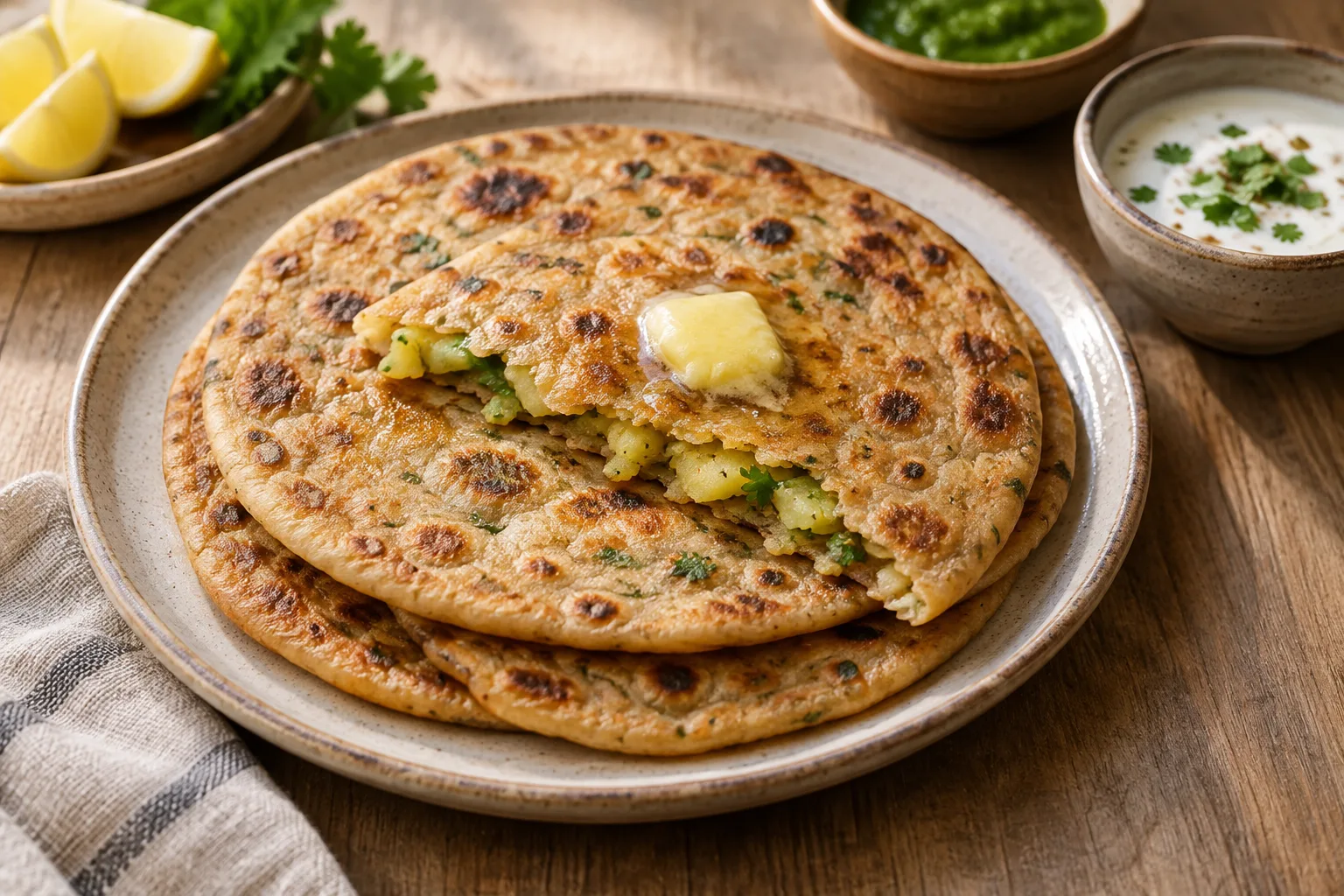
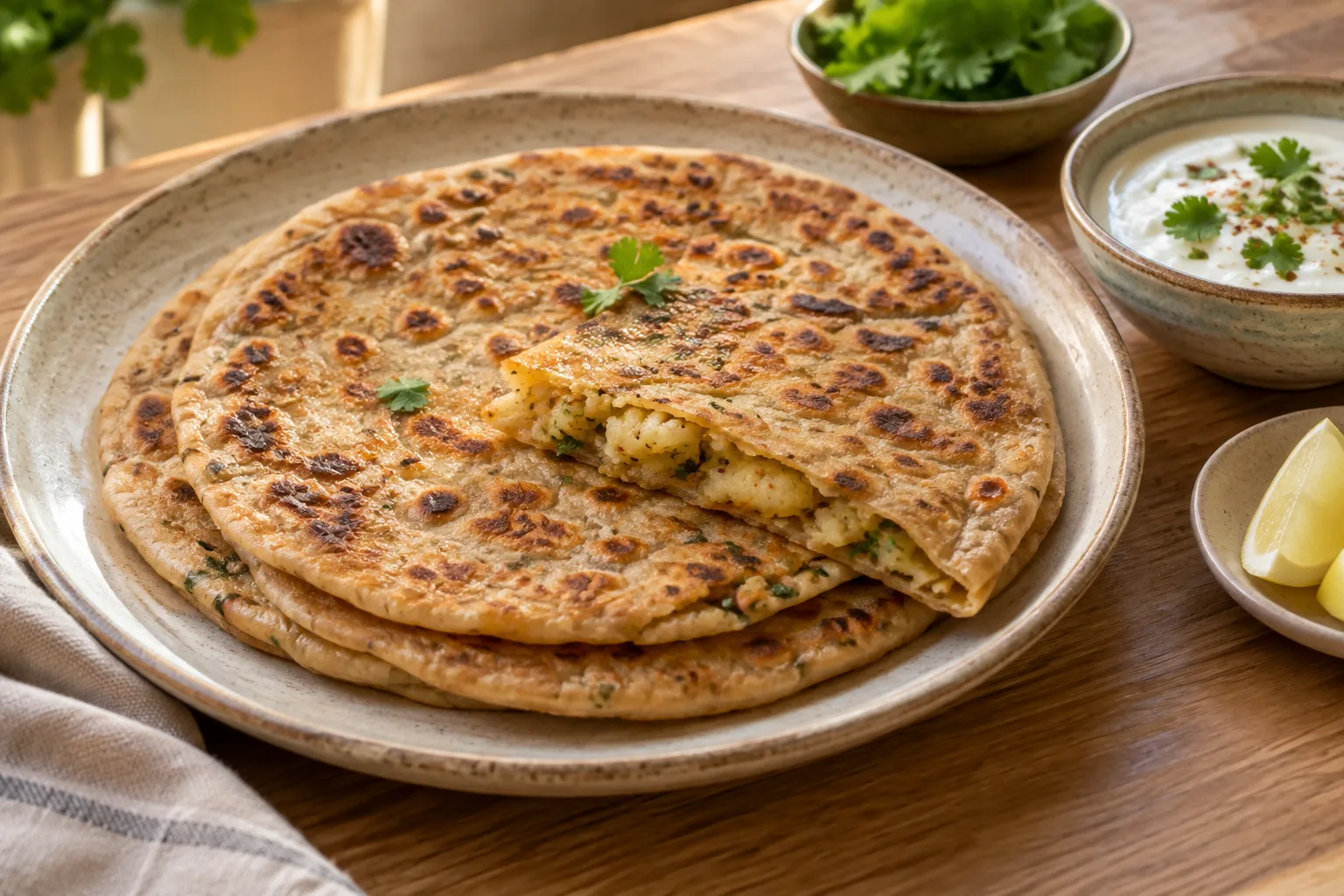
Ajwain, also called ajowan, is a spice made from the seeds of Trachyspermum ammi. The seeds are small and oval, with a greyish appearance. They are commonly sold dried and whole, and the spice is also available ground. Its aroma and flavour are powerful, with notes reminiscent of thyme and a warm, spicy edge. It should not be treated like a mild-tasting cumin: a small amount can make itself noticeable throughout a dish. Ajwain is used in savoury preparations such as flatbreads, vegetables, potatoes, fried snacks and legume dishes. Heating changes how its aroma comes through; cooks may briefly toast the seeds or warm them in oil or ghee before adding other ingredients.
When to use it
Choose ajwain when you want a bold aromatic note in a savoury dish and can use it with restraint. It suits doughs and flatbreads, as well as potato, vegetable, lentil and other legume dishes. It can also add character to fried foods such as pakoras and samosas, or be used in small amounts in a spice blend. Because its flavour can dominate, start with a little and adjust to the dish. If you want a subtle seasoning or an aroma clearly unlike thyme, another spice may be a better fit. Ajwain is often heated before it is added so its fragrance can mingle with the oil or the rest of the preparation.
How to use it
Start with a small amount and taste before adding more: ajwain is highly aromatic. Add the whole seeds to savoury dough, flatbread or a legume preparation, or grind them for a more even distribution. To open up the aroma, briefly toast the seeds in a dry pan, watching closely and removing them as soon as they become fragrant; do not let them burn, as excessive toasting can spoil the result. Alternatively, warm the seeds in oil or ghee before adding the other ingredients. They can also be ground and warmed to perfume a dish. Use ajwain in breads, potatoes, vegetables, lentils, fried snacks or spice blends, and remember that replacing it with another spice will change the flavour profile.
Flavour and texture
Dried ajwain seeds are small and oval, with a greyish appearance; once ground, they have a finer texture and distribute differently through food. Their aroma is penetrating and their flavour strong, with a marked resemblance to thyme and a spicy quality that can seem peppery. Ajwain has also been compared with caraway, though it is more forceful. Heat changes the way its fragrance is perceived and helps it blend into a dish. Because of its intensity, it works best as a measured accent rather than a generous seasoning.
How to choose it
Look for ajwain in spice shops or specialist food stores, as it may be less common than other spices in some markets. Whole seeds let you choose whether to use them as they are, toast them or grind them; ground ajwain is convenient for distributing through blends and doughs. Choose the form suited to your recipe and check that the package is closed and its contents look clean. Ajwain naturally has a pronounced aroma, so do not mistake that intensity for a defect. If you are buying a spice blend, check its ingredient list to see whether it already contains ajwain.
Storage
The available evidence says ajwain is sensitive to moisture and light and needs controlled storage conditions to retain its aroma and flavour. Keep it tightly closed and protected from direct light and moisture. Avoid leaving the container open while cooking, and close it again after each use. No specific storage duration is established here, so a universal shelf life cannot be given. If the product changes in appearance or shows visible signs of deterioration, do not use it.
Substitutions
There is no exact substitute for ajwain. To approximate part of its flavour in a recipe, try dried thyme with a pinch of cumin; the result will be different, so add the mixture gradually. Lovage, also called bishop’s weed, has also been used as a partial stand-in in a spice blend. Adjust the amount to suit the flavour you want, and bear in mind that these alternatives do not reproduce ajwain’s aroma exactly.
Common mistakes
The most common mistake is adding too much ajwain at the outset: its strong flavour can overwhelm the other ingredients. Start with a small amount and add more only after tasting. Another pitfall is toasting it without watching closely; the culinary guidance is to heat it briefly until fragrant, without letting it burn. Do not assume thyme or cumin is an exact replacement: either can suggest a related aromatic direction, but the finished dish will not taste the same.
Safety and allergens
Use ajwain as a culinary spice and in moderation, as its flavour is very strong. The available evidence does not provide a specific official safety warning for ajwain; do not treat culinary use as medical treatment or assume it provides health benefits.
Culinary uses
- Aromatic seasoning for savoury dishes
- Flavouring for breads, legume dishes and vegetable preparations
Recommended techniques
- Toast briefly in a dry pan until fragrant, taking care not to burn it
- Warm in oil or ghee before adding other ingredients
- Use whole or grind and warm to release its aroma
Pairs well with
- Flatbreads and savoury doughs
- Lentils, chickpeas and other legume dishes
- Potatoes and other vegetables
- Pakoras and samosas
Frequently asked questions
What does ajwain taste like?
It has a strong aroma and flavour with thyme-like notes and a spicy character. Even a small amount can dominate a dish.
How do you use ajwain?
Add it whole or ground to breads, vegetables, potatoes and legume dishes. You can also briefly toast it or warm it in oil or ghee before adding it.
Can I substitute thyme for ajwain?
Dried thyme with a pinch of cumin can approximate part of its flavour, but it will not reproduce ajwain exactly. Add the mixture gradually and taste as you go.
Estimated nutrition
- Fat
- 0 g
- Saturates
- 0.62 g
- Carbohydrate
- 47.6 g
- Sugars
- 0 g
- Fibre
- 47.6 g
- Protein
- 23.8 g
- Salt
- 0 g
Sources and review
Automatically researched, cross-checked and validated content. Sources consulted:
- Client Challenge doi.org
- Vegetables for the Gourmet Gardener press.uchicago.edu
- An Ethiopian Store Near Me ~ cms.ncwc.edu cms.ncwc.edu
- Saving Pepper Seeds asi.ucdavis.edu
- Additional file 1: The Antioxidant Food Table. vtechworks.lib.vt.edu
- Indian Chicken Wings - Pickles and Tea apa.si.edu
- Achieving sprout suppression in stored potatoes ir.library.oregonstate.edu
- Bachelor of Science (HONOURS) in gitam.edu
- Distribution of Enterotoxigenic Clostridium perfringens ... scholarworks.umass.edu
- Ajowan o ajwain. Qué es, cómo usarlo y por qué es tan importante en la cocina india abc.es
- Ajowan | Gastronomía & Cía gastronomiaycia.com
- Proveedores de Ajwain - Ajwain a granel & venta al por mayor | Nutrada nutrada.com
- Ajwain - ALQUIMIA DE ESPECIAS abelion.ar
- Semillas de ajwain | El superalimento que combate las infecciones, controla el colesterol y reduce la presión arterial | Las Provincias lasprovincias.es
- - YouTube youtube.com