- Category
- Herbs and spices
- State
- Dry
- Usual unit
- teaspoon
What it is
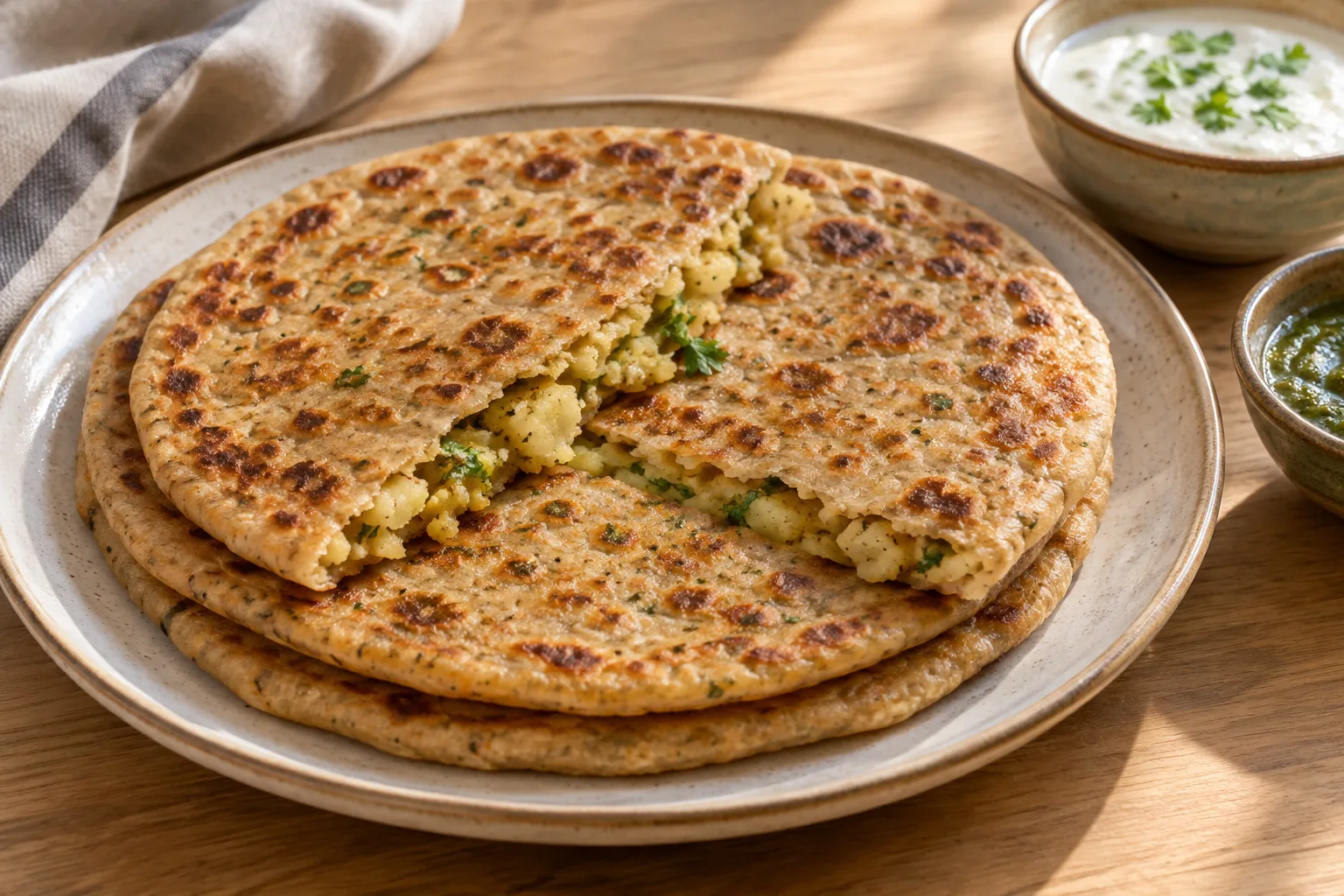
Ajwain, also called ajowan or carom seeds, is a spice sold as the small dried seeds or fruits of Trachyspermum ammi. Its aroma is strong and reminiscent of thyme; its taste can be pronounced, slightly bitter and pungent. It is commonly used whole, though it can also be ground. It should not be mistaken for cumin: the two may look similar, but ajwain has a more forceful and different aromatic character. Available culinary descriptions mention it in savory breads and doughs, legumes, vegetables and potatoes. Because its flavor can dominate a dish, add it gradually and taste as you go.
When to use it
Choose ajwain when you want a pronounced aromatic note in a savory dish and can adjust the amount while cooking. It is particularly suited to savory doughs and breads, as well as dishes with legumes, potatoes or vegetables. It is also mentioned for fritters and spice blends. Its intensity means that a little can be noticeable; do not treat it as a neutral seasoning or replace another seed measure for measure. If you are unfamiliar with its flavor, start with a small amount in a simple dish and taste before adding more.
How to use it
Start with a small amount: ajwain has a strong flavor and can overpower a recipe if added without tasting. Use it whole or ground. One common technique is to briefly heat it in oil or ghee to release its aroma before adding the other ingredients; it is also described as being toasted or ground and then heated. Add it to savory doughs and breads, or use it to season legumes, potatoes and vegetables. Taste the dish as you cook and adjust gradually. The available sources do not give a universal measure, so the amount depends on the dish and the strength of the product.
Flavour and texture
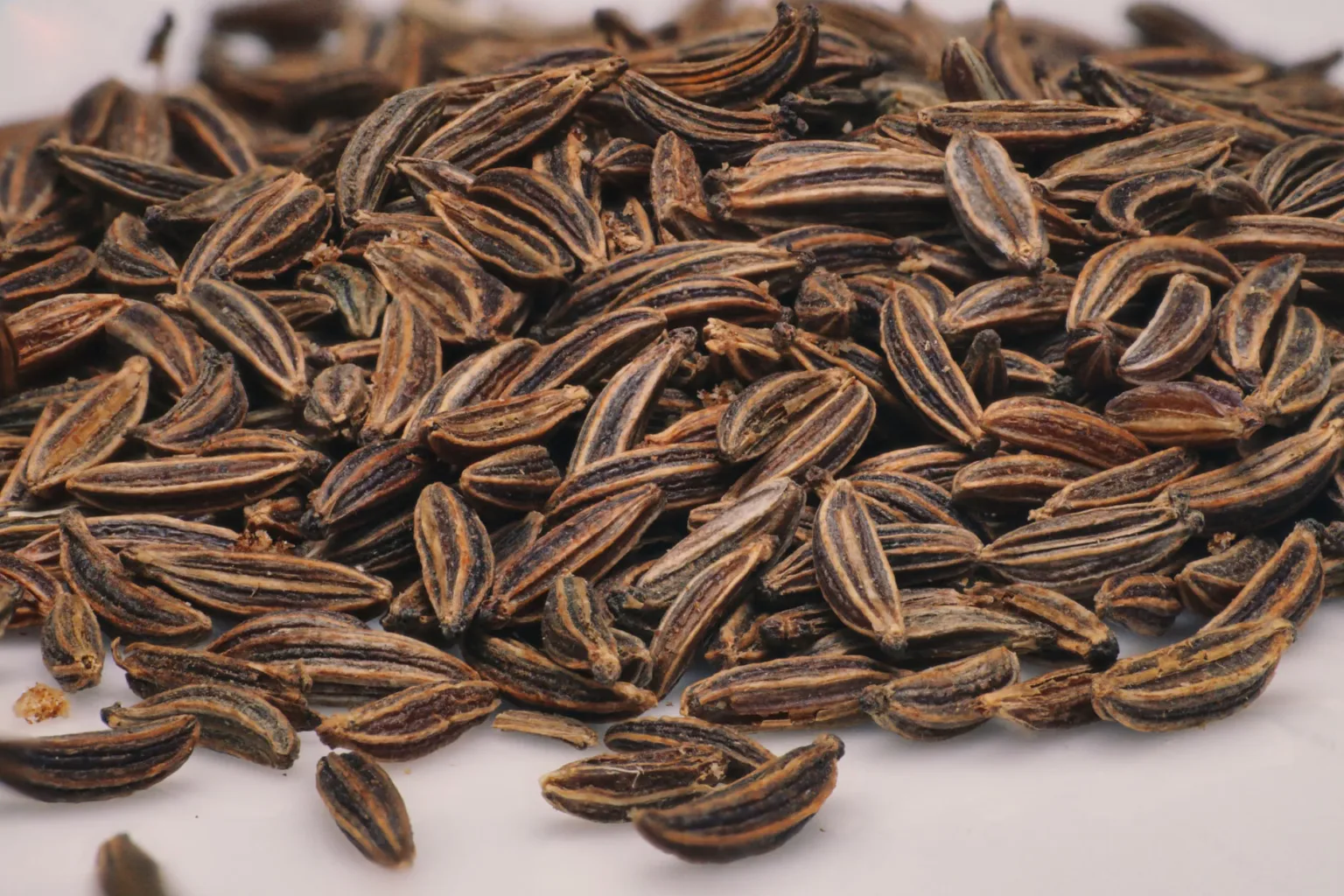
Dried ajwain has a strong aroma reminiscent of thyme and a pronounced taste with slightly bitter and pungent notes. The seeds are small and oval, and are described in grayish, greenish or brown tones. Their aromatic intensity means even a small amount can noticeably change a dish. The result varies depending on whether the spice is used whole or ground and whether it is heated before use.
How to choose it
Look for ajwain sold under that name or as ajowan or carom seeds, and check whether it is whole or ground. Whole seeds are described as small and oval; their shape can help distinguish them from other spices, although they may resemble cumin. Choose a format that suits the recipe and check the package information and directions. No verified criteria for quality, harvest or shelf life are provided here.
Storage
The available evidence does not specify storage conditions or a reliable shelf life for ajwain. To avoid inventing a storage method or duration, follow the package or supplier directions and observe the stated date. Keep the product in its intended packaging or container according to those instructions. If the package gives no guidance, ask the seller rather than assuming a particular time limit or storage condition.
Substitutions
Dried thyme with a pinch of cumin can provide an approximation, but it will not reproduce ajwain exactly. Dried thyme on its own may also provide a similar aromatic note, though the result will differ; start with a small amount. Neither option is identical, so taste and adjust the dish rather than replacing ajwain in an automatic one-to-one ratio.
Common mistakes
The most common mistake is adding too much ajwain at once: its aroma and taste are intense and can overpower the other ingredients. Do not assume it tastes like cumin just because the seeds may look similar. Avoid replacing it with another spice in the same quantity without tasting. If heating it, do so as part of the cooking process and adjust gradually according to the aroma and flavor.
Safety and allergens
The available sources provide no specific official safety warning for ajwain. Use it as a seasoning and adjust the amount for flavor, not as a remedy or treatment. Check the package and do not use the product if it shows signs of deterioration.
Culinary uses
- Especia aromática para masas saladas y panes
- Condimento intenso para legumbres, verduras y patatas
Recommended techniques
- Templar brevemente en aceite o ghee para liberar el aroma
- Tostar o moler y calentar antes de incorporarlo al plato
Pairs well with
- Lentejas y garbanzos
- Patatas, verduras y panes salados
Frequently asked questions
What does ajwain taste like?
It has a strong aroma reminiscent of thyme and a pronounced, slightly bitter and pungent taste. Too much can dominate a dish.
How is ajwain used in cooking?
Use small amounts in savory breads and doughs, legumes, potatoes and vegetables. It can be briefly heated in oil or ghee, or toasted and ground.
What can I use instead of ajwain?
Dried thyme with a pinch of cumin can be an approximation, but it will not be identical. Start with a small amount and adjust to taste.
Sources and review
Automatically researched, cross-checked and validated content. Sources consulted:
- ¿Por qué la muerte es origen de miedos y tabúes? doi.org
- Ajowan o ajwain. Qué es, cómo usarlo y por qué es tan importante en la cocina india abc.es
- Ajowan | Gastronomía & Cía gastronomiaycia.com
- Mediterranean Cuisine with Chef Thomas Zacharias manipal.edu
- Fish Pakora Recipe Indian Style | Beta Centralseminary Edu beta.centralseminary.edu
- SELF STUDY REPORT FOR ACCREDITATION pau.edu
- PDF.js viewer revistaaloma.blanquerna.edu
- Ajwain (Semillas de Carom) para Bebés — Guía Completa por Edad | Dalo Solids | Dalo Baby dalofamilyapps.com
- Semillas de Carom Ajwain - 100% naturales y de primera calidad spanish.alibaba.com
- Semillas de ajwain: propiedades y beneficios - Mejor con Salud mejorconsalud.as.com