- Category
- Drinks
- State
- Liquid
- Usual unit
- ml
What it is
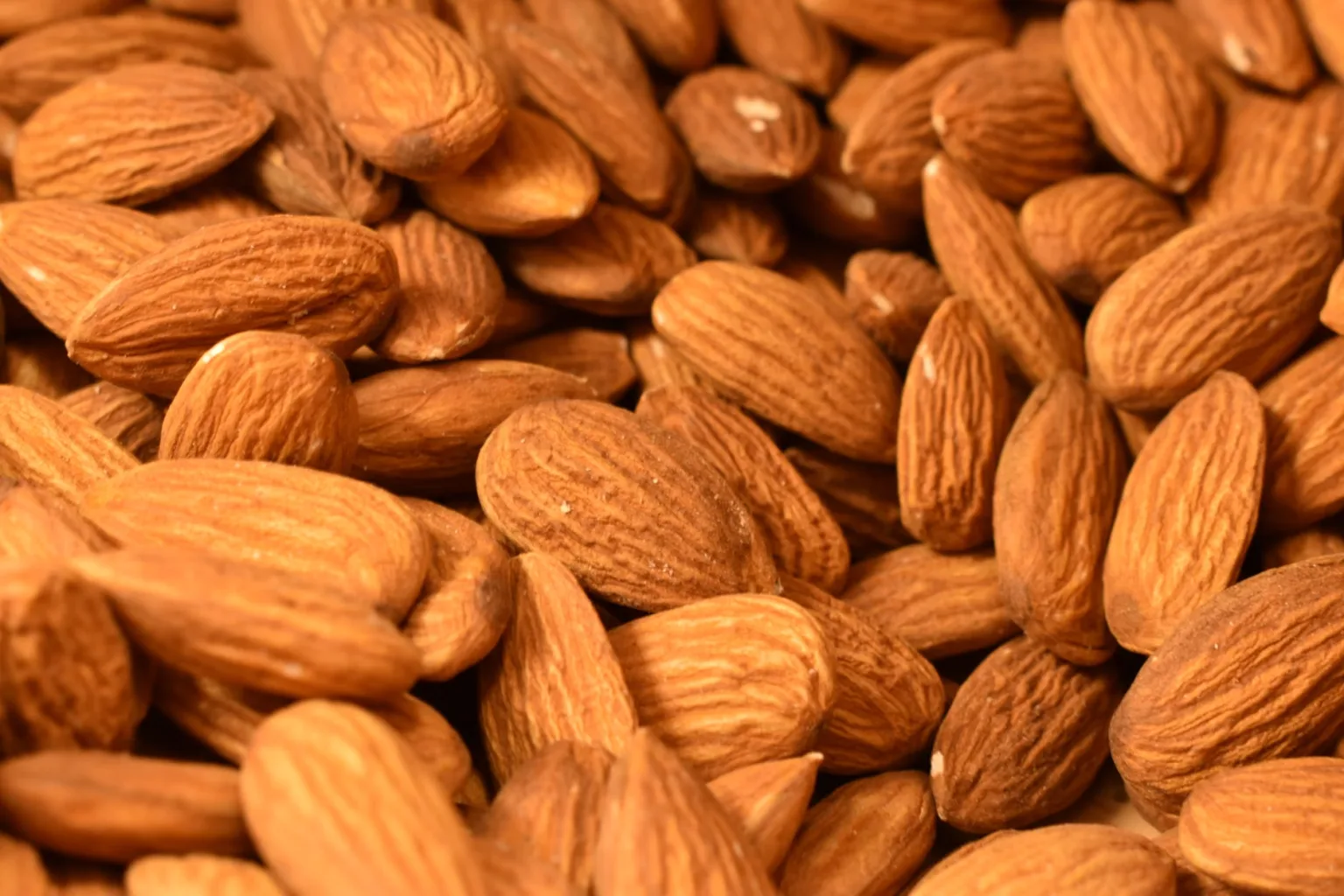
Almond drink is a liquid preparation made from almonds and water. Some versions are produced by grinding or blending almonds with water and then separating out the solids. Commercial products can contain additional ingredients, such as salt, emulsifiers or sweeteners, so their compositions are not all the same. The wording used for this product can also vary by market and label. It is an ingredient for drinking and cooking, but it should not be assumed to behave exactly like cow’s milk in every recipe. Read the ingredient list and the package directions to understand the particular product you have.
When to use it
Use almond drink when you want a mild-tasting liquid for breakfast, to serve with cereal, or to add to coffee and other hot drinks. It can also be used in smoothies, desserts, baking, and savory preparations such as soups, sauces and creamy dishes. The result depends on the formulation: a sweetened product may change a savory dish, while a product without added sugar may be easier to adapt to different uses. Choose according to the recipe and check the label rather than assuming all almond drinks are interchangeable.
How to use it
Before using it, check the label because ingredients and directions can differ between products and packages. Serve it as a drink, add it to coffee, or pour it over cereal. For smoothies, combine it with the other ingredients and blend. It can be incorporated into baking mixtures and desserts, or added to savory soups, sauces and creamy dishes. If a recipe was developed for cow’s milk, expect the flavor or result to change and check the texture and balance as you cook. Follow the storage directions on the package, particularly after opening.
Flavour and texture
Almond drink is generally described as mild, lightly sweet and recognizably almond-flavored. Its texture is fluid and often light, though products can differ according to their formulation. Added ingredients and the amount of almond may affect both taste and how the drink blends into a recipe. One product may therefore seem sweeter or feel different in the mouth than another. Taste it before adding it to a recipe with delicate flavors.
How to choose it
Compare the ingredient list, the stated sweetness and the storage instructions. Some products include added ingredients such as salt or emulsifiers, and formulations vary between brands. If you plan to use it in a savory recipe, check whether it is sweetened so the flavor does not take the dish in an unexpected direction. Read the allergen information and any product warnings as well; do not assume a particular drink is free from ingredients that matter to you.
Storage
Storage requirements depend on the product. A commercial drink may direct you to keep it unopened in a cool, dry place and refrigerate it after opening. Always follow the specific package directions and observe the date and use instructions shown there. Do not transfer one brand’s storage directions to another. If you no longer have the package or cannot confirm its directions, do not assume the product can be stored in the same way.
Substitutions
Almond drink can replace cow’s milk in some recipes, and soy or oat drinks are other plant-based options mentioned for culinary use. Do not expect identical results: flavor and texture may change, and commercial drinks have different formulations. For recipes sensitive to sweetness or body, choose a suitable product and adjust the preparation based on the result. Do not assume a plant drink is nutritionally equivalent to milk.
Common mistakes
A common mistake is treating every almond drink as if it had the same ingredients, sweetness or texture. A sweetened version may not suit a savory recipe, and storage directions for one brand should not be applied to another. Check the package, especially the ingredients, allergen information and instructions for after opening.
Safety and allergens
This drink contains almonds; avoid it if you have a known allergy to that ingredient. Check the product’s allergen information and any warnings on the package. Composition and storage directions can vary, so follow the product label, particularly after opening.
Culinary uses
- Base líquida para bebidas y preparaciones
- Sustituto culinario de la leche en algunas recetas dulces y saladas
Recommended techniques
- Mezclar o batir en batidos y bebidas
- Incorporar a masas, postres, cremas, sopas y salsas
Pairs well with
- Café y bebidas calientes
- Cereales de desayuno
- Recetas dulces y postres
Frequently asked questions
What is almond drink made from?
It is usually made with almonds and water. Some commercial versions include other ingredients, so check the package list.
Can I use almond drink in savory cooking?
Yes. It can be added to soups, sauces and creamy dishes. Check whether it is sweetened, since that can affect the finished dish.
How should I store it after opening?
Storage depends on the product. Follow the package directions; some drinks instruct you to refrigerate after opening.
Estimated nutrition
- Fat
- 1.25 g
- Saturates
- 0 g
- Carbohydrate
- 9.38 g
- Sugars
- 8.75 g
- Fibre
- 0.4 g
- Protein
- 0.63 g
- Salt
- 0.18 g
Sources and review
Automatically researched, cross-checked and validated content. Sources consulted:
- En el etiquetado alimentario hay algunas menciones que son obligatorias eletiquetadocuentamucho.aesan.gob.es
- ¿Por qué la muerte es origen de miedos y tabúes? doi.org
- Redescubre la almendra, el fruto seco más popular: sus propiedades, usos en la cocina y cinco recetas para disfrutarla directoalpaladar.com
- ¿Qué es la Almendra? Origen, beneficios y posología | Dieti Natura dieti-natura.es
- Almendra, la bomba de salud que es la base de la cocina dulce mediterránea lavanguardia.com
- Almendras: qué son, propiedades y usos en cocina bonviveur.com
- Almendras: qué son, propiedades y usos en cocina bonviveur.es
- Aesan - Agencia Española de Seguridad Alimentaria y Nutrición aesan.gob.es
- Leche de almendra - Wikipedia, la enciclopedia libre es.wikipedia.org
- Todo lo que tienes que saber sobre la leche de almendra | BCH barcelonaculinaryhub.com
- Lo que debes mirar en los ingredientes antes de comprar bebida de almendras | BuenaVida | EL PAÍS elpais.com
- Propiedades de la bebida de almendras | Vegetánea vegetanea.es
- Bebida de almendras | 974 sarchio.com
- Almeja Rosa: Análisis y comparativa de los mejores cocktails con esta bebida alcohólica bazulrestaurante.es
- Momentos Andreu: guía de maridaje para infusiones | Andreu Gastronomia - Andreu andreu.shop
- Mejores maridajes para brandy - Brandy Fundador brandyfundador.com