- Category
- Drinks
- State
- Liquid
- Usual unit
- cup
What it is
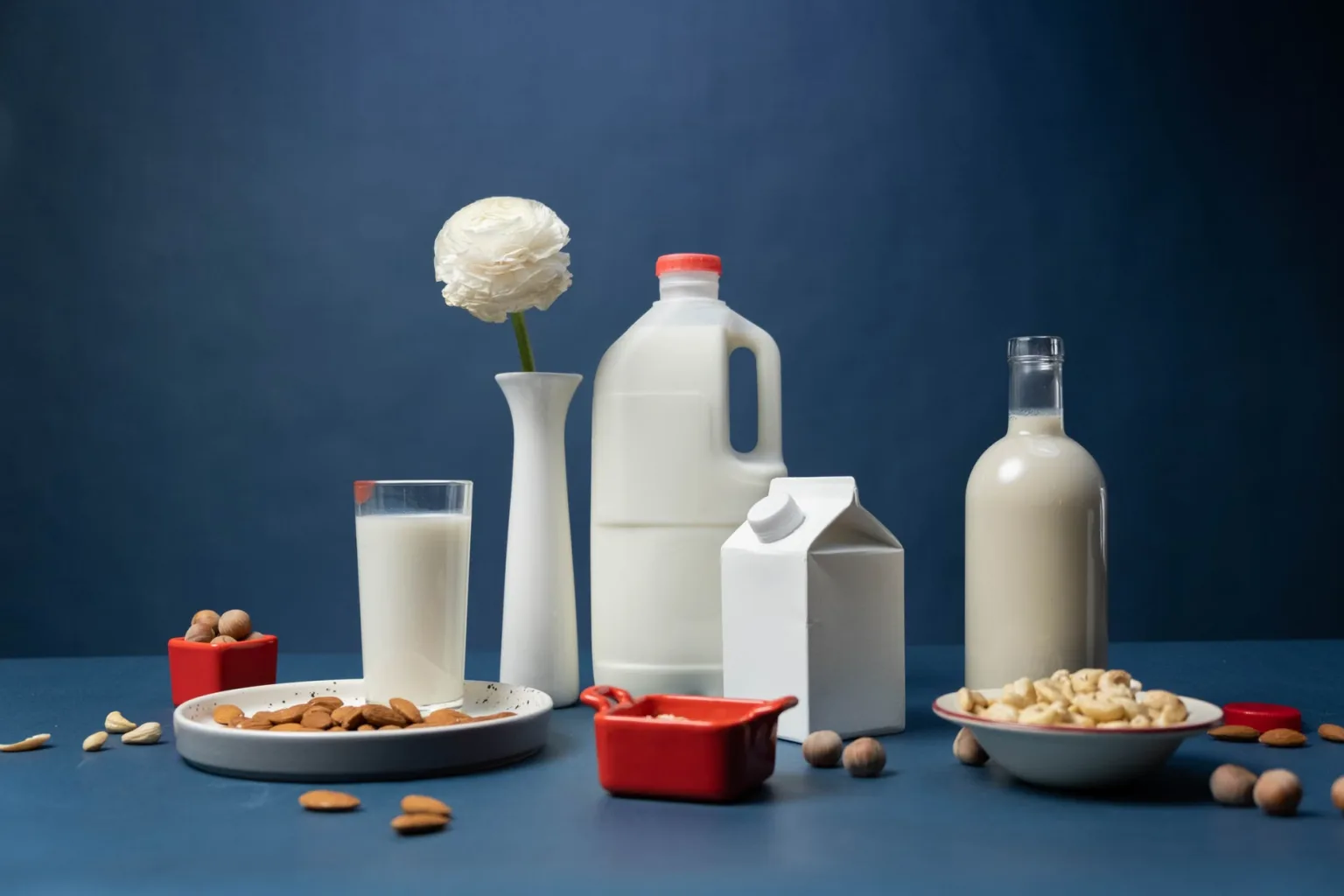
Almond beverage, often called almond milk, is a plant-based liquid made from ground almonds or almond paste and water. Commercial products may also include salt, added vitamins or minerals, stabilizers, sweeteners or flavorings; the formula varies by product. Some versions are filtered to create a uniform liquid, while others may separate during storage. In the European Union, the legal term “milk” is reserved for mammary secretion, so plant-based drinks may use a different descriptive name on the label. Do not assume that every carton has the same flavor, texture or composition: check its ingredient list and the manufacturer’s information.
When to use it
Use it when you want a mild almond flavor or a plant-based liquid for a recipe. It can be served on its own, added to coffee or blended into smoothies. In cooking, it is useful in pancake and waffle batters, baking, soups, purées and some sauces. The result depends on the variety: an unsweetened product is generally easier to use in savory dishes, while a sweetened or flavored one can change a dish’s taste. Check the label and adjust the recipe if the product contains sugar, salt or flavorings.
How to use it
Shake the carton if its label recommends it or if you can see that the contents have separated, then measure the amount required by your recipe. For a drink, add it to coffee, cocoa or a fruit smoothie; vanilla or cinnamon can be used to complement it, depending on the result you want. In pancake, waffle and other baking batters, it can replace some or all of the milk listed, although flavor and texture may change. In soups, purées and sauces, add it as a liquid and choose an unsweetened, unflavored version for a more neutral result. Do not assume it will behave exactly like cow’s milk in every recipe; check the result and adapt the other ingredients as needed.
Flavour and texture
It is usually mild, with a lightly sweet, recognizable almond flavor, although sweetness and intensity depend on the amount of almond and any added ingredients. Its texture is liquid and can feel light; some commercial products are formulated to be more uniform or to foam. Sediment or separation can vary by product, so follow the carton’s directions before use. Sweetened or flavored varieties taste different from unsweetened, unflavored ones.
How to choose it
Read the product name and ingredient list: almond beverages do not all share the same recipe. Choose between unsweetened, sweetened or flavored versions according to how you plan to use them, and check for added salt, stabilizers or nutrients. For a neutral cooking ingredient, an option without added sugar or flavorings is often more versatile. Also check the storage and after-opening instructions.
Storage
Storage conditions depend on processing, packaging and the manufacturer’s directions; there is no single rule that applies to every product. Check whether the carton says it can be stored at room temperature before opening or requires refrigeration, and follow its specific directions after opening. Keep the beverage as directed on the label and observe its date and use instructions. The available evidence does not support a universal storage period for homemade versions.
Substitutions
It can replace cow’s milk in many drinks and recipes, but the change is not always neutral: almond flavor, added sugar and texture can affect the result. For savory recipes, choose an unsweetened, unflavored version. Soy or oat beverages are possible alternatives, although each has a different flavor and texture; check the label and adjust the recipe if needed.
Common mistakes
A common mistake is treating every almond beverage as though it had the same ingredients or worked exactly like cow’s milk. Check whether it is sweetened, flavored or fortified and consider how that will affect the recipe. Another oversight is ignoring storage directions, which can vary by product.
Safety and allergens
This product contains almonds, a tree nut. Anyone with an almond allergy should avoid it unless advised otherwise by a healthcare professional. Commercial recipes may include other ingredients or allergens; check the label, especially if you have allergies or intolerances. Follow the manufacturer’s storage and use instructions.
Culinary uses
- Bebida para tomar sola o añadir a bebidas calientes y frías
- Ingrediente líquido para recetas dulces y saladas
Recommended techniques
- Mezclar o batir en batidos y otras bebidas
- Incorporar a masas, sopas, cremas y salsas
Pairs well with
- Café
- Cacao y chocolate
- Vainilla o canela
- Frutas para batidos
Frequently asked questions
Are all brands of almond beverage the same?
No. Recipes can differ in almond content and added ingredients, including salt, sweeteners, flavorings or stabilizers. Check the label.
Can I use it in a savory recipe?
Yes. Choose an unsweetened, unflavored version to reduce the chance of its taste interfering with soups, purées or sauces.
Is almond beverage safe for someone with an almond allergy?
It should not be considered safe for someone with an almond allergy. Check the other ingredients and any warnings on the package as well.
Estimated nutrition
- Fat
- 28.6 g
- Saturates
- 17.1 g
- Carbohydrate
- 61.2 g
- Sugars
- 55.7 g
- Fibre
- 2.5 g
- Protein
- 5.71 g
- Salt
- 0.14 g
Sources and review
Automatically researched, cross-checked and validated content. Sources consulted:
- En el etiquetado alimentario hay algunas menciones que son obligatorias eletiquetadocuentamucho.aesan.gob.es
- ¿Por qué la muerte es origen de miedos y tabúes? doi.org
- Almendra: usos, variedades y combinaciones en pastelería pastrypedia.net
- Leche de almendra - Wikipedia, la enciclopedia libre es.wikipedia.org
- Todo lo que tienes que saber sobre la leche de almendra | BCH barcelonaculinaryhub.com
- Aesan - Agencia Española de Seguridad Alimentaria y Nutrición aesan.gob.es
- Propiedades de la leche de almendras – Botanical-online botanical-online.com
- Leche de almendras - Guía de Alimentos de la A a la Z - Reino Minerales reino-minerales.es
- Leche de almendras | Gastronomía & Cía gastronomiaycia.com
- Leche de Almendras: Historia, Preparación y Beneficios para la Salud nutrivals.com
- FSHN20-48s/FS423: Leches a base de plantas: Almendras ask.ifas.ufl.edu
- Leche de almendras: origen, beneficios y comparación con otras leches - Lacteos Franz lacteosfranz.org
- Leche de almendras: propiedades, beneficios y valor nutricional lavanguardia.com
- ¿Qué hacer con leche de almendras? 7 ideas que debes probar en casa - Mejor con Salud mejorconsalud.as.com
- La Leche de Almendras: Alternativa Natural y Versátil solococinar.com
- ¿Qué puedo reemplazar por leche? restauranteelpilonrascafria.es
- Leche de almendras, una leche muy cremosa - Secretos Del Sur secretosdelsur.com