- Category
- Herbs and spices
- State
- Other
- Usual unit
- Variable
What it is
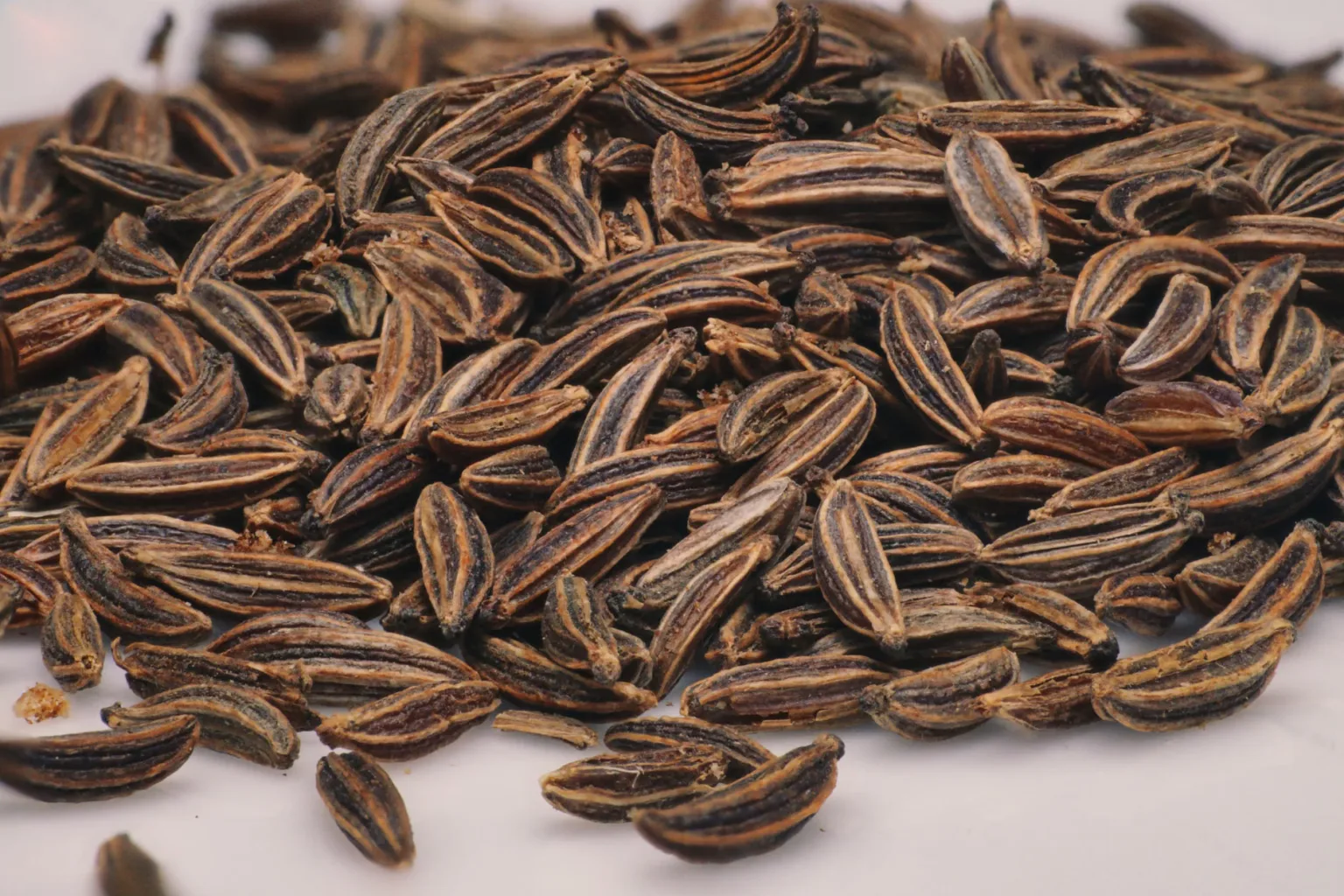
Anise seeds are classified here as an herb or spice, but the available sources do not identify the botanical species of the anise in the recipe or describe the product’s general characteristics. A historical mole poblano recipe includes “a little anise” among the spices to be toasted and ground. This documents a specific culinary use; it does not establish that every product sold under that name is the same. Another source discusses the genus Illicium and says that only the fruits or pods of Illicium verum are recognized for culinary use, while warning that other species in the genus have toxic characteristics. That information does not show that the anise in the recipe is Illicium or the same ingredient. This profile therefore limits its guidance to the recipe described and does not assign an unconfirmed botanical identity.
When to use it
The evidence supports one specific use: adding a little anise to a spice mixture for mole, as in the historical recipe cited. That preparation also includes chile, tomato or tomatillo, garlic, pepper, clove, cinnamon, and cumin. The recipe says to toast the spices without burning them and then grind them. It does not give a precise amount of anise that can be applied to a present-day preparation, so it cannot establish a dose or show that anise suits every dish. Treat this as a documented example of a mole spice combination, not a general rule or a recommendation for other kinds of recipes.
How to use it
To follow the technique described in the source, add the anise to the spice mixture, toast it carefully without burning it, and then grind the spices. The recipe says to grind them separately from the chile and tomatoes or tomatillos. Next, fry the spices, add the chile-and-tomato mixture, and continue making the mole; the recipe serves it with turkey. The source gives neither a precise measure of anise nor general instructions for other dishes, so do not extrapolate quantities or procedures. This description is limited to that historical recipe: it does not confirm the botanical species of the anise or establish that it is equivalent to star anise.
Flavour and texture
The available sources do not reliably describe the flavor, aroma, or texture of anise seeds. One recipe includes anise in a spice mixture that is toasted and ground, but that specific use does not establish a general sensory profile for the ingredient. Toasting and grinding are techniques in the recipe, not descriptions of how the product should taste or feel. The source about Illicium discusses other names and species and does not identify the anise in the recipe with them. Do not infer flavor or texture solely from the name “anise.”
How to choose it
The sources provide no buying criteria for anise seeds, such as quality, freshness, appearance, aroma, or retail form. Check that the packaging clearly identifies the product, and do not assume that “anise” and “star anise” are the same ingredient. The source about Illicium recognizes the fruits or pods of Illicium verum for culinary use and warns that other species in the genus have toxic characteristics; it does not, however, identify the anise in the recipe as an Illicium species. If the label does not make the product clear, the available evidence cannot confirm its identity.
Storage
The supplied evidence does not establish how to store anise seeds, how long they keep, or which storage conditions are suitable. To avoid inventing methods or time limits, follow the package and manufacturer’s directions. Keep the product clearly labeled so it is not confused with another ingredient with a similar name. The sources also do not say whether the anise in the recipe is used whole, pre-ground, or in another form before cooking. More specific storage advice cannot be drawn from this material.
Substitutions
None of the sources in the package suggests a substitute for the anise in the recipe or gives replacement ratios. The fact that the cited mole includes pepper, clove, cinnamon, and cumin does not show that any of them can replace the anise. Nor do the sources document equivalence with star anise: they discuss the anise in the recipe and the genus Illicium separately. If you need to adapt a recipe, the available evidence does not support recommending a specific substitute or equivalent amount.
Common mistakes
Do not assume that the anise in the recipe and star anise are the same ingredient: the sources do not establish that equivalence. Do not turn the historical recipe into a universal dose, a general flavor description, or a recommendation for every dish. The source says to toast the spices without burning them but gives no times or temperatures. Finally, do not assign the identity or characteristics of Illicium species to the anise in the recipe: the source about that genus does not establish that they are the same product.
Safety and allergens
The available material does not provide an official, product-specific safety assessment for the anise in the recipe. The source about Illicium recognizes the fruits or pods of Illicium verum for culinary use and warns that other species in the genus have toxic characteristics, but it does not show that the anise in the recipe is Illicium. Do not extend that warning to a product whose identity has not been established; use the label and manufacturer’s directions to identify the ingredient.
Culinary uses
- Especia incluida en una receta histórica de mole poblano.
- Componente de una mezcla de especias tostadas y molidas.
Recommended techniques
- Tostar con cuidado junto con las especias, sin quemarlas.
- Moler separadamente de la mezcla de chile y tomate o tomatillo.
Pairs well with
- La receta documentada la combina con chile, tomate o tomatillo, ajo, pimienta, clavo, canela y comino.
- La receta sirve el mole preparado con esa mezcla de especias con pavo.
Frequently asked questions
How is anise used in the documented recipe?
The historical recipe includes a little anise among the spices to be carefully toasted and ground for the mole. It does not give a precise measure.
Is the anise in the recipe the same as star anise?
The sources do not confirm that they are the same ingredient. One mentions anise in a recipe; another discusses Illicium verum fruits or pods and toxic characteristics in other Illicium species.
What can I use as a substitute?
The sources do not document substitutes or equivalent amounts for the anise in the recipe, so they cannot support a specific alternative.
Estimated nutrition
- Fat
- 0 g
- Saturates
- 0 g
- Carbohydrate
- 0 g
- Sugars
- 0 g
- Protein
- 0 g
- Salt
- 0 g
Sources and review
Automatically researched, cross-checked and validated content. Sources consulted:
- ¿Por qué la muerte es origen de miedos y tabúes? doi.org
- Top 10 Culinary Essential Oils files.achs.edu
- Maqueta.qxp:Maqueta Comità CientÃfico Nâ« 2 aesan.gob.es
- Mole Poblano 1906 - lacocina.utsa.edu
- Crotophaga sulcirostris (groove-billed ani) | INFORMATION | Animal Diversity Web animaldiversity.ummz.umich.edu
- Illicium (Anise Tree, Star Anise) | North Carolina Extension Gardener Plant Toolbox plants.ces.ncsu.edu