- Category
- Herbs and spices
- State
- Powdered
- Usual unit
- pinch
What it is
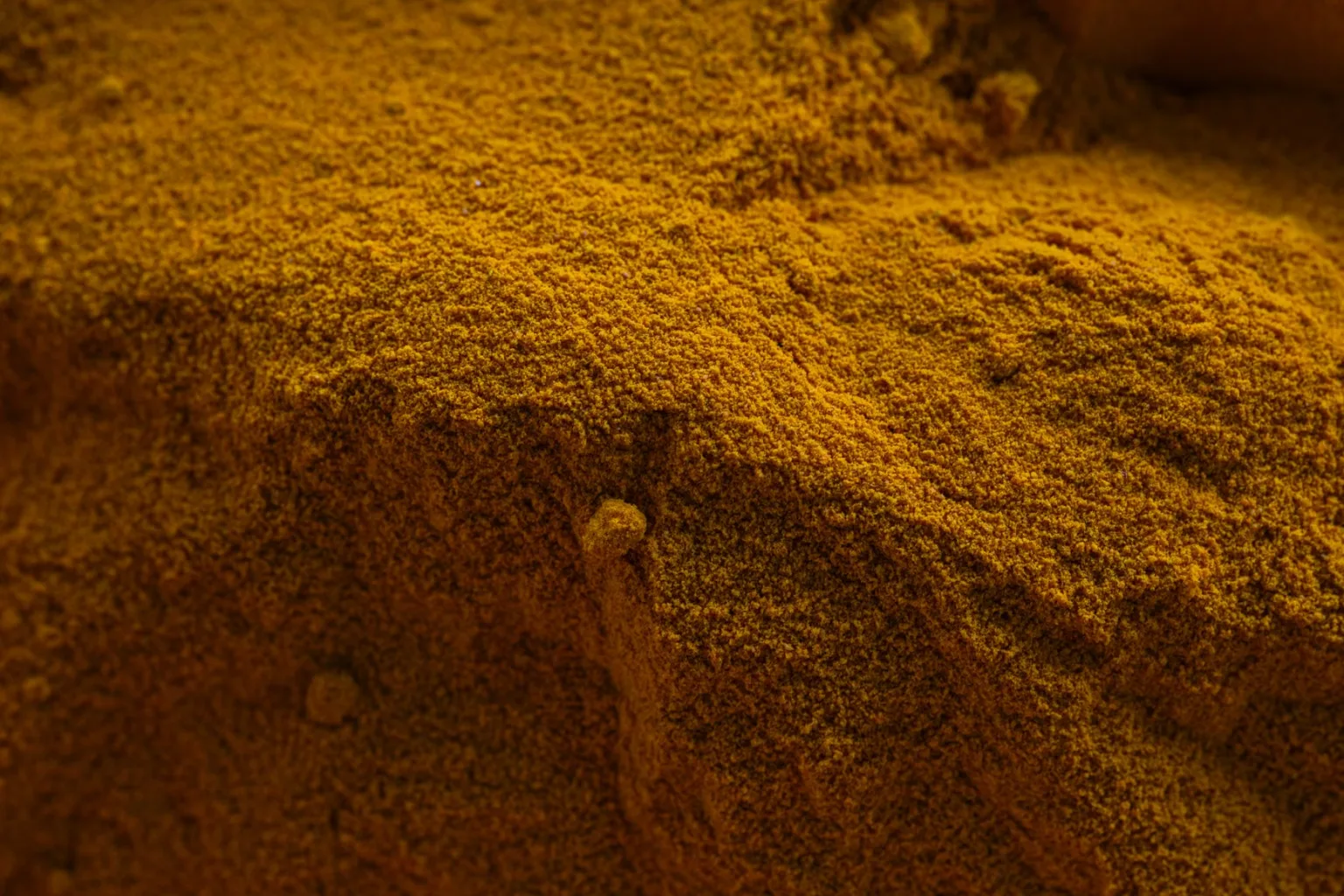
Asafoetida is a spice made from the dried latex resin exuded by the roots or rhizome of plants in the genus Ferula. It is sold as resin or ground; this profile covers the powder. Its raw aroma is very strong and sulfurous, while cooking softens it into a flavor reminiscent of garlic, onion, or other alliums. Some powdered products are blends rather than pure asafoetida and may contain rice flour, wheat flour, or other ingredients. Check the ingredient label instead of assuming that every powder has the same composition.
When to use it
Use asafoetida when you want a cooked dish to gain depth with a note reminiscent of garlic or onion, particularly lentils and other legumes, vegetables, curries, or sauces. It can also play an aromatic role in recipes that leave out garlic and onion, though the result will not be identical. It is potent, so begin with a very small amount and adjust only after tasting the cooked dish. Do not judge the finished flavor by the aroma in the jar alone: heat changes its character.
How to use it
Start with a pinch: the powder is potent and can easily overwhelm the other flavors. To use it, heat the recipe’s oil, add the asafoetida near the beginning, and cook it briefly before adding the remaining ingredients. It can also be added while tempering spices or building the base of a stew. Avoid tasting large amounts raw; its character changes with cooking. If you have a commercial blend, check the label for flour or other ingredients, and adjust the amount to suit the product and recipe.
Flavour and texture
In the jar, asafoetida powder can smell pungent, sulfurous, and reminiscent of raw garlic. Once cooked, some of that intensity recedes, leaving a rounder flavor associated with onion, cooked garlic, or leek. The powder is often fine, but commercial blends can differ in color, texture, and strength depending on their ingredients. A pinch of one brand may therefore not have the same impact as a pinch of another.
How to choose it
Choose an intact package and read its ingredient list. Asafoetida powder may be pure or diluted with ingredients such as rice flour, wheat flour, or gum arabic; the blend affects its strength and matters to anyone avoiding particular ingredients. A pungent aroma is characteristic and is not, by itself, proof of spoilage. If you are unfamiliar with the brand, buy a small package or first test a minimal amount in a recipe.
Storage
Keep the powder in a tightly closed container to contain its powerful aroma. Store it apart from other spices, since its smell can transfer to nearby ingredients. Follow the package directions and avoid leaving the jar open while cooking. If the product is a blend, keep its label available so you can check the ingredients and the manufacturer’s instructions.
Substitutions
Garlic or onion can provide a similar aromatic role, but they do not exactly reproduce the flavor of cooked asafoetida. Conversely, asafoetida can add a related note to dishes made without garlic and onion, but it is not a one-for-one replacement and should be used sparingly. A mild blend of garlic and onion powder is another approximate option. Consider the ingredients in the product and the needs of the people eating the dish.
Common mistakes
Adding too much is a common mistake: its concentrated character can dominate a dish. It is also easy to judge it only by the powder’s more aggressive aroma. Add it near the beginning and cook it briefly before adding the other ingredients, rather than treating it like a mild seasoning to sprinkle on at the end. Also check whether the powder contains flour or other ingredients.
Safety and allergens
Use it sparingly and avoid breathing in the powder at close range when opening the container, as its aroma is very strong. Check commercial blend labels, which may list wheat or other ingredients. The supplied sources do not include a specific official warning for ordinary culinary use.
Culinary uses
- Sazonador aromático de sabor parecido al ajo y la cebolla una vez cocinado
- Alternativa culinaria al ajo y la cebolla en algunas recetas
Recommended techniques
- Añadir una pizca al aceite caliente al comienzo de la preparación
- Cocinarla brevemente antes de incorporar los demás ingredientes
Pairs well with
- Lentejas y otras legumbres
- Verduras, curris y salsas
- Mostaza, cúrcuma y cilantro
Frequently asked questions
What does cooked asafoetida taste like?
Cooking softens its strong aroma, and the flavor can resemble garlic, onion, or leek.
How much asafoetida powder should I use?
Start with a pinch. It is concentrated, and the right amount can vary between products, especially when the powder is blended with flour.
Is asafoetida powder always pure?
No. Some products are blended with rice flour, wheat flour, or other ingredients. Check the label to see what yours contains.
Sources and review
Automatically researched, cross-checked and validated content. Sources consulted:
- The Essential Glossary of Cooking Terms for the Culinary Arts - Escoffier escoffier.edu
- Language Log » Asafoetida: Satanically stinky spice languagelog.ldc.upenn.edu
- ICE Student for a Day: Dining in Imperial Rome | Institute of Culinary Education ice.edu
- In response to the Letter to the Editor from Xiao regarding our article, “FEMA GRAS assessment of natural flavor complexes: Asafetida oil, garlic oil and onion oil” - Experts@Minnesota experts.umn.edu
- Medicinal Spices Exhibit - UCLA Biomedical Library: History & Special Collections unitproj.library.ucla.edu
- The Art of Vaisnava Vegetarian Cooking: The Manifestation ... digitalcollections.sit.edu
- "Pennsylvania Folklife Vol. 14, No. 2" by Don Yoder, Earl F. Robacker et al. digitalcommons.ursinus.edu
- Conocer la Asafétida • sallypepperspices • Tienda de especias • sallypepperspices.com
- Asafétida: ¿Qué es? - Blog de La Parada de las Especias comprarespecias.net
- Asafétida. Qué es y cómo usar la especia que sustituye al ajo en la cocina abc.es
- Ferula assafoetida - Wikipedia, la enciclopedia libre es.wikipedia.org
- Asafétida: La Joya Oculta del Sabor - De las Cocinas Antiguas a la Industria Moderna galbanum.co
- Asofetida o asafoetida | Gastronomía & Cía gastronomiaycia.com
- La asafétida, la especia que huele a rayos y sabe como el ajo lavanguardia.com
- ¿Conoce la asafétida? | Recetas.com recetas.com