- Category
- Fruit
- State
- Fresh
- Usual unit
- unit
What it is
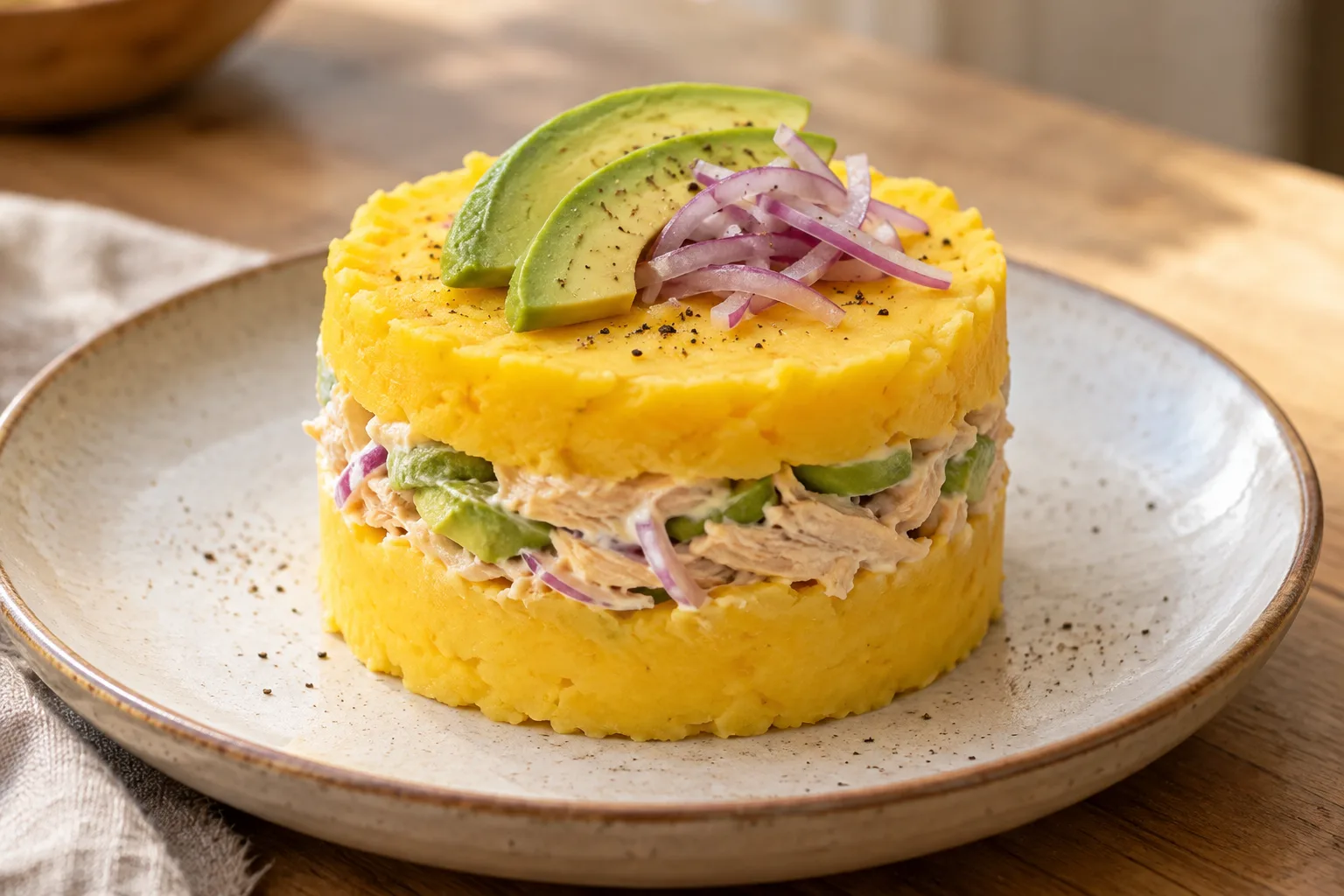
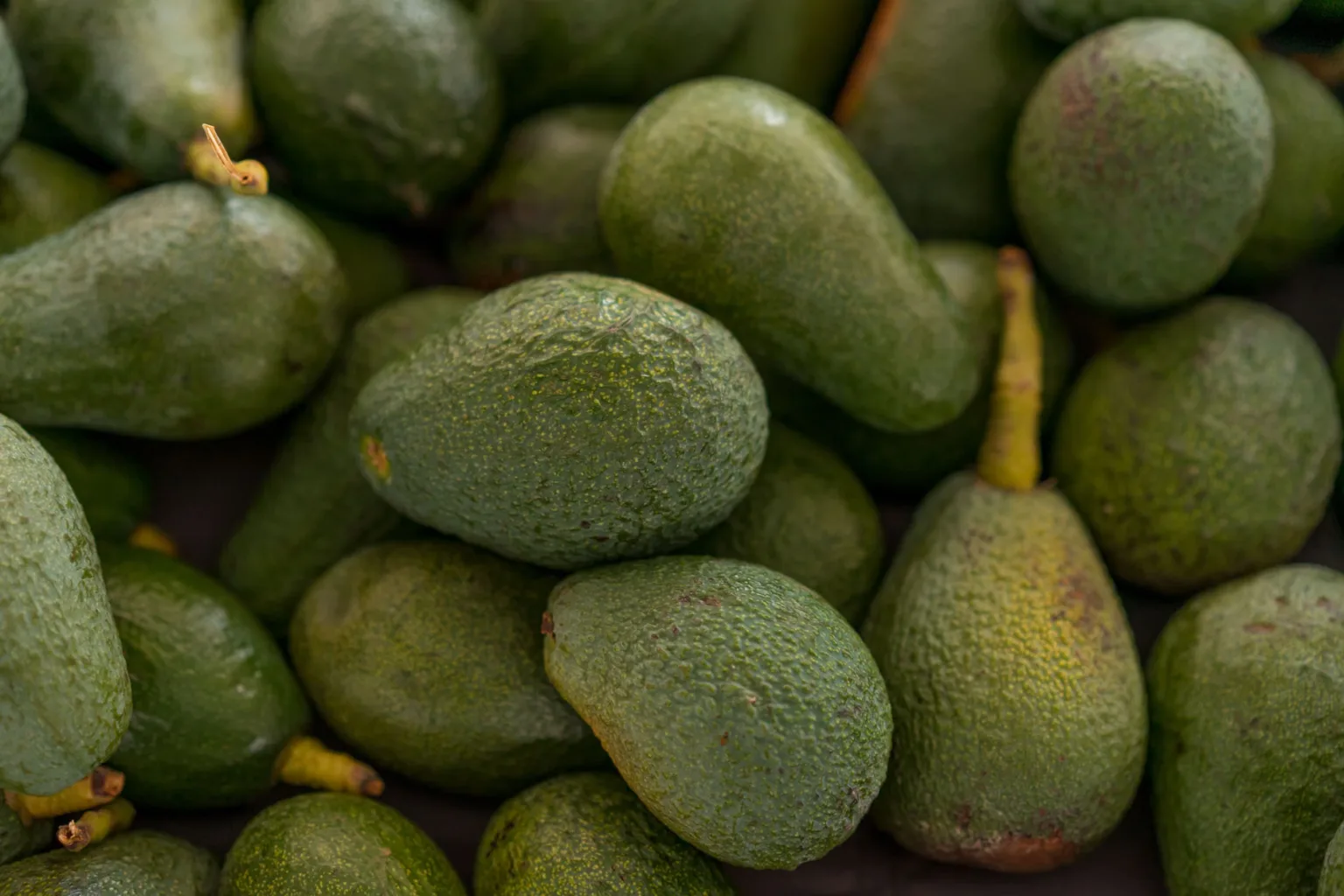
Avocado is the edible fruit of the avocado tree and belongs to the Lauraceae family. Although it is commonly used in savory recipes and is not notably sweet, it is botanically classified as a fruit. Inside is a large seed surrounded by soft, creamy flesh; remove the skin and seed before eating the flesh. There are multiple varieties, with visible differences in shape, size, skin, and texture, so one avocado may not look exactly like another. In the kitchen, the flesh can be served in slices or cubes, mashed as a spread, or used as the base of a sauce.
When to use it
Use avocado when you want to add a creamy texture to toast, salads, or sauces, or when you need an ingredient that suits both savory and sweet combinations. Mashed avocado is convenient as a spread and for making guacamole; sliced or cubed flesh keeps a more defined shape in salads and on bread. It can also be blended into drinks with fruit and a plant-based beverage. Keep in mind that varieties differ in shape and characteristics, so skin color or size is not a universal guide for every avocado.
How to use it
Wash the fruit before preparing it, cut it carefully, separate the halves, and remove the seed and skin before eating the flesh. For a smooth texture, mash or blend the flesh and use it as a spread or sauce base. For salads and toast, slice or cube it and add it near the end so the pieces keep their shape. Pair it with tomato, cucumber, and onion, or combine it with onion, cilantro, and lime juice for a guacamole-style sauce. For a sweet preparation, blend it with banana and a plant-based beverage for a creamy drink. Cut flesh can darken when exposed to air, so prepare it close to serving time.
Flavour and texture
The flesh is usually soft and creamy, with a mild flavor that works in both savory and sweet combinations. Texture can vary among varieties and with ripeness: some flesh is firmer, while other fruit is more buttery. The skin also differs in appearance. Once cut, the exposed flesh may darken through contact with oxygen; this color change alone should not be treated as a complete test of the fruit's condition.
How to choose it
Choose a fruit that suits the intended preparation: flesh that can be mashed works well for sauces and spreads, while firmer fruit may be easier to cut into slices or cubes. Varieties can differ substantially in shape, size, and skin, so do not rely on one external appearance as a universal test. Check the fruit for obvious damage. If a variety is named on the label, use that as a reference, but remember that the texture of individual fruit can still vary.
Storage
Avocado is a fresh product, and cut flesh may darken when exposed to oxygen. To preserve its appearance, prepare it close to serving time and follow the refrigeration directions on the product or in a reliable home-preservation guide. Advice may differ depending on whether the fruit is whole, ripe, or cut; do not apply a storage method without checking that it suits that state. Discard fruit with clear signs of spoilage, and do not use the color of a cut surface alone to decide whether it is safe.
Substitutions
Mashed avocado can stand in for butter as a spread or add creaminess in some preparations, but it does not behave exactly the same way: it can change flavor, moisture, and structure. It can also replace some creamy sauces in certain accompaniments. Adjust the quantity and seasoning to the recipe, and do not assume the swap will work equally well in baked goods or every preparation.
Common mistakes
Do not judge every variety by one color, shape, or size; natural differences exist. Another mistake is treating avocado as an ingredient only for savory dishes, since it can also appear in sweet combinations. Once cut, the flesh may darken on contact with air, so prepare it close to serving. Do not treat that color change, by itself, as a complete assessment of its condition.
Safety and allergens
Use care with a knife when opening the fruit and removing the seed. Wash the avocado before cutting it and follow local food-safety guidance for fresh produce. Do not eat fruit with clear signs of spoilage; darkening of cut flesh alone does not establish whether it is in good condition.
Culinary uses
- base cremosa para salsas y guacamole
- ingrediente para tostadas y ensaladas
- acompañamiento para platos salados y dulces
Recommended techniques
- machacar o triturar la pulpa
- cortar en láminas o dados
- incorporar en preparaciones sin cocción
Pairs well with
- pan tostado
- tomate, pepino y cebolla
- cilantro y zumo de limón
- plátano y leche vegetal en batidos
Frequently asked questions
Is avocado a fruit or a vegetable?
It is a fruit botanically, although it is often used in savory dishes and served much like a vegetable.
How can I serve avocado?
Mash it for a spread or sauce, slice it for toast, cube it for salads, or blend it into a drink.
Why does avocado flesh darken after cutting?
The exposed flesh may darken when it comes into contact with oxygen. Prepare it close to serving time, and do not rely on color alone to assess its condition.
Estimated nutrition
- Fat
- 14.7 g
- Saturates
- 2.13 g
- Carbohydrate
- 8.53 g
- Sugars
- 0.66 g
- Fibre
- 6.7 g
- Protein
- 2 g
- Salt
- 0.02 g
Sources and review
Automatically researched, cross-checked and validated content. Sources consulted:
- Client Challenge doi.org
- Cooking with Fats and Oils: Can they withstand the heat? - Kendall Reagan Nutrition Center chhs.colostate.edu
- tico en la alergia alimentaria aesan.gob.es
- 70% of Private Label Avocado Oil Rancid or Mixed with Others | UC Davis ucdavis.edu
- Preserving Avocados to Enjoy All Year - Online | UC Master Food Preserver Program of Orange County ucanr.edu
- Save Money & Waste Less with These 6 Food Storage Tips - Food Rescue MAINE umaine.edu
- Aguacate: variedades, propiedades y recetas | IFEMA MADRID ifema.es
- Aguacate, cosas que tal vez no sepas - Formacion en Gastronomia formacionengastronomia.com
- Qué es el aguacate ¿Fruta o verdura? Beneficios y usos fruteriasilvestre.com